
Have you ever wondered how clean your wooden cutting board really is after preparing a meal? With food residues and bacteria lurking, disinfecting your cutting board is crucial for maintaining a safe kitchen environment.
You might think that a simple rinse under water does the trick, but there’s more to it than meets the eye. Imagine the peace of mind knowing that your next slice of bread or chop of veggies is happening on a board that’s truly clean.
This guide will reveal the secrets to effectively disinfecting your wooden cutting board, ensuring it’s not just clean, but safe for you and your loved ones. Let’s dive in and uncover the easy steps that will keep your meals worry-free.
Importance Of Disinfecting Wooden Cutting Boards
Cleaning wooden cutting boards prevents bacteria buildup. Use vinegar or hydrogen peroxide to disinfect them effectively. Regular maintenance keeps your kitchen safe and hygienic.
Disinfecting your wooden cutting board is more than just a chore. It’s an essential step in keeping your kitchen safe and your meals healthy. Wood has a natural beauty and durability, but it can harbor harmful bacteria if not properly cleaned.Why Wood Needs Special Attention
Wood is porous, unlike plastic or glass. This means it can absorb moisture and bacteria, especially after cutting raw meat or vegetables. If left unchecked, these bacteria can multiply, putting you and your family at risk.The Hidden Dangers Lurking In Your Board
Have you ever noticed a smell coming from your cutting board? That could be a sign of bacteria growth. Regular cleaning with soap and water is essential, but it might not be enough to kill all germs.Extending The Life Of Your Wooden Board
Proper disinfection not only keeps bacteria at bay but also prolongs the life of your board. By cleaning it correctly, you prevent cracks and warping. This means you’ll enjoy your board’s beauty and functionality for years.Are You Cleaning Enough?
How often do you disinfect your board? Many people underestimate the frequency needed. After each use, especially with raw ingredients, a thorough cleaning is crucial.Simple Steps To A Cleaner Kitchen
Disinfecting doesn’t have to be complicated. A mix of vinegar and water or a splash of hydrogen peroxide can do wonders. These are simple solutions that you likely already have in your pantry. Incorporating these practices into your routine can make all the difference. Have you ever been surprised by how easy it is to maintain a safer kitchen with just a few extra steps? Let’s keep those meals safe and delicious!Common Contaminants On Wooden Surfaces
Wooden cutting boards are popular in many kitchens. They are durable and gentle on knives. But they can harbor harmful contaminants. Understanding these contaminants is crucial for maintaining a clean board.
Wood is porous. It can absorb liquids quickly. This makes it a breeding ground for bacteria. Salmonella and E. coli are common culprits. They often come from raw meat juices.
Food particles can lodge in small cracks. These particles decompose over time. Mold can develop in these moist areas. Mold spores can spread to other foods.
Grease and oil are also problematic. They can stain the wood. They attract dust and dirt. This creates an unhygienic surface.
Spices and herbs can leave residues. Some residues are sticky. They can trap bacteria on the board.
Importance Of Regular Cleaning
Regular cleaning is essential. It prevents the buildup of contaminants. This keeps your food safe. And it extends the life of your cutting board.
Natural Cleaning Solutions
Vinegar is a natural disinfectant. It kills many bacteria. Lemon juice has similar properties. Baking soda is useful for scrubbing.
Proper Drying Techniques
After cleaning, dry the board thoroughly. Moisture can breed bacteria. Use a towel or air dry completely.
By understanding these contaminants, you keep your cutting board clean and safe. Regular care ensures a healthy kitchen environment.
Effective Cleaning Agents
Wooden cutting boards are kitchen essentials. They need regular disinfection to ensure safety. Choosing the right cleaning agents is vital. Some people prefer natural solutions. Others opt for commercial cleaners. Both have their benefits. Let’s explore them.
Natural Solutions
Natural solutions are gentle yet effective. Vinegar is a popular choice. Mix equal parts of water and white vinegar. Spray the solution on the board. Let it sit for five minutes. Rinse with warm water. Lemon is another option. Rub a lemon half over the board. This helps in removing stains and odors. Sprinkle some salt for extra scrubbing power. Rinse well with water.
Commercial Cleaners
Commercial cleaners offer convenience. They are designed for tough cleaning. Ensure the cleaner is safe for wood. Read the label carefully. Follow the instructions. Some cleaners require dilution. Others can be used directly. Rinse thoroughly after use. This prevents chemical residue. These cleaners often kill bacteria effectively.
.webp)
Credit: www.mollymaid.com
Step-by-step Disinfection Process
Cleaning a wooden cutting board involves simple steps. Scrub with hot, soapy water to remove food particles. Rinse thoroughly and apply white vinegar to disinfect, killing bacteria effectively.
Disinfecting a wooden cutting board might seem like a straightforward task, but doing it effectively requires a specific process to ensure your kitchen remains a safe and healthy environment. Wooden cutting boards can harbor bacteria in their porous surfaces, making proper disinfection crucial. By following a structured step-by-step disinfection process, you can maintain your board’s longevity and hygiene.Pre-cleaning Preparation
Start by clearing your cutting board of any food debris. Use a spatula or a brush to remove bits of food stuck on the surface. Next, wipe the board with a damp cloth to prepare it for cleaning. This step ensures that the cleaning agents work more effectively. Think about this: when was the last time you cleaned your board thoroughly? A little preparation goes a long way in ensuring that the board is truly clean.Application Of Cleaning Agents
Choose a mild dish soap or white vinegar to clean your board. Both are effective at breaking down bacteria without harming the wood. Apply the cleaning agent directly onto the board’s surface. Use a soft brush or sponge to scrub in small, circular motions. If you have a lemon handy, rub a halved lemon over the board after applying the soap. This adds a fresh scent and enhances the antibacterial effect.Rinsing And Drying Techniques
Rinse the board thoroughly with warm water. Make sure all soap or vinegar residues are washed away to prevent any lingering taste. Pat dry the board with a clean towel immediately after rinsing. Leaving it wet can cause the wood to warp or crack. Consider placing it upright or on a rack to ensure it dries completely. A dry board is less likely to harbor bacteria, keeping your kitchen safe. Have you ever noticed an unpleasant smell from your cutting board? Proper rinsing and drying can help eliminate those odors, leaving your kitchen smelling fresh and clean.Frequency Of Disinfection
Keeping your kitchen tools clean is a priority, especially when it comes to wooden cutting boards. These trusty kitchen companions need regular care to ensure they’re safe to use. But how often should you disinfect them? The answer isn’t one-size-fits-all; it depends on how often you use them and what you’re cutting. Let’s dive into the frequency of disinfection and how you can maintain a clean cutting board.
How Often Should You Disinfect Your Cutting Board?
Do you use your cutting board daily? Then it’s wise to disinfect it at least once a week. If you’re chopping raw meat or fish, consider disinfecting immediately after use. This helps prevent harmful bacteria from lingering. Frequent use requires frequent cleaning.
Daily Users: What’s Your Routine?
If you’re someone who cooks every day, your cutting board goes through a lot. It’s exposed to all kinds of foods and ingredients. Make it a habit to wash it with hot, soapy water after each use. This simple act keeps your board fresh and ready for the next meal.
Occasional Cooks: Is Weekly Enough?
For those who cook less often, a weekly disinfection might suffice. Think about what you’re cutting and how often. Are you mostly chopping vegetables? A weekly clean might be enough. But if you’re handling raw meat, more frequent cleaning is better for safety.
Spotting Trouble: When To Clean More?
Have you ever noticed odors or stains on your cutting board? These are signs that it needs cleaning. Don’t wait for the smell to hit you before taking action. Regular disinfection helps prevent these issues and keeps your board in good shape.
Your Experience: What Works For You?
Consider your own cooking habits. Do you often cook for a crowd? Your cutting board probably sees a lot of action. Adjust your cleaning routine based on your usage. A clean board is not just about hygiene; it’s about improving your cooking experience.
So, how do you keep your cutting board clean? Share your tips and tricks in the comments below! Your insights might help someone create a safer kitchen environment.
Maintaining Wooden Cutting Boards
Cleaning wooden cutting boards involves using white vinegar or hydrogen peroxide. Apply either one to the surface. Let it sit for a few minutes to kill bacteria. Rinse with hot water and dry thoroughly to prevent mold.
Maintaining a wooden cutting board is essential for both hygiene and durability. Wooden boards are a staple in many kitchens, not just because they look great, but because they are gentle on knives. However, they can also absorb bacteria and odors if not cared for properly. Keeping them clean and well-maintained ensures they remain a safe and effective tool for your culinary adventures.Regular Maintenance Tips
Consistency is key when it comes to maintaining your wooden cutting board. After every use, wash it with warm water and mild dish soap. Avoid submerging it in water, as wood can swell and warp. Wipe the board dry immediately after washing. Allowing it to air-dry can lead to cracks. Once a month, treat your board with mineral oil or a specialized cutting board oil. This helps to prevent the wood from drying out and keeps it looking fresh. Have you ever noticed any lingering smells on your board? Sprinkle some coarse salt over it, then rub it with half a lemon. This natural technique not only deodorizes but also helps in cleaning the surface.Repairing Damaged Boards
Even with regular care, wooden cutting boards can sometimes get damaged. Small cracks or cuts can harbor bacteria. If you find any, sand them down with a fine-grit sandpaper. After sanding, always remember to re-oil your board. This replenishes the protective layer and ensures the wood doesn’t dry out. Deep cuts or significant damage might need professional repair. However, if the damage is minor, a little DIY can save you time and money. Have you tried fixing your board before? It’s surprisingly satisfying to restore something with your own hands. Taking these steps can greatly extend the life of your wooden cutting board. It’s a small effort that pays off, ensuring your kitchen remains a safe and inviting space. Have you adopted any unique maintenance rituals for your kitchen tools? Share your experiences and let’s learn together.Common Mistakes To Avoid
Cleaning wooden cutting boards properly prevents bacteria. Avoid soaking them in water; it leads to warping. Use vinegar or hydrogen peroxide for effective disinfection. Remember, harsh chemicals damage wood. Regular oiling helps maintain their condition and prevents drying out.
Disinfecting a wooden cutting board might seem straightforward, but many people unknowingly make mistakes that compromise hygiene and the board’s longevity. It’s easy to think you’re doing it right, yet small oversights can lead to bigger problems. Understanding these common mistakes ensures your board remains safe and durable.1. Using Excessive Water
Wood and water don’t mix well. Soaking your wooden cutting board can cause it to warp and crack over time. Instead, use a damp cloth or sponge to clean the surface. This keeps the wood intact while still removing bacteria.2. Ignoring The Importance Of Drying
After washing, many forget that thorough drying is crucial. Leaving a wooden board wet invites mold and bacteria. Always pat dry with a clean towel and let it air dry completely before storing. Have you ever noticed a musty smell? That’s a sign your board wasn’t dried properly.3. Using Harsh Chemicals
Bleach and other strong chemicals might seem like a good idea, but they can damage the wood. These substances strip away the natural oils that protect the board. Instead, opt for natural disinfectants like vinegar or hydrogen peroxide, which are effective without being harsh.4. Skipping Regular Maintenance
Disinfecting is great, but maintenance is key to a long-lasting board. Many people neglect oiling their boards, which leads to drying and cracking. Use mineral oil or a food-safe board cream monthly to keep your board in top shape.5. Overlooking Deep Cleaning
Quick clean-ups are essential, but deep cleaning is often forgotten. Every few weeks, scrub your board with coarse salt and a lemon to remove deeper stains and odors. This not only disinfects but also revitalizes the wood surface. Are you guilty of any of these mistakes? Avoiding them can make a huge difference in the cleanliness and durability of your wooden cutting board. By being mindful of these common pitfalls, you ensure a safer cooking environment and prolong the life of your kitchen companion.:max_bytes(150000):strip_icc()/clean-wooden-cutting-board-4772583_08-f78b97244f364ab3ba963ed8f21dce2d.jpg)
Credit: www.thespruce.com
Expert Tips For Long-lasting Hygiene
Wooden cutting boards are a kitchen staple. They are durable and versatile. Keeping them clean is essential for food safety. Proper disinfection ensures long-lasting hygiene. Discover expert tips for maintaining a sanitary wooden cutting board.
How To Clean After Each Use
Rinse your cutting board with hot water. Scrub with mild dish soap. Use a soft brush to remove food particles. Avoid soaking the board. Dry it immediately with a towel. This prevents water damage and bacteria growth.
Deep Cleaning With Vinegar
Mix equal parts water and white vinegar. Apply the solution to the board. Let it sit for five minutes. Scrub the surface with a brush. Rinse thoroughly with hot water. Vinegar is a natural disinfectant. It helps eliminate germs.
Using Lemon And Salt For Stain Removal
Sprinkle coarse salt over the board. Cut a lemon in half. Rub the lemon on the board. The juice lifts stains and odors. Let it sit for ten minutes. Rinse with warm water. Dry with a clean towel.
Periodic Oil Treatment
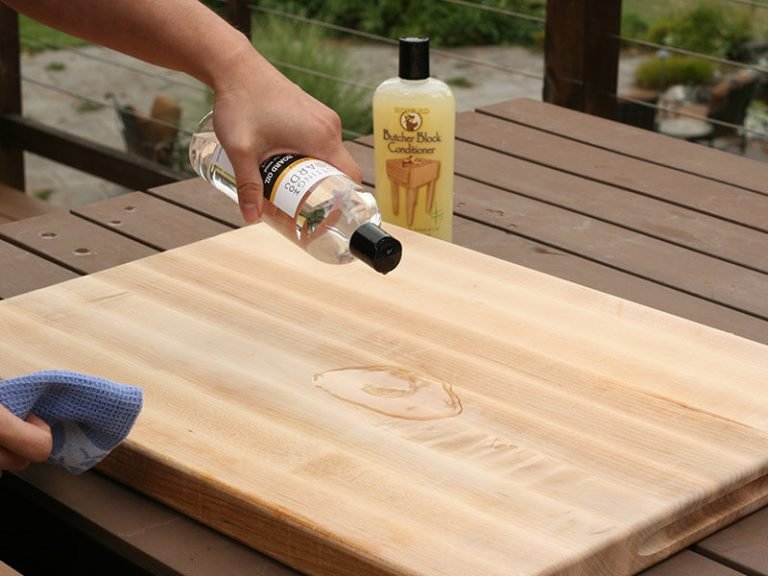
Apply food-grade mineral oil monthly. This prevents drying and cracking. Pour a small amount on the board. Use a clean cloth to spread evenly. Let the oil soak overnight. Wipe off excess oil with a towel.
Regular Inspection For Damage
Inspect your board regularly. Look for cracks or deep cuts. These can harbor bacteria. Replace the board if damage is severe. Maintaining its condition ensures safety.
.webp)
Credit: www.mollymaid.com
Frequently Asked Questions
What Do Chefs Use To Sanitize Cutting Boards?
Chefs sanitize cutting boards using a mixture of vinegar and water, or diluted bleach solution. They also use commercial food-safe sanitizers. Regular cleaning with hot, soapy water is essential. Proper drying prevents bacteria growth. Regular maintenance ensures hygiene and safety in the kitchen.
Do Wood Cutting Boards Disinfect Themselves?
Wood cutting boards have natural antibacterial properties but don’t disinfect themselves. Regular cleaning is essential. Use hot, soapy water after each use and occasionally sanitize with vinegar or hydrogen peroxide. Proper maintenance prevents bacteria buildup and ensures safety. Ensure boards dry completely to avoid moisture retention, which can harbor germs.
How Often Should I Sanitize A Wooden Cutting Board?
Sanitize your wooden cutting board after each use, especially when cutting raw meat. Use hot, soapy water and white vinegar or hydrogen peroxide. Dry it thoroughly to prevent bacteria growth. Regular maintenance keeps your board hygienic and prolongs its lifespan.
Can I Use Hydrogen Peroxide On A Wood Cutting Board?
Yes, you can use hydrogen peroxide on a wood cutting board. It disinfects and removes stains effectively. Apply a small amount, let it sit, then rinse thoroughly. Ensure the board is completely dry before storing to prevent moisture damage. Avoid using excessively to maintain the board’s quality.
Conclusion
A clean wooden cutting board keeps your kitchen safe. Regular cleaning prevents bacteria build-up. Use vinegar or hydrogen peroxide for deep disinfection. These are effective and safe for wood. Dry your board completely after washing. Moisture leads to wood damage and germs.
Oil your board occasionally to maintain its condition. A well-maintained board lasts longer and stays hygienic. Simple steps make a big difference. Keep your kitchen tools healthy and ready for use. Follow these tips to ensure your wooden cutting board serves you well.
Stay mindful of cleanliness for a healthier cooking space.

Hi, I’m Daniel Brooks—a food lover and kitchen gear enthusiast. I enjoy testing cookware, utensils, and gadgets to see what really works in everyday cooking. At PlugChef.com, I share honest reviews, comparisons, and simple guides to help you choose the best tools for a safer, smarter, and more enjoyable kitchen.
Related posts:
 What Type of Cooking Utensils are Safe: Expert Picks
 What Innovations Could Blenders Make: Unleashing Future Tech
 Smart Strategies to Organize a Small Kitchen: Maximize Space
 How to Organize a Kitchen Cabinet: Expert Tips & Tricks
 How to Organize Kitchen Drawers: Expert Tips and Tricks
 How to Organize a Corner Kitchen Cupboard: Expert Tips