
If you’re planning a home improvement project involving tiling or siding, you’re likely to encounter cement board. It’s a durable material, perfect for wet areas and providing a solid foundation.
But here’s the catch: cutting cement board can be intimidating if you’ve never done it before. You might wonder if you’ll end up with jagged edges or a dusty mess. Don’t worry; you’re not alone. With the right techniques, you can cut cement board like a pro, ensuring your project starts on the right foot.
Imagine the satisfaction of a flawless cut, leading to a smoother installation and a beautiful finish. Ready to learn how? Let’s dive into the steps that will make this task easier and your results impressive.
Tools For Cutting Cement Board
Cutting cement board requires specific tools for precision and safety. A utility knife can score and snap thinner boards. For thicker materials, use a jigsaw with a carbide blade or a circular saw equipped with a carbide-tipped blade. Proper tools ensure clean cuts and efficient work.
Cutting cement board may seem daunting, but with the right tools, it becomes a straightforward task. Whether you’re updating a bathroom or creating a durable kitchen backsplash, knowing which tools to use can make your job easier and more efficient. Let’s take a look at some essential tools you might consider when working with cement board.Utility Knife
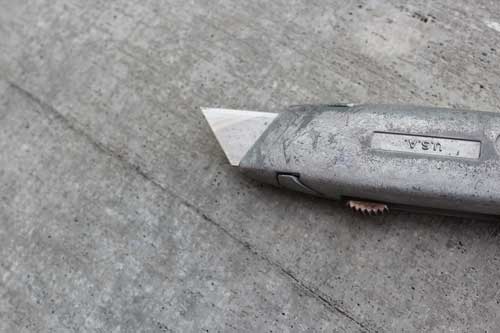
A utility knife is a simple yet effective tool for scoring cement board. Use it to make straight cuts by scoring the board deeply enough so that you can snap it along the scored line. This method is great for those who prefer a dust-free option, as it minimizes the debris typically created by other cutting tools.Jigsaw
A jigsaw equipped with a carbide-grit blade offers precision for curved cuts. This tool is particularly useful when you need to cut out sections for pipes or fixtures. While it might produce more dust, its versatility in handling intricate shapes makes it a valuable tool for detailed work.Circular Saw
For straight, long cuts, a circular saw is your best bet. Use a diamond blade to effectively slice through the cement board. Remember to wear a mask and goggles, as this method generates a significant amount of dust, which can be harmful if inhaled.Angle Grinder
An angle grinder with a diamond blade is perfect for small, precise cuts. It’s especially useful for trimming edges or making minor adjustments. The compact size allows for greater control, but always ensure you’re following safety precautions to avoid accidents.Score And Snap Method
The score and snap method is a low-tech option that doesn’t require power tools. Simply score the board with a utility knife and apply pressure to snap it along the line. This method is efficient for quick, straight cuts without needing to set up power tools. Do you have a favorite tool for cutting cement board? Or perhaps a handy tip to share? Engaging in a project with the right tools not only enhances the outcome but also makes the process enjoyable. As you choose your tools, consider the specific needs of your project and your comfort level with each tool.
Credit: www.wikihow.com
Safety Precautions
Cutting cement board requires careful safety measures. Use protective gear like goggles and a dust mask to shield yourself from debris. Ensure your workspace is well-ventilated and clear of hazards for optimal safety.
Cutting cement board might seem straightforward, but ignoring safety precautions can lead to serious injuries. Handling power tools, dust exposure, and sharp edges requires careful attention. Ensuring your safety isn’t just about wearing gear; it’s about creating a safe environment.Wear Protective Gear
Always wear safety goggles to protect your eyes from flying debris. Cement board dust can irritate your eyes and skin. Use a dust mask or respirator to avoid inhaling harmful particles. Gloves are essential for protecting your hands from sharp edges and potential cuts.Secure Your Work Area
Make sure your workspace is stable and free from clutter. Use clamps to secure the board, preventing movement during cutting. A stable work surface reduces the risk of accidents and ensures a clean cut. Is your workspace adequately lit? Good lighting helps you see every detail and avoid mistakes.Use The Right Tools
Choose tools designed for cutting cement board, like carbide-tipped blades. Using inappropriate tools can cause damage to the board and increase the risk of injury. Double-check your tools before use to ensure they are in good condition and functioning properly.Manage Dust
Cement board cutting generates a lot of dust. This dust can be harmful if inhaled. Consider using a vacuum attachment on your saw to minimize dust spread. Can you open windows or doors to ventilate your workspace? Proper ventilation is crucial for keeping the air clean.Handle With Care
When moving cement boards, lift them properly to avoid strain. They are heavy and can be awkward to carry. Use a dolly or get help if needed. Are you aware of your surroundings? Make sure pathways are clear to prevent tripping hazards.Stay Focused
Cutting cement board requires concentration. Avoid distractions like loud music or phone calls while working. Maintaining focus reduces the risk of mistakes and accidents. Have you set aside enough time for the task? Rushing can lead to errors and injuries. Safety is more than just a checklist. It’s about creating habits that ensure your wellbeing. Have you considered all aspects of safety before cutting cement board? Prioritizing safety transforms your DIY projects into enjoyable and successful experiences.Measuring And Marking Techniques
Cement board cutting requires precision to ensure a smooth finish. Measuring and marking techniques play a crucial role in this process. Accurate measurements prevent errors and material wastage. Let’s dive into some essential techniques.
Using A Tape Measure
A tape measure is a must-have tool for accuracy. Place the tape measure on the board’s edge. Pull it across to the desired length. Ensure the tape is straight and taut for exact measurements.
Marking With A Pencil
A pencil is ideal for marking cuts. It leaves clear lines that are easy to follow. Use a carpenter’s pencil for thicker, visible lines. Draw lightly to avoid permanent marks on the board.
Creating A Straight Line
Use a straightedge or ruler to connect marks. Align the straightedge with your pencil marks. This ensures a precise line for cutting. Double-check alignment before drawing the line.
Rechecking Measurements
Always measure twice to confirm accuracy. Recheck your marks and lines before cutting. This step can prevent costly mistakes. Accuracy ensures a cleaner, professional finish.
Using A Square For Right Angles
A square tool is essential for right angles. Place it at the board’s corner. Ensure the square is flush with the edges. Mark along the square to maintain accurate angles.
Planning For Cutouts
Plan your cutouts with care. Measure their width and height precisely. Mark the outline with a pencil for guidance. Accurate planning avoids unnecessary material loss.
Straight Cuts
Cutting cement board can seem daunting. Yet, with the right tools, straight cuts become simple. Whether you’re installing backer board or crafting a countertop, precise cuts are essential. This guide will walk you through effective methods for achieving straight cuts on cement board.
Scoring And Snapping Method
The scoring and snapping method works well for thin cement boards. Start by marking the cut line with a pencil. Use a straightedge to guide your scoring tool. Score the surface of the board firmly. Make multiple passes for a deeper score. Once scored, place the board on a flat surface. Align the score line with the edge of your workbench. Apply downward pressure on the edge of the board. It should snap cleanly along the scored line. This method is dust-free and quiet.
Using A Circular Saw
A circular saw is ideal for thicker cement boards. Equip your saw with a carbide-tipped blade. Mark your cut line clearly on the board. Position the board on sawhorses for stability. Wear safety goggles and a dust mask. Cement board cutting produces dust. Start the saw and guide it along the marked line. Maintain a steady speed for a smooth cut. Let the blade do the work without forcing it. This method offers precise and quick cuts.
Curved Cuts
Cutting cement board in a curve requires precision and the right tools. A jigsaw with a carbide blade works well for curved cuts. Ensure safety by wearing goggles and a mask.
Cutting cement board can be a straightforward task until you encounter the challenge of curved cuts. These curves might seem daunting, but with the right approach, you can achieve smooth, precise results. Whether you’re working on a bathroom remodel or a creative DIY project, understanding how to make curved cuts in cement board can open new possibilities for your design. Imagine creating a perfect arch or a rounded edge to fit your unique space. Let’s dive into some practical methods and tools that can help you master this skill.Using A Jigsaw
A jigsaw is a versatile tool that can handle curves with ease. Its thin, flexible blade allows you to follow the lines smoothly. When using a jigsaw, start by marking your curve on the cement board. Ensure your line is clear and accurate. A pencil or chalk can work well for this. Choose a carbide-tipped blade suitable for cement board. This type of blade will prevent wear and give you a clean cut. Secure the board firmly on a stable surface to prevent movement. As you cut, guide the jigsaw slowly along the curve, letting the blade do the work. Remember to wear protective gear. Cement dust can be harmful, so goggles and a mask are essential.Alternative Tools For Curves
While a jigsaw is a popular choice, other tools can also make curved cuts in cement board effectively. A rotary tool with a diamond wheel attachment is one option. It’s particularly useful for tight curves and intricate designs. You might also consider using a handsaw with a fine-tooth blade. It requires more manual effort but can be precise for small cuts. A multi-tool equipped with a carbide blade can offer flexibility and control. It’s great for irregular shapes and tight spaces. Think about what tools you already have. Can you adapt them for curved cuts? Experimenting with different tools can be fun and rewarding. You might discover a method that suits your style perfectly. Curves can add a dynamic element to your project. Are you ready to transform your cement board with these techniques?:max_bytes(150000):strip_icc()/SPR-cut-cement-backer-board-5071220-hero_53617-5a601f27358d42719620707495c69db0.jpg)
Credit: www.thespruce.com
Cutting Small Openings
Cutting cement board involves scoring the surface with a utility knife. Snap the board along the scored line. Use a saw or drill for small openings. Wear a mask to avoid inhaling dust.
Cutting small openings in cement board can seem challenging. Yet, with the right tools, it becomes manageable. Precision is key for achieving clean, accurate cuts. These small openings are often needed for outlets, switches, or pipes. Proper methods ensure the cement board remains strong and intact. Below, explore effective techniques for cutting small openings.Drilling Pilot Holes
Drilling pilot holes helps guide your saw. Begin by marking the area you need to cut. Use a pencil for clear, visible lines. Select a drill bit slightly larger than your saw blade. This creates space for the saw to move freely. Position the drill at one corner of your marked area. Drill straight through the cement board. Repeat this at each corner for best results.Using A Keyhole Saw
A keyhole saw is ideal for small openings. Its narrow blade fits into tight spots easily. Insert the saw blade into a pilot hole. Use steady, gentle strokes to cut along your marked lines. Maintain a firm grip on the saw handle. This ensures control and accuracy. Follow your outline carefully for a clean cut. Cutting small openings requires patience and precision. With these methods, you can achieve professional results.Finishing Edges
Cutting cement board is just the first step in your project. Finishing the edges is crucial for a smooth and professional look. Properly finished edges prevent damage and enhance durability. Let’s dive into two key techniques.
Sanding Techniques
Sanding smooths out rough edges and sharp corners. Begin with coarse sandpaper to remove large burrs. Progress to finer grit for a smooth finish. Use gentle pressure to avoid damaging the board. Always wear a dust mask to protect your lungs.
Sealing Edges
Sealing edges prevents moisture penetration. Use a high-quality sealant suitable for cement board. Apply the sealant evenly along the edges. Allow it to dry completely before proceeding. Sealed edges extend the life of your installation.
Credit: blog.mosaicartsupply.com
Common Mistakes To Avoid
Cutting cement board can be tricky if you’re not careful. Avoid using the wrong tools and improper measurements. Ensure you wear protective gear to prevent injuries.
Cutting cement board is a crucial skill in many home improvement projects. But even seasoned DIYers can make mistakes that lead to wasted materials and frustration. Knowing these common pitfalls can save you time and money, ensuring your project runs smoothly.1. Using The Wrong Tools
Using the wrong tools is a frequent mistake. You might think any saw will do, but cement board requires specific blades. Opt for carbide-tipped blades or diamond blades to ensure a clean cut. Using inappropriate tools not only damages the board but can also be dangerous.2. Ignoring Safety Precautions
Safety is paramount, yet often overlooked. Cement board creates a lot of dust, which can be harmful if inhaled. Always wear a mask and safety goggles. If you’ve ever experienced irritation from dust, you know how uncomfortable it can be. Protecting yourself is non-negotiable.3. Skipping Measurement Checks
Accuracy in measurement is key. It’s easy to rush through, especially if you’re eager to see results. Double-check your measurements before cutting. A slight error can lead to a piece that doesn’t fit, wasting both time and material. Consider if you’d rather spend a few extra minutes measuring, or hours redoing a cut.4. Overlooking Edge Treatment
Edges matter more than you might think. Sharp or uneven edges can cause injury or affect the fit of adjacent pieces. Smooth the edges with sandpaper or a rasp. This simple step can prevent injury and improve the overall finish of your project.5. Failing To Support The Board Properly
Improper support during cutting can lead to breakage. Always ensure the board is fully supported on both sides. Without proper support, the board can crack under its own weight, leading to waste. Imagine the frustration of re-cutting simply because of inadequate support. Avoiding these mistakes can transform your cement board cutting experience from a chore into a seamless process. What’s the most surprising challenge you’ve faced in a DIY project? Share your insights below!Frequently Asked Questions
What Is The Best Tool To Cut Cement Board With?
A carbide-tipped scoring knife is ideal for straight cuts on cement board. For curves, use a jigsaw with a carbide blade. A circular saw with a carbide blade works well for larger projects. Always wear safety gear to protect yourself from dust.
Can You Cut Cement Board With A Utility Knife?
Yes, you can score and snap cement board with a utility knife. Use a straightedge for clean cuts.
Can You Cut Cement Board Like Drywall?
Cement board requires different tools than drywall for cutting. Use a carbide-tipped scoring tool or a circular saw. Score and snap method works for straight cuts. Ensure proper ventilation due to dust. Cement board is more durable but harder to cut than drywall.
Always wear protective gear during the process.
Which Side Of Cement Board Goes Up?
The rough side of the cement board should face up. This side provides better adhesion for tiles or other materials. Always ensure proper installation to prevent future issues. Follow manufacturer guidelines for best results.
Conclusion
Cutting cement board requires patience and the right tools. Practice makes perfect. Always wear safety gear to protect yourself. Measure twice, cut once. Use a utility knife for straight cuts. A jigsaw or circular saw works for curves. Sand edges for a smooth finish.
Clean the area after cutting to prevent dust buildup. Following these steps ensures a successful project. Cement board is strong and versatile. Perfect for bathrooms and kitchens. It’s worth mastering the technique. Start small, improve your skills, and enjoy the results.
Properly cut cement board enhances durability and looks great in your home projects.

Hi, I’m Daniel Brooks—a food lover and kitchen gear enthusiast. I enjoy testing cookware, utensils, and gadgets to see what really works in everyday cooking. At PlugChef.com, I share honest reviews, comparisons, and simple guides to help you choose the best tools for a safer, smarter, and more enjoyable kitchen.
Related posts:
 What Type of Cooking Utensils are Safe: Expert Picks
 What Innovations Could Blenders Make: Unleashing Future Tech
 Smart Strategies to Organize a Small Kitchen: Maximize Space
 How to Organize a Kitchen Cabinet: Expert Tips & Tricks
 How to Organize Kitchen Drawers: Expert Tips and Tricks
 How to Organize a Corner Kitchen Cupboard: Expert Tips