

Imagine preparing a delicious meal in your kitchen, surrounded by the aroma of fresh herbs and sizzling spices. Among your trusty kitchen companions is the bamboo cutting board, a silent warrior in your culinary adventures.
But have you ever paused to think about how you care for this unsung hero? You might not realize it, but the way you care for your bamboo cutting board can make all the difference in its longevity and performance.
Neglect can turn your sturdy board into a breeding ground for bacteria, while proper care can keep it pristine and hygienic. So, how do you ensure your bamboo cutting board stays in top shape, ready to support your culinary creations? By understanding the simple yet crucial steps in maintaining your bamboo cutting board, you not only preserve its beauty but also protect your health and enhance your cooking experience. Dive into the secrets of bamboo care, and discover how easy it is to keep your kitchen ally performing at its best. Let’s explore the essential techniques that will transform your approach to bamboo cutting board care, ensuring it remains a reliable part of your culinary toolkit for years to come.
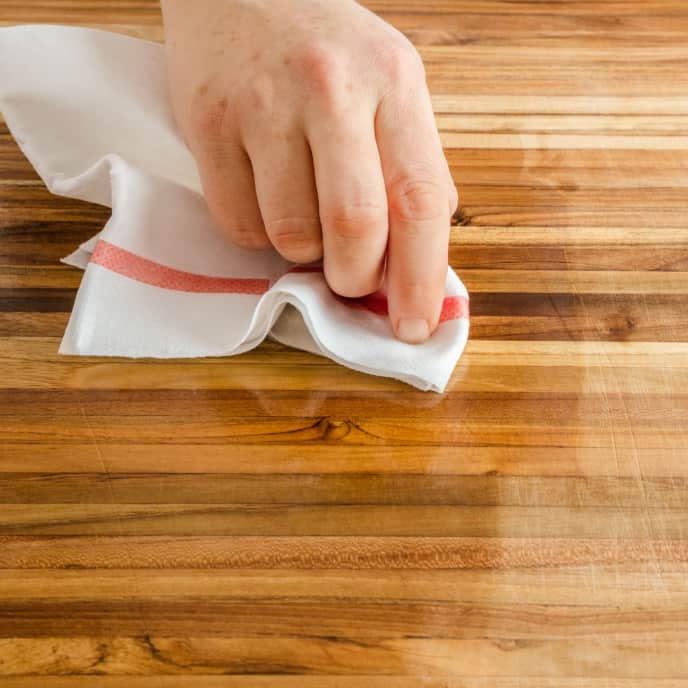
Credit: www.americastestkitchen.com
Choosing The Right Bamboo Cutting Board
Maintain the beauty of your bamboo cutting board with proper care. Wash it with mild soap and warm water. Dry thoroughly to prevent warping. Occasionally, apply mineral oil to keep the bamboo in top condition. Avoid soaking or using the dishwasher to ensure longevity.
Choosing the right bamboo cutting board is essential for both the longevity of the board and the quality of your cooking experience. Bamboo is a popular choice because it’s eco-friendly and durable, but not all bamboo cutting boards are created equal. It’s important to consider specific factors to ensure you select a board that meets your needs and stands the test of time.Quality And Construction
Look for a cutting board made from high-quality, mature bamboo. These boards are typically more durable and less prone to cracking. Check for tight, end-grain construction which is not only aesthetically pleasing but also provides a smoother surface for cutting.Size And Thickness
Consider the size of the cutting board in relation to your kitchen space and cooking habits. A larger board offers more room for chopping, but it may be cumbersome in a small kitchen. Thickness is crucial too; thicker boards are generally more stable and less likely to warp.Features And Design
Some bamboo cutting boards come with additional features such as juice grooves or non-slip edges. These can enhance your cooking experience by preventing spills and providing stability. Choose a design that complements your kitchen décor while serving practical purposes.Maintenance Requirements
Understanding the care instructions for different bamboo boards is vital. Some require regular oiling to maintain their condition, while others are more low-maintenance. Consider how much time you are willing to invest in upkeep to keep your board in top shape.Budget Considerations
Bamboo cutting boards come in a range of prices. While it’s tempting to go for the cheapest option, investing a bit more can often lead to a longer-lasting product. Weigh your budget against the board’s features and durability to make a wise choice. Choosing a bamboo cutting board is a personal decision that should reflect your cooking style and kitchen needs. Have you ever bought a kitchen tool that didn’t quite fit your lifestyle? Taking the time to select the right cutting board can prevent similar disappointments and enhance your culinary adventures.Initial Preparation Steps
Start by washing the bamboo cutting board with warm, soapy water to remove any residues. Dry it thoroughly with a clean towel to prevent moisture damage. Apply mineral oil to the surface, ensuring even coverage, which helps maintain its longevity and appearance.
When you first bring home a bamboo cutting board, it’s not just a kitchen tool; it’s a commitment to better cooking practices. Bamboo is a renewable resource and a popular choice for its durability and natural beauty. But before you start chopping, it’s crucial to prepare your cutting board to ensure it lasts and performs well. This initial preparation is the foundation for longevity and hygiene.Seasoning With Mineral Oil
Seasoning your bamboo cutting board with mineral oil is an essential step. It helps to protect the board from moisture and prevents it from cracking. Just like you would season a cast iron skillet, your cutting board needs attention. Pour a small amount of food-grade mineral oil onto the board. Spread it evenly using a clean cloth or paper towel. The oil should penetrate the surface, giving it a rich, glossy finish. Repeat this process once a month to maintain its integrity.Proper Cleaning Before First Use
Proper cleaning before first use is vital to eliminate any residue or dust from manufacturing. Cleaning ensures the surface is sanitary before coming into contact with your food. Start by rinsing the board under warm water. Use a mild dish soap to scrub all areas gently. Avoid soaking the board in water as it can warp. Once cleaned, dry it thoroughly with a towel. This not only preps your board but also sets the stage for regular maintenance. Taking these steps might seem time-consuming, but they pay off in the long run. How do you care for your kitchen tools to ensure they serve you well for years? Your attention to these details reflects your care for the food you prepare.Daily Cleaning Routine
Bamboo cutting boards are a kitchen staple. Maintaining their condition requires regular care. A daily cleaning routine is essential. It keeps your bamboo board clean and long-lasting. Follow these simple steps to ensure your board remains in top shape.
Hand Washing Techniques
Start by rinsing the board with warm water. Use a mild soap and a soft sponge. Gently scrub all surfaces of the board. Focus on areas with food residue. Rinse thoroughly to remove soap. Dry immediately with a clean towel. Avoid leaving the board wet. Moisture can damage bamboo.
Avoiding Dishwasher Damage
Never place bamboo boards in a dishwasher. High heat and strong detergents can harm them. The board may warp or crack under intense conditions. Always opt for hand washing. It preserves the board’s natural beauty. Keep your bamboo cutting board safe from dishwasher damage.

Credit: www.innoteck.co.uk
Deep Cleaning Methods
Regularly rinse bamboo cutting boards with warm water. Dry immediately to prevent warping. Apply mineral oil monthly for deep care.
Caring for your bamboo cutting board ensures its longevity and keeps it free from harmful bacteria. While regular cleaning is essential, sometimes your board needs a deeper clean to tackle stubborn stains and lingering odors. Let’s dive into some effective deep cleaning methods that will leave your bamboo cutting board looking and smelling fresh.Using Vinegar And Baking Soda
Vinegar and baking soda are powerful natural cleaners that are gentle on bamboo. Start by sprinkling a generous amount of baking soda on your board. Then, pour white vinegar over the baking soda. The fizzing reaction helps lift stubborn residue. Gently scrub the board with a soft-bristled brush, focusing on areas with visible stains. Rinse thoroughly with warm water and pat dry with a clean towel. This method not only cleans but also disinfects your board.Removing Stains And Odors
Bamboo is beautiful, but it can absorb odors and stains over time. For tough stains, create a paste using baking soda and water. Apply the paste to the stained area, let it sit for a few minutes, and then scrub gently. To tackle odors, rub the board with half a lemon. The natural acidity helps neutralize smells, leaving your board fresh. Rinse with warm water and dry immediately to prevent water absorption. Does your board still have a lingering smell despite these efforts? Consider leaving it in a well-ventilated area to air out naturally. Regular deep cleaning helps maintain your board’s pristine condition, making every chop and slice a pleasure.Regular Maintenance Tips
Bamboo cutting boards require regular care to maintain their quality. Wash with mild soap and warm water after each use. Dry thoroughly to prevent warping and cracking. Occasionally apply mineral oil to keep the bamboo hydrated and preserve its natural beauty.
Avoid soaking or using harsh chemicals to ensure longevity.
Regular maintenance is key to keeping your bamboo cutting board in top condition. Bamboo is a popular choice for its durability and eco-friendliness, but it requires a little TLC. The right care can extend its lifespan and keep it looking fresh. Let’s dive into some essential tips to ensure your cutting board remains a trusty kitchen companion.Reapplying Mineral Oil
A bamboo cutting board can dry out over time. Regularly applying mineral oil helps maintain its moisture. This simple task prevents the wood from becoming brittle. You might wonder how often you should do this. Typically, once a month is ideal for most boards. Simply pour a small amount of mineral oil on the surface and rub it in with a soft cloth. This routine keeps your board hydrated and shiny.Preventing Cracks And Warping
Cracks and warping are common issues with neglected boards. To prevent these, avoid soaking your bamboo board in water. Instead, wash it quickly with mild soap and warm water. Then, dry it immediately with a towel. Think about the last time you left a wooden utensil in the sink. Did it warp? Bamboo is resilient but still vulnerable to prolonged moisture. Consider storing your board upright. This allows air to circulate around it, reducing moisture retention. If you notice slight warping, try placing a heavy object on the board overnight. This can help flatten it back out. Maintaining your bamboo cutting board doesn’t have to be complicated. By incorporating these regular maintenance tips into your routine, you can enjoy a beautiful and functional kitchen tool for years to come. What other kitchen items could benefit from similar care?Storing Bamboo Cutting Boards
Proper storage of bamboo cutting boards keeps them in good shape. It helps maintain their longevity and functionality. Storing them correctly can prevent warping and other damage. Here are some tips for storing your bamboo cutting boards.
Proper Air Circulation
Air circulation is crucial for bamboo cutting boards. Do not store them in closed spaces. Use a rack or stand that allows air to flow around them. This prevents moisture build-up, which can cause warping. Always let the board dry completely before storing.
Avoiding Humid Environments
Humidity can damage bamboo cutting boards. Store them in a dry place. Avoid keeping them near a sink or dishwasher. These areas are often humid. If your kitchen is humid, consider using a dehumidifier. This keeps the boards dry and free from moisture-related damage.
Extending The Lifespan
Bamboo cutting boards are a kitchen staple. They are durable and eco-friendly. Proper care can extend their lifespan significantly. Simple habits can keep your bamboo board in top shape. Let’s explore some easy methods to make your board last longer.
Rotating Boards
Rotate your cutting boards regularly. This simple step can prevent uneven wear. Use different boards for various tasks. This reduces pressure on a single board. Your boards will last longer with even usage.
Using Both Sides
Don’t forget to use both sides of your bamboo board. This practice doubles the lifespan of the board. Flip the board after each use. This ensures even wear on both surfaces. It also helps prevent warping and cracking. A simple flip can make a big difference.
Common Mistakes To Avoid
Keep your bamboo cutting board away from the dishwasher to avoid warping. Dry it completely after washing to prevent mold. Avoid using harsh chemicals; instead, clean with mild soap and water. Regularly oil the board with mineral oil to maintain its smooth surface.
Caring for your bamboo cutting board is crucial to ensure its longevity and maintain its pristine condition. However, many people unknowingly make mistakes that can damage these kitchen essentials. These mistakes are often simple habits that can be easily changed for better results. Let’s dive into some common errors to watch out for.Ignoring Maintenance
A bamboo cutting board requires regular attention. You may be tempted to skip cleaning it after use, especially when you’re in a hurry. This negligence can lead to stains and unpleasant odors. Think about the last time you rushed through cleaning and noticed a lingering smell the next day. It’s essential to wash your board thoroughly with warm water and mild soap after each use. Drying is just as important. Leaving it damp can cause warping over time. What steps can you take to ensure your board stays dry? Try standing it on its side or placing it in a well-ventilated area. These small acts can make a significant difference.Using Harsh Chemicals
You might think using strong chemicals will keep your cutting board clean and germ-free. Unfortunately, these can be too aggressive for bamboo. They strip away the natural oils, leaving the board dull and vulnerable to cracks. Have you ever noticed your board looking dry and brittle? Opt for natural cleaning solutions like vinegar or lemon juice mixed with water. These are effective and gentle on bamboo. Regularly applying mineral oil can also rejuvenate your board. Keep it simple and natural, and your bamboo cutting board will thank you. Avoiding these common mistakes can enhance the life of your bamboo cutting board. Have you been making any of these errors unknowingly? Adopting these easy habits can transform your kitchen routine and keep your board in top condition.
Credit: totallybamboo.com
Frequently Asked Questions
Do I Need To Oil A Bamboo Cutting Board?
Yes, oiling a bamboo cutting board is essential. It prevents drying and cracking. Use food-grade mineral oil. Apply monthly for best results. This maintenance ensures your board remains durable and hygienic. Regular oiling enhances its natural beauty and lifespan. Keep your bamboo board in top condition with proper care.
How Do I Maintain A Bamboo Cutting Board?
Clean with warm soapy water immediately after use. Dry it thoroughly to prevent warping. Apply mineral oil monthly to maintain its surface. Avoid soaking in water or placing in a dishwasher. Store in a dry, well-ventilated area to prevent mold growth.
How Sanitary Are Bamboo Cutting Boards?
Bamboo cutting boards are hygienic due to their natural antimicrobial properties. They resist bacteria and germs effectively. Regular cleaning with soap and water ensures safety. Bamboo is dense, reducing moisture absorption and minimizing bacterial growth. Choose bamboo for a clean, eco-friendly kitchen surface.
Can You Use Dish Soap On A Bamboo Cutting Board?
Yes, dish soap is safe for cleaning bamboo cutting boards. Use a gentle dish soap with warm water to wash. Dry thoroughly after cleaning to prevent moisture damage. Regular cleaning keeps your bamboo board hygienic and prolongs its lifespan. Avoid soaking to maintain its quality.
Conclusion
Caring for bamboo cutting boards is essential for longevity. Regular cleaning keeps them fresh and hygienic. Avoid soaking to prevent warping. Gentle scrubbing removes food residue effectively. Use mineral oil to maintain moisture and prevent cracking. Store upright to ensure proper air circulation.
Keep away from heat sources to avoid damage. Bamboo boards are eco-friendly and durable when cared for properly. Follow these steps for a lasting kitchen tool. Simple habits make a big difference in board life. Enjoy your cooking experience with a well-maintained bamboo board.

Hi, I’m Daniel Brooks—a food lover and kitchen gear enthusiast. I enjoy testing cookware, utensils, and gadgets to see what really works in everyday cooking. At PlugChef.com, I share honest reviews, comparisons, and simple guides to help you choose the best tools for a safer, smarter, and more enjoyable kitchen.
Related posts:
 What Type of Cooking Utensils are Safe: Expert Picks
 What Innovations Could Blenders Make: Unleashing Future Tech
 Smart Strategies to Organize a Small Kitchen: Maximize Space
 How to Organize a Kitchen Cabinet: Expert Tips & Tricks
 How to Organize Kitchen Drawers: Expert Tips and Tricks
 How to Organize a Corner Kitchen Cupboard: Expert Tips

