

Have you ever wished you could enjoy fresh apples all year round? Freezing apples is a simple trick that lets you keep their natural flavor and texture intact.
Whether you have a surplus from your garden or found a great deal at the market, knowing how to freeze apples will save you money and reduce waste. In this guide, you’ll discover easy steps to freeze apples perfectly, so you can use them in smoothies, pies, or snacks whenever you want.
Keep reading to unlock the secret to fresh-tasting apples anytime!
Choosing The Right Apples
Choosing the right apples is crucial for freezing because not every variety holds up well in the freezer. Your goal is to pick apples that keep their flavor and texture after thawing. This makes a big difference whether you plan to use them in pies, sauces, or snacks later on.
Best Varieties For Freezing
Some apple varieties freeze better than others. Look for apples that are naturally crisp and tart, as they maintain their shape and flavor after freezing.
- Granny Smith:Their tartness balances out sweetness and they stay firm when frozen.
- Honeycrisp:Known for crisp texture and sweet-tart flavor, they freeze well and taste fresh.
- Fuji:Sweet and dense, Fuji apples hold up nicely in frozen desserts.
- Pink Lady:Their firmness and balanced flavor make them a good choice for freezing.
Choosing the right variety can save you from mushy or flavorless apples after freezing. Have you ever frozen apples only to find they turned soft and bland? Picking the right type helps avoid this common issue.
Selecting Fresh And Firm Apples
Freshness matters as much as variety. Apples that are bruised or overly ripe won’t freeze well because their texture breaks down quickly.
When you shop, select apples that are firm to the touch with smooth skin. Avoid any with soft spots, cuts, or wrinkles, as these flaws worsen in the freezer.
If you’re unsure, press gently near the stem. The apple should feel solid and bounce back slightly. Fresh apples freeze better and taste better once thawed.
Credit: realfood.tesco.com
Preparing Apples For Freezing
Preparing apples for freezing is an important step to keep them fresh and tasty. Proper preparation helps maintain the apple’s texture and flavor. It also prevents discoloration and spoilage. Follow simple steps to get your apples ready for freezing.
Washing And Peeling
Start by washing apples under cold running water. This removes dirt, bacteria, and pesticides. Use a soft brush to clean the skin gently. After washing, peel the apples using a vegetable peeler or a small knife. Peeling removes the tough skin that can become chewy when frozen.
Slicing And Coring
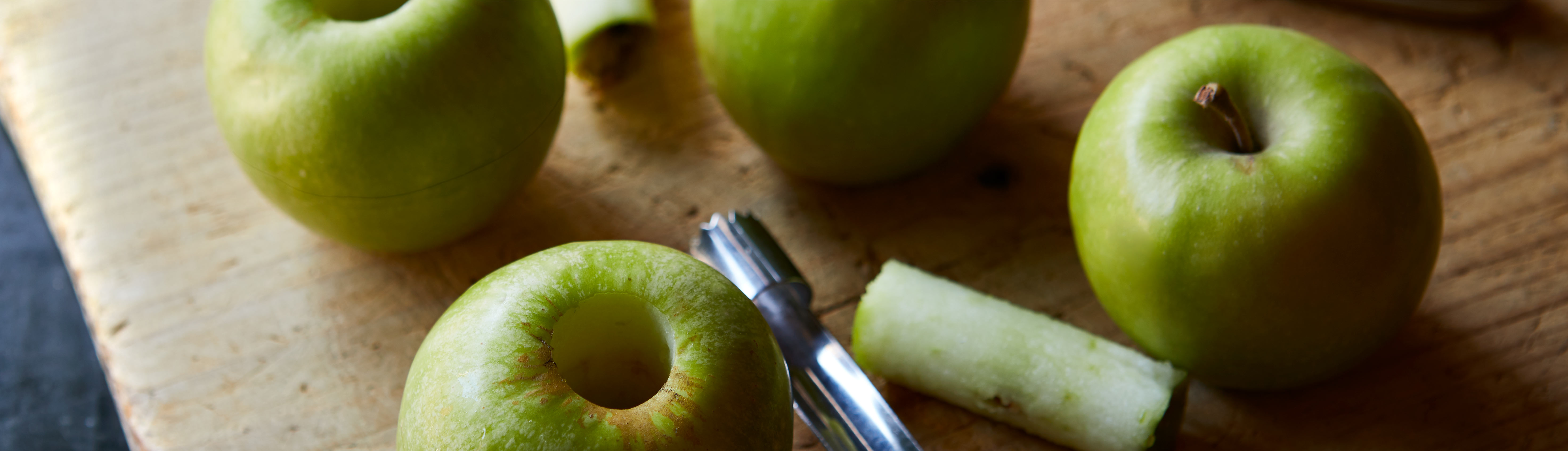
Cut the apples into even slices or chunks. Uniform pieces freeze and thaw better. Remove the core and seeds from each apple piece. Use an apple corer or a knife for this. Smaller pieces are easier to use in recipes later.
Preventing Browning
Apples turn brown quickly when exposed to air. To stop this, soak slices in a lemon juice solution. Mix 1 tablespoon of lemon juice with 1 cup of water. Soak the apple pieces for 3 to 5 minutes. Drain and pat dry with a clean towel before freezing.
Freezing Methods
Slice apples evenly and dip them in lemon water to stop browning. Spread pieces on a tray to freeze before storing in airtight bags. This keeps apples fresh and ready for later use.
Freezing apples is a fantastic way to preserve their freshness, flavor, and nutritional value for months to come. Whether you have a surplus from your apple-picking adventure or simply want to ensure you have this delicious fruit on hand year-round, understanding the various freezing methods can make a big difference. Each technique offers unique advantages, allowing you to choose what best suits your needs. Let’s delve into the different methods you can use to freeze apples effectively.Flash Freezing Technique
Flash freezing is an excellent way to preserve individual apple slices without them sticking together. Start by peeling, coring, and slicing your apples into even pieces. Arrange the slices in a single layer on a baking sheet lined with parchment paper. Place the baking sheet in your freezer for a couple of hours, or until the apple slices are frozen solid. Once they’re frozen, transfer them to a freezer-safe bag or container, ensuring you remove as much air as possible to prevent freezer burn. This method allows you to easily grab a handful of apple slices whenever you need them. Have you ever considered how convenient it would be to have perfectly portioned apple slices ready for smoothies or baking?Using Sugar Or Syrup Packs
Using sugar or syrup packs can help maintain the texture and color of your apples. For a sugar pack, simply sprinkle sugar over apple slices, making sure each piece is evenly coated. This method is great for apple pies or desserts where a little sweetness is desired. If you prefer a syrup pack, dissolve sugar in water to create a syrup. Pour the cooled syrup over the apple slices in a container, ensuring they are fully submerged. Seal the container tightly before placing it in the freezer. This method not only enhances the natural sweetness of the apples but also keeps them juicy. Isn’t it wonderful to have apple slices that taste as fresh as the day you froze them?Freezing Apple Sauce Or Puree
Freezing apple sauce or puree is ideal if you plan to use apples in recipes like cakes or muffins. Cook your apples until they are soft, then blend them into a smooth puree. Once cooled, spoon the puree into freezer-safe containers or ice cube trays. This approach allows you to thaw just the right amount for your needs. Ever thought about the convenience of having apple puree ready for a quick baking session or a homemade baby food option? No matter which method you choose, freezing apples can save time and minimize waste. Which technique will you try first?Packaging And Storage Tips
Proper packaging and storage are key to keeping your frozen apples fresh and tasty. If you skip this step, you might end up with freezer-burned or mushy fruit that’s hard to use. Let’s look at how to pick the best containers, label your bags, and understand how long your apples will stay good in the freezer.
Choosing Freezer-safe Containers
Not all containers work well for freezing apples. You want something airtight to prevent moisture loss and freezer burn. Rigid plastic containers with tight lids or heavy-duty freezer bags are excellent choices.
Glass jars can crack in the freezer, so avoid them unless they are labeled freezer-safe. Also, leave some space at the top of the container because apples expand when frozen. Have you noticed how a poorly sealed bag ruins your fruit? That’s why airtight containers are worth the investment.
Labeling And Dating
Labeling your containers might seem tedious, but it saves you time and guesswork later. Use a permanent marker or freezer tape to add the date and type of apple inside.
Knowing when you froze your apples helps you plan meals and avoid waste. Imagine finding a bag with no label months later—would you eat it or toss it? Clear labels keep you in control of your frozen stash.
Optimal Freezing Duration
Frozen apples stay best for about 8 to 12 months. Beyond that, they might lose flavor and texture. If you plan to use them quickly, a shorter storage time guarantees better quality.
Keep track of your freezing dates and try to use older bags first. Have you ever found frozen fruit that tastes off? That’s usually because it’s been in the freezer too long. Rotate your stock like you would fresh produce to enjoy the best results.
Thawing And Using Frozen Apples
Thawing and using frozen apples correctly helps keep their taste and texture. Proper thawing prevents sogginess and preserves flavor. Knowing how to use frozen apples in cooking saves time and reduces waste.
Best Practices For Thawing
Thaw frozen apples slowly for the best texture. Move them to the refrigerator and leave overnight. This gentle thaw keeps apples firm and ready to use.
For quick thawing, place apples in a sealed bag. Submerge the bag in cold water for about 30 minutes. Avoid using hot water; it can make apples mushy.
Do not refreeze thawed apples. Use them immediately to keep quality high. If using in cooked dishes, they can be added directly without thawing.
Cooking And Baking With Frozen Apples
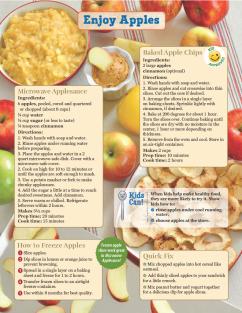
Frozen apples work well in pies, crisps, and sauces. Their texture softens nicely during cooking. No need to thaw before adding to recipes like pies or muffins.
Use frozen apples in smoothies or oatmeal for quick flavor. They blend easily and add natural sweetness. For sauces, cook frozen apples slowly to avoid burning.
Adjust sugar and spices when using frozen apples. They may release more juice than fresh apples. Drain excess liquid if the dish becomes too wet.
Credit: foodhero.org
Troubleshooting Common Issues
Freezing apples can be a fantastic way to keep fresh fruit on hand year-round. However, it’s common to encounter a few hiccups that affect the quality of your frozen apples. Understanding how to troubleshoot these issues will help you enjoy crisp, flavorful apples whenever you need them.
Avoiding Soggy Texture
Soggy apples happen when excess water is trapped during freezing. To keep your apples firm, slice them evenly and pat them dry before freezing. You can also briefly blanch apple slices in boiling water for 1-2 minutes, then immediately cool them in ice water to help preserve texture.
Have you tried freezing apple slices individually on a baking sheet before bagging? This step prevents clumping and allows air to circulate, which keeps them from turning mushy. Another trick is to use a quick sugar or lemon juice soak—it helps lock in moisture and prevents the fruit from breaking down too much.
Preventing Freezer Burn
Freezer burn happens when moisture evaporates from the apples, leaving dry, tough patches. To avoid this, use airtight containers or heavy-duty freezer bags designed to block air. Removing as much air as possible before sealing is key—consider a vacuum sealer if you freeze apples often.
Label your packages with the date and use the oldest apples first. Storing apples at a consistent freezing temperature also reduces the risk of freezer burn. Have you noticed your apples looking dehydrated after a few months? That’s a sign to improve your packaging or adjust your storage time.

Credit: www.acouplecooks.com
Frequently Asked Questions
How Do I Prepare Apples For Freezing?
Wash, peel, and core the apples. Cut them into slices or chunks. Treat with lemon juice or ascorbic acid to prevent browning.
Can I Freeze Apples Without Cooking Them First?
Yes, you can freeze raw apple slices. Blanching or treating with lemon juice helps maintain texture and color before freezing.
How Long Can Frozen Apples Last In The Freezer?
Frozen apples can last up to 12 months. Store them in airtight containers or freezer bags for best quality.
What Is The Best Way To Thaw Frozen Apples?
Thaw apples in the refrigerator overnight. For quicker use, thaw at room temperature for 1-2 hours before cooking or baking.
Conclusion
Freezing apples keeps them fresh for many months. Slice or chop them before freezing for easy use. Blanching helps keep the color and taste nice. Store apples in airtight bags to avoid freezer burn. Frozen apples work great in pies, smoothies, or snacks.
This simple method saves money and reduces waste. Try freezing apples to enjoy their flavor all year. Easy, quick, and effective. Why not start today?

Hi, I’m Daniel Brooks—a food lover and kitchen gear enthusiast. I enjoy testing cookware, utensils, and gadgets to see what really works in everyday cooking. At PlugChef.com, I share honest reviews, comparisons, and simple guides to help you choose the best tools for a safer, smarter, and more enjoyable kitchen.
Related posts:
 What Type of Cooking Utensils are Safe: Expert Picks
 What Innovations Could Blenders Make: Unleashing Future Tech
 Smart Strategies to Organize a Small Kitchen: Maximize Space
 How to Organize a Kitchen Cabinet: Expert Tips & Tricks
 How to Organize Kitchen Drawers: Expert Tips and Tricks
 How to Organize a Corner Kitchen Cupboard: Expert Tips

