
Do you ever find yourself searching for that one elusive spice or rummaging through a pile of mismatched containers in your kitchen cabinets? If so, you’re not alone.
An unorganized kitchen can turn cooking from a joy into a chore. Imagine opening your cabinets to find everything neatly in its place, making meal prep a breeze. You deserve a kitchen that works for you, not against you. This article will unveil the secrets to organizing your kitchen cabinets efficiently and effortlessly.
With these tips, you’ll transform chaos into calm, saving you time and stress. Dive in to discover how to make your kitchen a space where everything has its place, and every meal is a masterpiece.
Choosing The Right Cabinet Layout
Organizing kitchen cabinets effectively enhances functionality and accessibility. Arrange frequently used items at eye level for easy access. Store heavier items on lower shelves to prevent accidents.
Choosing the right cabinet layout is key to creating a functional and pleasant kitchen experience. A well-organized kitchen not only looks good but also makes cooking and cleaning a breeze. By carefully planning your cabinet layout, you can make the most of your kitchen space and ensure everything you need is within easy reach.Assessing Kitchen Space
Begin by evaluating your kitchen’s dimensions and layout. Measure your walls, floors, and ceiling heights to understand the boundaries you’re working with. It’s crucial to note any architectural features like windows or doors that might affect cabinet placement. Think about your daily kitchen activities. Do you often bake, or are you more of a stovetop chef? This will help determine where to position specific items like pots, pans, or baking sheets. Your kitchen should cater to your cooking style. Consider the work triangle—sink, stove, and refrigerator. Efficient kitchens often follow this layout to minimize movement and maximize convenience. How does your current setup compare?Maximizing Accessibility
Prioritize easy access to your most-used items. Store frequently used kitchen tools, like spatulas or ladles, in lower cabinets or drawers. Items you rarely use can be placed in higher or less accessible areas. Think about your flow when cooking. Do you often find yourself reaching for a spice while stirring a pot? Ensure spices and condiments are stored near the stove for seamless cooking. Consider using pull-out shelves or lazy Susans. These are excellent for utilizing deep cabinet spaces and keeping items like condiments or pots organized. They allow you to see all your items at once without having to dig through clutter. When organizing kitchen cabinets, the goal is to create a space that feels personal and efficient. Reflect on how you use your kitchen, and make choices that simplify your cooking process. What small changes can you make today for a smoother kitchen experience tomorrow?Selecting Storage Solutions
Maximize kitchen cabinet space with smart storage solutions. Organize shelves by grouping items like pots, pans, and utensils. Use stackable containers for dry goods to make everything easy to find.
Selecting the right storage solutions for your kitchen cabinets is essential. It helps keep your kitchen organized and efficient. With the right storage solutions, you can maximize space. This makes cooking easier and more enjoyable. Explore different ways to optimize your kitchen storage.Utilizing Shelves And Drawers
Shelves and drawers are basic yet effective storage solutions. Adjustable shelves offer flexibility for different items. You can store larger pots and pans easily. Drawers are perfect for utensils, plates, and smaller items. Consider drawer dividers for better organization. Keep frequently used items within easy reach. This saves time and reduces clutter.Incorporating Pull-outs And Lazy Susans
Pull-outs and Lazy Susans enhance accessibility in cabinets. Pull-outs allow you to reach items at the back with ease. They are ideal for pantries and lower cabinets. Lazy Susans are great for corner cabinets. They rotate to bring items within easy reach. These solutions prevent items from getting lost in deep cabinets. They make use of every inch of available space.Categorizing Kitchen Items
Organizing kitchen cabinets can transform cooking into a breeze. A neat kitchen saves time and reduces stress. Categorizing kitchen items is the first step. It makes finding things easier and cooking more fun.
Grouping Similar Items
Start by grouping similar items together. Keep all baking supplies in one place. Put spices in a separate section. Store pots and pans in another area. Grouping helps you remember where things are. It also makes the kitchen look tidy.
Designating Zones
Designate specific zones for different kitchen activities. Create a cooking zone near the stove. Keep utensils and pots handy in this area. Set up a baking zone with easy access to flour and sugar. Place cleaning supplies under the sink. Zones help streamline tasks and save time.
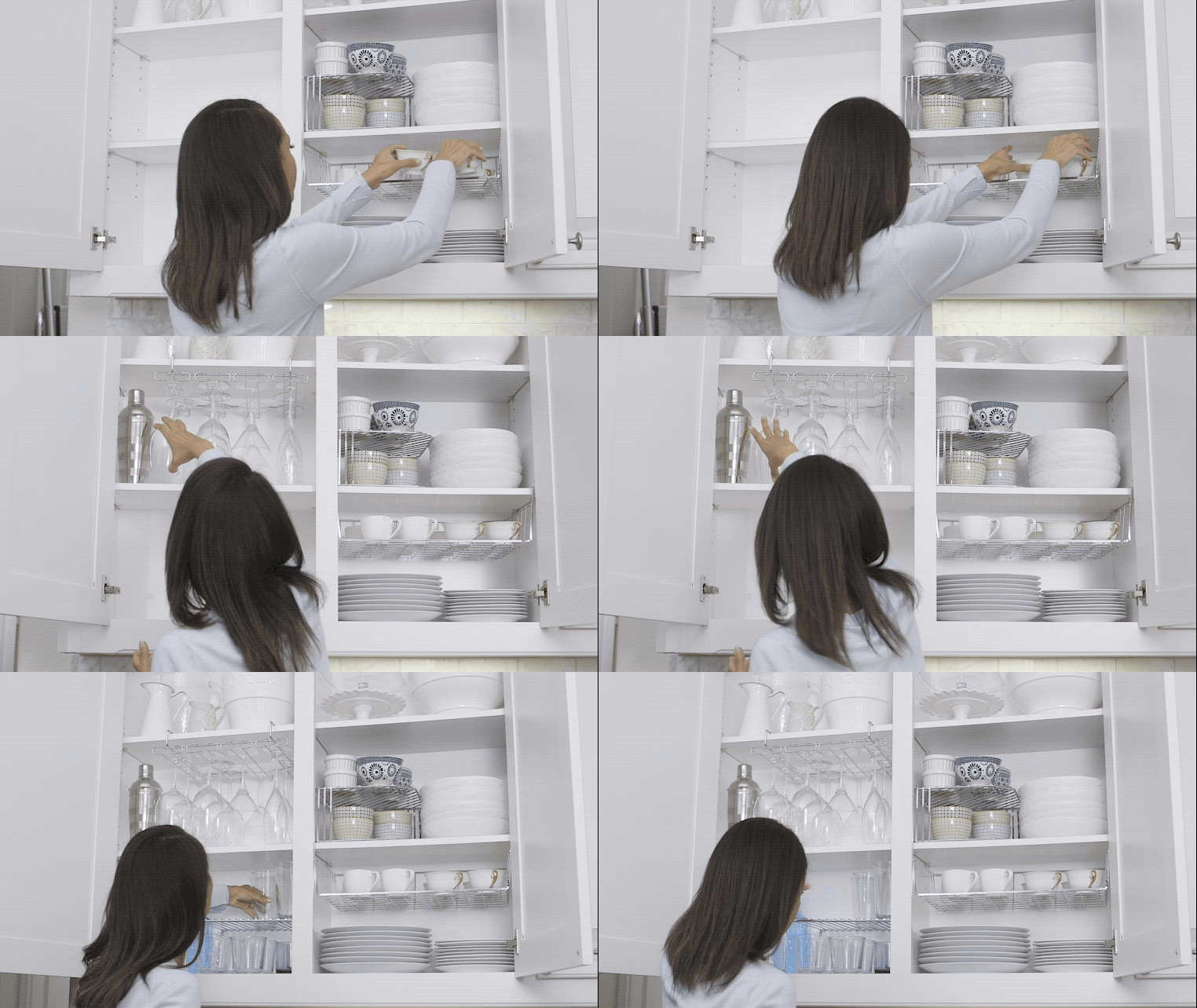
Credit: www.containerstore.com
Optimizing For Daily Use
Organizing kitchen cabinets for daily use improves cooking efficiency. This approach reduces time spent searching for utensils and ingredients. A well-organized kitchen streamlines meal preparation and enhances convenience. Learn how to place items strategically in your cabinets.
Placing Frequently Used Items
Keep essential cookware and utensils within easy reach. Place pots and pans near the stove. Store cooking spoons and spatulas in a nearby drawer. Keep cutting boards and knives close to the prep area. Arrange items used daily at the front of shelves. This saves time and effort.
Use open shelves for items you use often. It makes them easy to grab. Keep mugs and glasses near the sink. Store plates and bowls where you serve meals. This layout improves accessibility.
Adjusting For Convenience
Adjust shelves to fit your needs. Customize height to store different items. Make sure you can reach everything easily. Use pull-out trays for deeper cabinets. They bring items to you without bending.
Organize spices and condiments by type. Place them near the cooking area. Use tiered racks to see all options at once. This reduces time spent searching for flavors. Use baskets to group similar items. They create a tidy look and help maintain order.
Maintaining Organization
Maintaining organization in kitchen cabinets requires consistent effort. It is crucial to develop habits that promote tidiness. An organized kitchen enhances efficiency and makes daily tasks smoother. With a few strategies, keeping your cabinets tidy becomes easy.
Regular Decluttering
Regular decluttering prevents cabinets from becoming cluttered. Allocate time every month to check for expired items. Remove anything not used in the last year. Donate items that are still good. This habit keeps your kitchen streamlined and neat.
Implementing Labeling Systems
Implementing labeling systems brings clarity and order to your kitchen. Use labels to categorize items like spices, grains, or snacks. Clear labels ensure everyone can find what they need quickly. Consider using uniform containers for a cohesive look. This approach saves time and reduces stress.
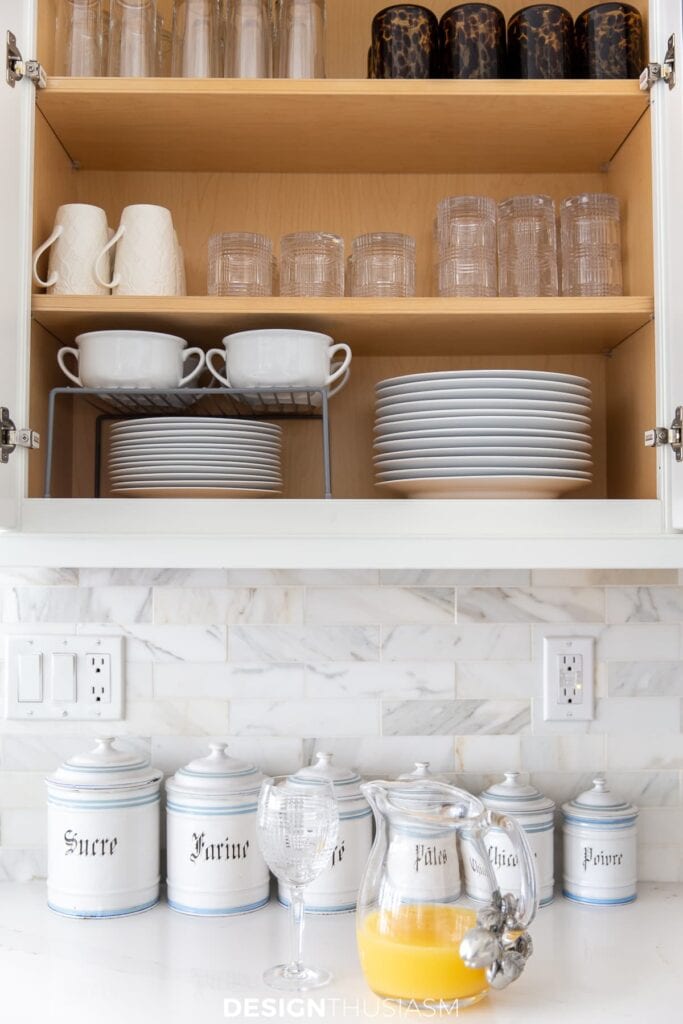
Credit: www.runtoradiance.com
Personalizing Cabinet Space
Organizing your kitchen cabinets isn’t just about tidiness; it’s about making your space work for you. Personalizing cabinet space allows you to tailor your kitchen to your unique needs and style. By adding your own touch, you can transform a functional kitchen into a space that feels truly yours.
Adding Decorative Touches
You don’t have to settle for plain and boring cabinets. Add a splash of personality with decorative touches. Use decorative knobs and handles to give your cabinets a fresh look. Consider using patterned shelf liners. These can add a pop of color and protect your shelves at the same time. You might even display a few small pieces of art or decorative plates inside open cabinets. This not only showcases your personality but also makes the space inviting.
Customizing For Lifestyle Needs
Your kitchen should fit your lifestyle, not the other way around. Think about how you use your kitchen daily. Do you love baking? Install pull-out trays for easy access to baking sheets and mixers. If you’re a coffee enthusiast, dedicate a cabinet to your coffee essentials. This might include mugs, filters, and your favorite beans. Consider adjustable shelves if your needs change often. They allow you to rearrange the space as needed, ensuring your kitchen adapts with you.
Have you ever found yourself frustrated because you can’t find what you need? Personalizing your cabinet space can solve this. It ensures everything has its place, making your kitchen a joy to use.
What small changes can you make today to better reflect your style and needs? Your kitchen should be as unique as you are, and with a few thoughtful tweaks, it can be.
:strip_icc()/black-white-kitchen-island-231bb15e-eaca8648a73a46f5a191437468c75bb3.jpg)
Credit: www.bhg.com
Frequently Asked Questions
How Are Kitchen Cabinets Supposed To Be Organized?
Organize kitchen cabinets by grouping similar items together. Keep frequently used items at eye level. Store heavier items on lower shelves. Use dividers for pots and pans. Utilize clear containers for dry goods to enhance visibility and access. Prioritize functionality and ease of access for efficient kitchen use.
What Are The 10 Steps For Organizing Kitchen Cabinets?
1. Empty all cabinets. 2. Clean thoroughly. 3. Group similar items. 4. Use clear containers. 5. Label containers. 6. Utilize vertical space. 7. Arrange frequently-used items accessibly. 8. Store rarely-used items higher. 9. Maintain organization regularly. 10. Optimize cabinet space with racks or dividers.
How Do You Decide Where To Put Things In Kitchen Cabinets?
Organize kitchen cabinets by storing frequently used items within easy reach. Group similar items together for convenience. Place heavier items in lower cabinets for safety. Use vertical space efficiently with shelves or stackable containers. Regularly reassess the arrangement to accommodate changes in cooking habits or needs.
How To Organize Kitchen Cabinets In A New Home?
Group similar items together for easy access. Place frequently used items in lower cabinets. Store heavier items at the bottom. Use organizers or dividers for utensils and cutlery. Label shelves and containers for quick identification.
Conclusion
Organizing kitchen cabinets makes cooking easier. It saves time and reduces stress. Use clear containers and labels for easy access. Group similar items together. Regularly clean and rearrange for a fresh feel. A tidy cabinet helps you find things quickly.
It adds a neat look to your kitchen. Remember, a well-organized space boosts efficiency. Keep your cabinets clutter-free. Enjoy your cooking experience with an organized setup. Your kitchen will feel more welcoming and functional. Small changes can make a big difference.
Embrace the joy of a neat kitchen. Start organizing today.

I’m Abby Lu, a passionate home cook who loves simplifying everyday meals. At PlugChef.com, I share product reviews and cooking guides to help you find the best tools for your kitchen.
Related posts:
 What Type of Cooking Utensils are Safe: Expert Picks
 What Innovations Could Blenders Make: Unleashing Future Tech
 Smart Strategies to Organize a Small Kitchen: Maximize Space
 How to Organize a Kitchen Cabinet: Expert Tips & Tricks
 How to Organize Kitchen Drawers: Expert Tips and Tricks
 How to Organize a Corner Kitchen Cupboard: Expert Tips