
When your horse gets hurt, every second counts. Having the right first aid kit ready can make all the difference between a quick recovery and a serious problem.
But what exactly should be in your horse first aid kit? You might think you need a lot, but the essentials are simple and easy to find. You’ll discover the must-have items that will keep your horse safe and healthy in an emergency.
Keep reading to learn how to build a kit that’s practical, effective, and ready whenever you need it.
Basic Supplies
Having a well-stocked horse first aid kit is essential for any horse owner. Whether you’re dealing with minor scrapes or more serious injuries, basic supplies can make a big difference. By keeping these supplies readily available, you can ensure that you’re prepared for any situation. Let’s dive into the essential items that should be part of your kit.
Bandages And Dressings
Bandages are a cornerstone of any first aid kit. They come in various types, including elastic wraps and gauze pads. Elastic bandages are perfect for securing dressings and providing support to injured areas. Gauze pads can be used to cover wounds and absorb any exudate, keeping the area clean. Remember to include plenty of these in your kit to handle different types of injuries.
Antiseptics And Disinfectants
Antiseptics and disinfectants are crucial for preventing infection. A bottle of antiseptic solution or wipes can quickly clean a wound before bandaging. Disinfectant sprays are handy for surfaces or tools that come in contact with the horse. Keeping these supplies in your kit ensures that you can maintain cleanliness and promote healing effectively.
Tweezers And Scissors
Tweezers and scissors may seem small, but they’re incredibly important. Tweezers can help remove debris or splinters from the horse’s skin. Sharp scissors are essential for cutting bandages or dressings to the right size. Having these tools at your disposal allows for precision and ease when attending to your horse’s injuries.
Have you ever found yourself in a situation where you needed a particular item from your kit, only to realize it wasn’t there? Ensuring your basic supplies are complete and up to date can save you from unnecessary stress. What items do you consider absolutely essential in your horse’s first aid kit?
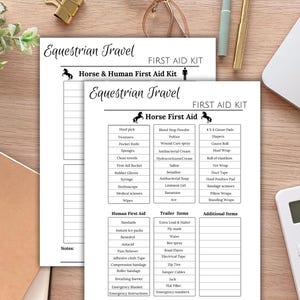
Credit: www.etsy.com
Medications
Having the right medications in your horse first aid kit can make a critical difference when emergencies arise. These medications help manage pain, reduce inflammation, and maintain your horse’s electrolyte balance, which are common issues in equine care. Being prepared with these essentials allows you to act quickly and confidently.
Pain Relievers
Pain relief is one of the most important aspects of immediate horse care. Over-the-counter options like phenylbutazone (bute) or flunixin meglumine are commonly used to ease discomfort from injuries or colic. Always check the correct dosage for your horse’s weight and never exceed recommended limits.
Have you ever noticed your horse acting unusually stiff or reluctant to move? A timely dose of pain reliever can prevent further stress and help you monitor recovery more effectively.
Anti-inflammatory Drugs
Inflammation can worsen injuries and delay healing, so keeping anti-inflammatory drugs handy is crucial. Non-steroidal anti-inflammatory drugs (NSAIDs) like aspirin or meloxicam help reduce swelling and improve comfort. Use these to manage issues like joint pain or soft tissue injuries, but remember they are not painkillers alone—they also target inflammation.
How often do you consider inflammation when treating your horse’s wounds or muscle strains? Addressing it early can save your horse from prolonged discomfort.
Electrolyte Supplements
Electrolytes are vital for your horse’s hydration and muscle function, especially after heavy exercise or heat exposure. Including electrolyte powders or pastes in your kit ensures you can quickly restore balance if your horse shows signs of dehydration or fatigue. Always provide fresh water alongside any supplements to maximize their effectiveness.
Have you ever seen your horse struggle after a long ride on a hot day? Keeping electrolyte supplements ready means you’re prepared to support their recovery instantly.
Wound Care Essentials
Keeping a well-stocked wound care section in your horse first aid kit can make a huge difference during emergencies. Wounds can get infected quickly, so having the right supplies on hand helps you act fast and protect your horse’s health. Let’s look at three essentials you should never miss for wound care.
Sterile Gauze Pads
Sterile gauze pads are crucial for covering wounds and controlling bleeding. They absorb blood and fluids while preventing dirt and bacteria from entering the injury. You’ll want various sizes to handle small cuts or larger scrapes with ease.
I once treated a deep cut on my horse’s leg with gauze pads I had in my kit. The sterile pads stopped the bleeding quickly and kept the wound clean until I could get professional help. Without them, the situation could have gotten worse fast.
Adhesive Tape
Adhesive tape holds gauze pads securely over wounds, even when your horse moves around. Look for tape that sticks well but won’t irritate your horse’s skin when removed. Waterproof tape is a bonus if your horse might get wet.
Have you ever tried wrapping a wound only to have the dressing slip off? Adhesive tape solves that problem and keeps your treatment in place longer. It’s a simple tool that saves you from constant rebandaging.
Saline Solution
Saline solution gently cleans wounds by flushing out dirt and bacteria without harming delicate tissue. It’s safer than using harsh chemicals that can delay healing or cause pain. Keep a sterile bottle handy for quick, effective irrigation.
I remember rinsing a dusty wound on my horse’s flank with saline solution and seeing immediate relief in his discomfort. This simple step can prevent infection and promote faster healing. Do you have saline ready before you need it?

Credit: m.facebook.com
Tools For Handling Injuries
Having the right tools ready can make a huge difference when your horse gets injured. Quick and proper handling of injuries not only reduces pain but also prevents complications. Let’s look at some essential tools you should keep in your horse first aid kit to handle injuries effectively.
Thermometer
A reliable thermometer is crucial for checking your horse’s temperature after an injury. Horses often develop a fever when they’re fighting infection or inflammation. Knowing their temperature helps you decide if veterinary care is needed immediately.
Choose a digital or rectal thermometer designed for large animals. Clean it thoroughly before and after use to avoid spreading bacteria. Have you ever noticed subtle changes in your horse’s behavior that temperature reading confirmed were signs of trouble?
Hoof Pick
A hoof pick is more than just a grooming tool—it’s essential for injury care. Dirt and debris trapped in the hoof can worsen wounds or cause infections. Using a hoof pick, you can gently remove foreign objects and inspect the hoof closely.
Be careful while cleaning to avoid causing pain. Regular use of a hoof pick helps you spot bruises, punctures, or cracks early. Isn’t it amazing how such a simple tool can prevent serious problems?
Latex Gloves
Latex gloves protect both you and your horse when handling wounds. They keep your hands clean and reduce the risk of infection transmission. Wearing gloves also gives you better grip and control when cleaning or dressing injuries.
Always have a box of disposable gloves in your kit and change them between tasks. If you’re sensitive to latex, consider nitrile gloves as an alternative. How often do you think about hygiene when treating your horse’s injuries?
Emergency Equipment
Having the right emergency equipment in your horse first aid kit can make all the difference during a stressful situation. These tools help you act quickly and effectively, ensuring your horse gets immediate care. You want to be prepared for unexpected injuries or accidents without scrambling for supplies.
Flashlight
A reliable flashlight is essential. Emergencies don’t follow a schedule, and you might need to check your horse’s injuries in low light or at night. A bright, durable flashlight lets you see clearly and keeps your hands free if you choose a headlamp model.
Think about a time when you arrived at the barn after dark. How much easier would it have been to handle a situation if you had a good flashlight ready? Don’t underestimate this simple tool—it can save precious minutes.
Cold Pack
Cold packs are crucial for reducing swelling and pain immediately after an injury. You can use reusable gel packs or instant cold packs that activate on demand. Keeping these in your kit means you’re ready to soothe bruises, sprains, or bumps right away.
Remember, applying cold early can prevent further tissue damage. Have you ever seen a swollen leg turn worse just because no cold treatment was applied quickly? Avoid that by having a cold pack handy.
Emergency Contact List
Your first aid kit should include a clear, printed emergency contact list. This list must have your vet’s phone number, an alternative vet, and a nearby equine hospital. Also, add your own contact information and anyone who can assist during an emergency.
In a panic, it’s easy to forget important numbers. Having them written down and easy to find can speed up getting professional help. What’s the point of quick action if you can’t reach the right people when you need them most?
Storage And Maintenance
Proper storage and maintenance keep your horse first aid kit ready for use. A well-kept kit prevents damage to supplies and extends their life. It also helps you find items quickly during emergencies. Organize the kit in a safe, dry place away from extreme temperatures and direct sunlight. Regular care ensures all items work when needed most.
Waterproof Container
Choose a strong waterproof container for the first aid kit. It protects supplies from water, dirt, and dust. A good container keeps bandages dry and medicines safe. Look for one with a secure lid that seals tightly. A clear container helps to see items without opening it. Compact and portable containers make it easy to carry to the stable or trail.
Regular Kit Checks
Check the first aid kit every month to keep it ready. Inspect each item for damage or expiration dates. Replace any used, broken, or expired supplies right away. Test ointments and liquids to ensure they have not dried out. Check bandages and gauze for cleanliness and freshness. Keeping the kit organized helps you spot missing items fast.
Restocking Tips
Restock the kit after every use to avoid shortages. Keep a list of essential items and check it often. Buy extra supplies before they run out, especially common items like:
- Antiseptic wipes
- Bandages and gauze
- Scissors and tweezers
- Medications for pain and swelling
Store extra supplies nearby but separate from the main kit. Label items clearly to avoid confusion during emergencies. Always prioritize quality over quantity for your horse’s safety.

Credit: m.facebook.com
Frequently Asked Questions
What Essential Items Are In A Horse First Aid Kit?
A horse first aid kit should include bandages, antiseptic wipes, wound ointment, scissors, tweezers, and gloves. Also pack a thermometer, styptic powder, and a digital pulse oximeter. These essentials help you manage minor injuries and emergencies effectively on the spot.
How Often Should I Check My Horse First Aid Kit?
Check your horse first aid kit every three months. Replace expired medications and used supplies promptly. Regular checks ensure that all items are in good condition and ready when needed. Staying prepared helps prevent delays in treating your horse during emergencies.
Can I Customize My Horse First Aid Kit?
Yes, customize your kit based on your horse’s health needs and environment. Include items like allergy medications or specific wound care products. Tailoring your kit enhances its effectiveness and ensures you are prepared for common or unique situations your horse may face.
Where Should I Store My Horse First Aid Kit?
Store your horse first aid kit in a dry, cool, and easily accessible place. It should be near your horse’s stable or trailer for quick access. Proper storage protects supplies from damage and ensures you can respond quickly during emergencies.
Conclusion
A well-stocked horse first aid kit helps you act fast in emergencies. Keep your kit ready and check it often. Include essential items like bandages, antiseptics, and scissors. Knowing what to use and when can save your horse’s life. Stay calm and prepared to handle injuries or illness.
Your horse depends on your quick care. A simple kit and some knowledge go a long way. Don’t wait until an emergency to gather supplies. Being ready shows you care deeply for your horse’s health.

I’m Abby Lu, a passionate home cook who loves simplifying everyday meals. At PlugChef.com, I share product reviews and cooking guides to help you find the best tools for your kitchen.
Related posts:
 What Type of Cooking Utensils are Safe: Expert Picks
 What Innovations Could Blenders Make: Unleashing Future Tech
 Smart Strategies to Organize a Small Kitchen: Maximize Space
 How to Organize a Kitchen Cabinet: Expert Tips & Tricks
 How to Organize Kitchen Drawers: Expert Tips and Tricks
 How to Organize a Corner Kitchen Cupboard: Expert Tips