

When your horse gets hurt, every second counts. Having a well-stocked horse first aid kit ready can make all the difference between a minor scare and a serious problem.
But do you know exactly what should be inside your kit? This checklist will guide you step-by-step, so you’re prepared for any emergency. Keep reading to discover the must-have items that will help you protect your horse’s health and keep your mind at ease.
Your horse depends on you—make sure you’re ready.
Basic Supplies
Having a horse first aid kit is essential for every horse owner. Basic supplies ensure you can handle minor injuries and emergencies promptly. These supplies form the foundation of your kit, providing essential tools for initial care. Let’s explore some key items you should always have ready.
Bandages And Dressings
Bandages are crucial for wound care. They help protect injuries and promote healing. Keep a variety of bandages, such as self-adhesive wraps and gauze rolls. Dressings provide a sterile layer over wounds, preventing infection. Include non-stick pads for easy removal without disturbing the injury.
Antiseptics And Disinfectants
Antiseptics clean wounds and prevent infections. Stock iodine or alcohol-based solutions for effective cleaning. Disinfectants are vital for keeping tools and surfaces germ-free. Choose options that are gentle on your horse’s skin. These solutions reduce the risk of bacteria entering wounds.
Scissors And Tweezers
Scissors are necessary for cutting bandages and dressings to size. Choose blunt-ended scissors for safety around your horse. Tweezers help remove debris from wounds. Ensure they are sterilized to avoid introducing bacteria. These tools are vital for precise and careful wound management.

Credit: www.primeequineperformance.com
Medications
Having the right medications in your horse first aid kit can make a big difference during an emergency. These medicines help manage pain, reduce inflammation, and restore balance quickly. Knowing what to include ensures you can act fast and keep your horse comfortable.
Pain Relievers
Pain relievers are essential for easing discomfort caused by injuries or illness. Common options include phenylbutazone and flunixin meglumine, which are often prescribed by vets. Keep these medications on hand only if your vet has approved them, and always follow dosage instructions carefully.
Do you have a plan for how to safely administer these drugs if your horse shows signs of pain? Having clear guidelines can prevent mistakes in stressful moments.
Anti-inflammatory Drugs
Inflammation can worsen injuries, so anti-inflammatory drugs are a must in your kit. Non-steroidal anti-inflammatory drugs (NSAIDs) help reduce swelling and speed up healing. Examples include dexamethasone and aspirin, but remember, these should be used with vet advice to avoid side effects.
Think about how quickly you can identify inflammation in your horse. Early treatment often leads to better outcomes.
Electrolyte Supplements
Electrolyte supplements are vital after heavy exercise or heat exposure. They help replace minerals lost through sweat, preventing dehydration and muscle cramps. Options like powdered electrolyte mixes or oral gels are easy to store and use on the go.
Have you noticed signs of dehydration in your horse before? Keeping electrolytes handy can help you respond immediately and avoid serious issues.
Tools For Examination
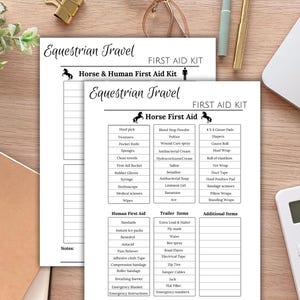
Having the right tools to examine your horse is essential in any first aid kit. These tools help spot health problems early. They allow a quick check of vital signs and overall condition. Knowing the horse’s normal status helps catch issues fast. Here are key tools every horse owner should keep.
Thermometer
A thermometer measures your horse’s body temperature. It helps detect fever or infection. Use a digital or mercury-free thermometer for safety. Insert it gently into the horse’s rectum for an accurate reading. Normal temperature ranges from 99°F to 101°F (37.2°C to 38.3°C). Check temperature if your horse acts unwell or shows signs of illness.
Stethoscope
A stethoscope listens to heart and lung sounds. It helps identify irregular heartbeats or breathing issues. Place the chest piece on the horse’s left side for best results. Listen for fast, slow, or abnormal rhythms. Use it to monitor respiratory problems or shock. This tool adds precision to your health checks.
Hoof Pick
A hoof pick removes dirt and debris from hooves. Clean hooves prevent infections like thrush. Pick out the sole and around the frog carefully. Check for stones, cracks, or injuries. Regular use keeps your horse comfortable and sound. It also helps spot hoof problems early.
Credit: www.etsy.com
Wound Care Items
Wound care items are essential in any horse first aid kit. Treating wounds quickly helps prevent infection. These items help clean, protect, and heal injuries on your horse. Having the right supplies ready saves time and reduces stress during an emergency.
Saline Solution
Saline solution cleans wounds gently. It removes dirt and debris without harming tissues. Use it to rinse cuts and scrapes. This helps lower the risk of infection. Keep a sterile, sealed bottle in your kit.
Antibiotic Ointments
Antibiotic ointments fight bacteria and speed healing. Apply a thin layer on minor cuts or abrasions. They protect wounds from infection. Always choose ointments made for animals. Avoid human products unless your vet approves.
Sterile Gloves
Sterile gloves protect both you and your horse. They keep wounds clean during treatment. Wearing gloves reduces germs and contamination. Store several pairs in your first aid kit. Use them every time you handle open wounds.
Emergency Equipment
Having the right emergency equipment in your horse first aid kit can make all the difference during unexpected situations. These tools help you act quickly and effectively, reducing stress for both you and your horse. Let’s look at some essential items that should never be missing.
Eye Wash
Eye injuries can happen suddenly, especially in dusty or wooded areas. A sterile eye wash solution is crucial for rinsing out dirt, debris, or chemicals from your horse’s eyes.
Keep a small bottle handy and know how to use it properly. Flushing the eye immediately can prevent irritation from turning into a serious infection.
Cold Packs
Cold packs are vital for reducing swelling after bumps or sprains. You can use reusable gel packs or instant cold packs that activate when squeezed.
Having cold packs ready means you don’t have to scramble for ice, which can delay treatment. Quick cooling helps control inflammation and eases pain for your horse.
Flashlight
A flashlight is more than just a convenience—it’s essential for emergencies at night or in low light conditions. You might need to inspect wounds or administer care in the dark.
Choose a durable, waterproof flashlight with bright LED light. Keep extra batteries in your kit so you never get caught without illumination when it counts.

Credit: www.facebook.com
Storage And Maintenance
Keeping your horse first aid kit well stored and maintained is just as important as having the right supplies inside. If your kit isn’t protected from moisture or isn’t checked regularly, you might find yourself with unusable items during an emergency. Think about the last time you needed something quickly—did everything work as expected?
Waterproof Container
Your first aid kit should be stored in a waterproof container to protect it from rain, mud, and spills. A sturdy plastic box with a tight seal works best. This keeps bandages dry and medications safe, so you never have to worry about soggy gauze or ruined ointments.
Consider a container with compartments to organize supplies. This helps you find what you need fast. You don’t want to waste precious time digging through a jumble of items when your horse needs care.
Regular Kit Checks
Check your kit at least once a month to make sure nothing is missing or damaged. Look for torn bandages, broken tools, or anything that looks worn out. Replace items immediately to keep your kit ready.
Set a reminder on your phone or calendar to avoid forgetting these checks. You might be surprised how quickly supplies get used up or expire without you noticing.
Expiration Date Tracking
Medications and ointments in your kit often have expiration dates. Using expired products can be ineffective or even harmful. Keep a list or label items with their expiration dates to track when you need to replace them.
Try grouping items by expiration month so you can quickly spot what’s coming up for renewal. This small effort can save your horse from unnecessary risks and your wallet from last-minute purchases.
Additional Comfort Items
Adding comfort items to your horse first aid kit can make a big difference during stressful moments. These items help calm your horse and protect sensitive areas, making treatment easier for both of you. Think about what would soothe your horse and reduce their discomfort when they’re injured or uneasy.
Fly Spray
Fly spray is essential to keep pesky insects away from wounds and sensitive skin. Flies can irritate injuries and slow down healing by causing your horse to scratch or bite at sore spots. Choose a gentle, non-toxic fly spray to avoid further irritation, especially if your horse has open wounds.
Hoof Boots
Hoof boots offer temporary protection if your horse has a hoof injury or needs extra support. They shield tender areas from dirt, stones, and uneven ground, reducing the risk of infection. Keep a pair handy in your kit; they’re easy to slip on and can help your horse stay mobile while healing.
Soft Towels
Soft towels are incredibly versatile in an emergency. Use them to gently clean wounds, dry your horse after washing, or provide comfort by cushioning sensitive spots. Having a few clean, soft towels ready can make handling your horse safer and less stressful during first aid care.
Frequently Asked Questions
What Essential Items Should Be In A Horse First Aid Kit?
A horse first aid kit should include bandages, antiseptic wipes, wound ointment, scissors, tweezers, and pain relief medication. These items help manage cuts, scrapes, and minor injuries quickly to prevent infection and promote healing.
How Often Should I Check My Horse First Aid Kit?
Check your horse first aid kit monthly to ensure supplies are fresh and complete. Replace expired medications and restock used items to stay prepared for any emergencies.
Can I Customize A Horse First Aid Kit For Specific Needs?
Yes, customize your kit based on your horse’s health, age, and activity level. Add items like fly spray, leg wraps, or specific medications recommended by your vet for better care.
Why Is A Horse First Aid Kit Important For Emergencies?
A horse first aid kit allows immediate care during injuries or illnesses, reducing complications. Quick response can save your horse’s life and minimize the severity of wounds or infections.
Conclusion
A good horse first aid kit saves time and eases stress. It helps you act fast during emergencies. Keep your kit stocked with all essentials on the checklist. Check it often to replace used or expired items. Being prepared protects your horse’s health and safety.
Small efforts today prevent bigger problems tomorrow. Stay calm, stay ready, and care well.

I’m Abby Lu, a passionate home cook who loves simplifying everyday meals. At PlugChef.com, I share product reviews and cooking guides to help you find the best tools for your kitchen.
Related posts:
 What Type of Cooking Utensils are Safe: Expert Picks
 What Innovations Could Blenders Make: Unleashing Future Tech
 Smart Strategies to Organize a Small Kitchen: Maximize Space
 How to Organize a Kitchen Cabinet: Expert Tips & Tricks
 How to Organize Kitchen Drawers: Expert Tips and Tricks
 How to Organize a Corner Kitchen Cupboard: Expert Tips

