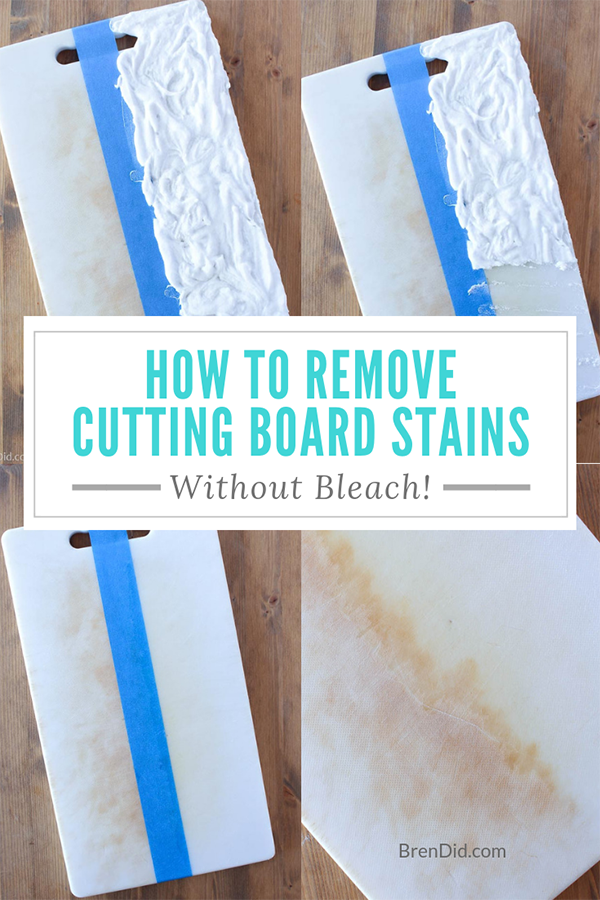

Looking for easy, healthy meals that fit your busy lifestyle? You’ve come to the right place.
Healthy vegetarian crock pot recipes let you set it and forget it, freeing up your time while filling your kitchen with delicious aromas. Imagine coming home to a warm, nutritious meal that’s ready when you are—no stress, no fuss. Whether you’re a seasoned vegetarian or just trying to eat more plant-based meals, these recipes will make your life easier and tastier.
Keep reading to discover simple, wholesome crock pot dishes that your whole family will love.
Benefits Of Vegetarian Crock Pot Meals
Choosing vegetarian crock pot meals offers more than just a meat-free option—it brings a range of benefits that can improve your health, save you valuable time, and deliver rich, satisfying flavors. These meals fit perfectly into busy lifestyles without compromising on nutrition or taste. Let’s look closer at why adding vegetarian slow cooker dishes to your meal plan can be a smart and delicious choice.
Nutritional Advantages
Vegetarian crock pot meals often include a variety of vegetables, legumes, and whole grains, which provide essential vitamins, minerals, and fiber. This combination supports digestion, boosts energy, and helps maintain a healthy weight. You can easily customize recipes to increase protein with beans or lentils, ensuring you get all the nutrients your body needs.
Have you noticed how much better you feel when your meals are rich in plant-based ingredients? Slow cooking helps preserve these nutrients, making each bite nourishing and wholesome.
Time-saving Convenience
Slow cookers let you prep meals quickly and then walk away, freeing up your day for other activities. You can throw ingredients into the pot in the morning and come home to a ready-made dinner—no last-minute cooking stress.
This convenience means you’re less likely to grab unhealthy fast food when life gets busy. Plus, cleaning up is often easier since everything cooks in one pot.
Flavor Development In Slow Cooking
Slow cooking allows flavors to deepen and blend, creating rich, complex dishes that might take hours to develop on the stove. Vegetables and spices mingle over time, enhancing taste and texture.
Have you ever tasted a stew or chili that has been simmered all day? That warm, comforting depth of flavor is what your crock pot brings to vegetarian meals—making them anything but boring.
Essential Ingredients For Crock Pot Cooking
Crock pot cooking makes meal prep simple and hands-free. Choosing the right ingredients ensures healthy, tasty dishes. Essential ingredients build flavor and nutrition over slow cooking hours.
Using fresh, whole foods creates satisfying vegetarian meals. Vegetables, legumes, herbs, and plant proteins work best in slow cookers. Each component adds unique taste and texture to your recipe.
Fresh Vegetables And Legumes
Fresh vegetables provide vitamins and fiber. Root vegetables like carrots and potatoes hold up well in slow cooking. Leafy greens add color and nutrients but add them near the end.
- Carrots
- Potatoes
- Onions
- Bell peppers
- Tomatoes
- Spinach or kale (added late)
- Beans and lentils for protein and fiber
Legumes soften slowly, blending flavor and texture. They make meals hearty and filling.
Herbs And Spices
Herbs and spices create depth and aroma. Dried herbs hold flavor through long cooking times. Fresh herbs brighten dishes when added near the end.
- Bay leaves
- Thyme
- Oregano
- Cumin
- Garlic powder
- Chili powder
- Fresh parsley or cilantro (added late)
Spices enhance taste without extra calories or fat. Use them to balance flavors and add warmth.
Plant-based Proteins
Plant proteins make vegetarian crock pot meals complete. Tofu and tempeh absorb flavors and stay tender. Beans and lentils boost protein and fiber content.
- Chickpeas
- Black beans
- Lentils
- Tofu (extra firm works best)
- Tempeh
These ingredients keep meals nutritious and filling all day long.
Top Easy Crock Pot Vegetarian Recipes
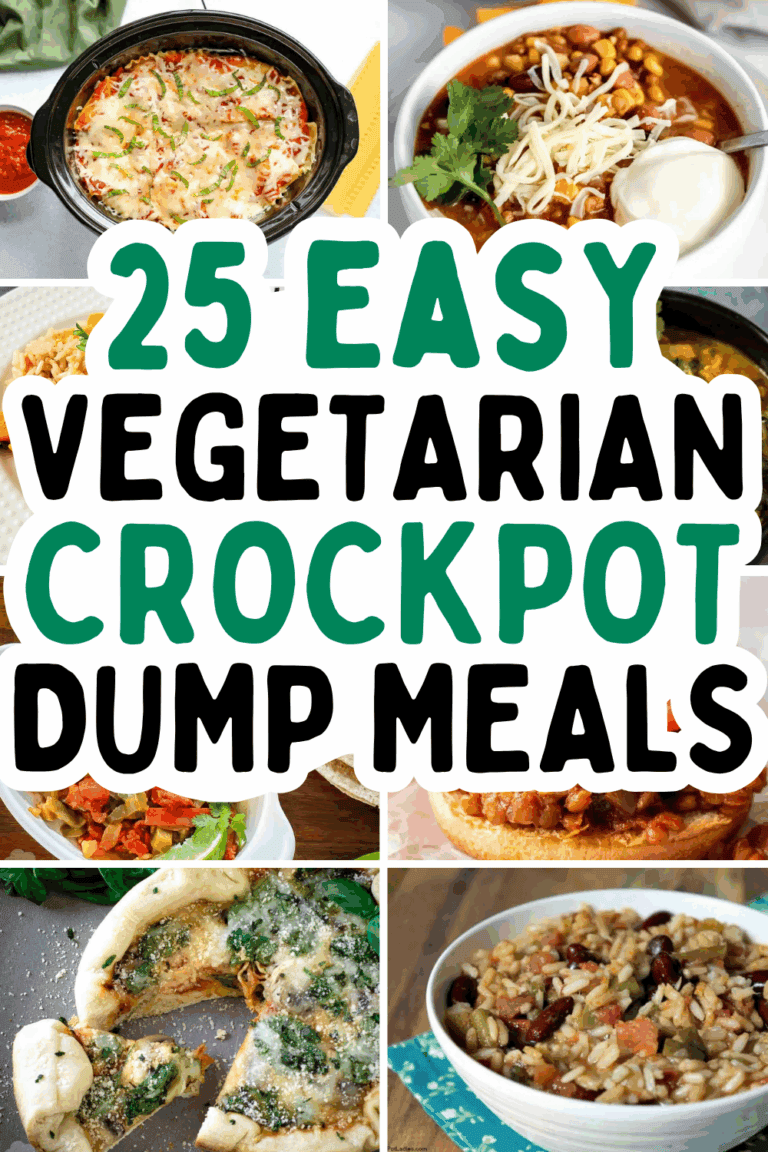
Easy crock pot vegetarian recipes save time and taste great. These dishes cook slowly, blending flavors deeply. Perfect for busy days or cozy meals. Each recipe uses simple ingredients that nourish and satisfy.
Hearty Lentil Stew
Lentils offer protein and fiber in this filling stew. Combine lentils, carrots, onions, and tomatoes in the crock pot. Add vegetable broth and spices for warmth. Let it cook low and slow. The result is rich and comforting.
Vegetable Chili
This chili bursts with color and flavor. Beans, peppers, corn, and tomatoes mix well together. Add chili powder and cumin for a mild kick. The crock pot softens vegetables perfectly. Serve with rice or crusty bread.
Creamy Pumpkin Soup
Pumpkin brings sweetness and creaminess to this soup. Use fresh pumpkin, onions, garlic, and vegetable broth. Cook until tender, then blend until smooth. Add a touch of coconut milk for richness. Warm and soothing for any day.
Quinoa And Black Bean Casserole
Quinoa and black beans create a protein-packed casserole. Mix quinoa, black beans, diced tomatoes, and spices. Pour into the crock pot and cook thoroughly. This dish is hearty, healthy, and simple. Perfect for meal prep or family dinners.
Credit: www.unexpectedlydomestic.com
Tips For Perfect Crock Pot Results
Getting perfect results from your vegetarian crock pot recipes isn’t just about tossing ingredients in and walking away. How you layer your ingredients, adjust cooking times, and avoid overcooking can make all the difference between a meal that’s bursting with flavor and one that’s mushy or bland. Let’s dive into some practical tips that will help you master your slow cooker and enjoy healthy, delicious meals every time.
Layering Ingredients Correctly
Think about how heat travels in your crock pot—it’s strongest at the bottom and sides. Place dense, hard vegetables like carrots, potatoes, or squash at the bottom to ensure they cook thoroughly.
Lighter ingredients such as leafy greens or delicate beans should go on top. This prevents them from turning into a soggy mess.
Measuring your layers this way keeps textures balanced. Have you ever found your kale completely wilted into nothing? Layering is the fix.
Adjusting Cooking Times
Vegetarian dishes often cook faster than meat-based ones, so watch your timing closely. If a recipe calls for 8 hours on low, try checking at 6 hours to avoid mushy veggies.
Don’t hesitate to use the high setting if you’re short on time, but reduce the cooking duration accordingly. Remember, every crock pot model heats differently, so your experience counts most.
Try setting a timer or alarm to remind you to check your meal. How often do you forget about your slow cooker until hours later?
Avoiding Overcooking
Overcooked vegetables lose nutrients and texture. To prevent this, add quick-cooking ingredients like tomatoes or spinach in the last 30 minutes.
If you’re using canned beans or lentils, add them later too—they just need to warm through.
Keep a spoon handy for occasional stirring. It might feel like breaking slow cooking rules, but it helps you spot overcooking early and saves your dish.
Meal Prep And Storage Ideas
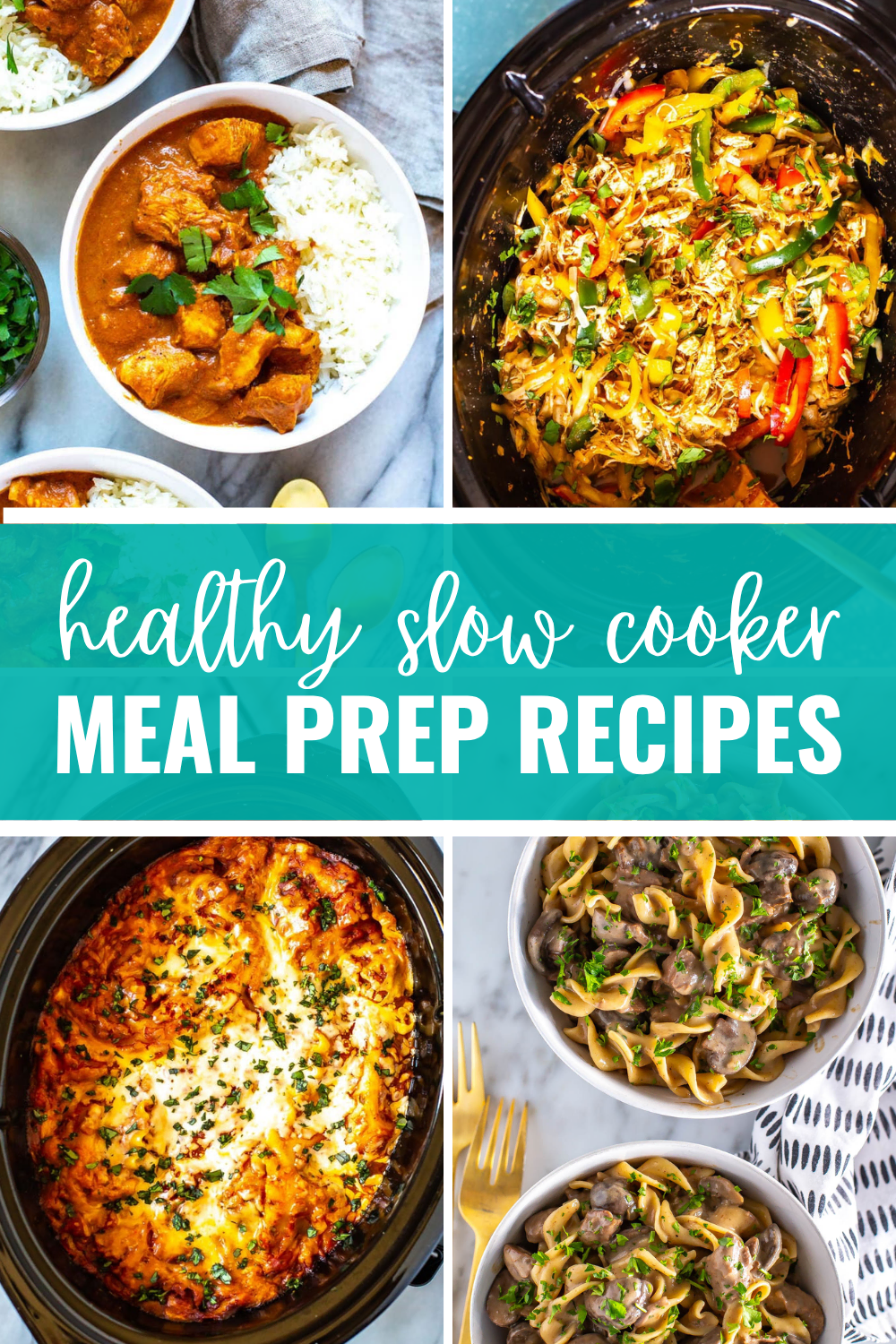
Meal prepping healthy vegetarian crock pot recipes can save time and energy. It allows you to enjoy nutritious meals throughout the week. With the right storage ideas, your meals stay fresh and delicious. Proper meal prep can simplify your daily routine. Here are some helpful strategies to get you started.
Batch Cooking Strategies
Batch cooking means preparing multiple meals at once. This approach saves time and uses ingredients efficiently. Use your crock pot to cook large quantities of vegetarian dishes. Divide these into individual servings. Store them in airtight containers. This method ensures you have ready-to-eat meals available. It also reduces food waste and cuts down on cooking time during busy weeks.
Freezing And Reheating Tips
Freezing meals preserves their taste and nutrients. Before freezing, let dishes cool to room temperature. Use freezer-safe containers or bags. Label them with the date and meal name. This helps in identifying meals later. To reheat, thaw meals in the fridge overnight. Use a microwave or stovetop for warming. Stir occasionally for even heating. This ensures a tasty, fresh meal every time.
Portion Control
Portion control is key for balanced eating. Use measuring cups to divide meals into appropriate servings. Smaller portions help manage calorie intake. Store each portion in individual containers. This makes it easy to grab a meal on the go. It also ensures you eat a balanced meal without overeating. Adjust portion sizes based on your dietary needs.
Credit: thegirlonbloor.com
Customizing Recipes For Dietary Needs
Adjusting vegetarian crock pot recipes to fit your dietary needs doesn’t have to be complicated. Simple swaps and additions can make your meals healthier without losing flavor. Understanding these adjustments lets you enjoy hearty dishes tailored just for you.
Gluten-free Options
Many vegetarian crock pot recipes use ingredients like soy sauce or certain broths that contain gluten. You can easily swap these for gluten-free tamari or certified gluten-free vegetable broth. Adding naturally gluten-free grains like quinoa or rice also keeps your meal safe and filling.
Have you checked your spice blends? Some pre-made mixes include gluten as a filler. Making your own spice mix or using single-ingredient spices helps avoid hidden gluten and keeps your dish authentic.
Low-sodium Variations
If you’re watching your salt intake, start by choosing low-sodium or no-salt-added canned beans and vegetables. You can also reduce or skip added salt and boost flavor with fresh herbs, garlic, or a splash of lemon juice instead.
Using homemade vegetable broth gives you control over salt levels, making your crock pot meals heart-healthier. What fresh ingredients do you enjoy that could replace salt’s punch in your recipes?
Adding Protein Boosters
Vegetarian meals often need a little extra protein to keep you full longer. Adding cooked lentils, chickpeas, or beans directly into your crock pot recipe is a simple way to increase protein. Tofu or tempeh cubes also absorb flavors well during slow cooking.
Don’t overlook nuts and seeds. A sprinkle of chopped almonds or pumpkin seeds added just before serving adds crunch and protein. How do you prefer to power up your vegetarian dishes?
Credit: themodernproper.com
Frequently Asked Questions
What Are Some Easy Vegetarian Crock Pot Recipes?
Easy vegetarian crock pot recipes include lentil stew, vegetable chili, and quinoa chili. These meals require minimal prep and cook slowly for rich flavor. Using beans, vegetables, and spices, they offer nutritious and filling options perfect for busy days.
How Do I Make Healthy Vegetarian Crock Pot Meals?
Use fresh vegetables, beans, and whole grains. Avoid processed ingredients and excess salt. Add herbs and spices for flavor. Cook on low heat to retain nutrients. These steps ensure your crock pot meals remain both healthy and delicious.
Can I Prepare Vegetarian Crock Pot Meals In Advance?
Yes, you can prep ingredients the night before. Store chopped vegetables and beans in airtight containers. Assemble the crock pot in the morning and start cooking. This saves time and enhances flavors as ingredients blend during slow cooking.
What Are The Best Protein Sources For Vegetarian Crock Pot Recipes?
Beans, lentils, chickpeas, tofu, and tempeh are top protein sources. They absorb flavors well and provide essential nutrients. Including these ingredients ensures your crock pot meals are balanced and satisfying.
Conclusion
Healthy vegetarian crock pot recipes bring ease and nutrition together. They save time and keep meals tasty. Using simple ingredients, you can create dishes full of flavor and nutrients. These recipes fit busy lifestyles and support good health. Try different vegetables and spices for variety.
Enjoy warm, homemade meals without stress. Your body and taste buds will thank you. Cooking vegetarian food in a crock pot is both smart and satisfying. Give these recipes a chance and feel the difference.

I’m Abby Lu, a passionate home cook who loves simplifying everyday meals. At PlugChef.com, I share product reviews and cooking guides to help you find the best tools for your kitchen.
Related posts:
 What Type of Cooking Utensils are Safe: Expert Picks
 What Innovations Could Blenders Make: Unleashing Future Tech
 Smart Strategies to Organize a Small Kitchen: Maximize Space
 How to Organize a Kitchen Cabinet: Expert Tips & Tricks
 How to Organize Kitchen Drawers: Expert Tips and Tricks
 How to Organize a Corner Kitchen Cupboard: Expert Tips