
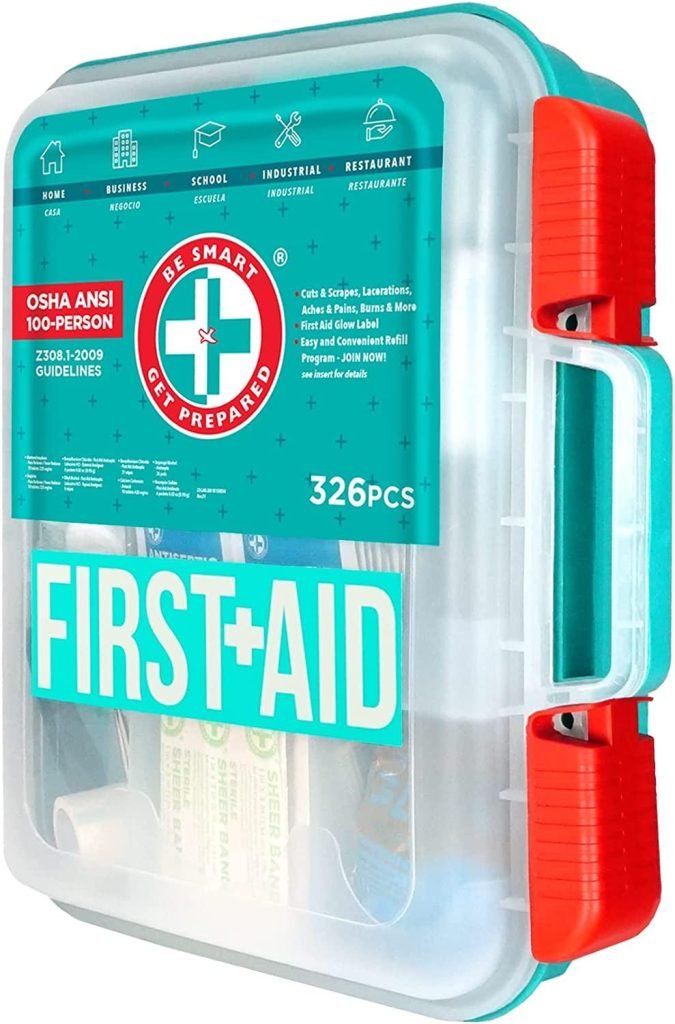
Imagine being responsible for the safety of 100 people in an emergency. Do you have the right first aid kit to handle any situation?
Your ability to act quickly and confidently can make all the difference when injuries happen. This guide will help you find the perfect first aid kit for 100 people, so you’re prepared for cuts, burns, or more serious incidents. Keep reading to discover what your kit must include and how to stay ready for anything.
Credit: www.dingotrade.com
Choosing The Right Kit Size
Choosing a first aid kit size depends on the number of people it must serve. A kit for 100 people should include enough supplies for various injuries and emergencies. Proper sizing ensures readiness and quick response in critical situations.
Choosing the right size for a first aid kit ensures preparedness. A well-sized kit should meet the group’s needs without excess. It’s about finding a balance that serves everyone effectively.Assessing Group Needs
Consider the group’s size and activities. For 100 people, think about diverse needs. This may include allergies, common injuries, and specific medical conditions. Understanding these factors helps in selecting the most suitable contents. Prepare for both minor and major emergencies. Ensure the kit includes items like bandages, antiseptics, and pain relievers.Balancing Portability And Capacity
A large kit can hold more supplies but may be cumbersome. Portability is crucial if the group is mobile. Consider scenarios such as field trips or outdoor events. The kit should be easy to transport. Look for compact designs that maximize space efficiency. Ensure it has compartments for organized storage. This makes accessing supplies quicker and easier in emergencies.Essential Medical Supplies
Every first aid kit designed for 100 people needs to have a solid foundation of essential medical supplies. These items are crucial to manage common injuries and health issues quickly and effectively. Without the right supplies, you could be left unprepared during an emergency.
Bandages And Dressings
Bandages and dressings form the backbone of wound care. Stock plenty of adhesive bandages in various sizes to cover small cuts and blisters. Larger sterile dressings and gauze pads are necessary for more serious wounds that need to be kept clean and protected.
Don’t forget elastic bandages to support sprains or hold dressings in place. Including butterfly closures or wound strips helps close minor cuts without stitches. Are you prepared with enough types and sizes to treat every possible injury?
Antiseptics And Ointments
Cleaning wounds is just as important as covering them. Antiseptic wipes or solutions like iodine or alcohol help kill germs and reduce infection risk. Having these on hand means you can act fast before bacteria set in.
Topical antibiotic ointments speed up healing and prevent infections. Aloe vera gel or burn creams soothe skin irritations and minor burns. Do you have a variety of antiseptics ready to tackle different types of injuries?
Medications And Pain Relievers
Medications are your first line of defense against pain and common ailments. Include over-the-counter pain relievers such as acetaminophen, ibuprofen, or aspirin to reduce pain and inflammation. Antihistamines can help with allergic reactions that might arise suddenly.
Don’t overlook anti-diarrheal and anti-nausea medications, especially when managing large groups. Having these medicines organized and clearly labeled will save precious time during emergencies. What medications do you think are essential for your group’s specific needs?
Tools And Equipment
A well-stocked first aid kit for 100 people requires essential tools and equipment. These items help manage injuries quickly and safely. The right tools make treatment easier and more effective during emergencies.
Scissors And Tweezers
Scissors are crucial for cutting bandages, tape, or clothing. Choose scissors with blunt tips to avoid accidental injury. Tweezers help remove small objects like splinters or glass shards from wounds. Both tools must be clean and durable for repeated use.
Thermometers And Gloves
Thermometers allow quick temperature checks to identify fever or illness. Digital thermometers are easy to use and provide fast results. Gloves protect both the injured person and the caregiver from infections. Include disposable gloves in large quantities for safety and hygiene.
Cpr Masks And Splints
CPR masks provide a barrier during rescue breathing. They reduce the risk of cross-contamination in emergencies. Splints help immobilize broken bones or sprains, preventing further injury. Choose adjustable splints suitable for different body parts and sizes.
Specialized Items For Large Groups
Specialized items are essential for first aid kits serving large groups. They prepare you to handle many medical situations at once. These supplies help manage serious injuries and common emergencies. Proper preparation ensures safety and quick response during crises.
Multiple Trauma Supplies
Trauma supplies must cover various injuries. Large group kits include:
- Multiple sterile gauze pads and bandages
- Large trauma dressings for heavy bleeding
- Elastic bandages for sprains and strains
- Tourniquets to control severe bleeding
- Splints for immobilizing broken bones
These items allow treating more than one person at a time. They help stop bleeding fast and reduce injury risks.
Allergy And Asthma Management
Allergic reactions and asthma attacks need quick care. Include:
- Antihistamines for mild allergy relief
- Epinephrine auto-injectors for severe reactions
- Inhalers or spacers for asthma emergencies
- Disposable gloves to prevent contamination
These tools can save lives by easing breathing and stopping allergic shocks. Make sure to check expiration dates often.
Emergency Blankets And Hydration
Keeping warm and hydrated matters in emergencies. Your kit should contain:
- Emergency thermal blankets to prevent hypothermia
- Water pouches or bottles for hydration
- Electrolyte packets to replenish minerals
These items support victims until help arrives. They maintain body temperature and energy levels.
Storage And Maintenance
Storing and maintaining a first aid kit designed for 100 people demands thoughtful planning. Your goal is to keep everything accessible, safe, and ready to use when an emergency strikes. Proper organization and routine checks can make all the difference between a quick response and a chaotic scramble.
Organizing Supplies Efficiently
Start by grouping items by type and function. Separate bandages, antiseptics, medications, and tools into clear, labeled containers or compartments. This arrangement saves precious seconds when you’re under pressure.
Think about the layout from the perspective of someone who might be using the kit for the first time. Keep frequently used items like gloves and gauze at the top or in the most visible spots. Less commonly needed supplies can go deeper inside.
Consider creating an inventory list that matches your organization system. This list helps anyone quickly locate what they need and keeps restocking straightforward. What’s your current system missing that could make access even faster?
Regular Inspection And Replenishment
Check your kit at least once every three months. Look for expired medicines, damaged packaging, or supplies that are running low. Even if the kit looks fine, some items lose effectiveness over time.
Make it a habit to document each inspection. Note what you’ve replaced and what still needs attention. This record turns maintenance from a guesswork task into a reliable routine.
Imagine needing a specific item during an emergency and finding it missing or unusable. How much smoother would your response be if you always knew your kit was fully stocked and ready?
Training And Preparedness
Having a first aid kit for 100 people is only part of the safety equation. Training and preparedness ensure that the kit’s contents are used effectively when every second counts. Without proper knowledge and planning, even the best-equipped kit can fall short in an emergency.
Basic First Aid Skills
Knowing how to use your first aid kit correctly saves lives. You should be comfortable with essential skills like cleaning wounds, applying bandages, and performing CPR. These skills reduce panic and help you act confidently.
Hands-on training sessions with your team can make a big difference. Practice treating common injuries like cuts, burns, and sprains. This builds muscle memory so you react swiftly and calmly under pressure.
Have you ever hesitated in a crisis because you weren’t sure what to do? Training helps remove that hesitation and prepares you to assist others immediately.
Emergency Response Planning
Planning ahead is as important as knowing first aid techniques. Create a clear emergency response plan that outlines roles, communication methods, and evacuation routes. Everyone should know their responsibilities before an incident happens.
Consider running drills to test your plan. These drills reveal gaps and improve coordination among your group. Simple steps like assigning a team leader and a communicator can streamline your response.
Think about your environment: What risks are most likely? How accessible is your first aid kit? Tailor your plan to your specific setting to make it practical and effective.
Legal And Safety Considerations
Having a first aid kit for 100 people involves more than just supplies. Legal and safety rules play a big role. These rules protect everyone and ensure help is given correctly. Understanding these factors helps keep your group safe and avoids legal trouble.
Compliance With Regulations
Different places have laws about first aid kits. These rules tell you what items must be included. They also set standards for the kit’s size and storage. For 100 people, the kit must meet specific guidelines. Check local and national laws before buying or assembling your kit.
Common regulations often require:
- Proper labeling of the kit
- Regular inspection and restocking
- Clear instructions for use
- Accessibility in emergencies
Following these rules avoids fines and ensures quick help during accidents.
Liability And Consent
Providing first aid can raise questions about legal responsibility. People may worry about being sued if something goes wrong. Knowing liability laws helps reduce this risk. Good practice includes:
- Getting consent before helping an injured person
- Using first aid only within your training limits
- Documenting the aid given
- Seeking professional medical help promptly
Many places have Good Samaritan laws. These laws protect helpers acting in good faith. Understanding these protections encourages confident and safe first aid response.

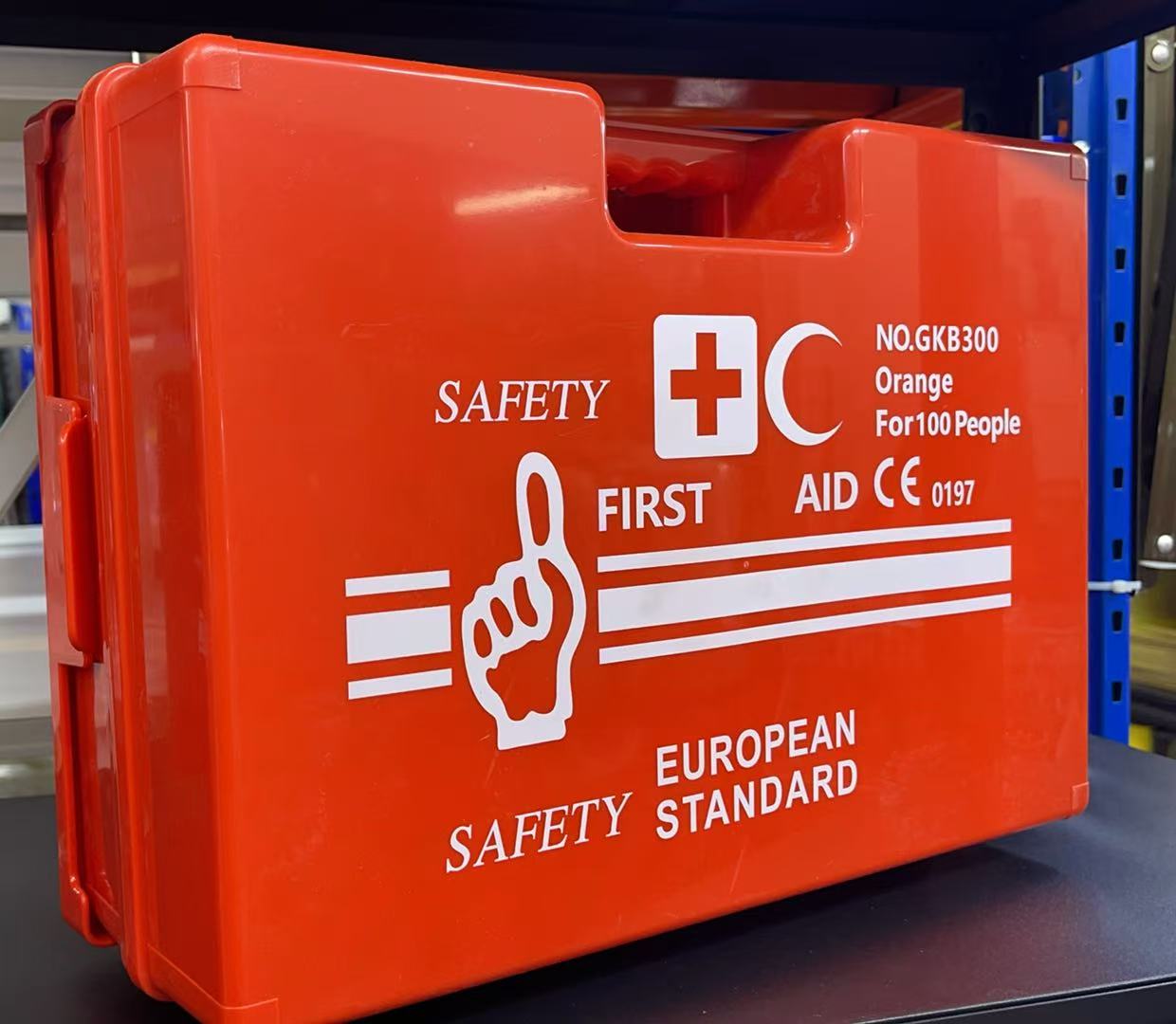
Credit: multif10.en.made-in-china.com

Credit: risingsupply.en.made-in-china.com
Frequently Asked Questions
What Should A First Aid Kit For 100 People Include?
A first aid kit for 100 people should include bandages, antiseptics, gloves, scissors, pain relievers, and CPR masks. It must also have wound dressings, adhesive tapes, and emergency blankets. The kit should cover basic medical needs for large groups effectively and be easy to replenish.
How Do You Store A First Aid Kit For 100 People?
Store the kit in a cool, dry, and accessible location. Use a sturdy, labeled container to keep items organized. Regularly check and restock supplies to ensure readiness. Proper storage prevents damage and ensures quick access during emergencies.
How Often Should You Check A First Aid Kit For 100 People?
Check the first aid kit every 3 to 6 months. Inspect expiration dates, replace used or outdated items, and ensure all supplies are intact. Regular checks guarantee the kit remains fully stocked and effective for emergencies.
Can A First Aid Kit For 100 People Handle Major Injuries?
A kit for 100 people is designed for minor to moderate injuries. It provides essentials for cuts, burns, and sprains. For major injuries, professional medical help is necessary. Always call emergency services when serious incidents occur.
Conclusion
A first aid kit for 100 people must be well stocked and organized. It helps handle injuries quickly and safely. Keep it in an easy-to-find place. Check and refill supplies regularly to stay ready. Train some people to use the kit properly.
Preparedness can save lives in emergencies. Remember, safety starts with good planning. A reliable first aid kit brings peace of mind to everyone. Don’t wait for accidents—be ready today.

I’m Abby Lu, a passionate home cook who loves simplifying everyday meals. At PlugChef.com, I share product reviews and cooking guides to help you find the best tools for your kitchen.
Related posts:
 What Type of Cooking Utensils are Safe: Expert Picks
 What Innovations Could Blenders Make: Unleashing Future Tech
 Smart Strategies to Organize a Small Kitchen: Maximize Space
 How to Organize a Kitchen Cabinet: Expert Tips & Tricks
 How to Organize Kitchen Drawers: Expert Tips and Tricks
 How to Organize a Corner Kitchen Cupboard: Expert Tips

