
Imagine being in a situation where every second counts, and someone nearby suffers a gunshot wound. Do you have the right first aid kit ready to save a life?
Your quick actions and the right tools can make all the difference between life and death. This guide will show you exactly what a Gun Shot Wound First Aid Kit should contain and how to use it effectively. Keep reading to prepare yourself to act confidently when it matters most.
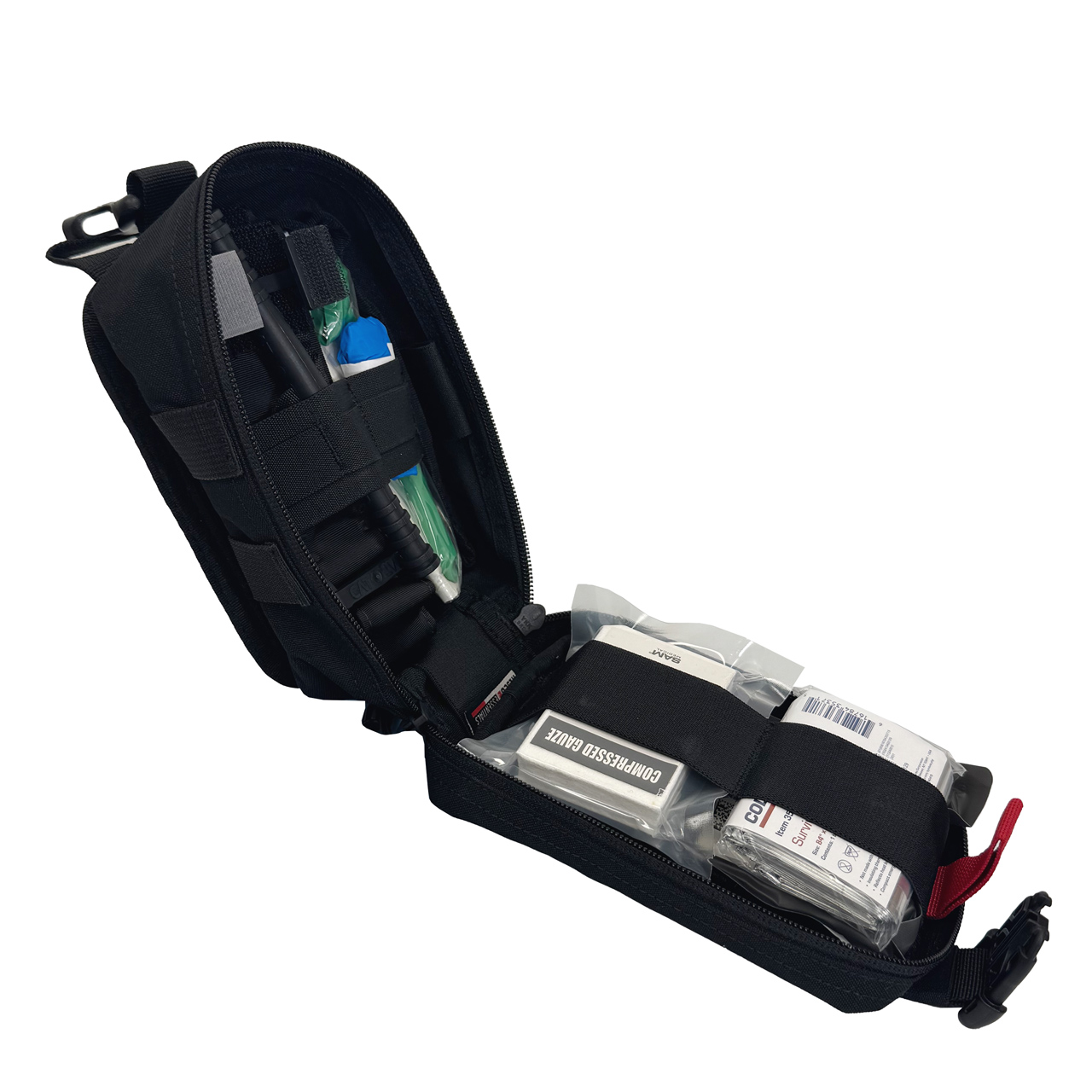
Credit: rescue-essentials.com
Emergency First Aid Basics
Knowing the basics of emergency first aid is vital in gun shot wound situations. Immediate care can save a life and reduce complications. Every second counts. Understanding simple, clear steps helps you act quickly and confidently.
Quick Response Techniques
Check the scene first. Make sure it is safe to approach the injured person. Stop heavy bleeding by applying firm pressure with a clean cloth or bandage. Keep the victim calm and still to avoid shock. Call emergency services immediately. If trained, perform CPR if the person stops breathing. Avoid removing any objects stuck in the wound. Cover the wound with sterile gauze to prevent infection. Monitor the victim’s breathing and pulse until help arrives.
Prioritizing Safety
Ensure your own safety before helping others. Wear disposable gloves from the first aid kit to avoid contact with blood. Keep bystanders away to prevent crowding and panic. Move the injured person only if they are in immediate danger. Use a face mask if available to protect against germs. Always follow emergency responders’ instructions once they arrive. Remember, your safety allows you to provide effective help.

Credit: rescue-essentials.com
Key Components Of A Gun Shot Wound Kit
Having a well-stocked gun shot wound first aid kit can be the difference between life and death in critical moments. Knowing the key components ensures you are prepared to act quickly and effectively. Each item plays a vital role in controlling bleeding, preventing infection, and stabilizing the victim until professional help arrives.
Bandages And Dressings
Bandages and dressings are essential for covering wounds and controlling bleeding. You want a variety of sizes, from large trauma dressings to smaller gauze pads. Non-stick dressings help avoid reopening wounds when removed, reducing pain and further injury.
Elastic bandages provide support and secure dressings firmly. Remember, applying a bandage too loosely won’t stop bleeding, while too tight can cut off circulation. Are you confident in your ability to wrap a wound correctly under pressure?
Hemostatic Agents
Hemostatic agents are substances that help blood clot faster. These can be powders, granules, or impregnated dressings designed to accelerate clotting in severe bleeding. Including a hemostatic dressing like QuikClot or Celox can be a game-changer in gunshot wound care.
Using these agents requires some training, but their impact is undeniable. They can drastically reduce blood loss when direct pressure alone isn’t enough. Have you considered practicing with these agents before an emergency occurs?
Pressure Application Tools
Applying pressure is the cornerstone of stopping bleeding. Your kit should include tools like trauma shears for cutting clothing and tourniquets for controlling heavy limb bleeding. A reliable tourniquet, such as the CAT or SOF-T, can save a life if used correctly and promptly.
Pressure dressings combine dressing and pressure in one tool, simplifying care under stress. It’s crucial to know when to use a tourniquet versus direct pressure or pressure dressings. Can you confidently decide and apply the right technique when seconds count?
Advanced Medical Supplies
Advanced medical supplies are essential in a gunshot wound first aid kit. They help control bleeding and protect vital areas. These tools improve the chance of survival before professional help arrives.
Tourniquets
Tourniquets stop heavy bleeding from limbs quickly. They work by tightening around an arm or leg. This blocks blood flow below the wound. A good tourniquet is easy to apply with one hand. It must be strong and reliable to save lives.
Chest Seals
Chest seals close wounds on the chest to prevent air leaks. Gunshot wounds can cause a lung to collapse. Chest seals stop air from entering the chest cavity. They stick firmly to skin and are simple to use. This helps the injured person breathe better.
Trauma Shears
Trauma shears cut through clothing fast and safely. They have strong, angled blades to avoid injury. First responders use them to expose wounds quickly. Good trauma shears are durable and rust-resistant. They are small but very important in emergencies.
Additional Useful Tools
Having a gun shot wound first aid kit is crucial. Beyond bandages and gloves, extra tools improve care quality. These tools help stop bleeding, clean wounds, and stabilize injuries. Keep these items ready for emergencies.
Medical Tape
Medical tape holds dressings firmly on the skin. It keeps bandages in place even during movement. Choose tape that is gentle and sticks well. Avoid tapes that cause skin irritation or fall off easily.
Antiseptic Solutions
Antiseptic solutions clean wounds to prevent infection. They kill bacteria and reduce the risk of complications. Common types include iodine and alcohol wipes. Use them carefully to avoid harming healthy skin.
Splints
Splints support and immobilize injured limbs. They prevent further damage by keeping bones and muscles still. Splints come in various materials like foam or plastic. Knowing how to apply a splint can save lives.
Proper Usage And Techniques
Knowing how to use a gunshot wound first aid kit saves lives. Proper techniques stop bleeding and prevent infection. Quick, correct action increases chances of survival. Focus on key items: hemostatic agents, tourniquets, and chest seals. Each has a specific use and method. Understanding these steps helps anyone provide effective first aid.
Applying Hemostatic Agents
Hemostatic agents help blood clot faster. Open the wound carefully. Place the agent directly on the bleeding site. Use firm pressure with a clean cloth or bandage. Hold steady for at least three minutes. Avoid removing the agent too soon. It controls severe bleeding until medical help arrives.
Using Tourniquets Effectively
Tourniquets stop blood flow to limbs. Place it 2 to 3 inches above the wound. Tighten until bleeding stops. Do not cover the tourniquet with bandages. Note the time applied on the strap. Release only under medical supervision. Use tourniquets only for life-threatening bleeding.
Chest Seal Application
Chest seals prevent air from entering chest wounds. Clean the skin around the wound. Remove the backing from the seal. Apply it firmly over the wound edges. Smooth out air bubbles to create a tight seal. Check regularly for changes in breathing. This prevents lung collapse caused by gunshot wounds.

Credit: rescue-essentials.com
Training And Preparedness
Being ready for a gunshot wound emergency means more than just having the right first aid kit. You need the skills and knowledge to use it effectively under pressure. Training and preparedness can make the difference between saving a life and feeling helpless in a critical moment.
Importance Of First Aid Training
Knowing how to act quickly and correctly is essential. A first aid kit alone won’t save a life if you don’t know how to use the supplies inside. Training teaches you how to control bleeding, apply pressure, and use tourniquets properly.
Imagine you are the first person on the scene after a shooting. Would you feel confident enough to step in? Regular first aid courses give you hands-on practice and build that confidence.
Training also helps you stay calm and focused. It’s easy to freeze when faced with blood and injury, but practice can prepare your mind and body to respond effectively.
Regular Kit Checks
Having a gunshot wound first aid kit isn’t enough if it’s missing key items or contains expired supplies. Regularly checking your kit ensures everything is ready when you need it most.
Set a reminder to inspect your kit every few months. Look for items like sterile gauze, tourniquets, gloves, and antiseptics to make sure they’re intact and within expiration dates.
Replace used or expired items immediately. Remember, an incomplete kit can delay lifesaving care.
Do you know the contents of your kit by heart? Being familiar with each item saves time and confusion during an emergency.
Considerations For Different Scenarios
Having a gunshot wound first aid kit is crucial, but understanding how to use it effectively depends on where and how you might need it. Different environments and situations require specific tools and strategies. Thinking about these differences can prepare you to act faster and smarter in an emergency.
Urban Vs. Rural Settings
In urban areas, medical help is usually closer, so your first aid kit can focus on stabilizing the wound quickly until professionals arrive. Include items like pressure bandages, tourniquets, and gloves to control bleeding and prevent infection. You might also want a compact emergency blanket to keep the victim warm in crowded or cold environments.
In rural settings, help could take much longer to arrive. Your kit should be more comprehensive, including additional supplies like extra gauze, antiseptic wipes, and splints. You may need to manage the wound for hours, so think about adding pain relief options and water purification tablets if you’re far from clean water.
Have you considered how your location changes the urgency and type of care needed? Adjust your kit to fit those realities.
Multiple Casualty Situations
Handling more than one injured person is overwhelming but having the right kit can make a difference. Your first aid kit should have multiple sets of essential items like tourniquets and bandages. This allows you to treat several wounds at once without scrambling for supplies.
Prioritize the most severe injuries first—severe bleeding needs immediate attention. Think about carrying a quick-reference triage guide to help you decide who needs urgent care. Also, consider tools that help keep track of victims, like notepads or waterproof markers.
Could your kit support you when chaos hits and multiple lives depend on your choices? Preparing for these moments will boost your confidence and effectiveness.
Frequently Asked Questions
What Essential Items Are In A Gunshot Wound First Aid Kit?
A gunshot wound first aid kit includes sterile gauze, pressure bandages, tourniquets, gloves, antiseptics, and trauma shears. These items help control bleeding and prevent infection immediately after injury. Having these essentials ready improves survival chances before professional medical help arrives.
How Do You Use A Tourniquet In Gunshot Wound First Aid?
Apply the tourniquet above the bleeding site, tighten until bleeding stops, and secure it firmly. Note the time of application for medical personnel. Tourniquets control severe bleeding and are critical when direct pressure is insufficient to stop blood loss.
When Should You Call Emergency Services For A Gunshot Wound?
Call emergency services immediately after ensuring safety and beginning first aid. Gunshot wounds require urgent professional medical care regardless of injury severity. Quick response improves survival rates and reduces complications.
Can A Gunshot Wound First Aid Kit Be Used By Untrained People?
Yes, a basic kit is designed for use by untrained individuals in emergencies. Clear instructions and simple tools help manage bleeding and stabilize the victim. Training enhances effectiveness, but immediate action can save lives even without expertise.
Conclusion
A gunshot wound first aid kit saves lives in emergencies. It must have key items like bandages, tourniquets, and gloves. Knowing how to use the kit can make a big difference. Keep the kit accessible and check it often. Practice basic first aid skills regularly.
Being prepared helps you act fast and stay calm. Every second counts in treating gunshot wounds. Carrying a proper kit can protect you and others. Stay safe and ready for unexpected situations.

I’m Abby Lu, a passionate home cook who loves simplifying everyday meals. At PlugChef.com, I share product reviews and cooking guides to help you find the best tools for your kitchen.
Related posts:
 What Type of Cooking Utensils are Safe: Expert Picks
 What Innovations Could Blenders Make: Unleashing Future Tech
 Smart Strategies to Organize a Small Kitchen: Maximize Space
 How to Organize a Kitchen Cabinet: Expert Tips & Tricks
 How to Organize Kitchen Drawers: Expert Tips and Tricks
 How to Organize a Corner Kitchen Cupboard: Expert Tips