

If you love the rich, sweet taste of German chocolate frosting but aren’t a fan of coconut, you’re not alone. Many people want that classic, creamy flavor without the shredded coconut texture.
What if you could enjoy your favorite frosting without the coconut, and it still tastes just as amazing? You’ll discover a simple, delicious way to make German chocolate frosting without coconut. Whether you’re baking for a special occasion or just treating yourself, this recipe will help you create a dessert everyone will love.
Keep reading to find out how!
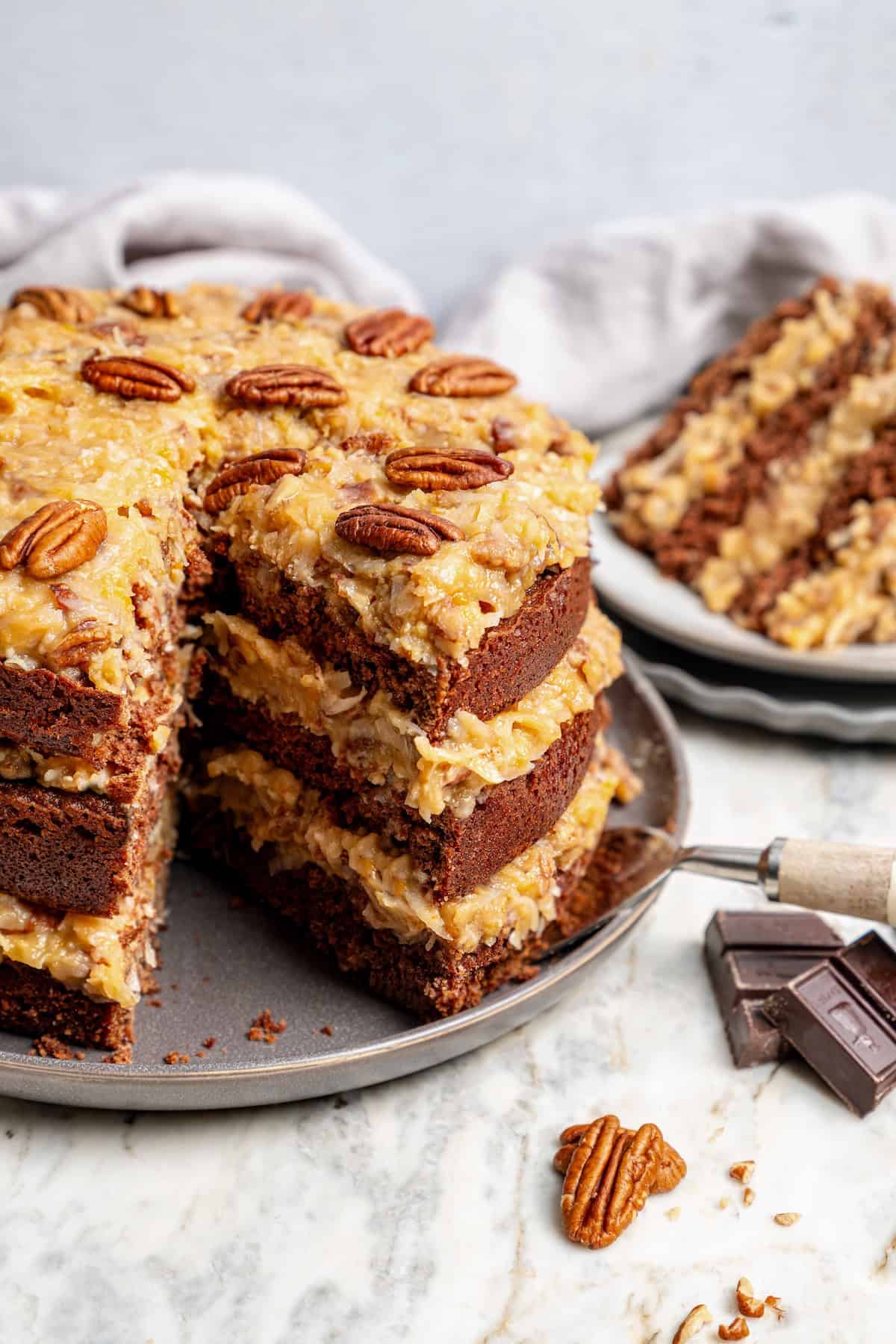
Credit: www.afarmgirlsdabbles.com
Ingredients For Coconut-free Frosting
Creating German chocolate frosting without coconut requires thoughtful ingredient choices. Each component must blend well to keep the texture rich and flavor deep. The key lies in selecting substitutes that maintain moisture and add sweetness. Cream and chocolate also play vital roles. This section covers essential ingredients for a coconut-free version that tastes just as delightful.
Substitutes For Coconut
Coconut usually adds chewiness and flavor. For a coconut-free frosting, try these options:
- Chopped nuts like pecans or walnuts for crunch
- Oats or shredded apple for texture and moisture
- Toasted breadcrumbs for a subtle nutty taste
- Sunflower seeds as a crunchy, nut-free choice
Choosing The Right Chocolate
Chocolate type affects both taste and texture. Use these tips:
- Opt for semi-sweet or dark chocolate for richness
- Use high-quality baking chocolate for smoothness
- Chocolate chips can work but may alter texture
- Adjust sweetness if using bittersweet chocolate
Cream And Sweeteners
Cream adds smoothness and sweeteners balance flavors. Consider these options:
- Heavy cream or half-and-half for a creamy base
- Evaporated milk for a thicker consistency
- Granulated sugar or brown sugar for sweetness
- Maple syrup or honey for natural sweetening
Step-by-step Preparation
Preparing German chocolate frosting without coconut is simple with clear steps. The process focuses on smooth texture and rich flavor. It starts with melting chocolate correctly, then mixing ingredients carefully. Finally, you adjust the frosting to the perfect consistency. Follow each step closely for the best results.
Melting Chocolate Properly
Use a double boiler or microwave to melt chocolate. Heat slowly to avoid burning. Stir often for even melting. Let it cool slightly before mixing with other ingredients. This keeps the frosting smooth and shiny.
Mixing Ingredients Smoothly
Combine melted chocolate, butter, and sugar in a bowl. Use a hand mixer or whisk for easy blending. Mix until the sugar dissolves completely. Add eggs and vanilla, then continue mixing. This creates a creamy, lump-free frosting base.
Achieving The Perfect Consistency
Check the frosting thickness before spreading. Add a small amount of milk or cream to thin it out if needed. To thicken, chill the frosting briefly or add more powdered sugar. The ideal texture holds shape but spreads easily. This ensures a delicious, smooth finish on your cake.
Tips For Creamy Texture
Creating a creamy German chocolate frosting without coconut can be a delightful task. Achieving the perfect texture involves some careful considerations. Here are some essential tips to ensure your frosting turns out smooth and creamy.
Avoiding Graininess
Graininess can be a common issue in frosting. Use powdered sugar instead of granulated to avoid this. Sift the sugar before adding it to the mix. This step helps in achieving a smoother texture. Stir continuously while cooking to prevent lumps.
Using Fresh Ingredients
Fresh ingredients make a significant difference in taste and texture. Use fresh milk and butter for a rich flavor. Check the expiration date on your chocolate. Fresh ingredients ensure a creamy consistency. Avoid using old or expired products.
Temperature Control
Temperature plays a crucial role in frosting texture. Melt chocolate slowly over low heat. High heat can cause the chocolate to seize. Let the mixture cool slightly before spreading. This prevents the frosting from becoming too runny.
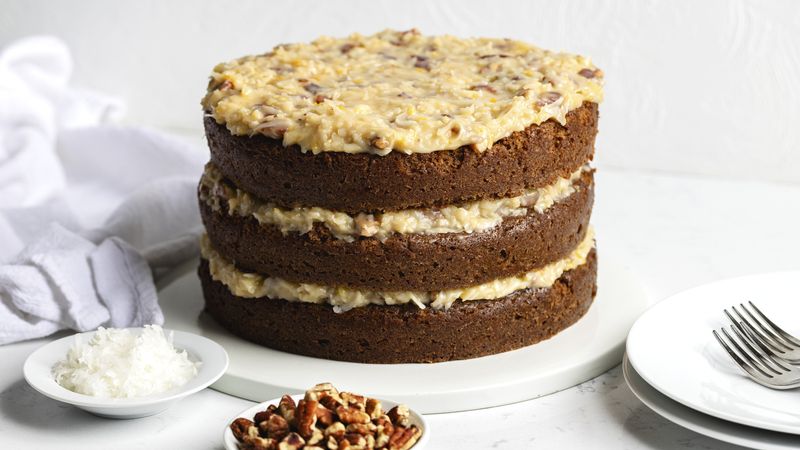
Credit: www.bettycrocker.com
Flavor Variations
German Chocolate Frosting without coconut offers a smooth, rich base that invites creativity. You don’t have to stick to the classic recipe to enjoy its deep chocolatey goodness. Small tweaks can add new textures and flavors that might surprise you.
Adding Nuts For Crunch
Adding nuts brings a delightful crunch that contrasts nicely with the creamy frosting. Walnuts and pecans are popular choices, giving a slightly earthy and buttery flavor. Toasting the nuts before mixing them in can boost their aroma and make the frosting even more interesting.
Have you tried chopped hazelnuts or almonds? They add a unique twist and a satisfying bite. Just sprinkle them on top or fold them gently into the frosting for extra texture.
Infusing With Vanilla Or Almond
Vanilla extract enhances the overall sweetness and rounds out the chocolate flavor beautifully. A splash of almond extract adds a subtle nutty note without needing actual nuts. Both are easy to add and instantly elevate the taste.
Think about how a hint of almond changed my frosting—it made the flavor feel lighter yet richer at the same time. You can start with half a teaspoon and adjust to your preference. It’s a simple change that can transform your frosting experience.
Using Different Sweeteners
Switching up sweeteners can adjust the frosting’s flavor and texture. Brown sugar adds a molasses hint, making the frosting deeper and more caramel-like. Maple syrup or honey introduces natural sweetness and moisture, which can keep the frosting soft longer.
If you prefer less processed options, coconut sugar works well too, even without adding coconut flakes. Each sweetener changes the character of your frosting, so ask yourself: do you want it more caramel, fruity, or just pure chocolate?
Serving And Storage
Serving and storing German chocolate frosting without coconut requires a bit of care to keep its rich, creamy texture intact. You want to enjoy its smooth, chocolatey flavor at its best, whether fresh or saved for later. Here’s how to pair it perfectly with cakes and keep leftovers fresh.
Best Cakes For This Frosting
This frosting shines on moist, dense cakes that can hold up to its richness. Chocolate or devil’s food cakes are perfect matches, enhancing the deep cocoa flavors.
You might also try it on yellow or spice cakes for a delicious contrast. The absence of coconut means it won’t add extra texture, so the frosting feels silky and smooth on every bite.
Have you experimented with layering it between cake tiers? It adds a luscious creaminess that many find irresistible.
How To Store Leftovers
If you have leftover frosting, store it in an airtight container to prevent it from drying out or absorbing fridge odors. Keep it in the refrigerator, where it will last up to one week.
For longer storage, freezing is an option. Freeze in small portions, wrapped tightly, so you only thaw what you need.
Before using again, let it thaw in the fridge overnight to maintain its texture.
Reheating And Reusing
When you’re ready to use leftover frosting, soften it gently. Bring it to room temperature, then stir or whip to restore its creamy consistency.
A quick tip: if the frosting seems too stiff, add a small splash of milk or cream while whipping.
Have you tried repurposing leftover frosting as a dip for fruit or spreading it on warm toast? It’s a delicious way to enjoy every bit without waste.
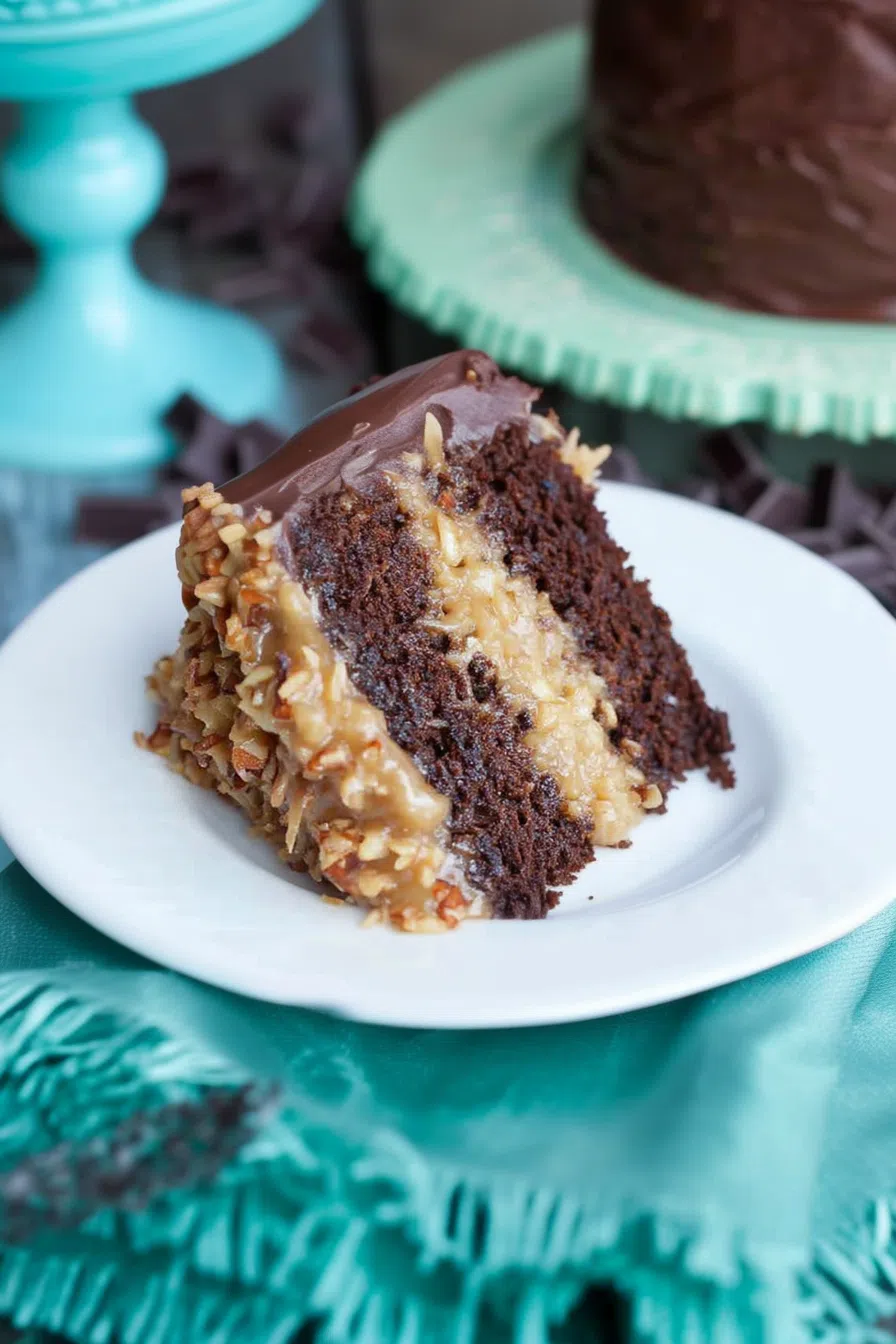
Credit: nodashofgluten.com
Frequently Asked Questions
What Ingredients Replace Coconut In German Chocolate Frosting?
You can use chopped nuts, like pecans or walnuts, as a coconut substitute. These add texture and flavor without coconut. Some recipes use extra chocolate or a creamy base instead for a smooth frosting.
Is German Chocolate Frosting Without Coconut Still Authentic?
Yes, it’s a common variation. Traditional German chocolate frosting includes coconut, but many prefer it without. The key flavors are chocolate and nuts, so omitting coconut doesn’t lose the essence.
How To Make German Chocolate Frosting Without Coconut?
Combine evaporated milk, sugar, egg yolks, butter, and vanilla. Cook until thickened. Stir in chopped nuts and chocolate. Cool before spreading on cake. This method keeps the rich, creamy texture without coconut.
Can I Use Coconut-free German Chocolate Frosting On Other Cakes?
Absolutely! This frosting pairs well with chocolate, vanilla, and spice cakes. It adds a rich, nutty flavor and creamy texture to various cake types without coconut.
Conclusion
German chocolate frosting without coconut tastes just as rich and sweet. This recipe keeps the classic flavor but removes the coconut texture. It suits those who do not like or cannot eat coconut. You can spread it easily on cakes or cupcakes.
It stays creamy and smooth, making every bite enjoyable. Try this simple frosting for a tasty twist on a favorite dessert. Baking without coconut is easy and still delicious. Give it a go and enjoy your homemade treat!

Hi, I’m Daniel Brooks—a food lover and kitchen gear enthusiast. I enjoy testing cookware, utensils, and gadgets to see what really works in everyday cooking. At PlugChef.com, I share honest reviews, comparisons, and simple guides to help you choose the best tools for a safer, smarter, and more enjoyable kitchen.
Related posts:
 What Type of Cooking Utensils are Safe: Expert Picks
 What Innovations Could Blenders Make: Unleashing Future Tech
 Smart Strategies to Organize a Small Kitchen: Maximize Space
 How to Organize a Kitchen Cabinet: Expert Tips & Tricks
 How to Organize Kitchen Drawers: Expert Tips and Tricks
 How to Organize a Corner Kitchen Cupboard: Expert Tips

