

When it comes to your health and safety, having the right first aid kit nearby is not just smart—it’s essential. But did you know that some first aid kits are FSA eligible?
This means you can use your Flexible Spending Account (FSA) funds to buy them, saving you money while keeping you prepared. If you want to make sure your kit meets the right standards and works for your needs, this guide is for you.
Keep reading to discover how to choose the perfect FSA eligible first aid kit and why it’s a smart choice for you and your family.
What Makes A First Aid Kit Fsa Eligible
Understanding what makes a first aid kit FSA eligible is crucial. An FSA, or Flexible Spending Account, allows you to use pre-tax dollars for certain healthcare expenses. Not all first aid kits qualify for FSA spending. Knowing the eligibility criteria helps you make informed purchases.
Fsa Eligibility Criteria
To be FSA eligible, a first aid kit must meet specific health-related requirements. Kits should include items that are necessary for treating or preventing medical conditions. These items must be considered essential for health purposes. If the kit is labeled as medical equipment, it is often eligible. Always check the list of approved items in your FSA plan.
Common Items Covered
Many items in first aid kits are FSA eligible. Bandages and gauze are usually covered. These are essential for treating wounds. Antiseptic wipes and creams are also eligible. They help prevent infections. Pain relievers like aspirin may be included. Thermometers are often covered for checking fevers. Always verify with your FSA plan.
Items Excluded From Coverage
Some items are not covered by FSA plans. Luxury or non-essential items are usually excluded. Decorative bandages might not qualify. Kits with items like sunscreen or lip balm may be excluded. These are not primarily for medical treatment. Always review your FSA plan details. Knowing what’s excluded prevents misuse of funds.
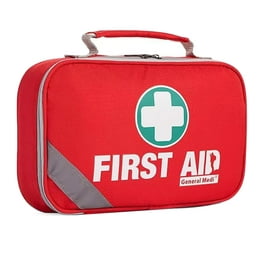
Credit: www.walmart.com
Key Components Of Fsa Eligible First Aid Kits
Knowing the key components of FSA eligible first aid kits can make a real difference when you need quick, effective care. These kits are designed to cover common injuries and minor emergencies that happen at home, work, or on the go. Understanding what goes inside helps you choose or build a kit that truly supports your health needs and stays compliant with FSA rules.
Bandages And Dressings
Bandages and dressings form the core of any first aid kit. You should have a variety of sizes and types to handle different wounds—from small cuts to larger scrapes.
- Adhesive bandages (various sizes)
- Sterile gauze pads
- Roller bandages to secure dressings
- Butterfly closures for deeper cuts
Think about the last time you cut yourself—did you have the right bandage to stop bleeding and protect the wound? Having the correct bandages ready can prevent infections and speed up healing.
Antiseptics And Ointments
Cleaning a wound properly is crucial to avoid infection. That’s why antiseptics are a must-have in an FSA eligible first aid kit.
- Antiseptic wipes or solutions like alcohol or iodine
- Antibiotic ointments such as Neosporin
- Hydrocortisone cream to reduce itching and inflammation
Imagine treating a scrape without cleaning it first—wouldn’t you worry about germs? These antiseptics and ointments give you peace of mind and improve healing outcomes.
Medical Tools And Accessories
Beyond dressings and ointments, certain tools make first aid easier and safer. These accessories help you manage injuries more effectively.
- Scissors for cutting tape or clothing
- Tweezers to remove splinters or debris
- Disposable gloves to keep things sanitary
- Thermometer to check for fever
- Instant cold packs for swelling and pain relief
Have you ever struggled to open a bandage or clean a wound without the right tool? Including these items ensures you’re prepared for small emergencies without panic.
Benefits Of Using Fsa Eligible Kits
Using FSA eligible first aid kits offers clear advantages for health and finances. These kits meet specific IRS guidelines, allowing users to purchase them with pre-tax funds. This helps reduce out-of-pocket costs while ensuring access to essential medical supplies. They also provide quick and easy access to first aid items when needed most. Preparedness becomes simpler and more affordable with these specialized kits.
Cost Savings On Medical Supplies
FSA eligible first aid kits let you pay with tax-free money. This reduces your total expenses on medical items. You avoid paying taxes on the amount spent, which saves money over time. Kits often include essential supplies in one package, avoiding separate purchases. This bundled approach helps manage budgets better and keeps costs low.
Convenience And Accessibility
These kits come ready to use with all necessary items included. No need to search for individual products during emergencies. They are compact and easy to store at home, office, or car. Having a kit nearby means fast access to supplies. This convenience supports quick response and care for minor injuries.
Preparedness For Emergencies
FSA eligible first aid kits prepare you for unexpected health issues. They contain items for treating cuts, burns, and other minor wounds. Being prepared helps reduce panic and improves safety. It ensures that help is available immediately before professional care arrives. Everyone benefits from having a well-stocked kit on hand.

Credit: www.amazon.com
Choosing The Right Fsa Eligible First Aid Kit
Choosing the right FSA eligible first aid kit means matching the kit to your specific needs and lifestyle. Not every kit fits every situation, so understanding what you require can save time, money, and stress during emergencies. Let’s break down how to select a kit that works best for you.
Assessing Your Needs
Start by thinking about where and how you’ll use the first aid kit. Is it for home, work, travel, or outdoor activities? Different environments come with unique risks, so a kit for hiking should include items like insect sting relief and blister care, while a home kit might focus more on burn and cut treatments.
Consider who will use the kit. Are there children, elderly family members, or people with specific medical conditions? Tailoring the contents to your household’s needs ensures you’re prepared for likely scenarios. Ask yourself: What emergencies am I most likely to face?
Kit Size And Portability
Think about where you’ll keep the kit and how easy it should be to carry. A bulky kit might be perfect for a fixed place like your home but impractical for a backpack or car glove compartment. Smaller kits are easier to take on trips but might lack some specialized supplies.
Balance size with contents. A compact kit with essential items can be more useful than a large kit with unnecessary extras. If you’re often on the go, choose a lightweight, durable case that fits your lifestyle without weighing you down.
Quality And Brand Considerations
Not all first aid kits are created equal. Look for kits that meet recognized safety standards and include FDA-approved or equivalent medical supplies. Cheap kits might save money upfront but can fail when you need them most.
Check reviews and brand reputation before buying. Brands specializing in medical or outdoor gear often provide more reliable products. Have you ever bought a kit that felt incomplete or used expired items? Quality matters more than you might think in emergencies.
How To Use And Maintain Your First Aid Kit
Knowing how to use and maintain your FSA eligible first aid kit is essential for being prepared in any emergency. A well-kept kit ensures you can quickly find the right supplies when needed. It also helps you avoid unpleasant surprises like expired or missing items that could cost valuable time.
Regularly Checking Supplies
Check your first aid kit every few months. Look for items that are running low or missing altogether. This simple habit keeps your kit ready for action.
Think about a time when you needed a bandage but found none in your kit. That experience highlights why regular checks matter. Keep a checklist handy to track what you have and what you need to add.
Replacing Expired Items
Expired supplies like antiseptic wipes or medications can lose effectiveness or become unsafe. Make it a point to review expiration dates during your checks.
If you find expired items, replace them immediately. This small step can make a big difference in an emergency. Don’t wait until you need the kit to discover expired contents.
Proper Storage Tips
Store your first aid kit in a cool, dry place away from direct sunlight. Humidity and heat can damage supplies and packaging.
Keep your kit accessible but out of reach of children to avoid accidental use. Also, consider a portable container if you travel often or keep a separate kit at work or in your car.
Where To Buy Fsa Eligible First Aid Kits
Finding FSA eligible first aid kits is easier than many think. Various places sell these kits that meet FSA guidelines. Knowing where to buy helps you save money and stay prepared. The right kit can cover your basic medical needs and qualify for FSA reimbursement. Exploring different buying options ensures you get the best product for your FSA card.
Online Retailers
Many online stores offer a wide range of FSA eligible first aid kits. These sites often provide detailed product descriptions and customer reviews. Popular retailers include Amazon, Walmart, and specialty health stores. Shopping online allows easy price comparison and quick home delivery. Look for kits labeled as FSA eligible to ensure they qualify for reimbursement.
Pharmacies And Stores
Local pharmacies usually stock first aid kits that meet FSA requirements. Chains like CVS, Walgreens, and Rite Aid are common options. Big-box stores such as Target and Costco also carry FSA eligible kits. Visiting stores lets you examine the kit’s contents before buying. Store staff can help confirm if the kit qualifies for FSA use.
Using Fsa Cards For Purchase
FSA cards work like debit cards at approved sellers. Check if the retailer accepts FSA cards at checkout. Keep receipts as proof of purchase for FSA claims. Some stores may require the product to be clearly marked FSA eligible. Always verify eligibility to avoid denied claims or extra costs.

Credit: buyfsa.com
Frequently Asked Questions
What Makes A First Aid Kit Fsa Eligible?
An FSA eligible first aid kit contains IRS-approved medical items. These include bandages, antiseptics, and wound care supplies. Non-medical items like sunscreen or pain relievers may also qualify if prescribed. Always check the latest IRS guidelines for eligibility.
Can I Buy Any First Aid Kit With Fsa Funds?
Not all first aid kits qualify for FSA reimbursement. Kits must contain items approved by the IRS. Over-the-counter items need a prescription for FSA use. Review your FSA plan and IRS rules before purchasing.
Are Fsa Eligible First Aid Kits Tax-deductible?
Yes, FSA eligible first aid kits are tax-advantaged purchases. Using FSA funds means you pay with pre-tax dollars. This lowers your taxable income and saves money. Keep receipts and prescriptions for proof during tax filing.
How To Identify Fsa Eligible First Aid Kits?
Look for product descriptions stating “FSA eligible” or “HSA approved. ” Check the item list for IRS-approved medical supplies. Confirm with your FSA provider before buying. Some retailers offer filters to show only eligible products.
Conclusion
Choosing an FSA eligible first aid kit saves money and ensures safety. These kits cover essential items for common injuries. Keep one at home, work, or in your car. Regularly check your kit to replace used or expired supplies. Spending a little now prevents bigger problems later.
Stay prepared without extra stress or cost. Simple steps keep you ready for emergencies. Prioritize health and peace of mind with the right first aid kit.

I’m Abby Lu, a passionate home cook who loves simplifying everyday meals. At PlugChef.com, I share product reviews and cooking guides to help you find the best tools for your kitchen.
Related posts:
 What Type of Cooking Utensils are Safe: Expert Picks
 What Innovations Could Blenders Make: Unleashing Future Tech
 Smart Strategies to Organize a Small Kitchen: Maximize Space
 How to Organize a Kitchen Cabinet: Expert Tips & Tricks
 How to Organize Kitchen Drawers: Expert Tips and Tricks
 How to Organize a Corner Kitchen Cupboard: Expert Tips

