
When it comes to your health and safety, having the right first aid kit can make all the difference. But did you know that not every first aid kit qualifies for FSA (Flexible Spending Account) reimbursement?
If you want to protect yourself and your wallet, understanding what makes a first aid kit FSA eligible is key. You’ll discover exactly what to look for, why it matters, and how to choose the best kit for your needs—so you’re always prepared without breaking the bank.
Keep reading to find out how to make smart, health-savvy choices that benefit you today and in the long run.
Why Choose Fsa Eligible Kits
FSA eligible first aid kits help save money by using flexible spending accounts. These kits include essential supplies needed for quick care. Choosing them ensures you stay prepared and benefit from tax-free spending.
Choosing FSA eligible first aid kits is not just about being prepared for emergencies; it’s also a smart financial move. These kits provide several advantages that can enhance your healthcare strategy. But why should you specifically opt for FSA eligible options? Let’s dive into the compelling reasons that make these kits a wise choice.Tax Benefits Explained
Using an FSA (Flexible Spending Account) allows you to allocate pre-tax dollars for healthcare expenses. This means you can purchase an FSA eligible first aid kit without the burden of additional taxes. Imagine saving a portion of your income while ensuring you’re ready for minor injuries or health issues. This tax advantage can result in significant savings over time, especially if you’re stocking up on essential medical supplies. The next time you’re considering a first aid kit, think about how the tax savings can ease your healthcare expenses. It’s like getting a discount on safeguarding your family’s health.Qualifying Kit Features
Not all first aid kits are created equal. FSA eligible kits must meet specific criteria to qualify for purchase with your account. This ensures you’re getting a comprehensive kit that covers a wide range of emergencies. These kits typically include essentials such as bandages, antiseptic wipes, and medical tape, ensuring you’re prepared for various situations. Some might even include bonus items like emergency blankets or specialized tools for more extensive first aid needs. When you choose an FSA eligible kit, you’re opting for a product that meets rigorous standards, ensuring quality and reliability. Isn’t it reassuring to know that your kit is not only affordable but also thoroughly vetted for effectiveness?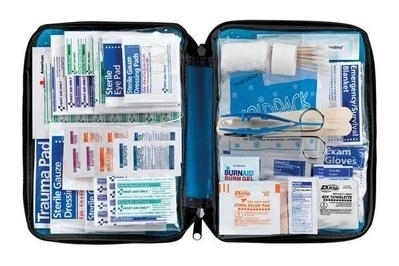
Credit: www.nytimes.com
Must-have Items Inside
Having an FSA eligible first aid kit means you’re prepared for everyday injuries and unexpected emergencies without worrying about the cost. But what exactly should you keep inside to make it truly effective? Knowing the must-have items helps you build a kit that covers all the basics and more.
Basic Wound Care Supplies
Every first aid kit needs essential wound care items to clean and protect injuries quickly. Include adhesive bandages in various sizes to cover cuts and scrapes of different lengths.
- Sterile gauze pads to absorb blood and prevent infection
- Medical tape for securing dressings firmly
- Antiseptic wipes or solution to clean wounds thoroughly
- Hydrocolloid dressings to speed up healing of blisters or burns
Think about your daily activities. Do you often get minor cuts or scrapes? Having these basics on hand will save you from infection and discomfort fast.
Tools For Emergencies
Tools can make the difference in handling injuries smoothly. A pair of tweezers helps remove splinters or debris from wounds with precision.
- Small scissors to cut tape or clothing around the injury
- Disposable gloves to keep you safe and maintain hygiene
- Instant cold packs to reduce swelling and pain
- CPR face shield for safe resuscitation if needed
Imagine a moment when you need to act quickly. Having the right tools means you won’t waste time searching or improvising.
Medications And Ointments
Including basic medications and ointments can ease pain and prevent complications. A tube of antibiotic ointment helps fight infection in minor wounds and cuts.
- Pain relievers like acetaminophen or ibuprofen for headaches or muscle aches
- Antihistamine tablets or creams for allergic reactions
- Burn relief gel for soothing minor burns
- Hydrocortisone cream to reduce itching and inflammation
What types of minor health issues do you face most often? Tailoring your kit with appropriate medications ensures you’re ready to handle them effectively.
Selecting The Right Kit
Selecting the right FSA eligible first aid kit is more than just picking the most affordable option. You want a kit that fits your lifestyle and meets your specific needs. Making the right choice ensures you’re prepared for unexpected situations without carrying unnecessary bulk.
Size And Portability
Think about where you will keep your first aid kit. A large kit might be perfect for your home but cumbersome for travel or work. If you often travel or spend time outdoors, a compact, lightweight kit fits better in your backpack or glove compartment.
Portability matters because you want quick access when it counts. Consider kits with sturdy cases that can handle rough handling. Does the kit have compartments or pouches to keep supplies organized on the go?
Kit Customization Options
Not all first aid kits are one-size-fits-all. Look for kits that allow you to add or remove items based on your health needs or activities. For example, if you have allergies, you might want to include extra antihistamines or an epinephrine injector.
Customization also means you can replace used or expired items easily. Some kits come with refill packs or modular sections designed for specific emergencies like burns or fractures. Have you checked if the kit’s contents match the risks you face daily?
Maintaining Your First Aid Kit
Keeping your FSA eligible first aid kit ready can make a huge difference during emergencies. It’s not just about having the kit but ensuring everything inside works perfectly when you need it most. Regular care and smart storage help your kit stay effective and reliable over time.
Regular Checks And Restocking
Check your first aid kit at least every three months. Look for expired items like ointments, medications, and adhesive bandages that lose their stickiness. Replace anything that’s missing or used up immediately to keep your kit complete.
Have you ever opened a first aid kit only to find crucial items missing or unusable? That moment shows why regular checks matter. Make a quick checklist of essentials such as:
- Adhesive bandages in various sizes
- Antiseptic wipes and creams
- Gauze pads and medical tape
- Disposable gloves
- Scissors and tweezers
Keep a small notebook or note app on your phone to track what needs replacing. It saves time during stressful situations.
Proper Storage Tips
Store your first aid kit in a cool, dry place away from direct sunlight and moisture. Heat and humidity can damage medications and reduce the adhesive quality of bandages. Avoid places like bathrooms where humidity is high.
Think about how quickly you can grab your kit in an emergency. Keep it in a consistent, easily accessible spot known to everyone in your household or workplace. Label the container clearly so no one wastes time searching.
Consider waterproof or sturdy plastic containers to protect your supplies from spills and dust. If you travel often, use a compact, portable kit designed for mobility. Will your current storage method keep your kit safe and ready, or could it be improved?
First Aid Kit Uses At Home
Having a first aid kit at home is more than just a safety measure—it’s your first line of defense in everyday mishaps. An FSA eligible first aid kit ensures you have the right supplies while making the most of your health savings account. Knowing how to use it properly can make a big difference in handling minor injuries and staying prepared for emergencies.
Handling Minor Injuries
You might not realize how often small cuts, scrapes, or burns happen around the house. A well-stocked first aid kit lets you treat these quickly and avoid infections.
- Clean wounds immediately.Use antiseptic wipes or solutions from your kit to reduce the risk of infection.
- Apply adhesive bandages.Choose the right size to cover wounds and keep them protected while healing.
- Use sterile gauze and tape.For bigger cuts, these help stop bleeding and keep the area clean.
I once had a minor kitchen burn. Having burn cream and sterile dressings in my kit helped me manage the pain and prevent blisters. Could you quickly access your kit if a similar accident happened right now?
Emergency Preparedness
Emergencies can strike without warning. Your first aid kit should be ready to support you and your family in those critical moments.
- Include essential medications.Pain relievers, antihistamines, and any prescribed medicines can be lifesavers.
- Keep emergency contacts handy.A list inside the kit ensures quick access to doctors or poison control.
- Store the kit in an accessible spot.Everyone in your household should know where it is and how to use its contents.
Think about the last time you faced an unexpected injury. Did you have everything you needed close by? Preparing your kit thoughtfully means you won’t have to scramble when every second counts.

Credit: goldengrains.ca
Where To Buy Fsa Eligible Kits
Finding an FSA eligible first aid kit can save you money and ensure you have the right supplies for emergencies. Knowing where to buy these kits is key to getting genuine, approved products that meet your needs. Whether you prefer shopping online or in-store, there are trustworthy options available.
Trusted Retailers
Look for well-known retailers that clearly label their first aid kits as FSA eligible. Stores like CVS, Walgreens, and Walmart often carry a variety of certified kits. These retailers usually provide detailed product descriptions, so you know exactly what’s covered.
Specialty medical supply stores also offer high-quality kits tailored to specific needs. These can be great if you require something more comprehensive or specialized. Plus, staff there often have expert knowledge to help you choose the right kit.
Online Vs In-store Options
Shopping online gives you access to a wider selection and customer reviews. Websites like Amazon or the official stores of medical brands make it easy to compare prices and features. You can also check if the kit is FSA eligible before buying.
On the other hand, buying in-store lets you inspect the kit firsthand. You can check the contents and packaging, which is helpful if you want immediate reassurance. Visiting a store also allows you to ask questions directly, which can be invaluable when selecting first aid supplies.
Which method fits your style better? Do you prefer browsing online or having a hands-on look before you buy? Your choice can impact how confident you feel about your purchase.

Credit: www.amazon.sa
Frequently Asked Questions
What Items Are Included In An Fsa Eligible First Aid Kit?
An FSA eligible first aid kit includes bandages, antiseptic wipes, gauze, adhesive tape, and scissors. It may also contain gloves and a cold pack. These items are essential for treating minor injuries and qualify for flexible spending account reimbursement.
Can I Buy An Fsa Eligible First Aid Kit Online?
Yes, many online retailers offer FSA eligible first aid kits. Ensure the kit includes IRS-approved items. Look for sellers that specify FSA eligibility to guarantee your purchase qualifies for reimbursement.
Are Fsa Eligible First Aid Kits Tax-deductible?
Yes, first aid kits that meet IRS guidelines are tax-deductible when purchased with FSA funds. Keep your receipt and itemized list to claim the deduction or reimbursement correctly.
How To Identify An Fsa Eligible First Aid Kit?
Look for kits labeled “FSA eligible” or check the item list against IRS-approved medical supplies. Kits containing only non-medical items like band-aids or ointments may not qualify. Always verify before purchase.
Conclusion
Choosing an FSA eligible first aid kit helps save money and stay prepared. These kits cover essential items needed for minor injuries. They offer peace of mind during emergencies. Easy to use and refill, they suit homes, cars, or workplaces.
Always check your FSA plan to confirm eligible items. Keep your kit stocked and accessible at all times. Being ready can make a big difference. Safety starts with simple steps. A good first aid kit is one of them.

I’m Abby Lu, a passionate home cook who loves simplifying everyday meals. At PlugChef.com, I share product reviews and cooking guides to help you find the best tools for your kitchen.
Related posts:
 What Type of Cooking Utensils are Safe: Expert Picks
 What Innovations Could Blenders Make: Unleashing Future Tech
 Smart Strategies to Organize a Small Kitchen: Maximize Space
 How to Organize a Kitchen Cabinet: Expert Tips & Tricks
 How to Organize Kitchen Drawers: Expert Tips and Tricks
 How to Organize a Corner Kitchen Cupboard: Expert Tips