

Imagine this: a child at your school trips and scrapes their knee. What do you reach for?
Having a first aid kit ready can make all the difference in handling emergencies quickly and confidently. But what if you don’t have one, or your supplies are running low? You might be surprised to learn that free first aid kits for schools are available—and getting one could be easier than you think.
You’ll discover how to secure these essential kits to keep your students safe and prepared, without stretching your budget. Keep reading to find out how you can protect your school and give yourself peace of mind.

Credit: www.amazon.com
Importance Of First Aid Kits In Schools
First aid kits are essential components in schools, ensuring that students and staff can handle emergencies effectively. They are not just boxes filled with bandages and antiseptics; they are vital tools that can make a difference in critical situations. Having a well-stocked first aid kit within easy reach can be a game-changer, especially when accidents occur.
Immediate Response To Injuries
Imagine a child falling on the playground and scraping their knee. With a first aid kit readily available, you can quickly clean the wound and apply a bandage. This immediate action not only comforts the child but also prevents the injury from becoming infected. Quick responses can significantly improve recovery times and outcomes.
Reducing Severity Of Accidents
In schools, accidents are sometimes unavoidable. However, the presence of first aid kits can reduce the severity of these incidents. Suppose a student experiences a nosebleed in class. Proper supplies can help manage the situation swiftly, preventing further complications. By addressing injuries promptly, you can minimize their impact.
Promoting A Safe Learning Environment
When students and staff know that first aid resources are available, they feel safer and more secure. This assurance fosters a positive learning atmosphere, where everyone can focus on educational activities without worry. Schools equipped with first aid kits demonstrate a commitment to health and safety, encouraging a proactive approach to student wellbeing.
Components Of An Effective School First Aid Kit
Knowing what goes into an effective school first aid kit can make a real difference during emergencies. The right components ensure that you can handle common injuries quickly and confidently. Let’s break down the essential items that should be in your kit to keep students safe and give you peace of mind.
Basic Medical Supplies
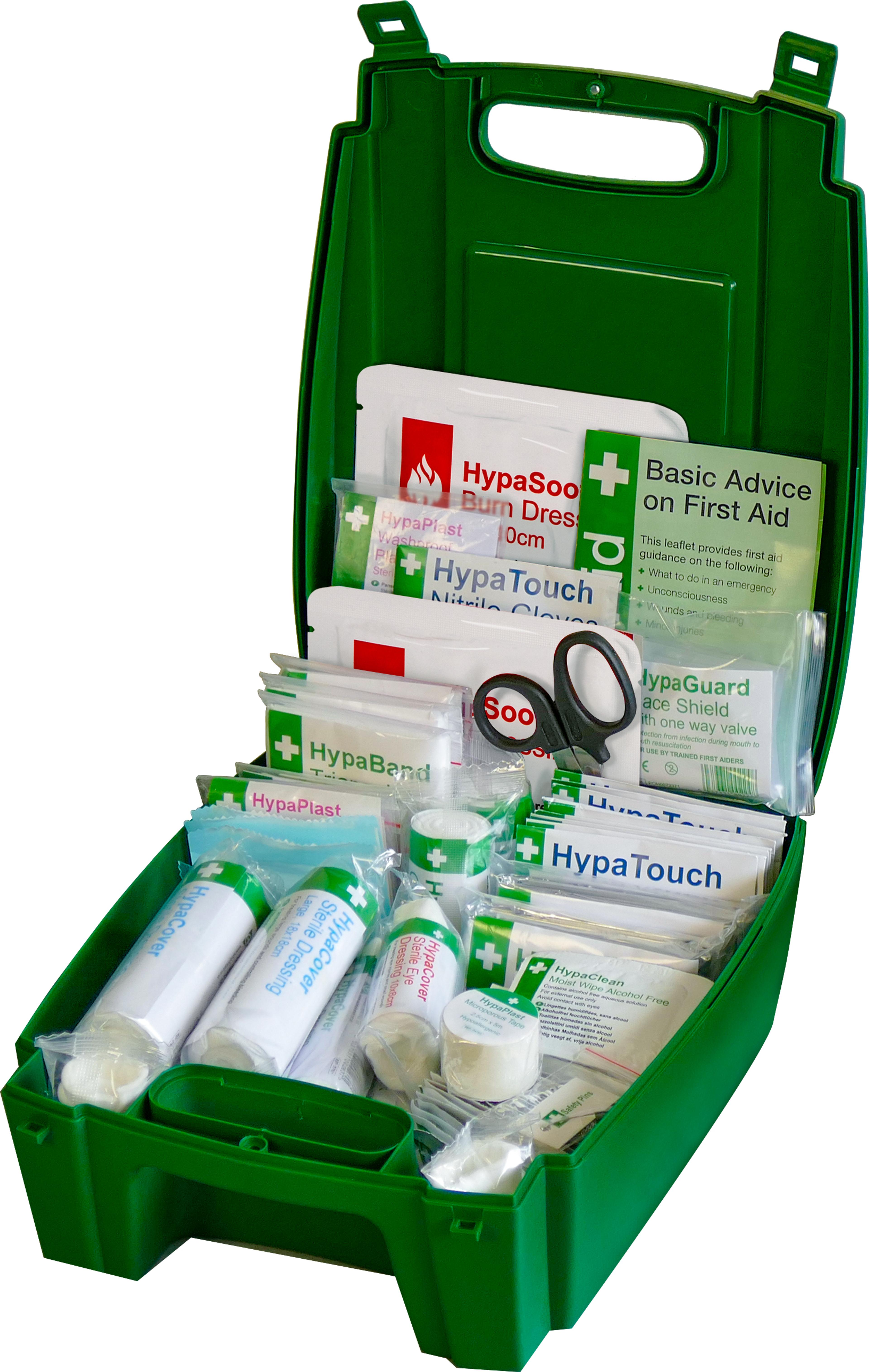
Your first aid kit must include fundamental supplies that cover a wide range of minor injuries. Think about items like adhesive bandages in various sizes, sterile gauze pads, and adhesive tape. These help you treat cuts, scrapes, and minor burns immediately.
Don’t forget antiseptic wipes or solutions to clean wounds and reduce infection risks. Including disposable gloves is crucial to protect both you and the injured student from germs. You should also have scissors, tweezers, and a cold pack to manage different situations efficiently.
Specialized Items For School Settings
Schools have unique needs, so adding specialized items can make your kit more effective. Allergy medications like antihistamines and epinephrine auto-injectors are vital if students have known allergies. Having these ready can save lives.
Other important additions include a CPR face shield for resuscitation and a burn dressing specifically designed for quick cooling and protection. You might also want to add a thermometer and a checklist for quick health assessments. These items help you respond to a wider variety of incidents in a school environment.
Maintenance And Regular Checks
Even the best first aid kit is useless if supplies are expired or missing. Regularly check expiration dates and replace used or outdated items promptly. This simple habit ensures your kit is always ready when needed.
Keep a log of inspections and who performed them to maintain accountability. You might be surprised how often kits go unchecked until an emergency occurs. How often do you check your own kit’s readiness?
Benefits Of Providing Free First Aid Kits
Providing free first aid kits in schools offers many benefits for students, staff, and the entire community. These kits help create a safer environment by ensuring quick access to essential medical supplies. They support immediate response to injuries and minor health issues, reducing risks and promoting wellbeing.
Free first aid kits also encourage a culture of health awareness among students. They teach the importance of preparedness and basic care skills. Schools become places where safety is a priority for everyone, regardless of background or resources.
Equal Safety Access For All Students
Every student deserves the same level of safety at school. Free first aid kits make sure no child is left without help during emergencies. They remove barriers related to cost or availability. This equal access supports fairness and helps protect all students equally.
Cost Savings For Schools
Schools can save money by receiving free first aid kits. Buying supplies can be expensive for tight budgets. Free kits reduce these costs while keeping schools prepared. Savings can be used for other important needs like education and facilities.
Encouraging Health Awareness
First aid kits promote health learning among students and staff. They spark interest in basic medical knowledge and safety habits. Students become more aware of how to respond in emergencies. This awareness builds confidence and a safer school community.

Credit: www.freepik.com
How Schools Can Obtain Free First Aid Kits
Providing your school with free first aid kits is easier than you might think. Several avenues offer opportunities to equip your classrooms and hallways with essential medical supplies at no cost. Understanding where to look and how to apply can save your school money while ensuring safety.
Government Programs And Grants
Many local and national government bodies allocate funds or supplies specifically for school health and safety. You can apply for grants designed to support emergency preparedness, which often include first aid equipment.
Check your state’s department of education or health for available programs. Applying may require submitting a simple proposal outlining your school’s needs and how the kits will be used.
Nonprofit Organizations And Donations
Nonprofits focused on child safety and health frequently donate first aid kits to schools in need. Organizations like the American Red Cross or local community health groups offer these resources.
Reach out directly or attend community health fairs to connect with donors. Sometimes, sharing a story about your school’s commitment to student safety encourages more generous support.
Corporate Sponsorship Opportunities
Many companies want to support education and community health through sponsorships or donations. Businesses in healthcare, pharmaceuticals, or even local retailers often provide free first aid kits as part of their corporate social responsibility.
Contact companies in your area or those with a history of supporting schools. Presenting a clear plan on how their contribution benefits students can increase your chances of receiving support.
Training Staff And Students For First Aid
Training staff and students in first aid is crucial for a safe school environment. Proper knowledge helps manage emergencies calmly and effectively. Everyone feels more confident and ready to act quickly. Schools should focus on practical skills and ongoing education to keep safety a priority.
Basic First Aid Skills For Teachers
Teachers need to learn essential first aid skills for common injuries. These include treating cuts, burns, and sprains. Knowing how to perform CPR and use an automated external defibrillator (AED) can save lives. Training should cover:
- Assessing the scene for safety
- Calling emergency services promptly
- Providing basic wound care
- Managing choking incidents
- Handling allergic reactions
Regular practice helps teachers stay ready for emergencies. Confidence grows with hands-on drills and refresher courses.
Student Awareness And Participation
Students should understand basic first aid concepts too. Awareness programs teach them how to recognize injuries and respond safely. Involving students encourages responsibility and teamwork during emergencies. Schools can:
- Offer age-appropriate first aid lessons
- Encourage peer support and communication
- Promote safe habits to prevent accidents
- Organize student first aid clubs or groups
Participation creates a culture of safety. Students learn to help themselves and others confidently.
Regular Drills And Updates
First aid skills fade without practice. Schools must schedule regular drills to reinforce learning. Drills simulate real situations, helping staff and students react quickly. Updates on first aid guidelines keep knowledge current. Key actions include:
- Conducting emergency response drills each term
- Reviewing first aid protocols annually
- Introducing new techniques or equipment
- Evaluating drill performance and improving plans
Consistent training ensures readiness. Everyone stays informed and prepared to act fast.
Case Studies Of Schools Using Free First Aid Kits
Schools that have integrated free first aid kits into their daily environment often share compelling stories of how these resources made a real difference. Reviewing these case studies reveals not only the immediate benefits but also the long-term impact on school safety culture and preparedness. Understanding these experiences can help you see the value and practical ways to make first aid kits a vital part of your school’s health strategy.
Success Stories And Impact
One elementary school reported a significant drop in minor injury complications after placing free first aid kits in every classroom. Teachers quickly treated scrapes and cuts, preventing infections and reducing student downtime.
Another school used the kits during a sports event where a student sprained an ankle. Immediate access to bandages and ice packs helped stabilize the injury before emergency services arrived, easing the student’s pain and anxiety.
These stories highlight how timely access to first aid supplies can protect students and staff, enhancing overall safety. What immediate changes could you see in your school with first aid kits readily available?
Lessons Learned
Schools learned that simply having a first aid kit is not enough; regular training and clear signage are crucial. Staff members need to know where kits are and how to use them confidently.
Some schools found that periodic kit inspections prevented expired or missing items, keeping supplies ready when needed. Encouraging student involvement in checking kits also raised awareness and responsibility.
These lessons emphasize that maintenance and education go hand-in-hand with providing free first aid kits. How could your school improve awareness and training to maximize the kits’ benefits?
Scalability And Adaptation
Several schools adapted their first aid kits based on the specific needs of their student population. For example, schools with younger children included more allergy treatments and soothing ointments.
Scaling the program was easier when schools collaborated with local health organizations to replenish supplies and update training materials. This partnership model reduced costs and ensured kits stayed relevant.
Adapting first aid kits to fit your school’s unique needs can increase their effectiveness. What customizations could make a difference in your school’s safety preparedness?
Future Trends In School Safety Solutions
The future of school safety solutions is becoming more advanced and connected. Schools are adopting new tools to improve emergency care and response. These changes focus on quick access to help and better management of incidents. Safety in schools will rely on smarter technology and stronger policies.
Technological Advances In First Aid
First aid kits in schools are evolving with new technology. Smart kits now include digital guides and sensors to check supplies. Some kits connect to apps that show how to use items step-by-step. This technology helps teachers and students respond faster and more confidently in emergencies.
Integration With Emergency Response Systems
Schools are linking first aid kits with emergency response systems. This connection sends alerts to medical teams and school staff instantly. It reduces the time taken to get professional help. Integration also helps track incidents and improve future safety plans.
Policy Developments And Support
Policies are shifting to support better school safety solutions. Governments and organizations push for mandatory first aid training and kit availability. More funding is directed to equip schools with modern safety tools. These policies ensure every school is prepared for emergencies.
Credit: findel-education.co.uk
Frequently Asked Questions
What Are Free First Aid Kits For Schools?
Free first aid kits for schools provide essential medical supplies at no cost. They help manage minor injuries and emergencies quickly. These kits support a safer school environment by ensuring first aid readiness without budget strain.
Who Qualifies For Free First Aid Kits In Schools?
Typically, public schools and some private institutions qualify for free kits through government or nonprofit programs. Eligibility often depends on school size, location, and funding needs. Checking local programs can clarify qualification requirements.
What Items Are Included In Free School First Aid Kits?
These kits usually contain bandages, antiseptic wipes, gauze pads, adhesive tape, scissors, and gloves. Some kits also include CPR masks and burn treatments. Contents focus on treating common school injuries effectively.
How Can Schools Apply For Free First Aid Kits?
Schools can apply through local health departments, educational agencies, or nonprofit organizations. The process usually involves submitting an application detailing school needs. Timely application increases chances of receiving kits.
Conclusion
Free first aid kits help schools stay safe every day. They give quick care during accidents or injuries. Having these kits ready can save time and reduce harm. Teachers and staff feel more confident knowing help is near. Schools should check kits often to keep them complete.
Simple steps like this protect children’s health and well-being. Safety starts with being prepared, and first aid kits do just that. Keep your school ready for any small emergency. It’s an easy, smart way to care for students and staff.

I’m Abby Lu, a passionate home cook who loves simplifying everyday meals. At PlugChef.com, I share product reviews and cooking guides to help you find the best tools for your kitchen.
Related posts:
 What Type of Cooking Utensils are Safe: Expert Picks
 What Innovations Could Blenders Make: Unleashing Future Tech
 Smart Strategies to Organize a Small Kitchen: Maximize Space
 How to Organize a Kitchen Cabinet: Expert Tips & Tricks
 How to Organize Kitchen Drawers: Expert Tips and Tricks
 How to Organize a Corner Kitchen Cupboard: Expert Tips