
When it comes to cooking meat, getting the temperature right isn’t just about taste—it’s about keeping you and your loved ones safe. You might think guessing is enough, but undercooked meat can hide dangerous bacteria that cause serious illness.
Knowing the correct food safety meat temperatures helps you avoid these risks and enjoy your meals confidently. You’ll discover the exact temperatures you need to aim for with different types of meat, so every bite is both delicious and safe.
Keep reading to protect your health and master the art of perfect cooking every time.
Safe Cooking Temperatures
Understanding safe cooking temperatures is crucial for ensuring that your delicious meat dishes are not only flavorful but also safe to eat. Properly cooked meat can prevent foodborne illnesses, keeping your meals enjoyable and your family healthy. While many people rely on intuition or cooking experience, knowing the exact temperatures can make all the difference. Have you ever wondered if your meat is cooked just right?
Recommended Internal Temperatures
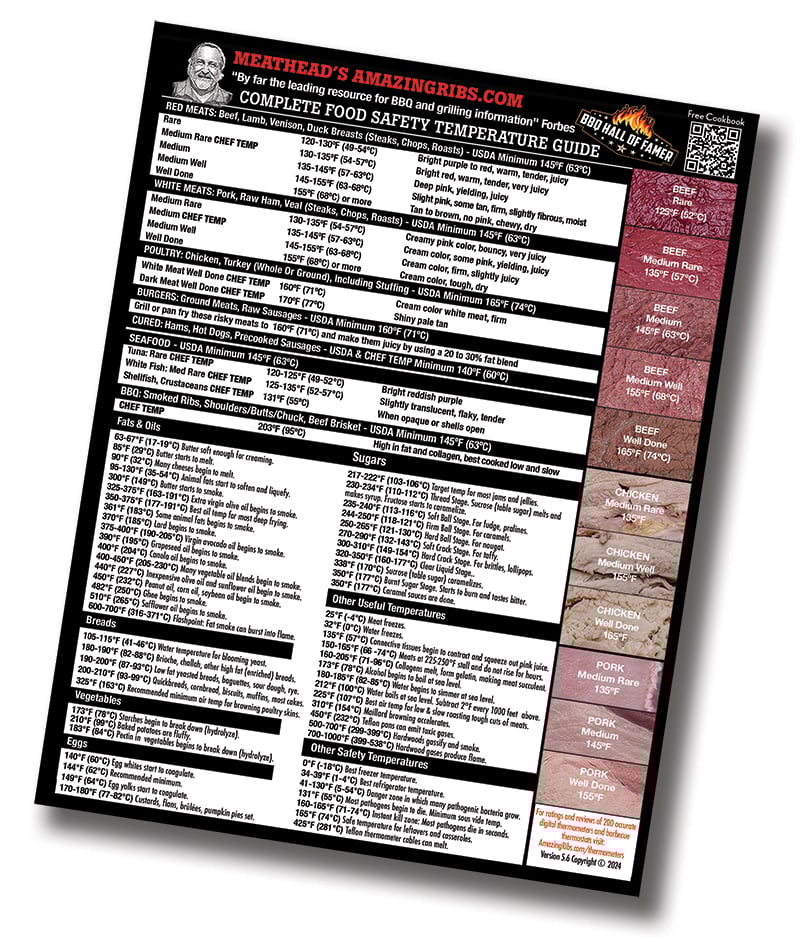
Cooking meat to the right internal temperature is essential. It guarantees that harmful bacteria are eliminated. Each type of meat has a specific temperature that must be reached for safety. For instance, poultry should hit 165°F (74°C), while beef is safe at 145°F (63°C). Don’t guess; use a reliable source like the USDA guidelines.
Temperature Guidelines By Meat Type
Different meats require different care. Here’s a quick guide:
- Poultry:Cook to 165°F (74°C). This includes chicken and turkey, whether ground or whole.
- Beef, Pork, Lamb:Safe at 145°F (63°C), but ground versions need 160°F (71°C).
- Fish:Should reach 145°F (63°C). If you’re cooking shellfish, ensure they’re firm and opaque.
Are you cooking different types of meat? Keep a chart handy for quick reference.
Using A Meat Thermometer
A meat thermometer is your best friend in the kitchen. It takes the guesswork out of cooking and ensures precision. Insert it into the thickest part of the meat, avoiding bones and fat. This gives an accurate reading of the internal temperature.
Have you ever tried using a digital thermometer? It’s fast and precise, making it a worthwhile investment. Next time you’re cooking, grab that thermometer and ensure your meal is safe and delicious.

Credit: www.facebook.com
Common Meat Types And Temps
Knowing the right cooking temperatures for different types of meat is crucial for both taste and safety. Each meat type has a specific temperature range that ensures harmful bacteria are killed without overcooking. Let’s break down the common meat types and their safe cooking temps so you can cook confidently and enjoy every meal.
Beef And Lamb
Beef and lamb often come with varying preferences for doneness, but safety should never be compromised. Cooking whole cuts like steaks and roasts to at least 145°F (63°C)and allowing a rest time of 3 minutes kills harmful bacteria effectively.
Have you noticed how a perfectly cooked medium-rare steak retains juiciness and flavor? That’s why knowing the exact temperature matters—not just for safety, but for taste too.
Pork
Pork used to be cooked well-done for safety, but modern guidelines recommend cooking to 145°F (63°C)followed by a 3-minute rest. This approach keeps pork juicy and tender without risking foodborne illness.
Next time you grill pork chops, try using a thermometer rather than guessing. You’ll avoid dryness and get the perfect texture every time.
Poultry
Poultry, including chicken and turkey, requires a higher internal temperature to eliminate pathogens. Aim for 165°F (74°C)throughout the meat for safety.
Have you ever bitten into undercooked chicken? The risk is real. Always check the thickest part to protect your health.
Ground Meats
Ground meats need extra attention because grinding spreads bacteria throughout the meat. Whether it’s beef, pork, or poultry, cook ground meats to at least 160°F (71°C)to be safe.
This rule explains why a rare burger can be risky. Don’t skip the thermometer when grilling ground meat—it’s your best defense.
Risks Of Undercooked Meat
Undercooked meat carries serious risks that go beyond just an unpleasant taste or texture. When meat doesn’t reach the right temperature, harmful bacteria and parasites can survive, putting your health in danger. You might think a quick sear or a pink center is harmless, but it can lead to infections that cause severe illness.
Foodborne Illnesses
Eating undercooked meat can expose you to bacteria like Salmonella, E. coli, and Clostridium perfringens. These bacteria can cause symptoms such as stomach cramps, diarrhea, vomiting, and fever. In some cases, infections become so severe that they require hospitalization.
Think about the last time you had a rare burger or undercooked chicken. If you felt unwell afterward, it might have been a sign of foodborne illness. These bacteria multiply quickly in meat that isn’t cooked properly, so the risk grows every minute the meat stays undercooked.
Signs Of Unsafe Meat
Not all unsafe meat looks or smells bad. Sometimes, dangerous meat can appear normal on the outside. However, some signs you should watch for include:
- A slimy or sticky texture
- An off or sour smell
- Discoloration that looks unusual (green, gray, or brown patches)
Trust your senses but don’t rely on them alone. Using a reliable food thermometer is the best way to ensure your meat is safe to eat.
Cross-contamination Prevention
Handling raw meat improperly can spread bacteria to your kitchen surfaces, utensils, and other foods. This cross-contamination increases the chances of food poisoning. Always use separate cutting boards and knives for raw meat and wash your hands thoroughly after touching it.
Keep raw meat away from ready-to-eat foods like salads or bread. Clean all surfaces and tools with hot, soapy water after preparing meat. These simple habits can protect your whole family from hidden dangers lurking in undercooked meat.
Credit: amazingribs.com
Tips For Accurate Temperature Checks
Checking the temperature of meat is more than just sticking a thermometer in and calling it done. Accurate temperature readings ensure your food is safe to eat and perfectly cooked. Let’s look at practical tips that help you get the most reliable temperature checks every time.
Where To Measure
Insert your thermometer into the thickest part of the meat, away from bones and fat. Bones conduct heat differently and fat can give a false reading. If you’re cooking a whole chicken, aim for the inner thigh or breast.
Have you ever cut into meat and found it undercooked despite checking the temperature? This often happens when the probe isn’t placed correctly. Take your time to find the right spot—it makes all the difference.
Calibrating Your Thermometer
Even the best thermometers can give inaccurate readings if they’re not calibrated. Test your device regularly by placing it in ice water; it should read 32°F (0°C). If it doesn’t, follow the manual to adjust it or consider replacing it.
Ignoring calibration can lead to food safety risks or overcooked meals. Think about how much you rely on your thermometer—keeping it accurate protects your health and your cooking reputation.
Timing And Resting Meat
Check the temperature toward the end of cooking, but don’t rely solely on the first reading. Meat continues to cook from residual heat after you remove it from the heat source. This “carryover cooking” can raise the internal temperature by 5-10°F.
Resting your meat before cutting allows juices to redistribute and temperature to stabilize. Have you noticed how slicing immediately after cooking can lead to dry meat? A short rest can fix that and ensures your temperature reading reflects the true doneness.
Safe Handling And Storage
Safe handling and storage of meat reduce the risk of foodborne illnesses. Proper care keeps meat fresh and prevents harmful bacteria growth. Understanding key practices helps maintain meat quality and safety at home.
Proper Thawing Techniques
Thaw meat safely to stop bacteria from multiplying. Use the refrigerator for slow, even thawing. It takes time but keeps meat at a safe temperature. Cold water thawing is faster but requires sealed packaging. Change the water every 30 minutes until thawed. Avoid thawing meat on the countertop. This allows bacteria to grow on the surface.
Storing Cooked And Raw Meat
Keep raw and cooked meat separate to avoid cross-contamination. Store raw meat on the bottom shelf of the fridge. This prevents juices from dripping onto other foods. Use airtight containers or wrap meat tightly. Cooked meat should cool before refrigerating. Place leftovers in shallow containers for quick cooling. Consume or freeze leftovers within a few days.
Avoiding Temperature Danger Zones
Meat spoils fastest between 40°F and 140°F (4°C and 60°C). This range is called the temperature danger zone. Keep meat below 40°F in the fridge or above 140°F when cooking. Do not leave meat out at room temperature for more than two hours. Use a food thermometer to check temperatures. This ensures meat stays safe to eat.

Credit: www.linkedin.com
Frequently Asked Questions
What Are Safe Cooking Temperatures For Different Meats?
Safe cooking temperatures vary by meat type. Poultry should reach 165°F, ground meats 160°F, steaks and roasts 145°F. Using a food thermometer ensures harmful bacteria are killed, preventing foodborne illnesses. Always check the thickest part of the meat for accurate temperature readings.
Why Is Monitoring Meat Temperature Important For Safety?
Monitoring meat temperature ensures harmful bacteria are destroyed during cooking. Undercooked meat can cause food poisoning. Proper temperature control maintains food quality and taste. It also helps comply with food safety standards, protecting consumers from health risks.
How To Use A Food Thermometer Correctly?
Insert the thermometer into the thickest part of the meat, avoiding bone and fat. Wait until the reading stabilizes for accuracy. Clean the thermometer before and after use to avoid cross-contamination. Use a digital or instant-read thermometer for best results.
Can Meat Be Safely Cooked Below Recommended Temperatures?
No, cooking meat below recommended temperatures risks bacterial survival and foodborne illness. Each meat type has a minimum safe temperature to kill pathogens. Always follow USDA guidelines to ensure meat is safe and properly cooked.
Conclusion
Safe meat temperatures keep you and your family healthy. Cooking meat properly kills harmful bacteria. Use a food thermometer to check temperatures. Remember, different meats need different heat levels. Avoid guessing or cutting meat early. Always follow guidelines for safe cooking.
This small step makes a big difference. Enjoy tasty meals without risking illness. Stay safe and confident in your cooking.

Hi, I’m Daniel Brooks—a food lover and kitchen gear enthusiast. I enjoy testing cookware, utensils, and gadgets to see what really works in everyday cooking. At PlugChef.com, I share honest reviews, comparisons, and simple guides to help you choose the best tools for a safer, smarter, and more enjoyable kitchen.
Related posts:
 What Type of Cooking Utensils are Safe: Expert Picks
 What Innovations Could Blenders Make: Unleashing Future Tech
 Smart Strategies to Organize a Small Kitchen: Maximize Space
 How to Organize a Kitchen Cabinet: Expert Tips & Tricks
 How to Organize Kitchen Drawers: Expert Tips and Tricks
 How to Organize a Corner Kitchen Cupboard: Expert Tips