

Imagine having a handy first aid kit ready to tackle minor injuries, all while using your Flexible Spending Account (FSA) to save money. Sounds smart, right?
If you’ve ever wondered how to make the most of your FSA for everyday health needs, this guide is for you. You’ll discover exactly what a Flexible Spending Account First Aid Kit includes, how it benefits you, and why it’s a smart move for your health and wallet.
Keep reading to learn how to stay prepared and save money at the same time.
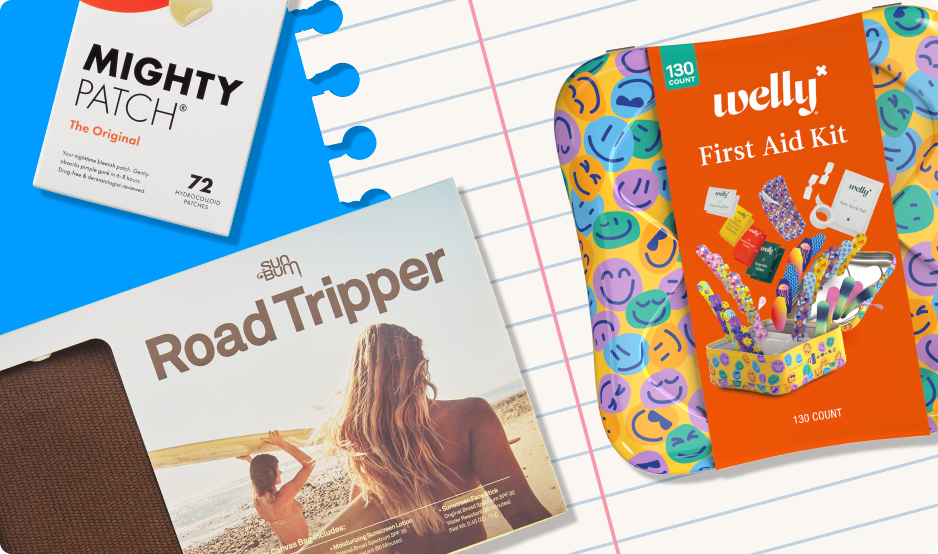
Credit: fsastore.com
Flexible Spending Account Basics
Understanding the basics of a Flexible Spending Account (FSA) is important for managing healthcare costs. FSAs allow people to set aside money before taxes to pay for certain medical expenses. This can help reduce the amount of taxes paid and make healthcare more affordable. Knowing how FSAs work helps you make the best use of them, especially for items like a first aid kit.
What Is A Flexible Spending Account?
A Flexible Spending Account is a special account offered by employers. Employees can put part of their paycheck into this account before taxes. The money in the FSA can be used to pay for qualified medical expenses. These expenses include doctor visits, prescriptions, and some medical supplies. FSAs are designed to help people save money on healthcare costs.
Benefits Of An Fsa
- Reduces taxable income by using pre-tax dollars.
- Helps cover out-of-pocket medical costs easily.
- Can be used for a wide range of medical supplies and services.
- Funds are available at the start of the plan year.
How Fsas Work
At the start of the year, you choose how much money to put in the FSA. Your employer deducts this amount from your paycheck in small parts. The money goes into your FSA before taxes are taken out. You can use this money to buy eligible medical items and pay for healthcare services. You usually need to submit receipts to get reimbursed. Some plans let you use a debit card linked to your FSA for direct payment.

Credit: www.twc.health
Eligible Expenses For Fsas
Understanding what expenses qualify under your Flexible Spending Account (FSA) can help you make smarter choices when building your first aid kit. FSAs cover a wide range of healthcare-related costs, letting you use pre-tax dollars for essential items. Knowing exactly what counts can save you money and ensure your kit is well-stocked for any minor emergency.
Healthcare Costs Covered
Your FSA can be used for many healthcare expenses beyond just doctor visits. This includes copays, prescription medications, and certain medical supplies. If you buy items that help manage or prevent illness, they often qualify for FSA reimbursement.
For example, bandages, antiseptic creams, and over-the-counter pain relievers are usually eligible. Did you know that even items like thermometers and blood pressure monitors can be covered? It’s worth checking your plan’s list to avoid surprises at checkout.
First Aid Kit Essentials
Building a first aid kit with FSA-eligible items gives you peace of mind without overspending. Stock it with basics like adhesive bandages in various sizes, sterile gauze pads, and medical tape. Antiseptic wipes and antibiotic ointments are also smart additions.
Consider adding over-the-counter pain relievers like ibuprofen or acetaminophen—these often qualify too. Including these items means you’re prepared for common injuries, and your FSA helps cover the cost. Are you using your FSA to its full potential when preparing your kit?
Other Fsa-approved Items
Your FSA covers more than just traditional first aid supplies. Items such as cold packs, heating pads, and even certain allergy treatments often qualify. Some personal protective equipment like face masks and hand sanitizers may also be reimbursable.
Don’t forget about items that support ongoing health needs, like diabetic testing supplies or contact lens solutions. Keeping these on hand can make managing your health easier and more affordable. Have you explored all the ways your FSA can help you stay prepared and healthy?
Building A First Aid Kit With Fsa Funds
Building a first aid kit using Flexible Spending Account (FSA) funds makes preparing for emergencies affordable. FSAs cover many health-related products, including essential first aid supplies. Knowing which items qualify helps you use your FSA benefits wisely and stay ready for minor injuries or accidents.
Essential First Aid Supplies
- Adhesive bandages in various sizes
- Antiseptic wipes and ointments
- Gauze pads and medical tape
- Elastic bandages for sprains
- Thermometer for fever checks
- Disposable gloves for hygiene
- Cold packs for swelling
- Burn creams and eye wash
These items cover common injuries and are typically FSA-eligible. Always check the product details to confirm eligibility.
Where To Purchase Fsa-eligible Items
- Pharmacies and drugstores
- Online retailers with FSA filters
- Medical supply stores
- Supermarkets with health sections
- Big-box stores offering FSA payment options
Many sellers label FSA-eligible products for easy identification. Keep receipts for reimbursement and tax records.
Maximizing Savings On First Aid Kits
- Buy individual supplies instead of pre-made kits
- Use FSA debit cards for direct payment
- Shop during sales or discounts
- Combine multiple small purchases to reach FSA limits
- Check for store brands that meet quality standards
Purchasing smartly ensures you get the most from your FSA benefits. Building your own kit can save money and fit your family’s specific needs.
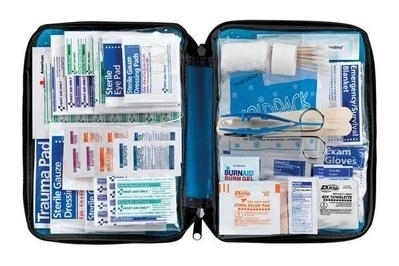
Credit: www.nytimes.com
Managing Fsa Funds Efficiently
Managing your Flexible Spending Account (FSA) funds efficiently can save you money and stress. It’s important to stay organized and aware of how much you’ve spent and what expenses qualify. Let’s look at practical ways you can keep control of your FSA and make the most out of your healthcare dollars.
Tracking Fsa Expenses
Keeping a close eye on your FSA spending helps prevent surprises at the end of the year. Use a dedicated spreadsheet or budgeting app to log every purchase related to your FSA. Many providers offer online dashboards—check them frequently to verify your balance and recent transactions.
Receipts matter. Save them in one place, either digitally or physically. This habit makes filing claims easier and protects you if there’s a dispute about an expense.
Avoiding Common Mistakes
One frequent mistake is assuming all medical expenses are eligible. Not every product or service qualifies under FSA rules. For example, over-the-counter items like bandages usually count, but cosmetics or general wellness supplements do not.
Another error is letting your funds expire. If you don’t use your FSA money within the plan year or grace period, you lose it. Watch deadlines closely and don’t wait until the last minute to spend.
Tips For Year-end Spending
As the year closes, review your remaining FSA balance early. Plan purchases that you know you’ll need, such as extra first aid supplies or prescription glasses. Buying in bulk can sometimes save money and reduce last-minute shopping stress.
Ask yourself: Are there appointments or treatments you can schedule before the year ends? Using your FSA for preventive care can be a smart way to maximize your benefits.
Advantages Of Using Fsas For First Aid Kits
Using a Flexible Spending Account (FSA) to purchase your first aid kit offers clear advantages that go beyond just convenience. It’s a smart way to prepare your family for emergencies while keeping your budget intact. Understanding these benefits can help you make better choices for your health and finances.
Cost Savings Analysis
One of the biggest advantages of using an FSA for your first aid kit is the immediate cost savings. Since FSAs use pre-tax dollars, you effectively reduce the price by your tax rate. This means if you spend $50 on a first aid kit, you might save 20-30% depending on your tax bracket.
Think about how much you spend on healthcare supplies annually. Using an FSA can stretch your healthcare dollars further without extra effort. Have you checked if your employer offers this benefit yet?
Improving Family Health Preparedness
Having a fully stocked first aid kit is crucial for your family’s safety. When you use your FSA funds, you’re more likely to invest in quality supplies that cover a wide range of emergencies. This means you’re ready to handle cuts, burns, or allergic reactions without last-minute runs to the store.
Imagine the peace of mind knowing you have everything needed for minor injuries at home or on the go. How prepared is your family if an unexpected accident occurs today?
Long-term Benefits
Using FSAs for first aid kits isn’t just about immediate savings and preparedness; it also supports your long-term health strategy. Regularly updating your kit with FSA dollars ensures you always have fresh supplies and current medications. This habit encourages ongoing health awareness and proactive care.
Moreover, by managing minor injuries promptly, you reduce the risk of complications and expensive doctor visits. Could this small investment in your first aid supplies lead to fewer health issues down the road?
Future Trends In Fsa Usage
Flexible Spending Accounts (FSAs) continue to evolve with changes in healthcare and consumer needs. The future of FSA usage shows promising trends. These trends focus on innovation, regulation updates, and shifts in how people use their FSAs. Understanding these can help users make the most of their benefits.
Innovations In Eligible Products
FSA-eligible products are expanding beyond basic medical supplies. New items like wearable health devices and digital health apps are becoming eligible. This offers more options for users to manage health. First aid kits may soon include smart thermometers or connected bandages. The goal is to support better health tracking and care at home.
Changing Regulations
Regulations around FSAs are adapting to meet current healthcare needs. Lawmakers are considering allowing more products and services to qualify. This may include over-the-counter medicines without a prescription. Rules might also simplify how users submit claims and get reimbursements. These changes aim to make FSAs easier and more useful for everyone.
Impact On Consumer Behavior
Consumers are becoming more aware of FSA benefits and how to use them. Many now plan purchases around eligible items to save money. There is a rising interest in preventive care products within FSAs. People prefer flexible, tech-friendly solutions for health needs. This shift encourages better health habits and smarter spending with FSAs.
Frequently Asked Questions
What Is A Flexible Spending Account First Aid Kit?
A Flexible Spending Account first aid kit is a collection of eligible medical supplies. It allows users to purchase approved first aid items using pre-tax FSA funds. This helps save money on essential health and safety products.
Which First Aid Items Are Fsa Eligible?
FSA-eligible first aid items typically include bandages, antiseptic wipes, gauze pads, and adhesive tape. Other items like cold packs and small scissors may also qualify. Always check your FSA provider’s list to confirm eligible products.
How To Use Fsa Funds For First Aid Kits?
To use FSA funds, buy approved first aid items from eligible retailers. Keep your receipts for reimbursement or use an FSA debit card if provided. Ensure purchases comply with your plan’s guidelines to avoid denied claims.
Can I Buy First Aid Kits Online With Fsa?
Yes, many online retailers sell FSA-eligible first aid kits. Verify the product’s eligibility before purchasing. Use your FSA card or submit a receipt for reimbursement. Online shopping offers convenience and access to a variety of FSA-approved first aid supplies.
Conclusion
A Flexible Spending Account first aid kit saves money and time. It helps cover essential health items without extra cost. You can prepare for minor injuries and common health needs. Keeping your kit stocked means less stress during emergencies. Use your FSA funds wisely before they expire.
Small steps like this protect your health and budget. Start building your kit today and stay ready for anything. Simple, smart, and practical for everyday peace of mind.

I’m Abby Lu, a passionate home cook who loves simplifying everyday meals. At PlugChef.com, I share product reviews and cooking guides to help you find the best tools for your kitchen.
Related posts:
 What Type of Cooking Utensils are Safe: Expert Picks
 What Innovations Could Blenders Make: Unleashing Future Tech
 Smart Strategies to Organize a Small Kitchen: Maximize Space
 How to Organize a Kitchen Cabinet: Expert Tips & Tricks
 How to Organize Kitchen Drawers: Expert Tips and Tricks
 How to Organize a Corner Kitchen Cupboard: Expert Tips

