
When an emergency strikes, every second counts—and having the right tools at your fingertips can make all the difference. Imagine being the first person on the scene, ready to help, but unsure if your first aid kit has what you truly need.
Your “First Responders First Aid Kit” isn’t just a box of supplies; it’s your lifeline to saving lives and providing comfort in critical moments. You’ll discover exactly what should be inside your kit, how to use each item effectively, and why being prepared can boost your confidence when it matters most.
Keep reading, because your ability to act fast and smart starts here.

Credit: www.amazon.com
Key Items In A First Aid Kit
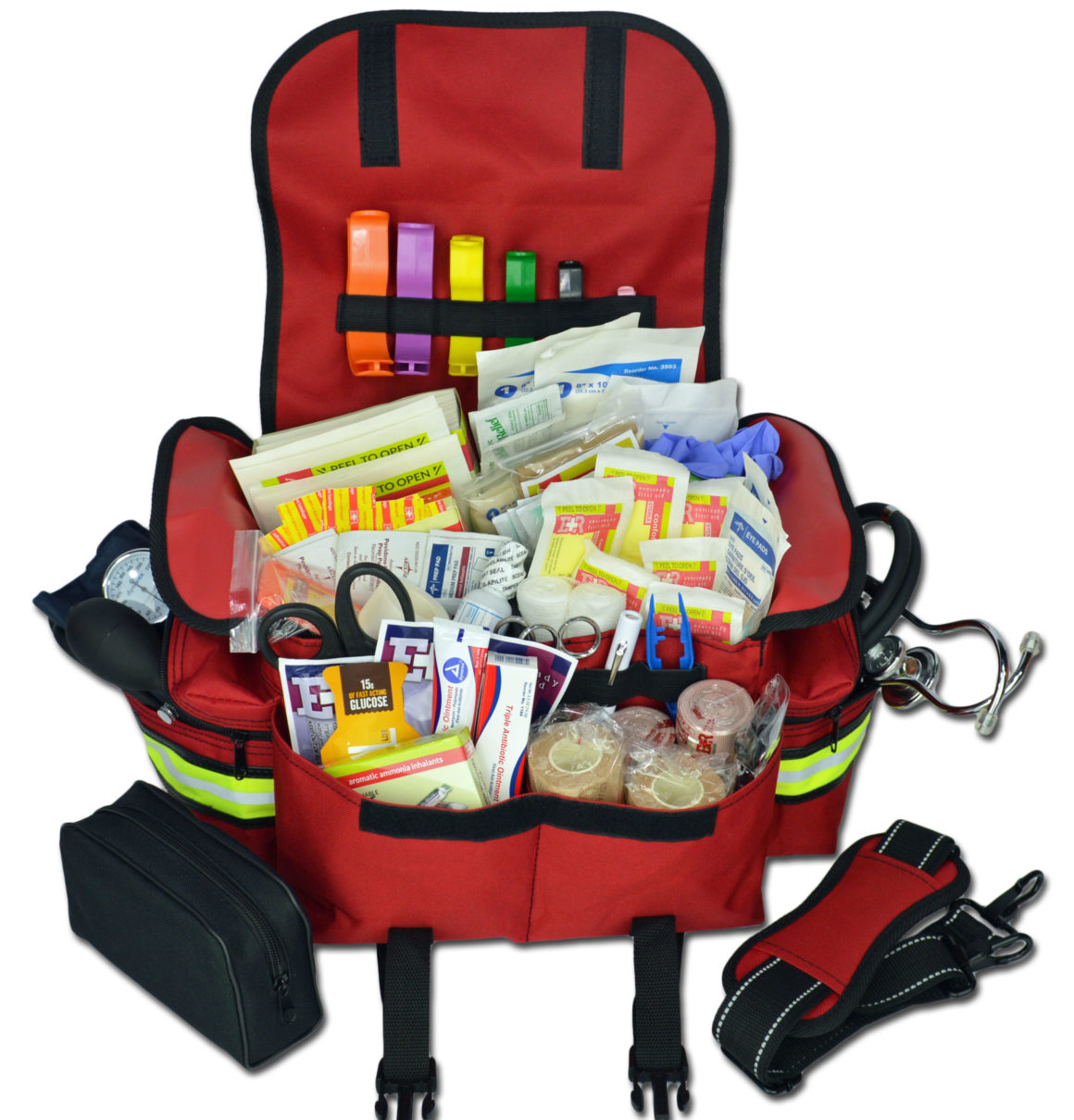
Essential supplies in a first responder’s first aid kit include bandages, antiseptic wipes, and gloves. These items help treat wounds and prevent infection quickly. Having a reliable kit ensures fast, effective care in emergencies.
Having a well-stocked first aid kit is crucial for first responders. It ensures quick and effective treatment during emergencies. Knowing what key items to include can make all the difference in providing immediate care. From bandages to pain relievers, each component serves a unique purpose. Let’s explore the essential items that should be part of every first aid kit.Bandages And Dressings
Bandages are vital for stopping bleeding and protecting wounds. A variety of bandages, including adhesive strips, gauze pads, and elastic bandages, should be in your kit. Adhesive strips are perfect for minor cuts, while gauze pads and elastic bandages offer support for more significant injuries. Dressings play a crucial role in covering wounds and preventing infection. They provide a sterile environment, which is especially important in emergency situations. Always ensure you have an assortment of sizes to cater to different injuries.Antiseptics And Ointments
Antiseptics are essential for cleaning wounds and preventing infections. They help keep germs at bay, reducing the risk of complications. Alcohol wipes or hydrogen peroxide are common choices for this purpose. Ointments, such as antibiotic creams, offer additional protection. They not only aid in healing but also soothe the skin, reducing pain and discomfort. Having both antiseptics and ointments ensures comprehensive wound care.Tools And Instruments
Tools like scissors and tweezers are indispensable in a first aid kit. Scissors are useful for cutting bandages to the required size. Tweezers help remove splinters or debris from wounds, ensuring a clean treatment area. Instruments like thermometers and gloves add an extra layer of preparedness. A thermometer is essential for monitoring body temperature, and gloves protect both the responder and the patient from cross-contamination.Medications And Pain Relievers
Medications provide immediate relief from various conditions. Include basic pain relievers like ibuprofen or acetaminophen to tackle headaches or muscle pains. They can offer comfort in stressful situations. Other important medications might include antihistamines for allergic reactions. Having a selection of pain relievers and specific medications ensures you’re ready for diverse medical needs. What would you add to your first aid kit to make it even more effective?Specialized Gear For First Responders
Specialized gear is the backbone of any first responder’s first aid kit. These tools are designed to handle critical situations quickly and effectively. Your ability to save lives often depends on having the right equipment at your fingertips, especially when every second counts.
Airway Management Tools
Maintaining a clear airway is one of the first priorities in an emergency. Tools like oropharyngeal airways (OPA) and nasopharyngeal airways (NPA) help keep air passages open when a patient is unconscious or unable to breathe properly.
Having a pocket mask or bag-valve mask (BVM) allows you to deliver breaths effectively. These tools can make the difference between life and death, especially in cases of cardiac arrest or choking. Are you confident you can use these devices under pressure?
Bleeding Control Equipment
Controlling bleeding fast is essential to prevent shock and save lives. Your kit should include tourniquets, pressure dressings, and hemostatic agents that help blood clot quickly.
Tourniquets are often misunderstood, but when used correctly, they stop severe limb bleeding immediately. Carrying these items means you can act decisively in trauma situations, giving your patient the best chance to survive.
Personal Protective Gear
Your safety matters just as much as the patient’s. Gloves, eye protection, and face masks shield you from bloodborne pathogens and other hazards you might encounter on the scene.
Wearing protective gear doesn’t slow you down—it empowers you to work confidently and efficiently. Have you prepared your kit to protect both yourself and those you care for?
Customizing Kits For Different Emergencies
Customizing your first aid kit to match specific emergencies can make a crucial difference in how effectively you respond. Different situations demand different tools and supplies, so knowing what to add or remove is key. Tailoring your kit helps you stay prepared and confident when seconds count.
Trauma And Accident Response
For trauma and accidents, your kit should focus on controlling bleeding and managing wounds. Include items like sterile gauze, adhesive bandages, trauma shears, and tourniquets. Don’t forget gloves and antiseptic wipes to keep things clean and reduce infection risks.
Adding a compact splint or elastic bandages can help stabilize fractures or sprains on the spot. Think about the types of accidents most likely in your environment—this helps you choose the right size and quantity of supplies. Have you ever been caught without a proper bandage when it was urgently needed?
Cardiac And Respiratory Emergencies
For heart or breathing problems, your kit should carry tools to assist with CPR and airway management. A CPR mask or face shield is essential to provide rescue breaths safely. Include a pocket mask with a one-way valve for added protection and ease of use.
Consider adding an automated external defibrillator (AED) if you’re in a place with high risk or many people. Oxygen delivery devices like nasal cannulas or simple masks can help until professional help arrives. Do you know how to use these devices effectively in a real emergency?
Environmental And Allergic Reactions
For environmental hazards and allergies, pack items that address insect bites, stings, and allergic reactions quickly. Antihistamine tablets, epinephrine auto-injectors (if prescribed), and hydrocortisone cream are must-haves. Cooling gels or ice packs help reduce swelling and pain from bites or burns.
Include supplies that protect against heatstroke or hypothermia, such as thermal blankets or instant cold packs. Think about the specific environmental risks in your area—is it more likely you’ll face snake bites, bee stings, or extreme weather? How prepared are you to handle these on the spot?
Maintenance And Storage Tips
Maintaining and storing a First Responders First Aid Kit properly keeps it ready for any emergency. Regular checks prevent missing or expired items. Proper storage protects supplies from damage. Managing expiration dates ensures everything works well when needed.
Regular Inspection And Restocking
Check the kit at least once a month. Look for used, damaged, or expired items. Replace any missing or depleted supplies right away. Keep a list of all items inside the kit for easy tracking. Regular restocking avoids surprises during emergencies.
Proper Storage Conditions
Store the kit in a dry, cool place away from sunlight. Avoid areas with high humidity or extreme temperatures. Use a sturdy, waterproof container to protect supplies. Keep the kit accessible but out of reach of children. Clear labeling helps find the kit quickly.
Expiration Date Management
Review expiration dates on all products regularly. Remove and replace items that are past their date. Mark expiration dates on a visible checklist inside the kit. Use older items first to reduce waste. Proper management ensures all supplies remain effective.
Training And Usage Best Practices
Having a First Responders First Aid Kit is just the beginning. The real impact comes from knowing how to use it effectively. Training and consistent practice are key to making sure you’re ready when every second counts.
Basic First Aid Skills
Knowing how to apply bandages, perform CPR, or manage choking can save lives. These skills should be refreshed regularly so they become second nature.
Hands-on practice helps you feel confident. Try role-playing scenarios with friends or coworkers to simulate real emergencies. This builds muscle memory and reduces hesitation.
Ask yourself: do you know the steps for treating burns or stopping heavy bleeding? If not, it’s time to get trained or review those skills now.
Handling High-stress Situations
Stress can cloud your judgment and slow your reactions. Learning to stay calm under pressure improves your ability to provide aid quickly and correctly.
Practice breathing techniques or mental rehearsals before emergencies happen. Visualize yourself successfully managing the situation to boost your confidence.
Remember, staying composed not only helps you but also reassures the injured and bystanders around you. What strategies do you use to keep calm when chaos unfolds?
Legal And Safety Considerations
Understanding your legal rights and responsibilities protects you and those you help. Good Samaritan laws vary by location, so familiarize yourself with local regulations.
Always prioritize your safety. Wearing gloves and using face shields prevents contamination and infection.
Documenting the care you provide can be crucial. Keep a simple log of treatments administered during an incident, as this can help medical professionals later.

Credit: www.amazon.com
Credit: gearbags.com
Frequently Asked Questions
What Is Included In A First Responders First Aid Kit?
A First Responders First Aid Kit typically includes bandages, antiseptic wipes, gloves, scissors, CPR masks, and tourniquets. It contains essential supplies for treating injuries quickly and effectively at emergency scenes.
How Often Should I Check My First Responders First Aid Kit?
You should check your First Responders First Aid Kit every 3 to 6 months. Regular checks ensure supplies are not expired, damaged, or missing, keeping the kit ready for emergencies.
Why Is A First Responders First Aid Kit Important?
This kit provides essential tools for immediate medical care during emergencies. It helps stabilize injuries and can save lives before professional medical help arrives.
Can A First Responders First Aid Kit Be Customized?
Yes, kits can be customized based on specific needs or environments. Adding items like burn dressings or allergy medications enhances preparedness for different emergency situations.
Conclusion
A first responders first aid kit saves lives in emergencies. It holds essential tools for quick, effective care. Keeping it ready and stocked is very important. Every second counts when someone needs help fast. Choose supplies that suit your situation well.
Practice using the kit to build confidence. Being prepared helps you stay calm and act. Trust your kit to support your first aid skills. Stay safe and ready for any emergency ahead.

I’m Abby Lu, a passionate home cook who loves simplifying everyday meals. At PlugChef.com, I share product reviews and cooking guides to help you find the best tools for your kitchen.
Related posts:
 What Type of Cooking Utensils are Safe: Expert Picks
 What Innovations Could Blenders Make: Unleashing Future Tech
 Smart Strategies to Organize a Small Kitchen: Maximize Space
 How to Organize a Kitchen Cabinet: Expert Tips & Tricks
 How to Organize Kitchen Drawers: Expert Tips and Tricks
 How to Organize a Corner Kitchen Cupboard: Expert Tips