
When an emergency strikes, every second counts—and having the right tools at your fingertips can make all the difference. Your First Responder First Aid Kit isn’t just a box of supplies; it’s your lifeline in critical moments.
Imagine being ready to act confidently, knowing you have everything you need to help someone in urgent need. You’ll discover what makes a first aid kit truly essential, how to choose the best one for your situation, and why being prepared can save lives—including possibly your own.
Keep reading to make sure you’re ready when it matters most.

Credit: rescue-essentials.com
Importance Of First Aid Kits
First aid kits are essential tools for saving lives in emergencies. They provide quick access to medical supplies needed to treat injuries. Having a first aid kit ready can prevent minor injuries from becoming serious. These kits support first responders by giving them the tools to act fast and confidently. Every second counts during emergencies, and a well-stocked first aid kit ensures help is immediate.
Role In Emergency Situations
First aid kits play a critical role during emergencies. They offer basic medical supplies for treating wounds, burns, and other injuries. Immediate care can reduce pain and prevent infections. These kits help stabilize victims until professional help arrives. First responders rely on these kits to provide fast and effective assistance. Without a first aid kit, responders may lack the necessary items to act.
Enhancing Response Efficiency
First aid kits improve the speed and quality of emergency care. Supplies are organized and easy to find, saving valuable time. Responders can focus on treatment without searching for tools. Kits include items like bandages, antiseptics, and gloves to handle various injuries. Well-prepared kits reduce stress and increase confidence during crises. This efficiency can make a big difference in outcomes for victims.
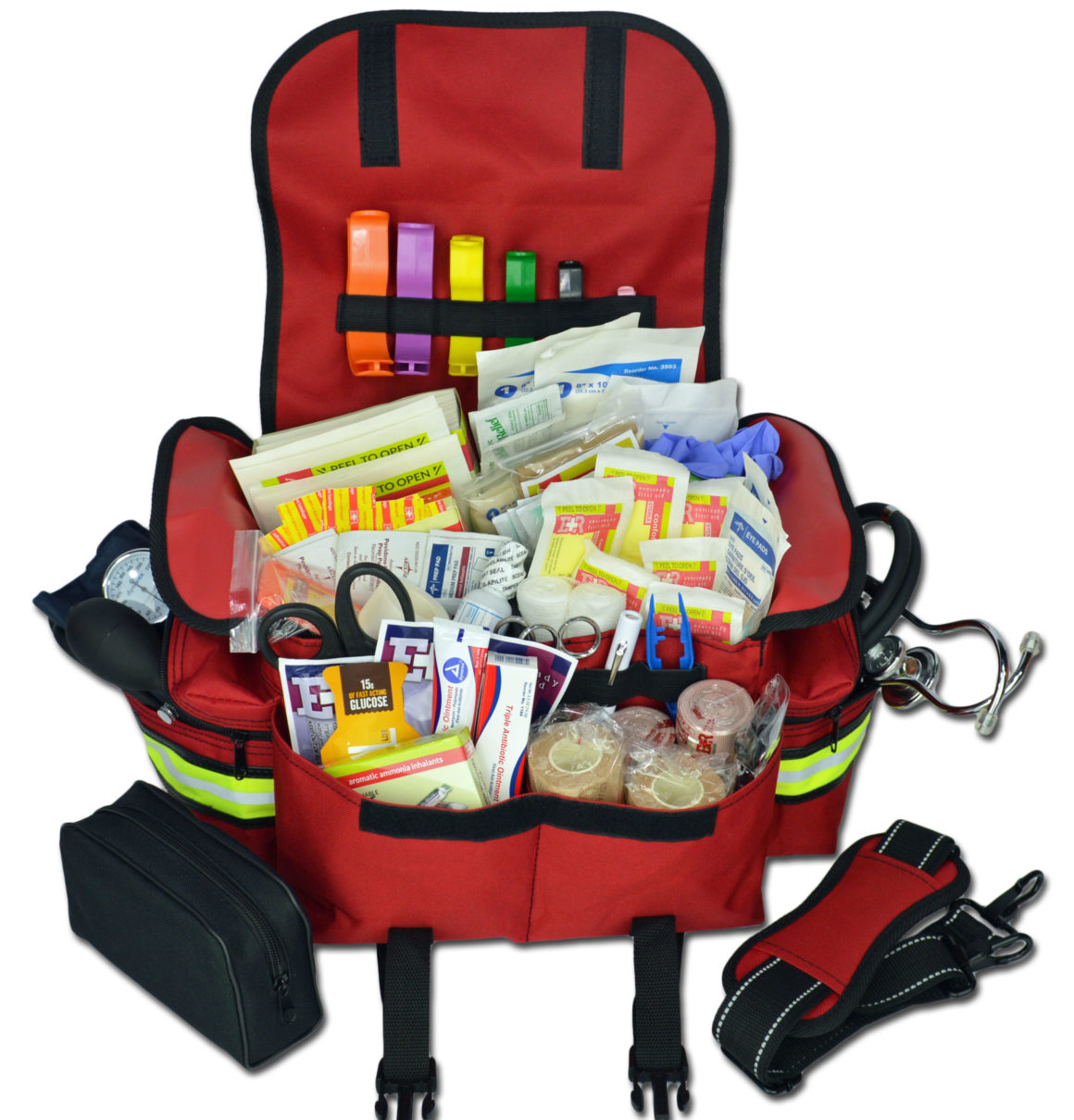
Credit: gearbags.com
Components Of First Responder Kits
First responder first aid kits contain essential tools and supplies for emergency care. These kits help treat injuries quickly and save lives. Knowing the components helps users act confidently in urgent situations. The kits include both basic supplies and advanced medical tools. Each item serves a specific purpose in different emergencies.
Basic Supplies
- Adhesive bandages of various sizes for small cuts
- Sterile gauze pads to cover wounds and stop bleeding
- Adhesive tape to secure dressings and bandages
- Antiseptic wipes to clean wounds and prevent infection
- Elastic bandages for sprains and support
- Disposable gloves to protect both patient and responder
- Scissors and tweezers for cutting tape and removing debris
- CPR face shield or mask for safe resuscitation
- Instant cold packs to reduce swelling and pain
- Burn dressings to soothe and protect burns
Advanced Medical Tools
- Tourniquets to control severe bleeding in limbs
- Chest seals for treating open chest wounds
- Hemostatic agents to help stop heavy bleeding fast
- Airway adjuncts like oropharyngeal airways to keep airways open
- Pulse oximeters to measure oxygen levels in the blood
- Thermometers to check body temperature
- Blood pressure cuffs for monitoring vital signs
- Penlights for pupil and wound examination
- Emergency blankets to prevent hypothermia
Customization For Specific Needs
First Responder First Aid Kits are not one-size-fits-all. Customizing them to meet specific needs can make a critical difference in emergency situations. Your kit should reflect the environment you operate in and the types of injuries you are most likely to face.
Tailoring For Different Emergencies
Think about the types of emergencies you encounter most often. Are you working in a construction zone where cuts and falls are common? Or maybe you’re in a remote area where snake bites or allergic reactions are more likely. Your first aid kit should be packed accordingly.
For example, in a workplace prone to chemical spills, adding burn dressings and eye wash solutions makes sense. If you’re in an area with frequent outdoor activity, including items like insect bite treatment and splints might save precious time. Ask yourself: what injuries could happen here, and do you have the right tools ready?
Specialized Equipment Options
Beyond the basics, specialized equipment can enhance your response. This might mean carrying a tourniquet designed for severe bleeding or a pocket mask for safe CPR. These tools can be lifesaving when seconds count.
- Hemostatic dressings for heavy bleeding
- Burn gel packs for thermal injuries
- Cold packs for sprains and strains
- Emergency blankets to prevent shock
Imagine having to improvise a solution during an emergency because your kit lacked the right equipment. How much easier would your response be if your kit already had the exact tools you need? Customizing your first aid kit ensures you’re not caught unprepared.
Quality And Durability
Quality and durability are the backbone of any first responder first aid kit. You rely on these kits in critical moments, so every component must perform without fail. A kit that falls apart or lets moisture in can compromise your ability to provide care when it matters most.
Material Considerations
The materials used in first aid kits directly affect their strength and lifespan. Look for kits made from high-denier nylon or heavy-duty polyester, as these fabrics resist tearing and abrasion. Strong zippers and reinforced stitching add extra layers of durability you can trust.
Have you ever struggled with a flimsy bag that ripped open at the worst time? That experience highlights why paying attention to material quality is essential. A well-made kit protects your supplies and keeps everything organized under pressure.
Weather Resistance Features
Weather resistance is crucial if your kit faces unpredictable conditions. Water-resistant coatings and sealed seams prevent moisture from damaging bandages and medications. Some kits even come with waterproof inner compartments to safeguard sensitive items.
Think about how sudden rain or snow could affect your ability to treat injuries outdoors. Would your kit keep everything dry and usable? Choosing a weather-resistant kit means you’re prepared for whatever environment you encounter.
Training And Usage
First Responder First Aid Kits are essential tools for emergency situations. Proper training ensures users can handle these kits effectively. Training builds confidence and improves response time. Using the kit correctly can save lives and reduce injury severity.
Skill Development
Learning how to use each item in the kit is crucial. Practice with bandages, splints, and CPR masks helps users act swiftly. Understanding when and how to apply these tools increases success in emergencies. Skills should be refreshed regularly to maintain readiness.
Regular Drills
Frequent practice drills simulate real emergencies. These drills help responders stay calm and focused under pressure. Teams can identify weaknesses and improve coordination. Regular drills ensure everyone knows their role and equipment location.
Regulations And Standards
First Responder First Aid Kits must meet strict regulations and standards. These rules ensure kits are reliable and ready for emergencies. Proper compliance guarantees that responders have the right supplies. Standards focus on kit contents, storage, and accessibility. Understanding these requirements helps maintain safety and efficiency.
Compliance Requirements
First aid kits must follow local and national laws. Regulations often specify the minimum items needed. Kits should be regularly checked and replenished. Some regions require certification from health authorities. Non-compliance can lead to fines or legal issues. Employers must provide kits that meet these rules. Training responders on kit use is also important.
Industry Guidelines
Many organizations set guidelines to improve kit quality. Groups like the American Red Cross offer recommendations. These include what items to include based on risk. Guidelines suggest adding extra supplies for certain hazards. Kits should be easy to carry and use. Regular updates to guidelines keep kits up to date. Following these helps responders act quickly and safely.
Future Innovations
First responder first aid kits are evolving quickly. New ideas and tools make emergency care faster and easier. Future innovations will help responders save lives with better equipment. The focus is on smarter, more efficient, and connected kits. These kits will improve treatment and communication in emergencies.
Technological Advancements
Technology is changing first aid kits. Lightweight materials make kits easier to carry. Sensors can track vital signs like heart rate and temperature. Some kits may include portable devices to stop bleeding quickly. New tools can guide responders through emergency steps. This helps even those with less training give proper care.
Integration With Digital Tools
Digital tools link first aid kits to smartphones and tablets. Apps can show step-by-step instructions during an emergency. Video calls with medical experts provide real-time advice. GPS tracking helps find the nearest hospital or ambulance fast. Data from the kit can be sent to emergency teams before they arrive. This saves time and improves patient care.

Credit: www.amazon.com
Frequently Asked Questions
What Essential Items Are In A First Responder First Aid Kit?
A first responder first aid kit includes bandages, antiseptics, gloves, scissors, CPR masks, and trauma supplies. These items help manage injuries quickly and effectively until professional help arrives.
How Does A First Responder Kit Differ From Regular First Aid Kits?
First responder kits contain more advanced supplies for severe injuries and emergencies. They are designed for quick response in critical situations, unlike basic kits for minor injuries.
Why Is A First Responder Kit Important In Emergency Situations?
It provides immediate medical care, stabilizes patients, and prevents conditions from worsening. This kit is crucial for saving lives before emergency services arrive.
How Often Should First Responder First Aid Kits Be Checked?
Kits should be checked monthly to ensure all supplies are present and not expired. Regular maintenance guarantees readiness during emergencies.
Conclusion
First responder first aid kits save lives in emergencies. Carrying a well-stocked kit helps you act fast. Knowing what items to include is very important. These kits support quick care before professional help arrives. Everyone should keep one nearby at home or work.
Practice using the supplies so you feel ready. Being prepared can make a big difference. Stay safe by choosing the right first aid kit today.

I’m Abby Lu, a passionate home cook who loves simplifying everyday meals. At PlugChef.com, I share product reviews and cooking guides to help you find the best tools for your kitchen.
Related posts:
 What Type of Cooking Utensils are Safe: Expert Picks
 What Innovations Could Blenders Make: Unleashing Future Tech
 Smart Strategies to Organize a Small Kitchen: Maximize Space
 How to Organize a Kitchen Cabinet: Expert Tips & Tricks
 How to Organize Kitchen Drawers: Expert Tips and Tricks
 How to Organize a Corner Kitchen Cupboard: Expert Tips