
When it comes to keeping your church safe, having the right first aid kit is more important than you might think. You never know when a small accident could happen during a service or event.
Being prepared means you can act quickly and confidently to help someone in need. This guide will show you exactly what to look for in a first aid kit for your church, so you can protect your community and provide peace of mind.
Keep reading to discover how to choose the perfect kit that fits your church’s unique needs.
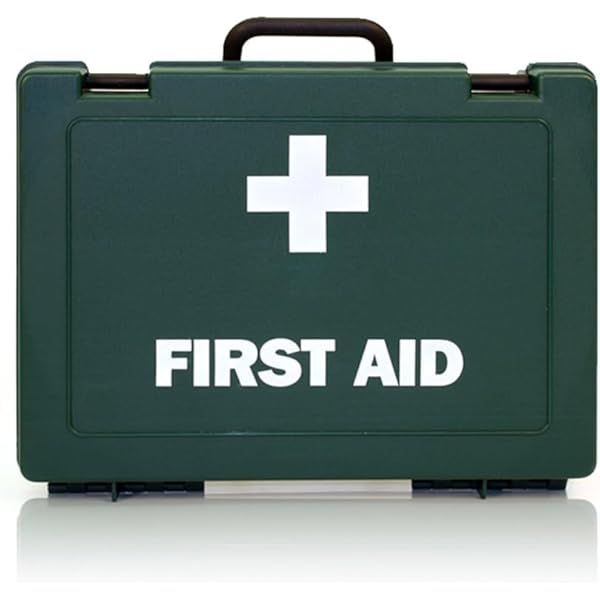
Credit: www.amazon.co.uk
Importance Of First Aid Kits In Churches
The importance of first aid kits in churches cannot be overstated. These kits serve as a vital safety net, ensuring that immediate care is available during unforeseen emergencies. Whether it’s a minor cut or something more serious, having a well-equipped first aid kit can make all the difference in handling the situation efficiently and calmly.
Common Injuries In Church Settings
Church environments, while serene, can be surprisingly prone to common injuries. Children attending Sunday school might trip and scrape a knee, or someone could suffer a sprained ankle while participating in church activities. You might have experienced a paper cut from handling church bulletins or a minor burn from candles during a service.
These seemingly minor injuries can escalate if not addressed promptly. A well-stocked first aid kit ensures that you can provide immediate care and prevent complications. What would you do if someone fainted during a crowded service? Having the right supplies at hand is essential to maintaining safety and calm.
Legal And Safety Responsibilities
Churches have a legal responsibility to ensure the safety of their congregation. This includes being prepared to deal with medical emergencies. Neglecting this duty can lead to serious consequences, not only for the injured party but also legally for the church.
Equipping your church with proper first aid kits is not just a matter of safety; it’s about fulfilling your responsibility to those who trust you with their well-being. Consider the peace of mind you offer to parents, knowing their children are safe during church activities. Are you prepared to handle an emergency effectively?
By prioritizing first aid readiness, churches can demonstrate a commitment to safety and well-being, reinforcing trust within the community. What steps can you take today to ensure your church is prepared for any eventuality?
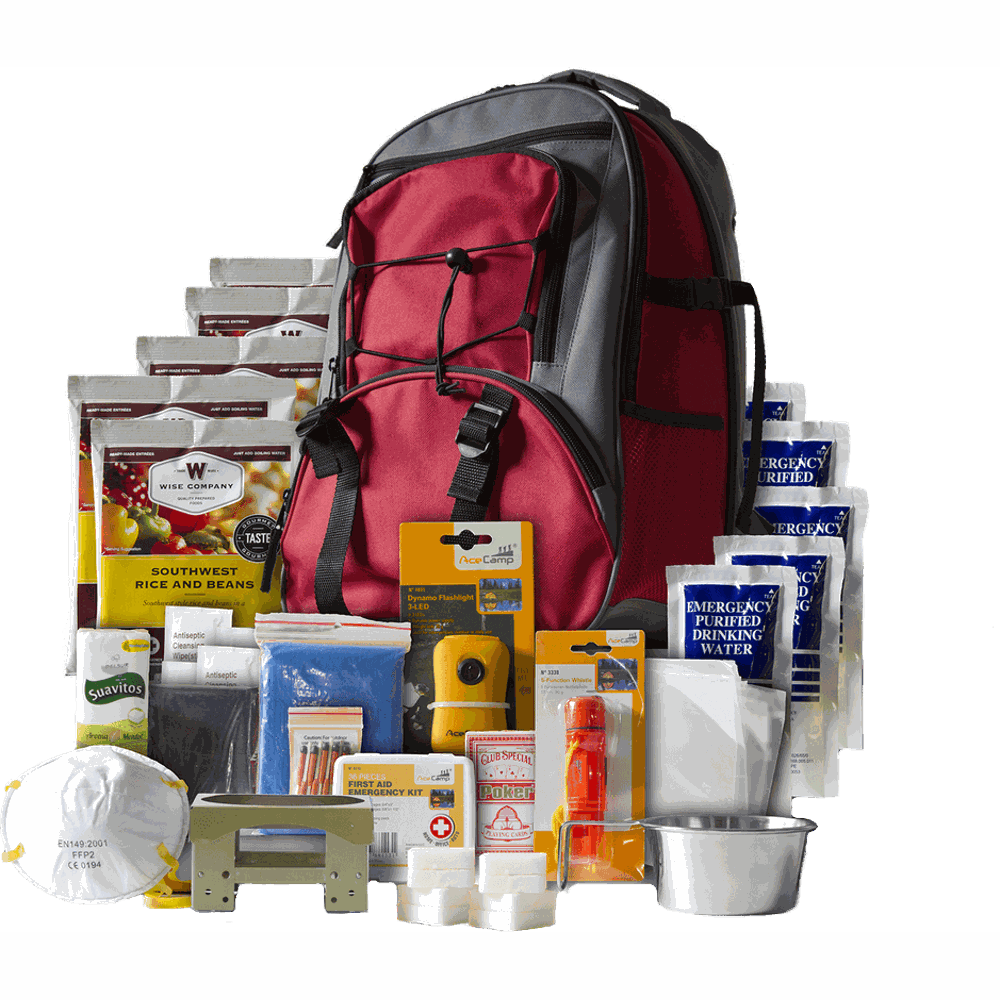
Credit: www.deseretbook.com
Key Items For Church First Aid Kits
Having a well-stocked first aid kit in your church is more than just a precaution—it’s a responsibility. Knowing what to include ensures you can handle minor injuries promptly and be prepared for unexpected emergencies. Let’s look closely at the key items that should never be missing from your church’s first aid kit.
Basic Supplies Everyone Should Have
Your first aid kit should cover the basics to treat common injuries that happen during church events. These items are essential for cuts, scrapes, and minor burns.
- Adhesive bandagesin various sizes to cover small wounds.
- Sterile gauze padsand adhesive tapefor larger cuts.
- Antiseptic wipesor solutions to clean wounds and prevent infection.
- Disposable glovesto keep everyone safe and hygienic.
- Scissors and tweezersfor cutting bandages and removing splinters.
- Burn creamand pain relieverslike ibuprofen or acetaminophen.
- Instant cold packsto reduce swelling.
Have you ever faced a situation where a simple item like tweezers made a big difference in quickly helping someone? Being prepared means you’re ready to act without hesitation.
Specialized Equipment For Emergencies
Besides the basics, your church should also have equipment for more serious incidents. Emergencies require tools that can stabilize someone until professional help arrives.
- CPR face shield or maskto safely perform rescue breathing.
- Elastic bandagesfor sprains or strains.
- Thermal blanketto prevent shock or hypothermia.
- Eye wash solutionfor flushing out irritants.
- Instant glucose or sugar packetsfor diabetic emergencies.
- Emergency contact listincluding local medical facilities and church leaders.
- First aid manualto guide anyone who might not be fully trained.
Imagine an unexpected allergic reaction during a church gathering—would your kit help you respond effectively? Including specialized items can be a lifesaver and boost everyone’s confidence in a crisis.
Choosing The Right First Aid Kit
Choosing the right first aid kit for a church is crucial for safety. It ensures quick response to injuries or emergencies during gatherings. The kit must meet the specific needs of the church community. Consider factors like the number of people and typical activities.
Size and portability matter to make the kit easy to access and use. Durability and quality ensure the supplies remain effective over time. Careful selection helps maintain a safe environment for everyone.
Size And Portability Considerations
The first aid kit size depends on the church’s attendance and space. A small kit suits a small group or chapel. Larger churches need bigger kits with more supplies. Portability allows the kit to move between rooms or outdoor events.
- Compact kits fit easily in small storage areas.
- Lightweight kits are simple to carry during emergencies.
- Consider kits with handles or backpacks for ease.
- Multiple kits can cover different church zones.
Durability And Quality Features
Durable kits protect supplies from damage and moisture. Look for kits made with strong materials like hard plastic or sturdy fabric. Quality items inside ensure effectiveness during treatment.
- Water-resistant cases keep contents dry and safe.
- Clear labeling helps find items quickly.
- Reusable compartments keep supplies organized.
- Check expiration dates regularly to replace old items.
Placement And Accessibility Tips
Proper placement and easy access to first aid kits in your church can make a real difference during emergencies. You want everyone—from the pastor to visitors—to find help quickly without any confusion or delay. Thoughtful positioning and clear visibility are key factors to keep your community safe and confident.
High-traffic Areas To Consider
Place first aid kits where people naturally gather or pass through often. Areas like the main entrance, fellowship hall, kitchen, and nursery are ideal spots. These places see frequent foot traffic, so a kit there can serve many in a pinch.
Think about spots near the sanctuary and classrooms too. Accidents can happen anywhere, and having kits nearby cuts down response time. You might recall a situation where someone slipped in the hallway—wouldn’t it be easier if a first aid kit was right there?
Signage And Visibility
Even the best-placed first aid kit is useless if no one can find it. Use clear, bright signs with universal symbols to mark the kit’s location. Signs should be easy to spot from a distance and placed at eye level.
Consider adding glow-in-the-dark or reflective signs for low-light situations. Make sure nothing blocks the kit or its signage, like furniture or decorations. Would your visitors or new volunteers know where to look in a hurry?
Training Church Staff And Volunteers
Training church staff and volunteers is essential for safe and quick responses during emergencies. Proper training builds confidence and helps manage injuries or health issues effectively. Everyone involved should know how to use the first aid kit and act calmly under pressure.
Basic First Aid Training Options
Simple first aid courses teach key skills like wound care, CPR, and choking relief. Many local health organizations offer these courses. Online training is also available for flexible learning.
- Learn how to treat cuts, burns, and sprains
- Understand how to perform CPR on adults and children
- Know how to use an automated external defibrillator (AED)
- Recognize signs of serious conditions like stroke or heart attack
Choose a course that matches your team’s needs and availability. Regular updates keep skills sharp and current.
Regular Drills And Practice Sessions
Practice builds muscle memory and reduces panic during real events. Set up drills to simulate common emergencies. Include scenarios like fainting, allergic reactions, or minor injuries.
- Schedule drills every few months
- Encourage teamwork and clear communication
- Review each drill to identify areas for improvement
- Ensure everyone knows where the first aid kit is located
Practice keeps the team prepared and ready to help at any time.
Top First Aid Kits For Churches
Choosing the right first aid kit for your church can make all the difference during an emergency. You want a kit that matches your congregation’s size and the types of activities you host. Whether you’re on a tight budget or want a kit loaded with advanced supplies, there are solid options available to keep everyone safe and prepared.
Budget-friendly Options
You don’t have to spend a lot to get a reliable first aid kit for your church. Many budget-friendly kits cover the basics like bandages, antiseptic wipes, and adhesive tape. These essentials are perfect for treating minor cuts, scrapes, and bruises that happen during church events or kids’ activities.
Look for kits that include:
- Variety of bandage sizes
- Antiseptic wipes and ointments
- Disposable gloves and scissors
- CPR face shield or mask
One church volunteer shared how a simple budget kit helped quickly treat a child’s scraped knee during Sunday school. It saved time and prevented unnecessary worry. What small injuries might your kit need to handle most often?
Premium Kits With Advanced Supplies
If your church hosts larger groups or more active events, a premium first aid kit might suit you better. These kits go beyond basics and include items like burn dressings, instant cold packs, and trauma shears. Some even come with a compact first aid manual tailored for emergency responders.
Premium kits often contain:
- Advanced wound care supplies
- Emergency blankets
- Splints and tourniquets
- Specialty medications and tools
One church leader mentioned that having advanced supplies helped their team manage a serious injury until paramedics arrived. It gave them confidence and peace of mind. Could your church benefit from this level of preparedness?
Maintaining And Restocking Kits
Maintaining and restocking first aid kits in churches is essential for safety. Regular care ensures kits are ready during emergencies. A well-kept kit provides quick aid and peace of mind for everyone.
Routine Inspection Checklists
Use a checklist to review the kit regularly. Check each item for damage or loss. Make sure the kit stays clean and organized. Set a schedule, such as monthly or quarterly checks. Assign a person responsible for inspections. Record the inspection date and notes for future reference.
Replacing Expired Or Used Items
Remove expired items immediately to keep the kit effective. Replace anything that has been used, even partially. Stock fresh bandages, antiseptics, and gloves. Check expiration dates on ointments and medications. Keep extra supplies on hand for quick restocking. Proper replacement keeps the kit reliable and ready for all situations.

Credit: www.instagram.com
Frequently Asked Questions
What Should A Church First Aid Kit Include?
A church first aid kit should include bandages, antiseptic wipes, gloves, scissors, adhesive tape, and pain relievers. It should also have CPR masks, burn cream, and allergy medication to address common emergencies quickly and effectively.
How Often Should Church First Aid Kits Be Checked?
Church first aid kits should be checked every three to six months. Regular checks ensure supplies are not expired, damaged, or missing. This practice keeps the kit ready for emergencies at all times.
Who Should Maintain The Church First Aid Kit?
A designated church staff member or volunteer should maintain the first aid kit. They should regularly inspect, restock, and ensure accessibility. Proper maintenance guarantees the kit is functional when needed.
Where Is The Best Place To Keep A Church First Aid Kit?
Keep the church first aid kit in a visible, easily accessible location. Common spots include the main office, kitchen, or fellowship hall. Clear signage helps everyone find it quickly during emergencies.
Conclusion
A church should always be ready for emergencies. A first aid kit helps protect everyone in need. Keep the kit stocked with essential supplies. Train volunteers on how to use it safely. Regular checks ensure the kit stays complete and useful.
Safety creates peace of mind for the whole community. A simple step that can save lives during church activities. Don’t wait for an accident to act. Prepare now and care for your church family.

I’m Abby Lu, a passionate home cook who loves simplifying everyday meals. At PlugChef.com, I share product reviews and cooking guides to help you find the best tools for your kitchen.
Related posts:
 What Type of Cooking Utensils are Safe: Expert Picks
 What Innovations Could Blenders Make: Unleashing Future Tech
 Smart Strategies to Organize a Small Kitchen: Maximize Space
 How to Organize a Kitchen Cabinet: Expert Tips & Tricks
 How to Organize Kitchen Drawers: Expert Tips and Tricks
 How to Organize a Corner Kitchen Cupboard: Expert Tips