

When you’re out on the water, safety should always be your top priority. Having a well-stocked first aid kit on your boat isn’t just smart—it can be a lifesaver in emergencies.
You never know when a small cut, burn, or injury might turn into a serious problem. That’s why choosing the right first aid kit for your boat matters. You’ll discover exactly what you need to keep on board, how to pick the best kit, and tips to stay prepared no matter where your boating adventures take you.
Don’t wait until it’s too late—let’s make sure your boat is ready for anything.

Credit: www.hodgesmarine.com
Choosing The Right Kit
Choosing the right first aid kit for your boat is crucial. A well-equipped kit ensures safety during unexpected emergencies. It’s important to consider several factors when selecting a kit. You want something that suits your boat’s needs and space. Let’s dive into the essential aspects to ensure your kit is up to the task.
Size And Capacity
Consider the size of your boat and the number of passengers. Larger boats with more people need bigger kits. A small kit might be suitable for a solo trip. On larger vessels, opt for kits with more supplies. The kit should fit comfortably in your storage space. Ensure it can cater to potential injuries or medical needs.
Waterproof Features
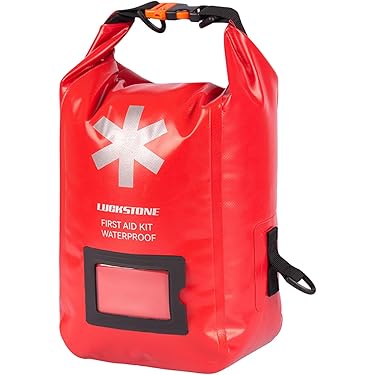
Boats are surrounded by water, so a waterproof kit is vital. It protects supplies from moisture and water damage. Look for kits with sealed compartments. Waterproof bags or cases add extra protection. This ensures supplies remain effective and usable. A soggy bandage is of no use in an emergency.
Durability And Material
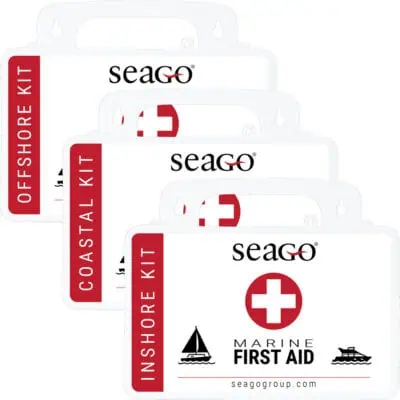
Durability is key for a first aid kit on a boat. Choose kits made from robust materials. Hard plastic or metal cases withstand rough conditions. Ensure the kit can handle bumps and falls without damage. Durable materials protect contents during long trips. A strong kit means reliable safety in emergencies.
Credit: www.marinesuperstore.com
Essential Contents
A well-stocked first aid kit is vital for every boat. It ensures quick help during injuries or sudden health issues. Essential contents cover basic needs and specific marine situations. Proper supplies improve safety and reduce risks on water.
Basic Medical Supplies
- Adhesive bandages of various sizes
- Sterile gauze pads and adhesive tape
- Antiseptic wipes and alcohol pads
- Scissors and tweezers
- Elastic bandages for sprains
- Disposable gloves for hygiene
- CPR face shield or mask
- Instant cold packs
Medications And Ointments
- Pain relievers like ibuprofen or acetaminophen
- Antihistamines for allergic reactions
- Antiseptic cream or antibiotic ointment
- Burn relief gel
- Motion sickness tablets
- Hydrocortisone cream for skin irritation
- Oral rehydration salts
Specialized Marine Items
- Waterproof flashlight or headlamp
- Emergency thermal blanket
- Sea sickness wristbands
- Waterproof container for supplies
- Signaling mirror or whistle
- Extra water and electrolyte drinks
Customizing Your Kit
Customizing your first aid kit for boating ensures safety and readiness. Every boat trip has unique needs. Tailor your kit to fit those needs well. A well-prepared kit can handle small injuries fast. It also supports serious emergencies until help arrives.
Considering Crew Size
The number of people on board affects kit size. More crew means more supplies. Check for enough bandages, antiseptics, and medications. Think about common health issues among crew members. Include personal medications like allergy pills or inhalers. Organize items so everyone can access them quickly.
Accounting For Trip Duration
Longer trips need more supplies. Stock up on extra dressings and pain relievers. Replace items that expire before your next trip. Add tools for treating dehydration or seasickness. A well-stocked kit supports health over days or weeks. Keep a checklist to track used and expired items.
Adapting For Specific Activities
Different activities bring different risks. Fishing trips might need sting relief and tweezers. Watersports require waterproof plasters and cold packs. Sailing calls for motion sickness remedies and sunburn treatments. Adjust your kit according to planned activities. Prepare for injuries common to your favorite boating hobby.
Maintenance Tips
Keeping your boat’s first aid kit in top shape is more than just a good idea—it’s essential for safety on the water. A well-maintained kit means you can act quickly and confidently in an emergency. Let’s look at how you can keep your kit ready for any situation.
Regular Inventory Checks
Check your first aid kit regularly to make sure everything you need is there. Create a checklist of items such as bandages, antiseptic wipes, and pain relievers, and verify each one is stocked. Missing supplies can cause delays when seconds count.
Set a reminder to inspect the kit monthly or after every trip. This habit helps catch any items that have been used or lost without notice. You’ll avoid surprises when you least expect them.
Replacing Expired Items
Expired supplies lose their effectiveness, which can put you at risk. Keep an eye on expiration dates printed on medications, ointments, and sterile materials. Replace anything that’s past its prime immediately.
Don’t wait for a full restock before swapping out expired items. Even one outdated bandage or antiseptic can be useless in an emergency. Think of it like refreshing your safety net—always ready and reliable.
Proper Storage Practices
Where and how you store your first aid kit affects its usability. Keep it in a dry, cool spot away from direct sunlight to prevent damage and deterioration. Moisture and heat can ruin medicines and cause bandages to stick together.
Label the kit clearly and place it somewhere easily accessible during emergencies. You want to reach it fast without rummaging through clutter. Imagine the difference this makes when you’re dealing with a sudden injury on deck.
Training And Usage
Knowing how to use your boat’s first aid kit effectively can make a critical difference during emergencies. Training ensures you don’t just have the right supplies but can also act swiftly and confidently. This section breaks down essential skills, response steps, and when to call for professional help.
Basic First Aid Skills
Start by learning key first aid techniques such as CPR, wound cleaning, and bandaging. Practice applying pressure to stop bleeding and how to treat burns or fractures. Hands-on training sessions or certified courses provide the confidence needed to handle real situations.
Keep your knowledge fresh by reviewing instructions regularly. You might think you’ll remember everything, but adrenaline can cloud judgment during emergencies. How prepared do you feel to manage common injuries on your boat right now?
Emergency Response Procedures
When an injury happens, your first actions set the tone for the entire emergency. Always ensure the scene is safe before assisting others. Use the first aid kit items in a logical order: stop bleeding, clean wounds, immobilize injuries, then monitor the victim.
Communicating clearly with your crew is vital. Assign roles—someone should call for help while another manages the injured person. Have a checklist visible near your first aid kit to remind you of these steps under pressure.
When To Seek Professional Help
Some injuries require immediate medical attention beyond what your kit or skills can handle. Deep cuts, difficulty breathing, severe burns, or loss of consciousness are red flags. Don’t hesitate to use your marine radio or phone to call emergency services.
Ask yourself if the injury worsens or shows no improvement within minutes. Time is critical, especially on the water where help might take longer to arrive. Knowing when to escalate can save lives and prevent complications.
Credit: www.amazon.com
Legal And Safety Regulations
Understanding legal and safety regulations is crucial for every boat owner. First aid kits on boats are not just helpful—they are often required by law. These rules protect lives and ensure preparedness during emergencies at sea.
Marine Safety Requirements
Marine safety laws set the minimum standards for first aid kits on boats. The kits must include specific items such as bandages, antiseptics, and emergency tools. Authorities may require larger or more comprehensive kits for bigger vessels or longer trips. Regular inspections check that kits are complete and items are not expired.
Compliance With Local Laws
Each country or region has its own rules about first aid kits on boats. These laws can vary widely, so boat owners must research local regulations before setting sail. Some areas mandate additional safety equipment alongside first aid kits. Staying compliant helps avoid fines and legal trouble while promoting safety on the water.
Insurance And Liability
Insurance companies often require properly stocked first aid kits on boats. Having a compliant kit can lower insurance premiums and speed up claims. In case of accidents, liability may increase if the boat lacks adequate first aid supplies. Being prepared protects both passengers and the boat owner’s legal interests.
Frequently Asked Questions
What Essential Items Should Be In A Boat First Aid Kit?
A boat first aid kit should include bandages, antiseptic wipes, adhesive tape, scissors, pain relievers, tweezers, and seasickness tablets. It is crucial to have supplies for cuts, burns, and marine-specific injuries to ensure safety while on water.
How Often Should Boat First Aid Kits Be Checked?
Boat first aid kits should be checked at least twice a year. Regular checks ensure expired items are replaced and supplies remain complete for emergencies during boating trips.
Are Boat First Aid Kits Different From Regular Kits?
Yes, boat first aid kits include marine-specific items like seasickness remedies and waterproof packaging. They are designed to handle water-related injuries and ensure durability in wet environments.
Where Should The First Aid Kit Be Stored On A Boat?
Store the first aid kit in a dry, easily accessible location on the boat. It should be near the captain’s seat or main cabin to ensure quick access during emergencies.
Conclusion
A first aid kit on a boat saves lives and prevents serious injuries. Keep it stocked with essential supplies. Check the kit regularly to replace used or expired items. Store it in a dry, easy-to-reach place. Everyone on board should know where it is and how to use it.
Being prepared helps you stay safe on the water. Small steps can protect you and your passengers. Don’t wait for an emergency to act. A good first aid kit is a smart, simple choice for every boater.

I’m Abby Lu, a passionate home cook who loves simplifying everyday meals. At PlugChef.com, I share product reviews and cooking guides to help you find the best tools for your kitchen.
Related posts:
 What Type of Cooking Utensils are Safe: Expert Picks
 What Innovations Could Blenders Make: Unleashing Future Tech
 Smart Strategies to Organize a Small Kitchen: Maximize Space
 How to Organize a Kitchen Cabinet: Expert Tips & Tricks
 How to Organize Kitchen Drawers: Expert Tips and Tricks
 How to Organize a Corner Kitchen Cupboard: Expert Tips

