

When an injury happens, having the right tools can make all the difference. Imagine a deep cut that won’t stop bleeding—what would you do?
A first aid kit with sutures could be your lifesaver. This isn’t just any basic kit; it’s designed to help you handle serious wounds quickly and effectively. If you want to be prepared for emergencies and protect yourself and your loved ones, keep reading.
You’ll discover why this type of kit is a must-have, how it works, and what to look for when choosing one. Your safety starts with being ready—let’s make sure you are.
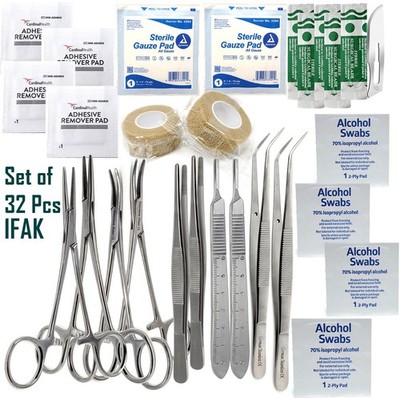
Credit: www.ebay.com
Importance Of First Aid Kits
First aid kits are essential for every home, car, and workplace. They provide the tools needed to handle injuries before professional help arrives. Having a first aid kit with sutures adds a critical edge to basic care. It allows for quick treatment of deeper cuts, reducing the risk of infection and speeding up healing.
Emergency Preparedness
Being prepared can save lives. A well-stocked first aid kit helps you face unexpected injuries calmly. Sutures in the kit allow you to close wounds properly. This readiness reduces panic and improves outcomes in emergencies. Everyone should keep a first aid kit within easy reach.
Immediate Response
Quick action matters in injury situations. Sutures help control bleeding and protect wounds. Using them promptly lowers the chance of complications. A first aid kit with sutures supports fast and effective care. Immediate response can prevent minor injuries from becoming serious problems.
Components Of A First Aid Kit
A well-stocked first aid kit contains essential items for treating injuries quickly. Knowing the components helps you respond effectively during emergencies. A first aid kit with sutures adds an advanced level of care for cuts and wounds that need stitching.
Components vary from basic supplies to advanced tools. Each plays a vital role in managing different types of injuries.
Basic Supplies
- Adhesive bandages in various sizes
- Sterile gauze pads to cover wounds
- Medical tape to secure dressings
- Antiseptic wipes to clean wounds
- Antibiotic ointment to prevent infection
- Elastic bandages for sprains and strains
- Disposable gloves for hygiene
- Scissors for cutting tape and gauze
- Tweezers for removing debris
- Instant cold packs for swelling
Advanced Tools
- Sutures and sterile needles for stitching deep cuts
- Suture removal kit for follow-up care
- Hemostatic agents to control bleeding
- Burn dressings to soothe and protect burns
- Tourniquet for severe bleeding control
- Splints to immobilize fractures
- CPR face shield for safe resuscitation
- Thermometer for checking body temperature
- Instant glucose packets for low blood sugar
- First aid manual for quick reference
Role Of Sutures In Wound Care
Sutures play a crucial role in wound care. They help close wounds and speed up healing. Proper use of sutures reduces infection risk and minimizes scarring. Sutures hold skin and tissue together until the wound heals naturally. This keeps the wound clean and protected from dirt and germs.
Types Of Sutures
- Absorbable Sutures:These dissolve in the body over time. No need to remove them.
- Non-absorbable Sutures:These stay in the body until a doctor removes them.
- Interrupted Sutures:Individual stitches placed separately for strong wound closure.
- Continuous Sutures:A single thread running along the wound for faster stitching.
- Mattress Sutures:Used to evert wound edges and provide extra strength.
Suture Materials
- Silk:Soft and easy to handle, but can cause more tissue reaction.
- Nylon:Strong and less reactive, commonly used for skin closure.
- Polypropylene:Resistant to infection and very durable.
- Catgut:Made from natural fibers, absorbable but less commonly used now.
- Polyglactin (Vicryl):Absorbable synthetic suture with good strength and minimal reaction.

Credit: www.amazon.com
How To Use Sutures
Using sutures correctly is vital to close wounds and promote healing. Sutures help stop bleeding and reduce infection risks. Proper technique ensures the wound edges stay together until healed.
Learning how to use sutures can be lifesaving in emergencies. Follow clear steps and safety rules to perform suturing effectively and safely.
Step-by-step Procedure
- Clean the wound thoroughly with antiseptic solution.
- Put on sterile gloves to keep the area clean.
- Thread the needle with the suture material carefully.
- Hold the needle with a needle holder or forceps firmly.
- Insert the needle about 0.5 cm from the wound edge.
- Push the needle through the skin and out the other side.
- Pull the suture thread gently but firmly through the skin.
- Tie a secure knot to hold the wound edges together.
- Repeat stitches evenly along the wound if needed.
- Cut excess suture thread, leaving a small tail for knot security.
- Cover the wound with sterile dressing to protect it.
Safety Precautions
- Always use sterilized tools and sutures to prevent infection.
- Wear disposable gloves to avoid contaminating the wound.
- Do not reuse needles or suture threads under any condition.
- Handle the needle carefully to avoid accidental injury.
- Ensure the wound is clean before starting suturing.
- Avoid suturing if the wound is heavily contaminated or infected.
- Seek medical help if the wound is deep or bleeding heavily.
- Dispose of used needles and materials safely in sharps containers.
- Wash hands thoroughly before and after the procedure.
- Monitor the wound for signs of infection after suturing.
Benefits Of Having Sutures In First Aid Kits
Having sutures in a first aid kit adds significant value. It prepares you for more serious injuries. Cuts and wounds can be properly closed. This reduces the chance of infection and speeds healing. Sutures bring a higher level of care to any emergency situation.
Enhanced Care
Sutures allow for better wound management. They hold the skin edges together firmly. This helps wounds heal faster and cleaner. Proper closure reduces scarring and discomfort. Sutures also lower the risk of wounds reopening. This is important for deep or large cuts. Overall, sutures improve the quality of first aid treatment.
Versatility In Emergencies
Sutures make a first aid kit more versatile. They can be used for various types of wounds. From accidental cuts to animal bites, sutures help. They enable treatment beyond simple bandaging. Sutures provide a solution when stitches are needed fast. This can be crucial before professional medical help arrives. Carrying sutures means readiness for a wider range of injuries.

Credit: www.amazon.com
Training And Education
Training and education are key to effectively using a first aid kit with sutures. Having the right tools means little if you don’t know how to handle them properly. Gaining the right skills not only builds confidence but also improves the chances of a successful wound closure in emergencies.
Basic Suture Techniques
Understanding basic suture techniques can make a huge difference when you’re faced with a cut that needs stitching. You don’t need to be a surgeon, but knowing simple stitches like the interrupted stitch or the running stitch can help close wounds securely.
Practice on a piece of cloth or synthetic skin can help you get comfortable with needle handling and knot tying. Have you ever tried threading a needle under pressure? It’s trickier than it looks, but practicing beforehand makes it easier when it counts.
- Learn how to hold the needle driver correctly for precision.
- Practice making even stitches to avoid gaps or puckering.
- Master tying secure knots to keep the wound closed.
Professional Guidance
Self-learning is great, but professional guidance takes your skills to another level. Attending a certified first aid or wound care course will give you hands-on experience under expert supervision.
Healthcare professionals can provide feedback on your technique and correct mistakes early. They also teach you when suturing is appropriate and when to seek medical help instead.
Have you considered joining a local workshop or an online course with video demonstrations? This could be the step that turns your basic knowledge into reliable skill.
Choosing The Right First Aid Kit
Choosing the right first aid kit with sutures is important for safety and readiness. It ensures quick response during injuries needing stitches. Not all kits are the same. Understanding what suits your needs helps in making the best choice.
Size And Contents
The size of a first aid kit depends on its purpose and users. A small personal kit fits in a backpack or glove box. Larger kits suit workplaces or group activities. Contents vary but must include essential items.
- Sutures in different sizes for various wounds
- Antiseptic wipes to clean cuts
- Sterile gloves to prevent infection
- Bandages and gauze for wound coverage
- Needle holder and forceps for suturing
Check that the kit has enough sutures for your needs. Make sure all items are organized and easy to find.
Quality Considerations
Quality affects the kit’s effectiveness and safety. Choose sutures made from reliable materials that promote healing. Sterile packaging is a must. Low-quality sutures may cause irritation or infection.
Look for kits with durable cases. They protect contents from damage and moisture. Inspect the expiration dates on supplies. Expired items lose their effectiveness.
A good first aid kit should meet safety standards. It gives confidence during emergencies and helps manage wounds properly.
Maintenance And Inspection
Proper maintenance and inspection keep a first aid kit with sutures ready for use. Neglecting this can lead to expired or damaged items. A well-maintained kit ensures safety and effectiveness during emergencies. Regular attention helps avoid surprises and prepares you for any situation.
Regular Checks
Check the kit every month to find missing or damaged items. Look for torn packaging or rusted tools. Verify suture materials are sealed and sterile. Examine expiration dates on all supplies. Make sure the kit is clean and dry. Keep the kit in a cool, dry place to avoid damage.
Updating Supplies
Replace used or expired items immediately. Restock sutures, antiseptics, and bandages without delay. Add new supplies if needed for specific injuries. Keep the list of contents updated for quick inventory. Use a checklist to track what needs replacing. Regular updates keep the kit reliable and safe.
Frequently Asked Questions
What Is A First Aid Kit With Sutures Used For?
A first aid kit with sutures is used to close deep cuts or wounds. It helps control bleeding and prevents infection. This kit is essential for emergencies when professional medical help is not immediately available.
How Do I Choose The Right Sutures For My First Aid Kit?
Choose sutures based on wound type, size, and location. Absorbable sutures work well for internal wounds. Non-absorbable sutures are better for skin closure. Always consider material quality and needle type for effective wound care.
Can I Safely Use Sutures Without Medical Training?
Using sutures without training is risky and not recommended. Improper use can cause infection or worsen the wound. Basic knowledge and practice are essential. Always seek professional medical help when possible after initial wound care.
What Items Accompany Sutures In A First Aid Kit?
A typical kit includes sterile gloves, antiseptics, scissors, tweezers, and wound dressings. These tools aid in cleaning, cutting, and closing wounds safely. Proper supplies ensure effective and hygienic first aid treatment.
Conclusion
A first aid kit with sutures can save valuable time during injuries. It helps stop bleeding quickly and protects wounds from infection. Having sutures ready allows for better care before reaching a doctor. Always keep your kit stocked and check it regularly.
Being prepared means staying safer in emergencies. Simple tools can make a big difference when accidents happen. Remember, quick action and proper supplies help heal wounds faster. Stay ready, stay safe.

I’m Abby Lu, a passionate home cook who loves simplifying everyday meals. At PlugChef.com, I share product reviews and cooking guides to help you find the best tools for your kitchen.
Related posts:
 What Type of Cooking Utensils are Safe: Expert Picks
 What Innovations Could Blenders Make: Unleashing Future Tech
 Smart Strategies to Organize a Small Kitchen: Maximize Space
 How to Organize a Kitchen Cabinet: Expert Tips & Tricks
 How to Organize Kitchen Drawers: Expert Tips and Tricks
 How to Organize a Corner Kitchen Cupboard: Expert Tips

