
Imagine a moment when a small accident suddenly turns into a panic—something splashes into your eye, causing pain and blurriness. Do you have the right tools at your fingertips to act fast and protect your vision?
Your first aid kit with eye wash could be the difference between quick relief and lasting damage. You’ll discover why adding eye wash to your first aid kit is essential, how it works, and what to look for when choosing the best one for your home or workplace.
Keep reading to make sure you’re truly prepared for the unexpected.
Credit: www.ebay.com
Importance Of First Aid Kits
First aid kits are more than just boxes filled with bandages and ointments. They are your first line of defense in unexpected situations. Having a well-stocked first aid kit, especially one that includes eye wash, can make a significant difference in how you handle emergencies and protect yourself or others.
Immediate Response In Emergencies
Emergencies often happen without warning. When an accident occurs, your ability to act quickly can prevent a minor injury from becoming a serious problem. A first aid kit with eye wash allows you to immediately flush out harmful substances from the eyes, reducing pain and damage.
Think about a time when dust or chemicals got into your eyes—did you have a quick way to rinse them? If not, you probably experienced prolonged discomfort or even blurred vision. Having an eye wash solution ready means you don’t have to wait for medical help to start treatment.
Preventing Complications
Ignoring or delaying first aid can cause complications that are much harder to fix later. For example, if a chemical splash isn’t rinsed out promptly, it can cause permanent eye damage. Using an eye wash immediately stops the chemical from spreading and lowers the risk of serious injury.
Besides chemicals, eye wash helps flush out irritants like dust, dirt, and allergens that can cause infections or inflammation if left untreated. By acting fast with a first aid kit, you give yourself a better chance of recovery without needing extensive medical treatment.

Credit: www.safetybuyer.com
Components Of A First Aid Kit
A well-stocked first aid kit is more than just a box of random supplies. It’s a carefully chosen set of tools designed to handle emergencies effectively. Knowing the key components helps you prepare better and respond faster, especially when eye injuries demand immediate attention.
Basic Supplies
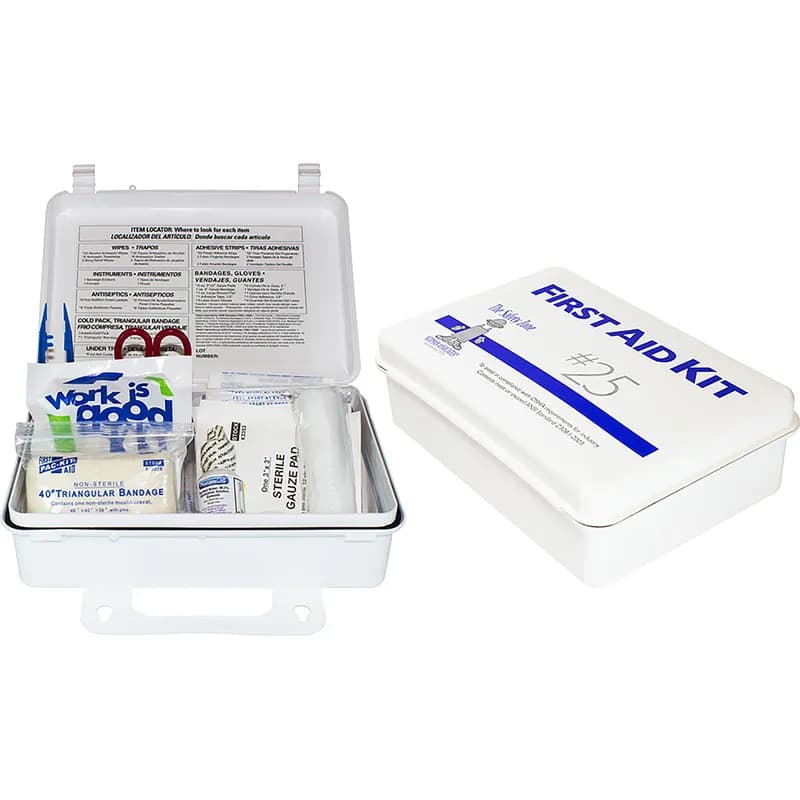
Basic supplies form the foundation of any first aid kit. These include items like adhesive bandages, sterile gauze pads, and antiseptic wipes. You should also have medical tape, scissors, and tweezers ready for everyday injuries.
Don’t forget gloves to protect yourself while treating wounds. A CPR face shield can be a lifesaver if someone needs resuscitation. These basics cover most minor cuts, scrapes, and burns you might encounter.
Specialized Items
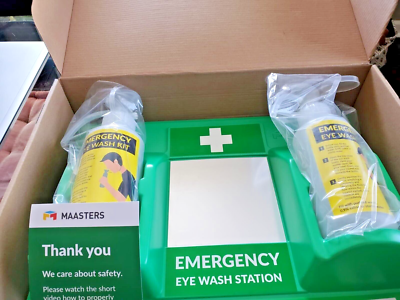
Specialized items cater to specific injuries, such as eye-related emergencies. An eye wash solution is critical for flushing out irritants or chemicals from the eyes quickly. It’s something you rarely think about until you really need it.
Along with eye wash, include an eye cup or small sterile containers to hold the solution. You might also add a cold pack to reduce swelling around the eyes after an injury. These specialized tools can make a huge difference in preventing further damage.
Have you checked your kit lately to see if it contains these essential eye care items? If not, it’s time to upgrade your first aid supplies with these focused components.
Role Of Eye Wash In First Aid
Eye wash plays a vital role in any first aid kit. It helps to quickly remove harmful substances from the eyes. Acting fast can prevent serious damage and reduce pain. Eye wash is a simple, effective way to protect vision in emergencies.
Common Eye Injuries
Eyes can get hurt in many ways. Dust and dirt may enter the eye during work or play. Chemicals like cleaning agents can splash into the eyes. Sometimes small objects like metal or wood chips cause injury. Eye injuries can cause redness, pain, and blurred vision. Immediate care is important to avoid long-term problems.
Benefits Of Eye Wash
- Flushes out dirt, dust, and foreign particles
- Reduces irritation and discomfort quickly
- Helps remove harmful chemicals safely
- Prevents infection by cleaning the eye surface
- Easy to use and safe for most eye injuries
Using eye wash immediately helps protect your eyesight. It soothes the eyes and lowers the risk of damage. Eye wash is an essential tool for quick, effective first aid.
Choosing The Right Eye Wash
Choosing the right eye wash for your first aid kit is more important than many realize. Your eyes are incredibly sensitive, and the solution you use can make a huge difference in minimizing damage during an emergency. Have you ever wondered which eye wash is best for different types of eye injuries?
Types Of Eye Wash Solutions
There are several types of eye wash solutions available, each designed for specific needs. The most common include:
- Saline Solution:This is the safest and most widely used. It’s gentle and effective for rinsing out dirt, dust, or chemicals.
- Buffered Solutions:These help maintain the eye’s natural pH, reducing irritation after exposure to certain substances.
- Sterile Water:While useful in a pinch, it’s not ideal because it lacks the salts that match your body’s natural fluids.
- Specialized Chemical Neutralizers:Designed for industrial chemicals, these are not common in home kits but are crucial in workplaces with chemical hazards.
Choosing the right type depends on the most likely hazards you might face. For example, if you work in construction, a buffered or specialized solution might be a better choice than plain saline.
Criteria For Selection
When selecting an eye wash, consider these practical criteria:
| Criteria | Why It Matters | How to Check |
|---|---|---|
| Purity and Sterility | Prevents infection and further irritation. | Look for sealed, sterile packaging with expiration dates. |
| pH Balance | Maintains comfort and prevents eye damage. | Choose buffered solutions if possible. |
| Ease of Use | You may need to act quickly during emergencies. | Opt for bottles or packets that allow easy, controlled flushing. |
| Compatibility | Must be suitable for the types of irritants you might encounter. | Assess your environment and risks before buying. |
Have you ever tried using an eye wash that was hard to handle under pressure? Selecting a user-friendly design can save crucial seconds. Think about where you’ll keep your first aid kit and how quickly you can access the eye wash.
Proper Usage Of Eye Wash
Knowing the proper usage of an eye wash can make a significant difference in an emergency. Eye injuries can happen suddenly, and having the right knowledge can prevent further damage. Using eye wash correctly ensures that you flush out harmful substances effectively and quickly.
Step-by-step Guide
First, make sure your hands are clean before touching the eye wash bottle or your eyes. This reduces the risk of introducing more irritants or bacteria.
Next, tilt your head slightly backward or to the side, depending on which eye needs rinsing. Hold the eye wash bottle close to the eye without touching it to avoid contamination.
Squeeze the bottle gently to release a steady stream of liquid into the eye. Keep your eye open wide during the rinse. Let the liquid flow from the inner corner to the outer corner to flush out debris effectively.
Continue rinsing for at least 15 minutes or as recommended on the product label. If you wear contact lenses, remove them before rinsing unless the eye wash is designed for use with lenses.
After rinsing, avoid rubbing your eye. Seek medical attention promptly if irritation persists or worsens.
Safety Precautions
- Check the expiration dateon your eye wash regularly. Expired solutions can be less effective or unsafe.
- Do not shareyour eye wash bottle with others to prevent cross-contamination.
- Store it properlyin a cool, dry place and away from direct sunlight.
- Avoid using homemade saline solutionsunless recommended by a healthcare professional. Commercial eye wash solutions are sterile and safer.
- Be cautious with the bottle tip—never touch your eye or any surface to keep it clean.
Have you ever hesitated to use an eye wash because you weren’t sure if you were doing it right? Taking a moment to understand these steps can boost your confidence and readiness. Your eyes deserve the best care, especially in emergencies where every second counts.
Credit: www.imperialdade.com
Maintaining Your First Aid Kit
Maintaining your first aid kit with eye wash ensures it is ready for emergencies. A well-kept kit can save time and reduce stress during accidents. Regular care keeps supplies fresh and effective. Follow simple steps to keep your kit in top condition.
Regular Inspections
Check your first aid kit every month. Look for damaged or missing items. Make sure the eye wash bottles are sealed and clean. Ensure all containers are intact and not leaking. Keep the kit in a dry, cool place to avoid damage.
Replacing Expired Items
Check expiration dates on all supplies. Eye wash solutions often expire faster than other items. Replace expired eye wash immediately to maintain effectiveness. Dispose of old items safely. Always restock with fresh supplies to stay prepared.
Training For Effective Use
Knowing how to use a first aid kit with eye wash effectively can make a critical difference in an emergency. Training ensures that you and those around you can act quickly and confidently. Without proper practice, even the best equipment might not deliver the help needed when time is limited.
Educating Family And Staff
Teaching your family or staff about the first aid kit and eye wash involves more than just showing where it is. Explain the purpose of each item, especially the eye wash, and demonstrate the correct usage.
You can hold short sessions where everyone practices flushing the eye safely using a sterile eye wash bottle. This hands-on approach builds familiarity and reduces panic during real incidents.
Ask yourself: How many people in your home or workplace could confidently respond if an eye injury occurred right now?
Emergency Response Drills
Regular drills help reinforce the skills needed to handle an eye emergency efficiently. Simulate scenarios where someone gets a foreign particle in their eye or chemical exposure, and walk through the steps of using the eye wash.
During drills, pay attention to timing and technique. Can the affected person keep their eye open? Is the eye wash solution used properly and completely? These details matter.
Keep these drills brief but frequent. They prepare you and others to stay calm and focused, turning training into lifesaving action.
Legal And Safety Standards
First aid kits with eye wash must meet strict legal and safety standards. These standards protect users and ensure the kit works well in emergencies. Proper regulation guarantees that each item inside is safe and effective. Compliance with laws helps businesses avoid fines and ensures workplace safety.
Regulations For First Aid Kits
First aid kits must follow rules set by health and safety authorities. These rules specify what items should be included. Eye wash solutions need to be sterile and suitable for eye contact. Kits must be easy to access and clearly labeled. Regular inspections ensure contents are up to date and not expired.
Compliance With Safety Laws
Workplaces must comply with local and national safety laws. Laws often require having first aid kits with eye wash in certain locations. Employers must train staff on how to use the kits properly. Records of maintenance and training help show compliance. Meeting these laws reduces workplace injuries and protects workers’ health.
Frequently Asked Questions
What Is Included In A First Aid Kit With Eye Wash?
A first aid kit with eye wash typically contains sterile saline solution, eye wash bottles, sterile gauze, adhesive tape, and instructions. It is designed to quickly rinse and clean the eyes after exposure to irritants or foreign objects, helping prevent further injury or infection.
How Do You Properly Use Eye Wash In A First Aid Kit?
To use eye wash, tilt your head and hold the eye open. Gently squeeze the solution to flush the eye from the inner corner outward. Repeat for at least 15 minutes or as directed to remove contaminants and soothe irritation effectively.
Why Is Eye Wash Important In A First Aid Kit?
Eye wash is essential because eyes are sensitive and vulnerable to chemicals, dust, and debris. Immediate rinsing helps prevent serious damage, reduces pain, and lowers infection risk. Including eye wash ensures prompt and proper treatment during eye emergencies.
How Often Should You Replace Eye Wash In A First Aid Kit?
Eye wash solutions should be replaced every 6 to 12 months or as indicated by the expiration date. Regular replacement ensures the solution remains sterile, effective, and safe to use during eye emergencies.
Conclusion
A first aid kit with eye wash helps treat eye injuries quickly. Keeping one nearby can prevent serious damage. Clean eyes fast to reduce pain and infection risks. Everyone should have this kit at home, work, or outdoors. Being ready means you can act calmly and safely.
Protect your eyes by having the right tools close. Simple steps can make a big difference in emergencies. Stay safe and prepared with an eye wash kit today.

I’m Abby Lu, a passionate home cook who loves simplifying everyday meals. At PlugChef.com, I share product reviews and cooking guides to help you find the best tools for your kitchen.
Related posts:
 What Type of Cooking Utensils are Safe: Expert Picks
 What Innovations Could Blenders Make: Unleashing Future Tech
 Smart Strategies to Organize a Small Kitchen: Maximize Space
 How to Organize a Kitchen Cabinet: Expert Tips & Tricks
 How to Organize Kitchen Drawers: Expert Tips and Tricks
 How to Organize a Corner Kitchen Cupboard: Expert Tips