

Imagine facing a small injury or emergency and not knowing where to find the right supplies. Your first aid kit with box can be the difference between quick relief and unnecessary stress.
You want to be prepared, organized, and confident that everything you need is within reach. This guide will help you discover why having a well-stocked first aid kit in a sturdy box is essential for your safety and peace of mind.
Keep reading to learn how to choose the best kit and what must-have items should be inside your box.
Why Every Home Needs A First Aid Kit
Accidents happen when you least expect them, often right in the comfort of your own home. Having a well-stocked first aid kit readily available can be a lifesaver during emergencies. Whether it’s a minor cut or something more serious, a first aid kit ensures you can provide immediate care before professional help arrives. But why should every home have one?
Common Home Injuries
Think about the small accidents that occur daily. You might burn yourself while cooking or slip and fall in the bathroom. Children are notorious for scrapes and bruises during playtime. These are common injuries that require quick attention. With items like bandages and antiseptic wipes in your kit, you can treat minor wounds instantly, reducing the risk of infection.
Benefits Of Immediate Care
Immediate care can make a significant difference in the outcome of an injury. Imagine cutting your finger while preparing dinner. Instead of panicking, you calmly reach for your first aid kit, clean the wound, and apply a bandage. This simple action can prevent complications and reduce healing time.
Having a first aid kit also empowers you to act swiftly and efficiently. You gain confidence knowing you’re prepared for the unexpected. Have you ever wondered how much peace of mind you could achieve by being ready to handle minor emergencies?
By equipping your home with a first aid kit, you take a proactive step toward safety. It’s not just about being prepared; it’s about ensuring the well-being of yourself and your loved ones.
Choosing The Right First Aid Kit Box
Choosing the right first aid kit box is important for quick and easy access to supplies. The box protects the contents and keeps them organized. Picking a box that matches your needs helps in emergencies.
Material And Durability
The material of the first aid kit box affects its strength and lifespan. Plastic boxes are lightweight and water-resistant. Metal boxes offer better protection but may be heavier. Look for boxes with secure latches to keep contents safe. Durability ensures the kit stays intact during travel or rough use.
Size And Portability
Size matters based on where you plan to keep the kit. Small kits fit easily in bags or cars. Larger kits hold more supplies but can be bulky. Choose a size that balances enough supplies with easy carrying. A handle or strap adds to portability. Compact kits work well for daily use or trips.
Organization Features
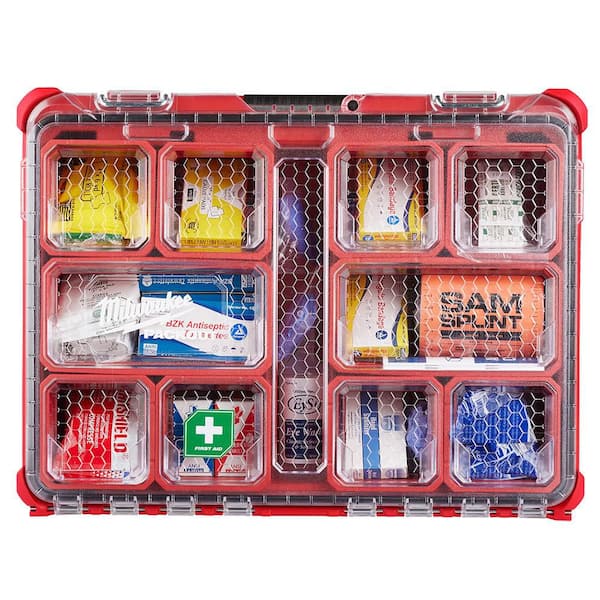
Good organization makes it simple to find items fast. Look for boxes with compartments, trays, or removable dividers. Clear lids or labels help identify contents quickly. Some kits include elastic loops or mesh pockets for small items. Organized boxes reduce stress during emergencies and save time.
Essential Items To Include
A well-stocked first aid kit with a box is vital for any home, car, or office. It ensures quick and safe care during emergencies. Knowing what to include helps you act fast and effectively. Essential items cover wound care, medications, and tools. Each plays a key role in handling common injuries and minor health issues.
Wound Care Supplies
- Adhesive bandages of various sizes for small cuts
- Sterile gauze pads to cover larger wounds
- Medical tape to secure gauze and bandages
- Antiseptic wipes to clean wounds
- Hydrogen peroxide or alcohol swabs for disinfecting
- Elastic bandages for sprains and strains
- Scissors and tweezers for cutting tape and removing debris
- Disposable gloves to maintain hygiene
Medications And Ointments
- Pain relievers like ibuprofen or acetaminophen
- Antihistamines for allergic reactions
- Antibiotic ointment to prevent infection
- Hydrocortisone cream for itching and rashes
- Burn cream or aloe vera gel for minor burns
- Oral rehydration salts for dehydration
- Cold packs to reduce swelling
Tools And Equipment
- Thermometer to check body temperature
- CPR face shield or mask for safe resuscitation
- Instant cold packs for injuries
- Safety pins for securing bandages
- Flashlight with extra batteries for visibility
- Emergency blanket to retain body heat
- First aid manual for quick reference

Credit: www.shforestrysupplies.com
Customizing Your First Aid Kit
Customizing your first aid kit transforms it from a generic box of supplies into a personalized safety tool tailored to your unique circumstances. It ensures that when an emergency happens, you have exactly what you need close at hand. Think about your daily life, your family’s health conditions, and potential situations you might face.
Consider Family Needs
Your family’s specific health requirements should guide what you pack. If you have children, add child-friendly items like smaller bandages and fever reducers. For elderly family members, include medications they regularly take and tools like blood pressure monitors.
Don’t forget to consider allergies or chronic conditions. Including an EpiPen if someone is allergic to insect stings or having extra glucose tablets for a diabetic family member can make a huge difference. What unique health needs does your household have that aren’t in a standard kit?
Add Emergency Contacts
Emergency contacts are crucial in a crisis. Write down phone numbers for doctors, local emergency services, and close family or friends. Place this list inside the kit’s lid or in a clear plastic sleeve for quick access.
Also, include instructions on what to say or do when calling for help. This can save precious time and reduce panic. Could having these contacts easily accessible improve your response in an emergency?
Include Instruction Guides
Having the right supplies is important, but knowing how to use them is even more critical. Add simple, easy-to-read instruction guides for common first aid procedures. These can be printed cards or a small booklet, covering topics like CPR, wound care, and treating burns.
Clear instructions help even a nervous or inexperienced person act confidently. Have you ever felt unsure about how to handle a first aid situation? Including guides can boost your confidence and effectiveness.
Maintaining And Restocking Your Kit
Keeping your first aid kit in top shape is more than just having it ready for emergencies. It requires ongoing attention to ensure every item is usable and your kit stays organized. Neglecting this can leave you unprepared when you need it most.
Regular Checks
Set a reminder to inspect your first aid kit at least once every three months. Open the box and look through each item carefully.
- Check for missing supplies or items that look damaged.
- Make sure the packaging is intact and clean.
- Note anything that’s running low so you can add it back.
Have you ever opened a kit only to find a crucial bandage missing? Regular checks prevent that frustration and help you stay prepared.
Replacing Expired Items
Many first aid supplies have expiration dates, especially medications, antiseptic wipes, and ointments. Using expired items can reduce their effectiveness or cause harm.
Keep a list of expiration dates and replace items as soon as they reach the end of their shelf life. This simple habit can make a big difference in an emergency.
- Throw away expired items safely.
- Replace them promptly with fresh supplies.
- Consider labeling new items with the date you added them.
Keeping It Accessible
Your first aid kit is only useful if you can get to it quickly. Store it in a place that everyone in your home or workplace knows about.
Choose a spot that’s easy to reach but out of children’s reach if necessary. Avoid cluttered areas or places where the kit might get buried.
- Inform family members or colleagues about its location.
- Use a clear, labeled box so it’s easy to spot.
- Consider portable kits for cars or outdoor activities.
Ask yourself: If an emergency happened right now, could you grab your kit without hesitation?

Credit: www.amazon.com
Using Your First Aid Kit Safely
Using your first aid kit safely is vital for effective treatment. Knowing how to handle injuries carefully can prevent more harm. It also helps you stay calm during emergencies. Keep your kit clean and organized. Always check expiration dates on medicines and supplies. Replace used or expired items immediately. Store the kit in a dry, accessible place. Make sure everyone in your home knows where to find it.
Basic First Aid Tips
- Wash your hands before touching wounds.
- Use gloves to avoid infection.
- Clean cuts with water, not alcohol.
- Apply pressure to stop bleeding.
- Cover wounds with sterile bandages.
- Keep injured parts raised if possible.
- Do not move seriously injured people.
- Stay calm and speak clearly to the victim.
When To Seek Professional Help
- Bleeding that won’t stop after 10 minutes.
- Deep wounds or cuts needing stitches.
- Signs of infection like redness or swelling.
- Severe burns or chemical exposure.
- Broken bones or severe pain.
- Loss of consciousness or confusion.
- Difficulty breathing or chest pain.
- Poisoning or allergic reactions.
Credit: www.homedepot.com
Frequently Asked Questions
What Should A First Aid Kit With Box Contain?
A first aid kit with box should include bandages, antiseptic wipes, gloves, scissors, tweezers, and pain relievers. It may also have a CPR mask, adhesive tape, and a first aid manual for emergencies.
Why Choose A First Aid Kit With A Box?
A first aid kit with a box keeps supplies organized and protected. It’s portable, durable, and easy to store. The box prevents damage and contamination, ensuring items stay clean and ready for use.
How Often Should You Check A First Aid Kit?
Check your first aid kit every six months. Replace expired or used items immediately to ensure readiness. Regular checks keep the kit effective and reliable during emergencies.
Can A First Aid Kit With Box Be Used At Work?
Yes, a first aid kit with box is ideal for workplaces. It meets safety standards and provides quick access to medical supplies, helping manage minor injuries on-site efficiently.
Conclusion
A first aid kit with a box keeps supplies neat and ready. It helps you act fast in emergencies. Having one at home, work, or in the car adds safety. Check the kit often to replace used or expired items.
Being prepared brings peace of mind. Stay safe by keeping essential first aid tools close. It’s a small step that makes a big difference.

I’m Abby Lu, a passionate home cook who loves simplifying everyday meals. At PlugChef.com, I share product reviews and cooking guides to help you find the best tools for your kitchen.
Related posts:
 What Type of Cooking Utensils are Safe: Expert Picks
 What Innovations Could Blenders Make: Unleashing Future Tech
 Smart Strategies to Organize a Small Kitchen: Maximize Space
 How to Organize a Kitchen Cabinet: Expert Tips & Tricks
 How to Organize Kitchen Drawers: Expert Tips and Tricks
 How to Organize a Corner Kitchen Cupboard: Expert Tips

