

When it comes to keeping your workplace safe, having the right first aid kit is not just a good idea—it’s the law. You might wonder what exactly OSHA requires for your first aid supplies and why it matters so much.
Knowing these requirements can protect your team, prevent serious injuries, and even save lives. You’ll discover the essential OSHA rules for first aid kits and how to make sure your workplace is fully prepared. Keep reading to find out what you need to do to stay compliant and keep everyone safe.
Osha First Aid Kit Standards
OSHA requires workplaces to have first aid kits stocked with essential supplies for quick response to injuries. Kits must meet specific standards for content and accessibility. Proper maintenance ensures safety and compliance with OSHA rules.
In the workplace, safety is a top priority. The Occupational Safety and Health Administration (OSHA) sets standards to ensure that employees receive proper first aid when needed. A compliant first aid kit is crucial for meeting OSHA regulations. Understanding these standards helps businesses provide effective emergency care.Key Regulations To Follow
OSHA mandates specific guidelines for first aid kits. Businesses must assess workplace risks. The kit should match potential hazards. Regular inspections ensure the kit meets standards. Training employees is equally important. They should know how to use the kit properly.Mandatory Kit Contents
OSHA specifies essential items for first aid kits. These include:- Bandages for wounds
- Antiseptic wipes for cleaning
- Adhesive tape
- Gauze pads
- Scissors
- Tweezers
- Gloves for hygiene
Kit Accessibility Rules
First aid kits must be easily accessible. OSHA requires kits to be within reach of employees. They should be placed in visible locations. Employees must know the kit’s location. Accessibility ensures quick response in emergencies. Regular checks maintain kit visibility and accessibility.
Credit: www.amazon.com
Choosing The Right First Aid Kit
Choosing the right first aid kit is essential for workplace safety and compliance with OSHA requirements. A well-equipped kit can make a critical difference during emergencies. But how do you decide which kit fits your specific work environment?
Assessing Workplace Hazards
Start by identifying the types of risks present in your workplace. Are employees exposed to sharp tools, chemicals, or heavy machinery? Each hazard demands specific first aid supplies tailored to potential injuries.
For example, a construction site might need burn creams and sterile dressings, while an office setting may require basic bandages and antiseptics. Understanding your workplace risks ensures your kit is relevant and effective.
Selecting Kit Sizes And Types
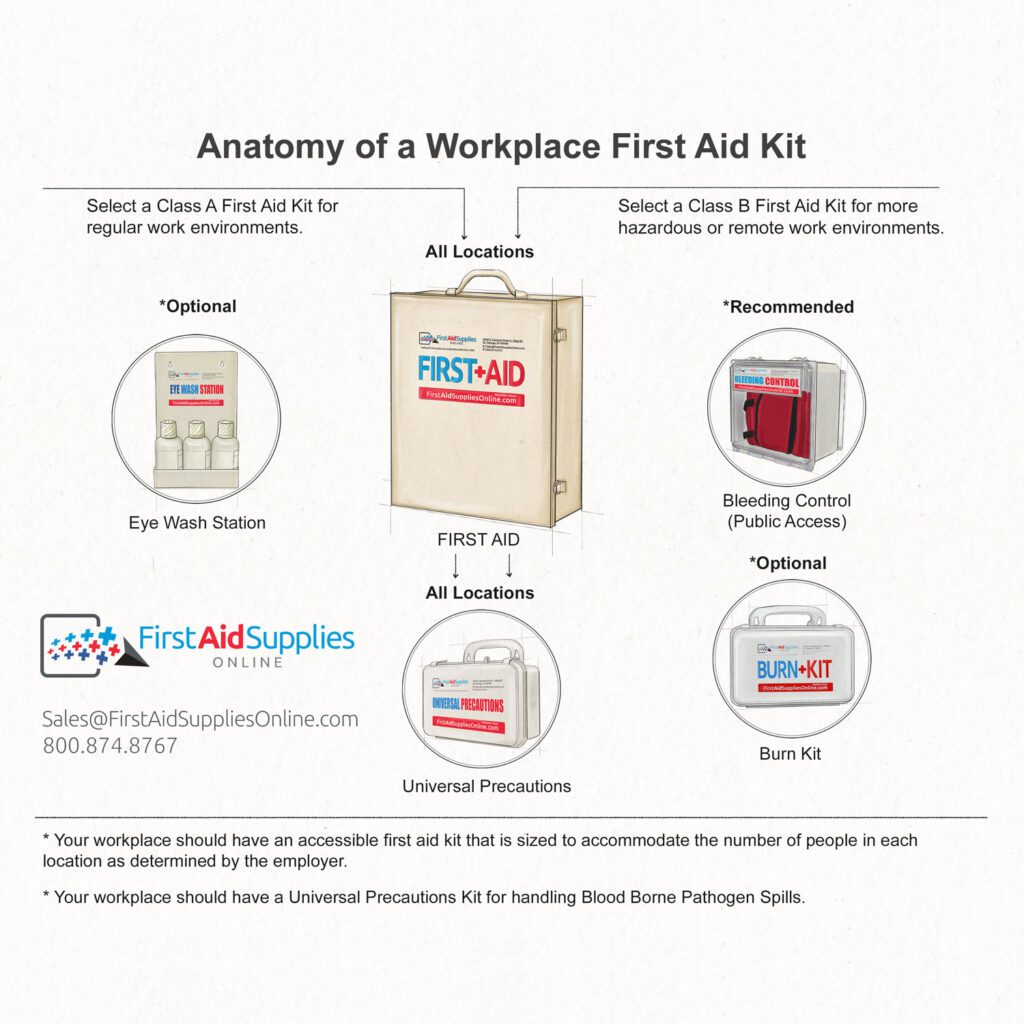
Consider how many employees will rely on the first aid kit. OSHA suggests kits should be proportional to the number of workers and the severity of risks. Small teams might manage with a compact kit, but larger groups or high-risk areas need more comprehensive supplies.
Think about accessibility too. Do you need multiple kits spread across different locations? Or a mobile kit for field workers? Matching size and type to your workplace dynamics keeps first aid ready and reachable.
Supplier Certification Criteria
Not all first aid kits are created equal. Choose suppliers whose products meet OSHA and ANSI standards. Certified kits guarantee that the contents are appropriate and of high quality.
Look for clear labeling and up-to-date expiration dates on items. Reliable suppliers often provide documentation and support, helping you maintain compliance effortlessly. Have you checked if your current kit meets these criteria?
Maintaining First Aid Kits
Maintaining your first aid kits is crucial to meet OSHA requirements and ensure safety in the workplace. A well-maintained kit means you are ready to handle emergencies effectively. Neglecting this task can lead to expired supplies or missing items when you need them most.
Regular Inspection Schedules
Set a clear schedule to check your first aid kits regularly. OSHA suggests inspections at least once a month, but more frequent checks can catch issues early. During inspections, look for expired items, damaged packaging, or missing supplies.
Ask yourself: How often do you really check your kit? Many workplaces overlook this simple step until an emergency occurs. Creating a checklist can help you stay consistent and thorough.
Restocking Protocols
After inspections, restock your kits immediately. Keep a list of required items based on OSHA standards to avoid guesswork. Make sure to replace every used or expired item without delay.
Consider assigning responsibility to a specific person or team. This ensures accountability and keeps the process smooth. Do you have a system in place to track what needs restocking?
Record-keeping Requirements
Maintain detailed records of all inspections and restocking activities. OSHA expects employers to document these actions as proof of compliance. Records should include dates, items checked, and any replacements made.
Using a simple logbook or digital spreadsheet works well. Keeping accurate records helps you spot patterns, like frequently used items, so you can adjust inventory levels. How organized is your first aid kit management right now?
Training Employees On First Aid
Training employees on first aid is a vital part of workplace safety. OSHA requires workplaces to prepare staff to handle emergencies effectively. Proper training helps reduce injuries and can save lives. It also ensures employees know how to use the first aid kit correctly.
Essential Skills For Staff
Employees need basic first aid skills to respond quickly. These include:
- Recognizing common injuries and illnesses
- Performing CPR and using an AED
- Stopping bleeding and dressing wounds
- Assisting with choking incidents
- Handling burns and fractures
Training should focus on practical, easy-to-follow steps. Staff must feel confident and ready to act.
Training Frequency And Updates
Regular training keeps skills sharp and knowledge current. OSHA suggests refresher courses at least once every two years. Training should also update staff on new procedures or changes in first aid kits. Frequent practice helps employees remember key actions.
Using Kits During Emergencies
Employees must know how to find and use first aid kits fast. Training should show the kit’s location and contents clearly. Staff should practice opening the kit and using supplies correctly. Understanding kit use reduces panic and improves response time in emergencies.
Common Compliance Challenges
Meeting OSHA’s first aid kit requirements might seem straightforward, but many workplaces face ongoing challenges that can trip them up. Compliance isn’t just about having a kit; it’s about making sure the kit is complete, accessible, and properly maintained. Understanding these common hurdles can help you stay prepared and avoid costly issues.
Addressing Kit Deficiencies
One major challenge is keeping the first aid kit fully stocked with the right supplies. Kits often lose items after use or through expiration, which can leave you unprepared during an emergency.
Regularly checking your kit can seem tedious, but it’s crucial. Create a checklist of required items based on OSHA standards, and assign someone to verify the kit weekly or monthly. If you’ve ever found a missing bandage or an expired antiseptic, you know how quickly these small gaps appear.
Handling Osha Inspections
Facing an OSHA inspection can be stressful, especially if you’re unsure whether your first aid kit meets all rules. Inspectors expect immediate access to a properly stocked kit and documentation showing maintenance routines.
Prepare by keeping your inspection logs up-to-date and training your team on where kits are located and how to use them. Imagine the confidence you’ll feel if you can quickly show an inspector your records and demonstrate your readiness without fumbling.
Avoiding Penalties And Fines
Non-compliance with first aid kit requirements can lead to fines that impact your budget and reputation. Often, these penalties come from overlooked details like missing supplies or no proof of regular checks.
Think about the cost of a fine versus the time spent on simple maintenance tasks. Setting reminders for kit inspections and keeping clear records can save you money and headaches. What steps can you take today to ensure your workplace stays penalty-free?

Credit: www.amazon.com
Updates For 2025 Compliance
Staying updated with OSHA’s first aid kit requirements is crucial as 2025 approaches. These updates reflect changes in workplace safety standards and advances in medical supplies. Understanding these changes helps you keep your first aid program effective and compliant.
New Osha Guidelines
OSHA has revised its first aid kit standards to better address current workplace risks. The updates emphasize including supplies for a wider range of injuries, such as chemical burns and severe bleeding.
They also recommend more frequent inspections and restocking schedules to ensure kits are always ready for use. Are you confident your kit meets the new minimum requirements? Reviewing OSHA’s latest list can prevent costly fines and improve safety outcomes.
Technological Advances In Kits
Modern first aid kits now incorporate smart technology to enhance usability. Some kits include QR codes linking to video tutorials for quick guidance during emergencies.
Others feature built-in inventory trackers that alert you when supplies run low or expire. These tools reduce human error and speed up response times. Could upgrading your kits with technology improve your workplace safety culture?
Future-proofing Your First Aid Program
To stay ahead, build flexibility into your first aid program. Regularly update your kits based on OSHA changes and feedback from your team’s experiences.
Consider training employees on new equipment and procedures to maximize preparedness. Future-proofing means thinking beyond compliance—it’s about creating a safer environment that adapts as risks evolve. How often do you reassess your emergency response plans?
Credit: firstaidsuppliesonline.com
Frequently Asked Questions
What Are Osha First Aid Kit Requirements?
OSHA requires workplaces to have first aid kits that are easily accessible. Kits must contain supplies suitable for the specific work environment and potential injuries. Employers must regularly inspect and replenish kits to ensure readiness in emergencies.
How Often Should Osha First Aid Kits Be Inspected?
OSHA recommends inspecting first aid kits monthly. Regular inspections ensure all supplies are present, unexpired, and usable. Frequent checks help maintain compliance and guarantee immediate access to essential medical items when needed.
What Items Must Osha First Aid Kits Contain?
OSHA mandates kits to include adhesive bandages, antiseptics, sterile gauze, scissors, and gloves. The contents depend on workplace hazards and potential injuries. Employers should tailor kits to address specific safety risks effectively.
Are Employers Responsible For Osha First Aid Kit Compliance?
Yes, employers must provide and maintain OSHA-compliant first aid kits. They are responsible for training employees on kit location and usage. Proper compliance helps reduce injury severity and supports workplace safety standards.
Conclusion
Meeting OSHA first aid kit requirements keeps your workplace safe. Proper supplies help treat injuries quickly and reduce risks. Regular checks ensure kits stay stocked and ready. Training employees on kit use boosts confidence during emergencies. Follow OSHA rules to avoid fines and protect workers.
Safety starts with preparation and the right tools. Keep your first aid kit up to date and accessible. A safe workplace benefits everyone involved. Simple steps make a big difference in emergency care.

I’m Abby Lu, a passionate home cook who loves simplifying everyday meals. At PlugChef.com, I share product reviews and cooking guides to help you find the best tools for your kitchen.
Related posts:
 What Type of Cooking Utensils are Safe: Expert Picks
 What Innovations Could Blenders Make: Unleashing Future Tech
 Smart Strategies to Organize a Small Kitchen: Maximize Space
 How to Organize a Kitchen Cabinet: Expert Tips & Tricks
 How to Organize Kitchen Drawers: Expert Tips and Tricks
 How to Organize a Corner Kitchen Cupboard: Expert Tips

