
Imagine reaching for your first aid kit in an emergency, only to find key medications missing or expired. How would that make you feel?
Your first aid kit is your safety net, and keeping its medication refills up to date is crucial for your peace of mind and well-being. You’ll discover simple, effective tips to ensure your first aid kit is always ready when you need it most.
Don’t wait for an emergency to realize your kit isn’t fully stocked—let’s make sure you’re prepared today.

Credit: www.amazon.com
Importance Of Regular Refills
Regularly refilling your first aid kit medications is more than a routine task—it’s a crucial step in staying prepared for emergencies. Medications can expire, run out, or become less effective over time. Keeping your kit stocked ensures you’re ready to handle unexpected injuries or illnesses without delay.
Safety And Effectiveness Of Medications
Expired medications can lose their potency and sometimes become unsafe to use. Taking outdated pain relievers or antiseptics might not provide the relief or protection you expect. Checking and refilling your first aid kit guarantees that every item inside works as intended when you need it the most.
Preventing Stress During Emergencies
Imagine facing a minor injury and discovering your painkillers have run out or your bandages are old and brittle. That moment of panic can be avoided with regular refills. Having fresh supplies on hand lets you focus on the situation calmly, knowing you have the right tools to help.
Tailoring Your Kit To Changing Needs
Your health needs and those of your family can change over time. Regularly reviewing and refilling medications allows you to add new items or remove those that are no longer necessary. This keeps your first aid kit relevant and personalized for your current lifestyle.
Tips To Keep Your First Aid Kit Updated
- Set a reminder to check your kit every 3-6 months.
- Note expiration dates and replace items before they expire.
- Keep a list of medications and quantities to track what needs replenishing.
- Store your kit in a cool, dry place to extend the life of medications.
Have you ever faced an emergency only to find your first aid supplies inadequate? Regular medication refills can be the difference between feeling helpless and being ready to act confidently.
Credit: gearbags.com
Assessing Kit Contents
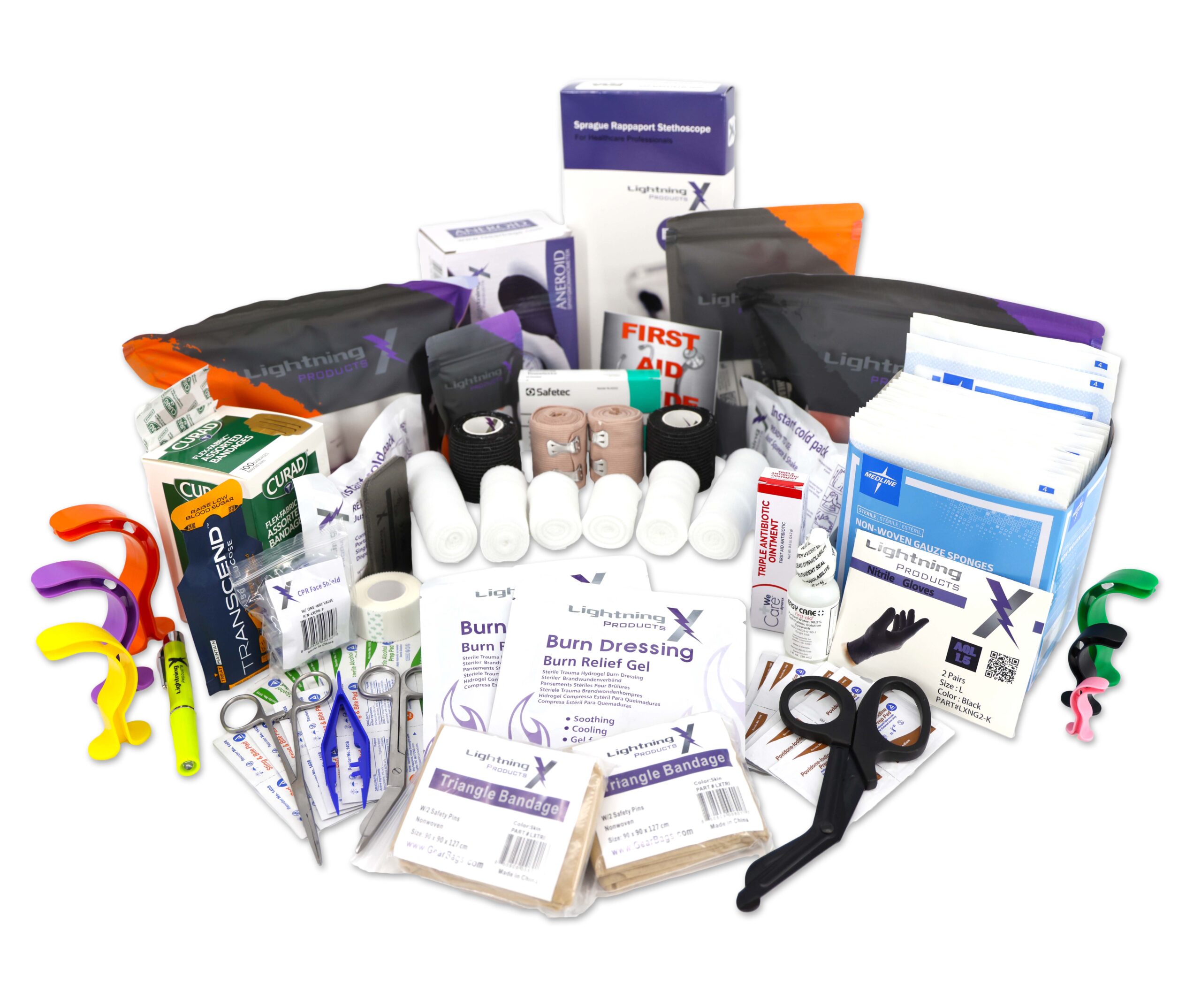
Assessing the contents of your first aid kit is essential to ensure you are prepared for any minor emergency. Over time, medications can expire, and supplies get used up, leaving gaps when you need them most. Taking time to review what’s inside can save you from unpleasant surprises during a critical moment.
Checking Expiry Dates
Expired medication can lose effectiveness or even become unsafe. Make it a habit to check each item’s expiration date regularly. Pay special attention to items like pain relievers, antiseptics, and allergy medications.
Keep a small notepad or use your phone to track expiry dates and schedule reminders to replace items before they go bad. Do you remember the last time you updated your kit? If not, it’s likely time to check.
Identifying Used Supplies
First aid kits are only useful if fully stocked. After any incident, some supplies may have been used up or partially consumed. Look for empty or partially empty packets, opened bandages, or missing items.
Make a checklist of essential supplies such as adhesive bandages, gauze pads, antiseptic wipes, and gloves. This will help you quickly spot what needs replenishing. Have you ever found your kit missing a crucial item when you needed it most? That’s a clear sign to do a thorough inventory now.
Essential Medications To Include
Keeping your first aid kit stocked with essential medications can make all the difference during an emergency. It’s not just about having bandages and scissors; the right medicines can relieve pain, reduce allergic reactions, and prevent infections. Let’s dive into the key medications you should always have on hand.
Pain Relievers
Pain can hit unexpectedly. Having pain relievers like acetaminophen or ibuprofen in your kit helps you manage headaches, muscle aches, or minor injuries fast. These medications also reduce inflammation, which speeds up healing.
Think about a time when a headache stopped your day. Wouldn’t it be easier if relief was just a reach away? Keep both adult and child-friendly options to cover everyone.
Antihistamines
Allergic reactions can escalate quickly. Antihistamines like diphenhydramine or loratadine can calm symptoms such as itching, swelling, or sneezing. They are lifesavers for unexpected allergies from insect bites or foods.
Do you know if you or your family members have allergies that might require immediate treatment? Having antihistamines ready means you won’t have to scramble for help when time is critical.
Antiseptics And Antibiotic Ointments
Cleaning wounds properly is the first step to preventing infections. Antiseptic solutions like hydrogen peroxide or iodine kill germs on cuts or scrapes. Meanwhile, antibiotic ointments help protect the wound and speed up recovery.
Remember the last time a small cut got infected? A simple ointment could have stopped that. Keep these products fresh and replace them regularly to ensure they work when you need them most.
Organizing Your First Aid Kit
Keeping your first aid kit well-organized is more than just neatness—it’s about making sure you can find what you need quickly when every second counts. A cluttered kit can cause delays or mistakes during emergencies. Taking the time to arrange your supplies thoughtfully can save you stress and potentially lives.
Labeling And Categorization
Label each item clearly to avoid confusion. Use waterproof markers or printed labels to ensure durability. Group medications and supplies by type, such as pain relievers, antiseptics, bandages, and allergy treatments.
Consider dividing your kit into sections or small containers for each category. This way, you won’t waste precious time digging through unrelated items. Have you ever searched for a specific medication only to find it buried under other supplies? Proper labeling prevents that hassle.
Maintaining Accessibility
Place frequently used medications and supplies in easily reachable spots. Avoid stacking items in deep containers where smaller items can get lost. Keep your kit in a consistent location that everyone in your household knows about.
Think about accessibility during emergencies. Would you be able to grab your kit with one hand? Is the lid easy to open quickly? Organizing your kit with accessibility in mind ensures you can act fast and confidently when it matters most.
Safety Tips For Medication Storage
Storing medication properly in your first aid kit is crucial for safety and effectiveness. Poor storage can cause medicines to lose their potency or become unsafe to use. Paying attention to how you store medications can save you from unexpected health risks.
Temperature Considerations
Medications often need to be kept at specific temperatures to remain effective. Some require room temperature, while others might need refrigeration. Check the label or ask your pharmacist about the ideal storage temperature for each medication.
Heat and moisture can damage pills and liquids. For example, storing medication in a bathroom cabinet can expose it to humidity, reducing its shelf life. Have you ever noticed pills that crumbled or changed color? That’s a sign they’ve been stored incorrectly.
Avoiding Contamination
Cross-contamination happens when medications come into contact with dirt, moisture, or other substances. Always use clean hands or tools when handling medications to avoid introducing bacteria. Never touch pills directly if you can help it.
Keep medications in their original containers with labels intact. This prevents mix-ups and protects the medicine from exposure. If you need to transfer medication, use clean, airtight containers specifically designed for that purpose.
Setting A Refill Schedule
Setting a refill schedule for your first aid kit medication keeps it ready and effective. Regular checks help spot expired or low supplies early. Staying prepared means your kit works well in any emergency.
Monthly Checks
Check your first aid kit every month. Look for expired medicines and damaged packaging. Replace any items that are low or outdated. Write down what you need to buy next time.
Use a checklist to track each medicine. This makes monthly checks quick and easy. Keep the checklist inside your kit for fast reference.
Emergency Preparedness
A well-stocked first aid kit saves time and stress during emergencies. Having fresh medication means you can treat injuries right away. Plan refills before supplies run out. This avoids last-minute trips to the store.
Think about your family’s needs. Include special medicines if required. Update your refill schedule as your needs change. This keeps your kit ready for any situation.
Educating Family Members
Educating your family about first aid kit medication refills is crucial for everyone’s safety. It ensures that in moments of stress, your loved ones know exactly what to do. You can avoid confusion, mistakes, and delays by sharing clear information about the medicines and their proper use.
Usage Instructions
Make sure every family member understands how and when to use each medication in the first aid kit. Write simple, clear instructions and keep them inside the kit. Use bullet points like these to make it easy to follow:
- Check the expiry date before use.
- Use the recommended dosage only.
- Know which symptoms call for a particular medicine.
- Never mix medications without consulting a healthcare professional.
Have you ever opened a medicine bottle only to feel unsure about the dose? Clear instructions help avoid that uncertainty and keep everyone confident in emergencies.
Emergency Contact Information
Keep a list of important contacts visible and updated inside the first aid kit. Include numbers like:
- Your family doctor’s phone number
- Nearby hospital or urgent care center
- Poison control center
- Emergency services (911 or local equivalent)
Encourage your family to memorize at least one or two key numbers. This small step can save precious time during a crisis when your mind might be overwhelmed.

Credit: www.amazon.com
Frequently Asked Questions
How Often Should I Refill First Aid Kit Medications?
Refill your first aid kit every 6 to 12 months. Check expiration dates regularly. Replace used or expired medications promptly to ensure effectiveness during emergencies.
What Essential Medications Should Be In A First Aid Kit?
Include pain relievers, antiseptics, antihistamines, and anti-inflammatory creams. Also add burn ointments, cold and flu medicine, and any personal prescription drugs for quick relief.
Can Expired Medications In First Aid Kits Be Used?
No, expired medications lose effectiveness and may be unsafe. Always discard expired items and replace them with new ones to maintain your kit’s reliability.
How Do I Store First Aid Medications Properly?
Store medications in a cool, dry place away from sunlight. Keep them sealed in airtight containers to prevent moisture damage and maintain their potency.
Conclusion
Keeping your first aid kit medication refills up to date saves time and stress. Check your supplies regularly to avoid running out of essentials. Replace expired or used items right away. A well-stocked kit helps you handle minor injuries and emergencies quickly.
Simple steps like this protect your health and your family’s safety. Stay prepared, stay safe.

I’m Abby Lu, a passionate home cook who loves simplifying everyday meals. At PlugChef.com, I share product reviews and cooking guides to help you find the best tools for your kitchen.
Related posts:
 What Type of Cooking Utensils are Safe: Expert Picks
 What Innovations Could Blenders Make: Unleashing Future Tech
 Smart Strategies to Organize a Small Kitchen: Maximize Space
 How to Organize a Kitchen Cabinet: Expert Tips & Tricks
 How to Organize Kitchen Drawers: Expert Tips and Tricks
 How to Organize a Corner Kitchen Cupboard: Expert Tips