

Imagine you are in an emergency and need a first aid kit—but everything inside is labeled in Spanish. Would you know what to grab first?
Knowing the key items in a “First Aid Kit in Spanish” can make a huge difference when seconds count. This guide will help you understand essential words and supplies, so you feel confident and ready to act in any situation.
Keep reading to discover how mastering these terms can protect you and your loved ones when it matters most.

Credit: www.dreamstime.com
Importance Of A First Aid Kit
Having a first aid kit at home, in your car, or at work is more than just a safety measure—it’s a necessity. You never know when an accident or sudden illness might occur, and being prepared can make a huge difference in how you handle the situation.
Think about the last time you or someone close to you needed quick care. Did you have the right supplies on hand? If not, how did that affect the outcome? A well-stocked first aid kit can change the way emergencies unfold around you.
Role In Emergencies
In an emergency, every second counts. A first aid kit provides the essential tools and supplies to manage injuries before professional help arrives. It allows you to clean wounds, stop bleeding, and reduce the risk of infection immediately.
Imagine dealing with a deep cut without antiseptics or bandages. The right items in your kit can prevent complications and stabilize the injured person. Your quick response can relieve pain and possibly save a life.
Peace Of Mind
Knowing you have a first aid kit ready brings peace of mind. It reduces anxiety about unexpected accidents and gives you confidence to act effectively. This feeling of preparedness helps you stay calm during stressful moments.
Wouldn’t it be reassuring to know your family or coworkers are protected if something goes wrong? Having a first aid kit means you’re equipped not just with supplies, but with the ability to provide immediate care when it matters most.
Basic Components
A first aid kit must have essential items for treating minor injuries quickly. Knowing the basic components helps prepare for emergencies. These components focus on stopping bleeding, preventing infection, and handling wounds safely.
Bandages And Dressings
Bandages and dressings cover wounds and protect them from dirt. They stop bleeding and help healing. Common types include:
- Adhesive bandages (small cuts and scrapes)
- Gauze pads (larger wounds)
- Elastic bandages (sprains and support)
- Sterile dressings (deep cuts or burns)
Having different sizes and types ensures readiness for various injuries.
Antiseptics And Ointments
Antiseptics clean wounds and prevent infections. Ointments soothe the skin and speed recovery. Important items include:
- Alcohol wipes or pads
- Hydrogen peroxide
- Antibiotic cream or ointment
- Aloe vera gel (for burns)
Use antiseptics gently to avoid irritation and promote healing.
Tools And Instruments
Tools help treat injuries and apply first aid properly. Basic tools include:
- Scissors (cutting bandages or clothing)
- Tweezers (removing splinters or debris)
- Disposable gloves (protect from germs)
- Thermometer (check body temperature)
- Safety pins (secure bandages)
These tools increase safety and improve first aid effectiveness.
Specialized Items
Specialized items in a first aid kit serve specific health needs. They go beyond basic supplies. These items help manage chronic conditions and sudden emergencies. Including specialized items ensures better preparedness.
Medications
Medications in a first aid kit treat common ailments and injuries. Keep pain relievers like ibuprofen or acetaminophen available. Include antiseptic creams to prevent infections. Store any prescribed medicines for personal use. Label all medicines clearly to avoid confusion.
Allergy And Asthma Supplies
Allergy and asthma supplies are crucial for those with these conditions. Pack antihistamines for allergic reactions. Include an epinephrine auto-injector if prescribed. Keep a rescue inhaler handy for asthma attacks. Check expiry dates regularly to ensure effectiveness.
Understanding Labels And Instructions
Understanding the labels and instructions on a first aid kit is crucial for effective and safe use. These details guide you through proper application and precautions, ensuring you provide the right care when it matters most. Ignoring or misinterpreting them can lead to mistakes that might worsen an injury or delay recovery.
Spanish Terminology
Many first aid kits in Spanish-speaking regions use specific terms that can be confusing if you’re not familiar with the language. Recognizing key words helps you quickly identify what each item is and how to use it correctly.
- Venda– Bandage
- Antiséptico– Antiseptic
- Gasas– Gauze pads
- Curita– Adhesive bandage (band-aid)
- Pinzas– Tweezers
Have you ever hesitated because a label was unclear? Learning these terms can save precious time during an emergency.
Usage Guidelines
Labels often include step-by-step instructions or symbols to show how to use the product safely. These guidelines are designed to be straightforward but can vary between brands.
- Check expiration dates before use to avoid ineffective treatment.
- Follow the recommended application method exactly as described.
- Note any warnings about allergies or contraindications.
For example, some antiseptics might cause irritation if applied on large wounds or broken skin. Would you know to stop and seek alternatives if you miss that note?
Always read the instructions carefully even if you think you know the product. Your first aid kit is only as good as your understanding of how to use its contents.
Storage And Maintenance
Proper storage and maintenance of your first aid kit can make a big difference during emergencies. If your supplies are disorganized or expired, you might waste precious time searching or end up using ineffective items. Keeping your kit ready means you’re always prepared for unexpected situations.
Organizing The Kit
Start by grouping similar items together. Place bandages, antiseptics, and medications in separate compartments or clear plastic bags. This way, you’ll quickly find what you need without rifling through everything.
Labeling sections can help too. For example, use stickers or markers to indicate “Burn Care” or “Pain Relief.” This small step saves time when stress levels are high.
Think about your space. Store the kit in a cool, dry place away from direct sunlight. Moisture and heat can damage supplies, reducing their effectiveness.
Regular Updates
Check your first aid kit every few months. Look for expired medications or used items that need replacing. It’s easy to forget, but outdated supplies can fail when you need them most.
Write down a reminder on your calendar or set an alert on your phone. This simple action ensures you never overlook maintenance.
Have you ever opened a first aid kit only to find missing or unusable items? Don’t let that happen to you. Keeping your kit updated is a small effort with a big payoff in safety.
Credit: www.creativesafetysupply.com
Training And Preparedness
Training and preparedness are crucial for effective use of a first aid kit. Knowing what to do in an emergency can save lives. Practice builds confidence and reduces panic during accidents. Preparation means having the right knowledge and contacts ready.
Learning First Aid
Taking a first aid course teaches basic skills like CPR, wound care, and choking relief. Practice helps remember steps and use supplies correctly. Many community centers and online platforms offer easy courses. Learning first aid empowers you to act quickly and safely.
Emergency Contacts
Having emergency contacts saved and accessible is essential. Include numbers for local emergency services, poison control, and family members. Keep a printed list inside the first aid kit for quick access. This ensures fast communication during critical moments.
Legal Considerations
Understanding the legal considerations about first aid kits is essential. These rules help ensure safety and compliance. Knowing what laws apply protects both individuals and organizations. It prevents legal problems and promotes responsible first aid practices.
Liability Issues
Liability involves responsibility for injuries or damages during first aid. Providing first aid may lead to legal claims if done incorrectly. Some places have Good Samaritan laws protecting helpers acting in good faith. These laws encourage people to assist without fear of lawsuits. Still, it is important to follow proper procedures and use the kit correctly. Training reduces the risk of mistakes and liability.
Local Regulations
Local rules often dictate what a first aid kit must include. Regulations vary by country, state, or city. Businesses and public places usually must keep kits that meet specific standards. These laws ensure kits are stocked with necessary supplies for common emergencies. Checking local guidelines helps keep the kit compliant and ready for use. Ignoring these rules can result in fines or penalties.

Credit: www.facebook.com
Frequently Asked Questions
What Is The Spanish Term For First Aid Kit?
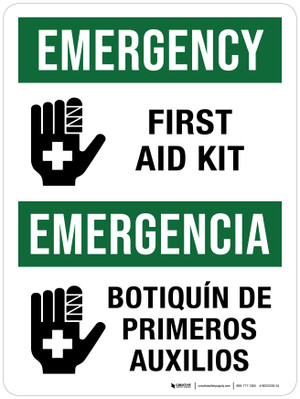
The Spanish term for First Aid Kit is “Botiquín de primeros auxilios. ” It refers to a collection of medical supplies for emergencies.
What Essential Items Are In A Spanish First Aid Kit?
A Spanish first aid kit typically includes bandages, antiseptic, scissors, gloves, and pain relievers. These items help manage minor injuries quickly.
How Do You Say “bandage” In Spanish?
The word “bandage” in Spanish is “vendaje” or “curita” for adhesive bandage. Both are common in first aid contexts.
Why Is Knowing First Aid Terms In Spanish Important?
Knowing first aid terms in Spanish helps in emergencies when language barriers exist. It ensures faster, clearer communication and better care.
Conclusion
A first aid kit in Spanish helps you stay ready for emergencies. Knowing key words makes asking for help easier. Keep your kit stocked and check it often. Practice simple phrases to feel more confident. Being prepared can protect you and others.
Safety starts with small, smart steps. Stay calm, act fast, and use your knowledge well. This simple tool can make a big difference anytime, anywhere.

I’m Abby Lu, a passionate home cook who loves simplifying everyday meals. At PlugChef.com, I share product reviews and cooking guides to help you find the best tools for your kitchen.
Related posts:
 What Type of Cooking Utensils are Safe: Expert Picks
 What Innovations Could Blenders Make: Unleashing Future Tech
 Smart Strategies to Organize a Small Kitchen: Maximize Space
 How to Organize a Kitchen Cabinet: Expert Tips & Tricks
 How to Organize Kitchen Drawers: Expert Tips and Tricks
 How to Organize a Corner Kitchen Cupboard: Expert Tips

