

When an injury happens, having the right tools close by can make all the difference. Your first aid kit is more than just bandages and antiseptics—it’s your quick way to ease pain and reduce swelling.
That’s where ice packs come in. Imagine being able to calm a sprain or soothe a bruise in minutes, without rushing to the store. You’ll discover why first aid kit ice packs are essential, how to choose the best ones, and tips to use them effectively.
Keep reading to make sure your first aid kit truly has your back when it matters most.
Benefits Of Ice Packs In First Aid
Ice packs in first aid kits help reduce pain and swelling quickly. They also slow bleeding and ease muscle soreness after injuries. Keeping ice packs handy supports faster healing and comfort.
Ice packs are a staple in first aid kits, offering quick relief in emergencies. Their simplicity and effectiveness make them essential for treating various injuries. Understanding their benefits can help you use them correctly and get immediate relief.Reducing Swelling And Inflammation
Ice packs help reduce swelling by constricting blood vessels. This limits blood flow to the injured area, minimizing inflammation. Swelling can cause discomfort and delay healing. Ice packs prevent this, speeding up recovery.Pain Relief And Comfort
Cold therapy numbs nerve endings, providing pain relief. Ice packs offer immediate comfort for injuries. They soothe aches and reduce muscle spasms. Their cooling effect brings rapid relief, making injuries more bearable.Preventing Further Injury
Using ice packs can prevent worsening injuries. Cooling the affected area reduces movement, protecting it from additional harm. Ice packs stabilize injuries, aiding in faster recovery. They are vital in first aid for their protective benefits.
Credit: www.amazon.com
Types Of Ice Packs For First Aid Kits
Ice packs are essential components of any first aid kit. They help reduce swelling, ease pain, and prevent further injury after bumps or sprains. Understanding the different types of ice packs can help you choose the one that suits your needs best and ensures you’re prepared for emergencies.
Reusable Gel Packs
Reusable gel packs are filled with a thick gel that stays cold for a long time. You freeze them before use, and they stay flexible even when frozen, making them easy to mold around injured areas.
One advantage is that you can use them multiple times, which makes them cost-effective. However, if the pack leaks, the gel can be messy, so inspect them regularly for damage.
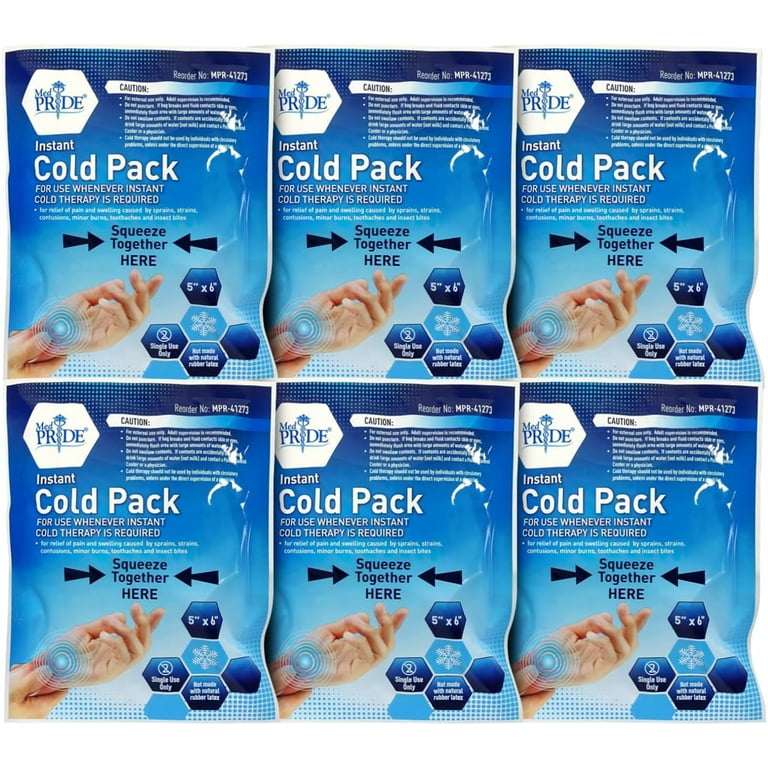
Instant Cold Packs
Instant cold packs provide immediate cooling without the need for freezing. Inside, a chemical reaction creates cold when you squeeze or shake the pack.
These are perfect for on-the-go situations or when you don’t have access to a freezer. Keep in mind, they can only be used once, so you’ll need to replace them after use.
Homemade Ice Packs
Homemade ice packs offer a quick, budget-friendly alternative using items you probably have at home. Common options include a plastic bag filled with ice cubes, frozen peas, or a mixture of water and rubbing alcohol in a sealed bag.
They’re easy to make and customize, but they might not stay cold as long as commercial packs. Have you ever tried a frozen bag of peas on a sore ankle? It’s a simple trick that works surprisingly well.
Choosing The Right Ice Pack
Choosing the right ice pack for your first aid kit can make a big difference during emergencies. You want something that fits your needs perfectly, whether you’re dealing with minor bumps or more serious injuries. Think about how you’ll use the ice pack and what features matter most to you.
Size And Portability
Size matters a lot when selecting an ice pack. A bulky pack might offer more cooling, but it can be hard to carry around. If you’re someone who keeps a first aid kit in your backpack or car, smaller and lightweight packs are easier to handle.
Consider your typical situations. Will you need to apply ice to small areas like wrists or knees? Or do you want something large enough for your back or thigh? A versatile size can cover multiple uses, but having a couple of sizes might be even better.
Freezing Time And Longevity
How fast an ice pack freezes and how long it stays cold are key for real emergencies. Some packs freeze solid in just an hour, while others may take several hours. This affects how quickly you can reuse them.
Think about your access to freezers. If you’re often outdoors or traveling, a pack that stays cold longer without refreezing is invaluable. Look for options with gel formulas that maintain cold for extended periods.
Material Safety And Durability
Not all ice packs are made equal. The material inside should be non-toxic and safe in case of leaks. This is especially important if you have kids or pets around.
Durability is also crucial. You don’t want your ice pack to tear or burst after a few uses. Check for thick, puncture-resistant covers that can handle rough handling without breaking down.

Credit: www.amazon.com
Proper Usage And Application
Knowing how to properly use ice packs in your first aid kit ensures quick relief and avoids harm. Ice packs help reduce pain, swelling, and inflammation. Using them the right way protects your skin and speeds healing.
When To Use Ice Packs
Ice packs work best for fresh injuries like sprains, strains, and bruises. Apply ice within 24 to 48 hours after injury. Use ice packs for:
- Swelling caused by twists or falls
- Muscle soreness after exercise
- Minor burns or insect bites
- Headaches or fever to cool down
Avoid ice on open wounds or if you have poor circulation.
Safe Application Techniques
Never place ice packs directly on bare skin. Wrap the pack in a thin cloth or towel. This prevents frostbite or skin damage. Sit or lie down comfortably while applying ice. Keep the injured area elevated if possible. Avoid pressing too hard with the ice pack.
Duration And Frequency
Limit each icing session to 15-20 minutes. Remove the ice pack to let skin warm for at least 40 minutes. Repeat icing every 1-2 hours during the first day. Do not exceed 3-4 times a day. Watch for signs of skin irritation or numbness and stop if they occur.
Storing And Maintaining Ice Packs
Proper storage and maintenance keep ice packs ready for use. They last longer and work better with simple care. Knowing how to store, clean, and check ice packs saves money and ensures safety.
Storage Tips For Longevity
- Keep ice packs in a cool, dry place away from sunlight.
- Store packs flat to avoid punctures or leaks.
- Do not freeze ice packs if the instructions say otherwise.
- Use a sealed container to protect from dirt and damage.
- Avoid sharp objects near stored ice packs.
Cleaning And Hygiene
- Wipe ice packs with a damp cloth and mild soap after use.
- Rinse well to remove soap residue.
- Dry completely before storing to prevent mold.
- Do not put ice packs in the dishwasher or washing machine.
- Disinfect occasionally with a gentle antiseptic wipe.
Checking For Damage
- Inspect ice packs regularly for cracks or leaks.
- Look for discoloration or strange odors.
- Check seals and seams for any weakness.
- Replace damaged ice packs immediately to avoid spills.
- Test frozen packs to see if they still cool effectively.
Credit: www.walmart.com
Incorporating Ice Packs Into Emergency Kits
Ice packs are a vital part of any first aid kit. They help reduce swelling, ease pain, and cool injuries quickly. Including them in emergency kits makes treatment fast and effective. Ice packs come in many shapes and sizes to fit different needs. They are easy to store and use, which is important during emergencies.
Essential Kit Components
Every first aid kit should have at least one ice pack. Gel packs are popular because they stay cold longer and mold to the body. Small, instant cold packs are useful when refrigeration is unavailable. Keep a protective cloth or cover to avoid direct skin contact. This prevents frostbite or skin damage.
Customizing For Specific Needs
Think about who will use the kit. For kids, choose softer, smaller ice packs. Athletes may need larger packs for muscle injuries. Include reusable packs for ongoing treatments. Add instant cold packs for one-time use on the go. Customize your kit based on common injuries or activities.
Travel And Outdoor Considerations
Ice packs must be lightweight and compact for travel. Choose flexible gel packs that fit in tight spaces. Instant cold packs are great for hiking or camping. They activate without refrigeration or freezing. Store ice packs in insulated bags to keep them cold longer. Always check the kit before trips to ensure ice packs are ready to use.
Frequently Asked Questions
What Are First Aid Kit Ice Packs Used For?
First aid kit ice packs reduce swelling and numb pain after injuries. They help treat sprains, bruises, and strains. Cold therapy limits inflammation and speeds up healing. Portable ice packs are convenient for emergencies and outdoor activities.
How Long Should You Apply An Ice Pack?
Apply ice packs for 15-20 minutes at a time. Avoid direct skin contact to prevent frostbite. Allow skin to warm for at least 40 minutes before reapplying. Repeat as needed during the first 48 hours after injury for best results.
Can Reusable Ice Packs Be Used Multiple Times?
Yes, reusable ice packs can be frozen and used many times. They are durable, cost-effective, and eco-friendly. Always follow manufacturer instructions for proper use and storage. Reusable packs maintain cold temperature for effective pain relief and swelling reduction.
Are Ice Packs Safe For All Age Groups?
Ice packs are generally safe for all ages when used properly. For children or elderly, apply with extra caution and shorter durations. Always wrap the pack in a cloth to protect sensitive skin. Consult a doctor if unsure about cold therapy suitability.
Conclusion
First aid kit ice packs help reduce pain and swelling fast. They are easy to use and store. Keep them ready for bumps, bruises, or sprains. Cold therapy can speed up healing and comfort. Choose packs that stay cold longer and fit well.
Always follow safety tips when applying ice packs. Having them nearby means quick care at home or on the go. A small item with a big impact on recovery. Don’t forget to check and replace your ice packs regularly. Stay prepared and keep your first aid kit complete.

I’m Abby Lu, a passionate home cook who loves simplifying everyday meals. At PlugChef.com, I share product reviews and cooking guides to help you find the best tools for your kitchen.
Related posts:
 What Type of Cooking Utensils are Safe: Expert Picks
 What Innovations Could Blenders Make: Unleashing Future Tech
 Smart Strategies to Organize a Small Kitchen: Maximize Space
 How to Organize a Kitchen Cabinet: Expert Tips & Tricks
 How to Organize Kitchen Drawers: Expert Tips and Tricks
 How to Organize a Corner Kitchen Cupboard: Expert Tips

