
Imagine a moment when a student suddenly feels unwell or gets a small injury right in your classroom. Do you feel ready to handle it calmly and confidently?
Having a well-stocked first aid kit for teachers isn’t just helpful—it’s essential. Your quick action can make a big difference in keeping your students safe and comfortable. You’ll discover exactly what your first aid kit needs and how to use it effectively.
Keep reading to ensure you’re fully prepared for any minor emergencies that may come your way.

Credit: www.schoolhealth.com
Importance Of Classroom Safety
Classroom safety is more than just a set of rules—it’s the foundation that keeps both teachers and students secure throughout the school day. When safety measures are in place, you create an environment where learning thrives without interruptions from accidents or emergencies. Have you ever thought about how a simple first aid kit can be a game-changer in keeping that safety intact?
Creating A Safe Learning Environment
Your classroom should feel like a safe zone for every student. This means identifying potential hazards like sharp objects, slippery floors, or even allergic reactions from snacks. By keeping a well-stocked first aid kit handy, you can quickly respond to minor injuries, preventing them from escalating.
Empowering Teachers With Preparedness
As a teacher, you hold the responsibility of acting fast during emergencies. Having essential first aid supplies within reach boosts your confidence to manage cuts, bruises, or sudden illnesses. It’s not just about being prepared; it’s about knowing you can handle unexpected situations calmly and effectively.
Reducing Anxiety For Students And Parents
When students see that their teacher is ready to handle injuries or emergencies, their anxiety decreases. Parents also feel reassured knowing their child’s safety is prioritized. This trust builds a stronger connection and makes the classroom a place everyone feels comfortable.
Encouraging Quick Response And Prevention
Do you know how much time it takes to get help when an accident happens? A first aid kit in the classroom cuts down response time drastically. Immediate care can prevent infections, reduce pain, and stop minor issues from turning into major problems.
Supporting Legal And School Policy Requirements
Many schools require teachers to maintain a first aid kit as part of safety protocols. Following these guidelines not only protects your students but also safeguards you legally. Staying compliant with these rules ensures you’re prepared for any situation without worry.

Credit: www.pens.com
Basic First Aid Kit Contents
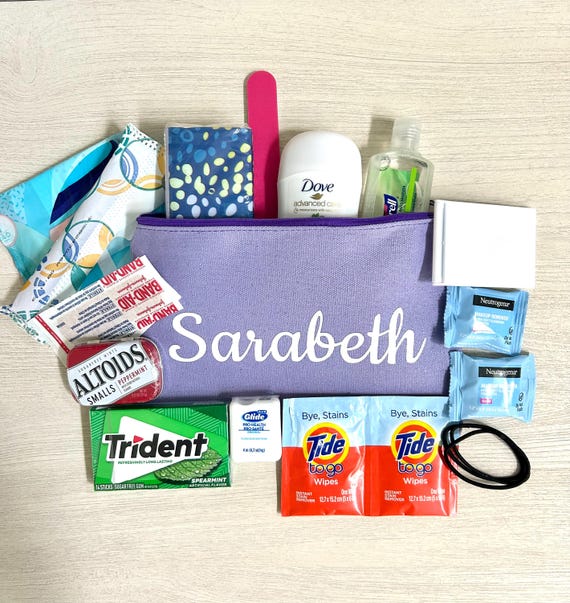
Having a well-stocked first aid kit in your classroom is essential for handling minor injuries quickly and confidently. Knowing exactly what to include can make the difference between a calm response and unnecessary panic. Here’s a clear look at the basic contents every teacher’s first aid kit should have.
Bandages And Dressings
Bandages protect cuts and scrapes from dirt and germs. You should have a variety of sizes—small strips for tiny scratches and larger ones for bigger wounds. Including sterile gauze pads helps absorb blood and keeps wounds clean.
Think about how often kids scrape their knees during recess or art projects. Having the right bandages ready means you can stop the bleeding and reduce the risk of infection immediately.
Antiseptic Wipes And Solutions
Cleaning a wound properly is crucial before applying any bandage. Antiseptic wipes or solutions like hydrogen peroxide or iodine kill germs that could cause infections. Keep single-use wipes handy to avoid contamination.
Have you ever dealt with a messy spill or a sudden nosebleed? A quick clean-up with antiseptic wipes can prevent a small issue from becoming a bigger health concern.
Adhesive Tape And Scissors
Adhesive tape holds dressings in place securely. Choose hypoallergenic tape to avoid irritating sensitive skin. Scissors are necessary to cut tape or bandages to the right size quickly and safely.
Imagine trying to manage a bandage without scissors; it can slow down your response and increase stress. Having these tools ready will help you act fast and keep your students comfortable.
Specialized Supplies For Schools
Teachers face unique challenges when it comes to first aid in schools. Students may have specific health needs or face accidents that require more than just basic supplies. Having specialized supplies ready can make a huge difference in managing emergencies quickly and effectively.
Allergy And Asthma Tools
Allergies and asthma are common among children, and quick access to the right tools can save lives. Keep epinephrine auto-injectors for severe allergic reactions and inhalers for asthma attacks within easy reach. Also, include antihistamines and allergy wipes to help reduce symptoms fast.
Ask yourself: Are you prepared to handle a sudden allergic reaction in your classroom? Having these tools accessible means you can act immediately and confidently.
Burn Treatment Supplies
Burns happen more often than you might think, especially in science labs or during lunch breaks. Stock your first aid kit with burn dressings, cooling gels, and sterile gauze. These items help soothe pain and prevent infection right away.
Remember, even minor burns can worsen if not treated properly. Would you know how to calm a child’s distress while applying the right care?
Splints And Immobilizers
Sprains and fractures require immobilization to avoid further injury. Include splints, elastic bandages, and cold packs in your kit to stabilize limbs until professional help arrives. These supplies help reduce pain and swelling effectively.
Think about the last time a student twisted an ankle during recess. Could you provide immediate support to prevent more harm? Specialized immobilizers equip you to handle such situations calmly and competently.
Emergency Contact Information
Emergency contact information is vital in every teacher’s first aid kit. Quick access to the right contacts can save precious time during emergencies. It helps teachers act confidently and ensures students get the care they need fast.
Organize contact details clearly. Keep this information updated and easy to find. This reduces stress and improves response in urgent situations.
School Nurse And Staff
Include the school nurse’s phone number and room location. Add contacts for other key staff like the principal or counselor. These people can provide immediate help and guidance.
- School nurse’s direct line
- Assistant nurse or health aide contacts
- Principal and vice principal phone numbers
- School counselor or psychologist contacts
Make sure all staff contacts are reachable during school hours. Teachers should know who to call first for medical issues or emergencies.
Local Emergency Services
Teachers should have local emergency services numbers at hand. Include the police, fire department, and nearby hospital or urgent care center. These contacts help in serious accidents or health emergencies.
| Service | Contact Number |
|---|---|
| Emergency Police | 911 |
| Fire Department | 911 |
| Nearest Hospital | (Insert local number) |
| Urgent Care Center | (Insert local number) |
Keep this list visible and easy to access. It helps teachers call for urgent help without delay.
Training And Preparedness
Training and preparedness are essential for teachers to handle emergencies confidently. Having a first aid kit is just the beginning; knowing how to use it effectively makes all the difference. You must be ready not only to react quickly but also to stay calm under pressure.
First Aid Training For Teachers
First aid training equips you with the skills to manage common injuries and illnesses in the classroom. Courses often cover CPR, treating cuts, burns, choking, and allergic reactions. Hands-on practice helps you remember procedures and act without hesitation.
Think about a time when you saw a student hurt but didn’t know what to do. Proper training removes that uncertainty and empowers you to help immediately. Could your school improve safety by offering regular first aid workshops?
Regular Safety Drills
Safety drills prepare both teachers and students for emergencies. These drills simulate real scenarios, helping everyone understand their roles and the quickest routes to safety. Consistent practice reduces panic and confusion during actual events.
Organizing drills for situations like fires, lockdowns, or medical emergencies keeps you sharp. You learn to check your first aid kit quickly and communicate clearly with students and emergency responders. How often does your school run these drills, and how could they be improved?
Maintenance And Restocking
Maintaining and restocking a first aid kit for teachers is essential for safety in the classroom. A well-kept kit ensures quick response to minor injuries and emergencies. Regular checks keep supplies ready and safe to use.
Checking Expiry Dates
Expired items lose their effectiveness and can be unsafe. Check all medicine, ointments, and sterile products for expiry dates. Remove anything that is out of date immediately. Mark a schedule to check these dates every three months.
Use a simple checklist to track expiry dates. This keeps everything organized and easy to manage. Encourage teachers to report low supplies or expired items promptly.
Restocking Procedures
Restocking keeps the kit complete and ready for use. Create a list of essential items such as bandages, antiseptic wipes, gloves, and pain relievers. After use, replace items immediately to avoid shortages.
Store spare supplies in a designated area for easy access. Assign a responsible person to check and restock the kit regularly. Keep receipts and records of purchases to monitor usage and budget.
Creating A Safe Classroom Environment
Creating a safe classroom environment is essential for every teacher. It ensures that students feel secure and focused, ready to learn without unnecessary risks. You hold the key to spotting potential dangers before they escalate, making your classroom a haven for learning.
Identifying Hazards
Look around your classroom with fresh eyes. Are wires running across walkways where someone might trip? Are sharp tools like scissors or staplers stored properly? Even small things, like cluttered desks or loose rugs, can cause accidents.
Think about activities you plan. Could any materials cause allergic reactions? Is there a chance of spills that might make the floor slippery? Noticing these hazards early helps you act quickly.
Preventive Measures
Once you spot risks, take clear steps to prevent them. Use cable covers to secure loose wires and keep walking paths clear. Store sharp objects in locked drawers or high shelves, away from young hands.
Set rules with your students about handling materials safely. Teach them to clean up spills immediately and report any broken equipment. Simple habits like these reduce accidents dramatically.
Have you thought about where your first aid kit is placed? It should be easy to reach but out of reach of very young children. Regularly check its contents to keep it ready for any situation.
Credit: www.etsy.com
Frequently Asked Questions
What Essential Items Should A Teacher’s First Aid Kit Contain?
A teacher’s first aid kit should include bandages, antiseptic wipes, adhesive tape, gloves, scissors, and a cold pack. These items help treat minor injuries quickly and safely in the classroom, ensuring student safety and preparedness for common accidents.
How Often Should Teachers Check Their First Aid Kits?
Teachers should check their first aid kits monthly. Regular checks ensure supplies are not expired or depleted. This practice guarantees readiness for emergencies and keeps the kit stocked with essential, effective items.
Can Teachers Use First Aid Kits For Student Allergies?
Yes, teachers can use first aid kits for mild allergic reactions. Kits should have antihistamine creams and allergy medication if allowed. Always follow school policies and seek medical help for severe allergic responses.
Why Is A First Aid Kit Important In The Classroom?
A first aid kit is vital in classrooms for prompt injury care. It minimizes the impact of accidents and provides reassurance to students and staff. Quick response can prevent minor issues from becoming serious.
Conclusion
A well-stocked first aid kit helps teachers stay ready for emergencies. It keeps students safe and calm during accidents. Simple supplies can prevent small injuries from becoming big problems. Teachers feel more confident with tools nearby. Regularly checking and updating the kit is important.
Safety in the classroom starts with preparation. Every teacher should have a reliable first aid kit. It supports quick action and peace of mind. A little effort goes a long way in protecting children.

I’m Abby Lu, a passionate home cook who loves simplifying everyday meals. At PlugChef.com, I share product reviews and cooking guides to help you find the best tools for your kitchen.
Related posts:
 What Type of Cooking Utensils are Safe: Expert Picks
 What Innovations Could Blenders Make: Unleashing Future Tech
 Smart Strategies to Organize a Small Kitchen: Maximize Space
 How to Organize a Kitchen Cabinet: Expert Tips & Tricks
 How to Organize Kitchen Drawers: Expert Tips and Tricks
 How to Organize a Corner Kitchen Cupboard: Expert Tips