
When you head out on a hunting trip, your focus is on the thrill and the experience. But have you ever stopped to think about what would happen if you got hurt?
Having the right first aid kit for hunting isn’t just smart—it could be the difference between a minor scare and a serious emergency. You want to be prepared for anything, from small cuts to unexpected accidents. You’ll discover exactly what to pack in your hunting first aid kit to keep yourself safe and confident in the wild.
Keep reading—your safety depends on it.

Credit: www.walmart.com
Importance Of A Hunting First Aid Kit
Having a first aid kit specifically for hunting is not just a good idea—it can be a lifesaver. Hunting often takes you far from immediate help, into rugged and unpredictable environments. You need to be prepared for injuries that can happen suddenly, from cuts and scrapes to more serious accidents.
Imagine being deep in the woods when a branch causes a deep cut or you twist your ankle on uneven ground. Without the right supplies, a small injury could turn into a serious problem. Your hunting first aid kit should be tailored to handle these risks quickly and effectively.
Essential Supplies For Immediate Response
Your hunting first aid kit needs to include items that address common injuries like bleeding, burns, and insect bites. Think bandages, antiseptic wipes, gauze, and a tourniquet. These supplies help you control bleeding and prevent infection, which is crucial when you’re miles away from a hospital.
Don’t forget pain relievers and allergy medication. Even if you’ve never had a severe allergic reaction, nature can surprise you. Having these on hand gives you peace of mind and keeps you prepared for unexpected situations.
Why Portability Matters
You will be carrying your first aid kit over rough terrain, so it must be compact and lightweight. Bulky kits are hard to manage and might be left behind. A small, well-organized kit fits easily in your backpack or hunting vest.
Consider waterproof or durable cases to protect your supplies from weather and rough handling. This ensures everything stays functional when you need it most.
Training And Confidence In Using Your Kit
Having a kit is one thing, but knowing how to use it is another. Spend time learning basic first aid skills relevant to hunting injuries. This knowledge helps you act quickly and confidently.
Ask yourself: Would you know how to treat a deep cut or stabilize a sprained ankle right now? If the answer is no, it’s time to get some training. Your kit is only as good as your ability to use it effectively.
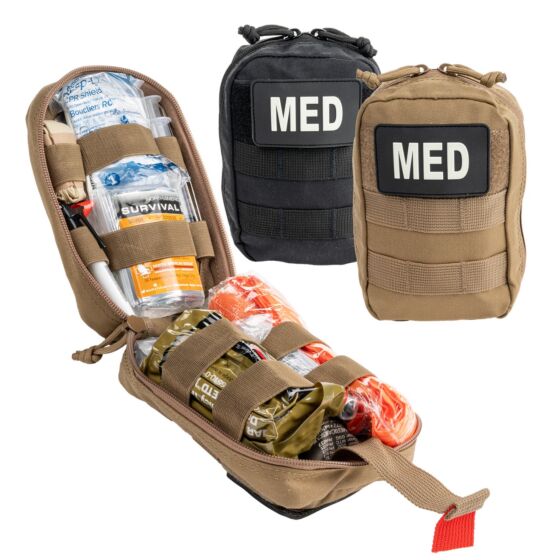
Credit: www.narescue.com
Basic Components
Knowing the basic components of a first aid kit for hunting can make a huge difference in your safety and readiness. You never know when a small injury might turn into a big problem if you’re not prepared. Having the right supplies on hand helps you act fast and keep minor wounds from becoming serious.
Bandages And Dressings
Bandages and dressings are your first line of defense against cuts and scrapes. Pack a variety of sizes, including adhesive bandages for small cuts and larger sterile dressings for deeper wounds. Don’t forget gauze pads and elastic bandages—they’re perfect for controlling bleeding and securing dressings in place.
Think about your last hunting trip: did you have enough materials to cover a bleeding wound quickly? If not, adding extra bandages could save you or your hunting partner from an emergency.
Antiseptics And Disinfectants
Cleaning a wound properly is crucial to prevent infection. Include antiseptic wipes, alcohol pads, and an antibacterial ointment in your kit. These help kill germs and create a clean environment for healing.
Consider the environment you hunt in—dust, dirt, and animal debris can easily contaminate injuries. Carrying reliable antiseptics ensures you won’t have to rely on questionable water sources or leaves to clean wounds.
Pain Relief Medications
Pain can distract you and slow down your decision-making in the field. Over-the-counter pain relief like ibuprofen or acetaminophen should be part of your kit. These medications help reduce pain, inflammation, and fever, keeping you focused on what matters.
Have you ever felt the sharp sting of a sprain or bruise during a hunt? A quick dose of pain relief can keep you moving and prevent the injury from worsening.
Essential Tools
Essential tools in a first aid kit for hunting ensure quick and effective care. These tools help treat wounds, manage injuries, and monitor health. Keeping them organized and accessible improves safety during outdoor adventures.
Tweezers And Scissors
Tweezers remove splinters, thorns, and small debris from skin. Sharp scissors cut bandages, tape, and clothing with precision. Both tools must be clean and rust-free for safe use.
Splints And Slings
Splints stabilize broken or sprained limbs to prevent further injury. Slings support injured arms or shoulders, reducing pain and movement. Carry lightweight, adjustable options for easy use in the field.
Thermometer
A thermometer helps track body temperature during illness or heat exposure. Digital thermometers are quick and simple to read. Monitoring temperature alerts hunters to possible infections or heatstroke early.
Safety Gear
Safety gear is essential for every hunting trip. It helps protect you in unexpected situations. Carrying the right tools can save your life and keep you calm.
These items do more than just treat injuries. They help signal for help, stay warm, and see clearly in the dark.
Emergency Blanket
An emergency blanket keeps you warm during cold weather. It is lightweight and fits easily in your pack. The blanket reflects body heat to prevent hypothermia. Carry one to stay safe if you get stuck outdoors.
Signaling Devices
Signaling devices help rescuers find you quickly. Common options include whistles, mirrors, and flares. A loud whistle can alert others to your location. A mirror flashes sunlight to catch attention. Flares are visible from far away and work well at night.
Flashlight
A flashlight provides light when it gets dark. Choose a model with bright, long-lasting batteries. A waterproof flashlight is best for hunting trips. It helps you navigate safely and check your surroundings. Keep it handy in your first aid kit or pocket.
Survival Equipment
Survival equipment is a crucial part of any first aid kit for hunting. You never know when you might get stranded or face unexpected challenges in the wilderness. Having the right tools can make the difference between a safe return and a dangerous situation.
Water Purification Tablets
Clean water is essential for survival, but carrying large amounts of water isn’t always practical. Water purification tablets are lightweight and easy to pack. They quickly kill harmful bacteria and parasites, making natural water sources safe to drink.
If you find yourself far from your water supply, these tablets can prevent dehydration and illness. Have you ever considered how long you could survive without clean water in the wild? These tablets answer that question by providing a simple, reliable solution.
Fire Starting Kit
A fire starting kit is more than just a convenience; it’s a survival necessity. Fire provides warmth, a way to cook food, and a signal for help. It also keeps dangerous animals away and can boost morale during tough times.
Look for kits that include waterproof matches, a ferro rod, or a magnesium block. They work even in wet conditions, giving you confidence that you can start a fire when you need it most. Imagine being able to create fire quickly after a long day of hunting—how much safer would you feel?
Multi-tool
A multi-tool is a compact, versatile piece of equipment that combines several tools into one. It usually includes a knife, pliers, screwdrivers, and scissors. This small device can handle a variety of tasks from gear repair to food preparation.
Carrying a multi-tool means you’re prepared for unexpected situations without overloading your pack. I once fixed a broken strap on my backpack using the pliers on my multi-tool, saving a potentially dangerous situation. What tasks could you handle if you had a multi-tool at hand?
First Aid Training
First aid training is vital for every hunter. It teaches how to handle injuries quickly and safely. Knowing first aid can prevent minor wounds from becoming serious problems. It also boosts confidence during hunting trips far from help. Training covers how to use items in a first aid kit correctly and when to seek emergency care.
Importance Of Basic First Aid Skills
Basic first aid skills help manage cuts, bruises, and sprains. Hunters often face risks like sharp tools, rough terrain, and animal encounters. Quick action can stop bleeding and reduce pain. These skills protect both the hunter and their group. They ensure safety until professional medical help arrives.
Essential First Aid Techniques For Hunters
- Stopping bleeding with pressure and bandages
- Cleaning and dressing wounds to avoid infection
- Recognizing signs of shock and treating it
- Handling fractures and sprains safely
- Performing CPR in emergencies
Where To Get First Aid Training
Many organizations offer first aid courses. Local community centers and health clinics provide classes. Outdoor and hunting groups sometimes host special sessions. Online courses can teach theory but practical training is best. Choose a course that covers wilderness or outdoor first aid.
Practice And Refresh Skills Regularly
First aid skills fade without practice. Regular training keeps knowledge fresh and ready. Review the contents of your first aid kit often. Practice bandaging and using supplies with your hunting group. Stay prepared for any unexpected situation.
Maintenance And Storage
Keeping your first aid kit in top shape is as important as having one on your hunting trips. Maintenance and storage directly affect how well your kit performs in an emergency. Neglecting these can lead to expired supplies or damaged equipment when you need them most.
Regular Checks
Set a schedule to inspect your first aid kit regularly, ideally before each hunting season and after any trip. Check expiration dates on items like bandages, antiseptics, and medications. Replace anything that is expired or looks damaged.
Look over the kit’s contents carefully. Are the bandages dry and sealed? Is the tape sticky? These small details ensure your kit stays functional and reliable.
Think about the types of injuries you might face while hunting. Does your kit include the right supplies for those situations? Adding or removing items based on your past experiences can make your kit more effective.
Proper Storage
Choose a storage spot that protects your kit from moisture, heat, and direct sunlight. A waterproof, durable container can shield supplies from harsh outdoor conditions. Avoid storing your kit in places where it can get crushed or dirty.
Keep your kit accessible but safe. If you store it in your vehicle, secure it so it doesn’t shift or get lost among other gear. At home, place it in a consistent, easy-to-remember location to grab quickly before heading out.
Have you considered how changing seasons affect your kit’s storage needs? Cold weather can freeze liquids, and heat can degrade materials. Adapt your storage solutions to protect your kit year-round.
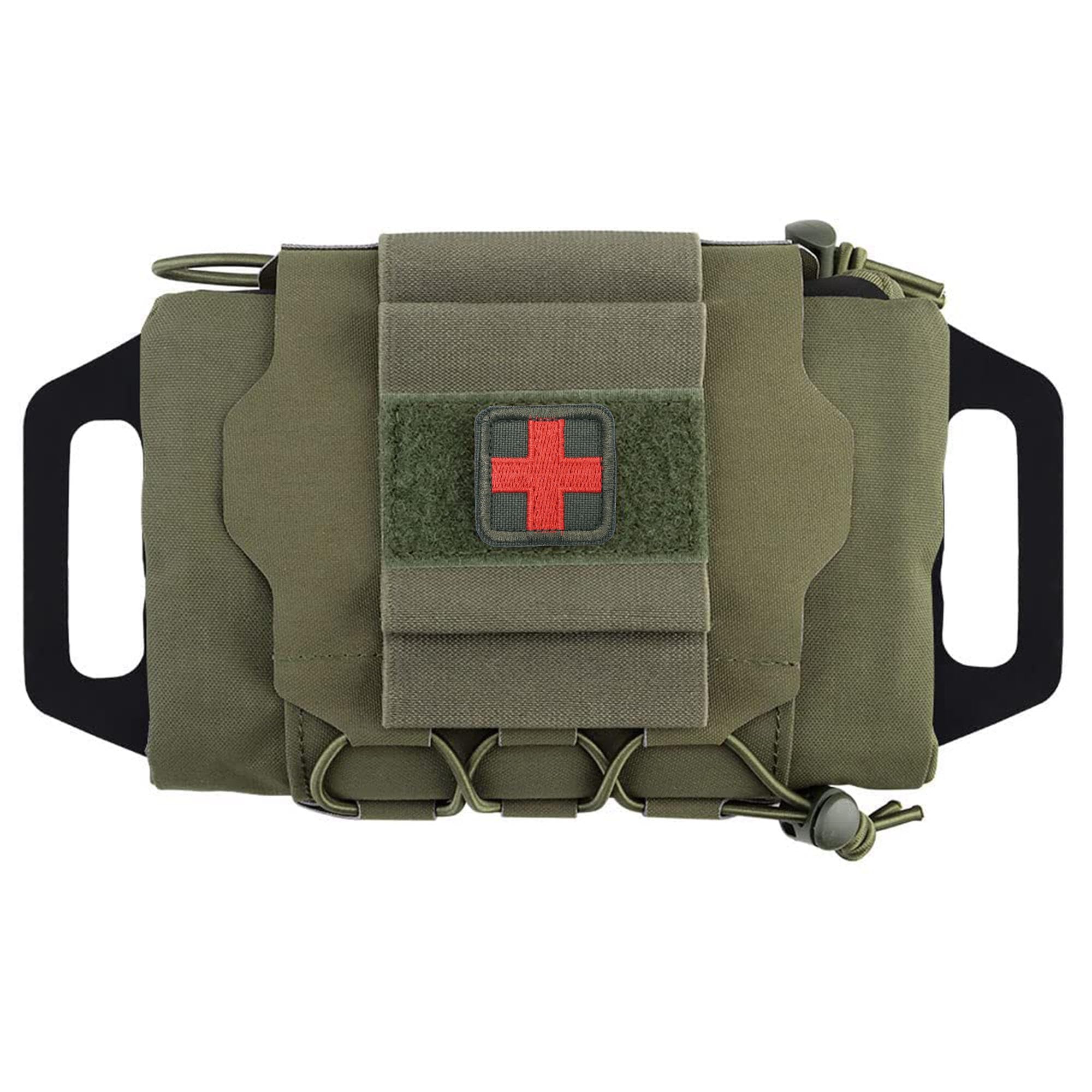
Credit: www.amazon.com
Frequently Asked Questions
What Essential Items Should A Hunting First Aid Kit Include?
A hunting first aid kit should include bandages, antiseptic wipes, pain relievers, tweezers, gloves, and a tourniquet. These items help manage cuts, scrapes, insect bites, and minor injuries in the wild. Always customize your kit based on the hunting environment and personal needs.
How Do I Maintain And Check My Hunting First Aid Kit?
Regularly inspect your first aid kit for expired medications and used supplies. Replace any depleted items immediately. Store the kit in a waterproof container to protect it from moisture. Keeping it organized ensures quick access during emergencies while hunting.
Why Is A Hunting-specific First Aid Kit Important?
A hunting-specific first aid kit addresses unique outdoor injuries like animal bites, deep cuts, and hypothermia. It prepares you for remote locations with limited medical help. Having the right supplies can prevent complications and save lives during hunting trips.
How Can I Customize My First Aid Kit For Hunting Trips?
Consider your hunting location, duration, and personal health needs. Add allergy medications, snake bite kits, or extra wound dressings if necessary. Tailoring your kit improves safety and readiness for specific risks you may encounter while hunting.
Conclusion
A good first aid kit keeps you safe while hunting. It helps treat small cuts and bruises fast. Always carry it in your backpack or jacket. Check the kit before each trip to keep supplies fresh. Knowing how to use it can save time and pain.
Stay prepared, stay confident, and enjoy the hunt with peace of mind. Safety comes first, no matter where you go.

I’m Abby Lu, a passionate home cook who loves simplifying everyday meals. At PlugChef.com, I share product reviews and cooking guides to help you find the best tools for your kitchen.
Related posts:
 What Type of Cooking Utensils are Safe: Expert Picks
 What Innovations Could Blenders Make: Unleashing Future Tech
 Smart Strategies to Organize a Small Kitchen: Maximize Space
 How to Organize a Kitchen Cabinet: Expert Tips & Tricks
 How to Organize Kitchen Drawers: Expert Tips and Tricks
 How to Organize a Corner Kitchen Cupboard: Expert Tips