

Imagine this: you’re settling into your dorm room, excited for the new adventure ahead. But what if a small injury or sudden illness catches you off guard?
Having a well-stocked first aid kit right there can make all the difference. You might think it’s unnecessary or that you can just visit the campus clinic, but when you’re feeling unwell or dealing with a minor cut, waiting isn’t always an option.
Your health and peace of mind matter. You’ll discover exactly what to include in your first aid kit for dorm life, so you’re prepared for anything that comes your way. Keep reading to make sure you’re ready to handle those unexpected moments with confidence.
Basic Supplies
Setting up a first aid kit for your dorm is an essential step in ensuring your safety and preparedness for minor injuries. These basic supplies can make a world of difference when you need to handle unexpected situations. Imagine late-night study sessions suddenly interrupted by a paper cut or a minor scrape during a weekend outing. Having a well-stocked first aid kit lets you address these minor incidents with ease and get back to what matters. Let’s dive into the fundamental items every dorm first aid kit should include.
Bandages And Adhesive Tapes
Bandages are the unsung heroes of first aid kits. They come in handy for minor cuts and blisters. Keep a variety of sizes to cover different types of wounds effectively. Adhesive tapes are equally crucial as they help secure bandages in place, ensuring you don’t have to readjust them constantly. Have you ever had a bandage that wouldn’t stick during a long day? The right adhesive tape can prevent this annoyance.
Antiseptic Wipes And Creams
Cleaning a wound before dressing it is vital, and that’s where antiseptic wipes come in. They help prevent infections by eliminating germs and bacteria. Antiseptic creams are also essential for soothing and protecting the skin after cleaning. Think about the last time you had a minor scrape—did you reach for a wipe or cream to ease the sting? These items ensure your wounds heal cleanly.
Gauze Pads And Cotton Balls
Gauze pads are perfect for covering larger wounds and absorbing any bleeding. They provide a protective layer that keeps dirt out. Cotton balls, on the other hand, are versatile and can be used for applying creams or cleaning wounds. Have you ever found yourself needing more than just a bandage for a cut? Gauze pads offer that extra coverage and security.

Credit: www.amazon.com
Medications
A well-stocked first aid kit for a dorm must include essential medications. These help handle common health issues quickly. Medications reduce pain, fight allergies, and ease cold symptoms. Keeping these medicines ready saves time and stress.
Pain Relievers
Pain relievers are crucial for headaches, muscle aches, or minor injuries. Choose non-prescription options like acetaminophen or ibuprofen. They work fast and are safe when taken as directed. Always check the expiration date before use.
Allergy Medicines
Allergy medicines help control reactions from pollen, dust, or food. Antihistamines like loratadine or cetirizine reduce sneezing, itching, and swelling. Having these on hand prevents discomfort during allergy flare-ups. Keep them in a cool, dry place.
Cold And Flu Remedies
Cold and flu medicines ease symptoms like cough, congestion, and fever. Include decongestants, cough suppressants, and throat lozenges. These help you rest and recover faster. Remember to follow the dosage instructions carefully.
Tools And Equipment
Having the right tools and equipment in your dorm first aid kit can make all the difference when a minor injury or health issue arises. These items help you act quickly and confidently, avoiding unnecessary trips to the campus health center. Let’s look at some essential tools that should never be missing from your kit.
Tweezers And Scissors
Tweezers are a must-have for removing splinters, glass shards, or even stubborn ticks. You want a pair with a fine tip for precision, making it easier to grab tiny objects without hurting your skin further.
Scissors are equally important. Choose a small pair with blunt tips to safely cut bandages, tape, or clothing if needed. I once had to quickly cut a sleeve to treat a scraped elbow, and having scissors on hand saved time and stress.
Thermometer
A reliable thermometer is crucial to monitor fevers and decide if medical attention is needed. Digital thermometers are quick, hygienic, and easy to use—you can get an accurate reading in seconds.
Keep it in your kit along with extra batteries or a charging method. Knowing whether you or a roommate has a fever can help you act fast and prevent spreading illness around the dorm.
Disposable Gloves
Disposable gloves protect you and others by creating a barrier against germs and bloodborne pathogens. They’re essential whenever you need to clean wounds, handle bodily fluids, or assist someone who’s sick.
Make sure your gloves fit well and are latex-free if you have allergies. I learned the hard way that gloves can keep you safe and calm during unexpected messy situations, so don’t skip them.
Personal Care Items
Personal care items are essential in a dorm first aid kit because they help you manage everyday discomforts quickly. These small products can prevent minor issues from turning into bigger problems. Having them on hand means you stay comfortable and focused on your studies and social life.
Hydrocortisone Cream
Hydrocortisone cream is a must-have for soothing skin irritations like insect bites, rashes, or allergic reactions. I once ignored a small itchy spot, which then became red and swollen. Applying hydrocortisone cream early stops itching and inflammation, making it easier to avoid scratching and worsening the condition.
Lip Balm
Dry or chapped lips can be distracting, especially during cold or dry weather. Lip balm keeps your lips moisturized and prevents painful cracks. Choose a balm with SPF to protect your lips from sun damage during outdoor activities or walks around campus.
Eye Drops
Eye drops can relieve dryness, redness, or irritation caused by long hours of screen time or exposure to dust. When I started using eye drops regularly, I noticed less eye strain and fewer headaches. Carrying a small bottle in your dorm first aid kit helps you refresh your eyes anytime they feel tired or irritated.
Emergency Essentials
Having a well-stocked first aid kit in your dorm can make all the difference during unexpected moments. Emergency essentials are the items that help you act quickly and confidently when accidents happen. These are not just convenience items; they are crucial tools that can prevent minor injuries from becoming serious.
Instant Cold Packs
Instant cold packs are lifesavers for bumps, bruises, or swelling. They don’t require refrigeration, so you can keep them ready in your dorm without worrying about space. Just squeeze or shake the pack to activate the cooling effect instantly.
Keep a few of these in your kit—they’re easy to use and can reduce pain and inflammation immediately. Ever had a hard fall during a late-night study break? An instant cold pack can soothe that pain fast, letting you get back to focus.
Cpr Face Shield
A CPR face shield protects both you and the person needing help during resuscitation. It acts as a barrier to prevent direct contact, reducing the risk of germ transmission. This small, flat item can fit perfectly in your first aid kit without taking up much space.
Knowing how to use it can give you the confidence to assist in emergencies. Have you thought about how prepared you would be if someone suddenly collapsed nearby? This shield can make a big difference in those critical minutes.
Emergency Contact List
Always keep an updated emergency contact list in your first aid kit. Include phone numbers for campus security, local hospitals, family members, and close friends. Having this information at your fingertips saves precious time during a crisis.
Write it down clearly and keep a backup copy on your phone. What if your phone battery dies or you can’t access your contacts? A physical list ensures you’re never left searching for help when it matters most.

Credit: www.dormco.com
Storage And Maintenance
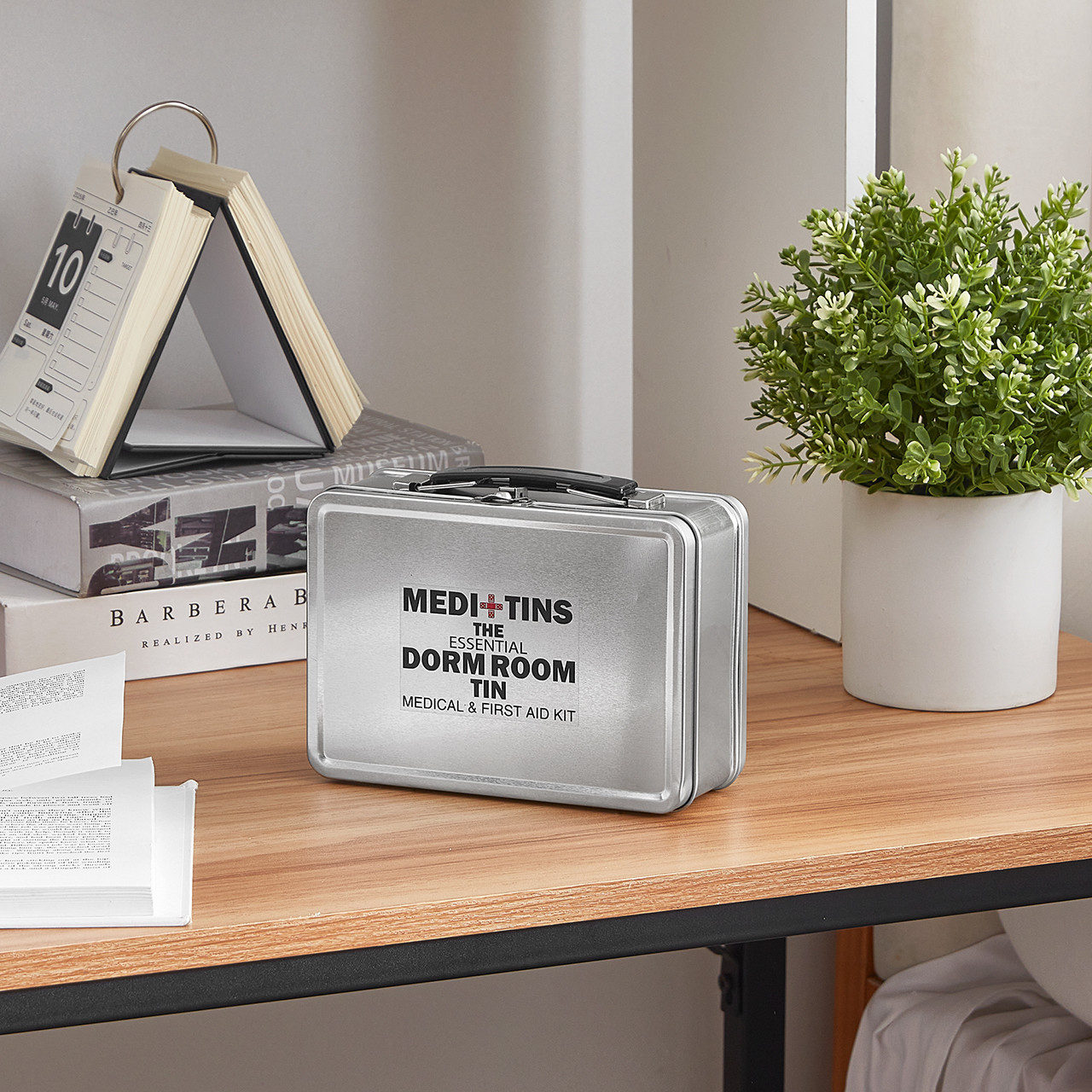
Keeping your dorm first aid kit well-stored and maintained is key to being prepared for any minor emergency. Proper storage protects your supplies from damage, while regular upkeep ensures everything inside is ready when you need it most. Neglecting this can turn your kit into just a box of expired or unusable items.
Choosing The Right Container
Pick a container that is compact yet spacious enough to hold all essential items neatly. A sturdy plastic box with a secure lid works well to keep moisture and dust away. Consider a container with compartments or dividers to separate bandages, ointments, and tools for easy access.
Think about where you’ll store it in your dorm. Is it easy to reach in an emergency? A clear or labeled container helps you spot what you need quickly. Have you ever fumbled through a cluttered box when time was critical? The right container can save precious seconds.
Regularly Checking Supplies
Set a monthly reminder to review your first aid kit. Check if any items are missing, damaged, or used up. It’s easy to forget this, but regular checks keep you confident that your kit is complete and functional.
Go through each section, making sure bandages aren’t dried out and tools like scissors still work smoothly. It only takes a few minutes but can make a huge difference in an emergency. How often do you think your kit really needs attention to stay ready?
Replacing Expired Items
Expired supplies can be ineffective or even unsafe. Medications, ointments, and sterile gauze have expiration dates for a reason. Toss anything past its date and replace it promptly.
Keep a small list of expiration dates in your kit or on your phone to track what needs replacing soon. You might discover that some items last longer than others, helping you prioritize what to buy first. Have you ever tried using an old antiseptic only to find it wasn’t effective? Don’t let that happen when you’re counting on your kit.
Credit: www.dormco.com
Frequently Asked Questions
What Essential Items Are In A Dorm First Aid Kit?
A dorm first aid kit should include bandages, antiseptic wipes, pain relievers, adhesive tape, scissors, and tweezers. Also, add allergy medication and cold packs for common dorm emergencies. These items cover minor cuts, headaches, and allergic reactions effectively.
How Often Should I Check And Restock My Dorm First Aid Kit?
Check your dorm first aid kit every three months to ensure supplies are fresh and usable. Replace expired medications and used items promptly. Regular restocking keeps you prepared for unexpected injuries or illnesses.
Can I Customize My Dorm First Aid Kit For Personal Needs?
Yes, customize your dorm first aid kit based on your medical history and lifestyle. Include prescription medicines, specific allergy treatments, or extra supplies like eye drops. Personalizing ensures you are ready for unique health situations.
Where Is The Best Place To Store A Dorm First Aid Kit?
Store your dorm first aid kit in a cool, dry, and easily accessible spot. Avoid places exposed to heat or moisture to maintain item effectiveness. A visible location helps quick access during emergencies.
Conclusion
A well-stocked first aid kit keeps dorm life safer and easier. Small injuries happen fast. Being ready saves time and worry. Include basics like bandages, antiseptic, and pain relief. Check supplies often to replace used or expired items. Keep the kit easy to find and use.
Everyone in the dorm benefits from quick care. Stay prepared, stay calm, and stay healthy. A simple kit makes a big difference every day.

I’m Abby Lu, a passionate home cook who loves simplifying everyday meals. At PlugChef.com, I share product reviews and cooking guides to help you find the best tools for your kitchen.
Related posts:
 What Type of Cooking Utensils are Safe: Expert Picks
 What Innovations Could Blenders Make: Unleashing Future Tech
 Smart Strategies to Organize a Small Kitchen: Maximize Space
 How to Organize a Kitchen Cabinet: Expert Tips & Tricks
 How to Organize Kitchen Drawers: Expert Tips and Tricks
 How to Organize a Corner Kitchen Cupboard: Expert Tips

