
When you walk into your church on a Sunday morning, you’re stepping into a community hub that serves far more than weekly worship. In 2026, most churches host food pantries, after-school programs, senior luncheons, vacation Bible school, and community potlucks—bringing together people of all ages, abilities, and health needs in one space. A generic, off-the-shelf first aid kit is not enough to meet the unique risks of this environment. Whether you lead a 20-person rural chapel or a 1,000-seat urban megachurch, having a tailored, well-maintained first aid kit for your church can mean the difference between a minor incident and a life-threatening emergency.
Many churches also host weekly community meals and food pantry distributions, so pairing your first aid kit with reliable food storage containers ensures both medical and nutritional needs are met during long events. This guide breaks down exactly what supplies you need, how to tailor your kit to your congregation’s specific needs, and how to train your team and stay compliant with legal requirements to keep your community safe. We’ll also cover common mistakes to avoid, so you’re never caught off guard when every second counts.
 A well-organized kit ensures supplies are easy to locate during high-stress emergencies.
Credit: www.amazon.com
A well-organized kit ensures supplies are easy to locate during high-stress emergencies.
Credit: www.amazon.com
Assess Your Church’s Unique Risk Profile First
Before you buy a single supply, take 30 minutes to map out the specific risks your church faces. A one-size-fits-all kit will leave you unprepared for the most common incidents at your location. Start by evaluating three key factors:
Congregation Demographics
Take stock of the people who regularly use your space. If 30% or more of your attendees are over 65, prioritize supplies for age-related issues: extra-soft silicone bandages for fragile skin, a blood pressure cuff, glucose tablets for diabetics, and hearing aid batteries for seniors who may struggle to communicate during an emergency. If you host frequent children’s programming (Sunday school, VBS, youth group), add child-sized bandages, liquid pain relievers with dosing charts, and small cold packs for playground falls. If you run a food pantry or community meal program, stock extra burn gel and antihistamines for food allergy reactions and hot surface burns.
Regular Event Types
Weekly Sunday services only require basic wound care supplies, but special events require add-ons. For outdoor events (picnics, baptisms, fall festivals), add sunburn relief, insect bite cream, and oral rehydration salts for heat exhaustion. For sports-focused events (church league basketball, VBS field day), add elastic ACE wraps, instant cold packs, and finger splints. If you host large holiday events (Christmas pageants, Easter services) with 200+ attendees, add bulk supplies of gloves, gauze, and CPR masks to avoid running out mid-event.
Local Emergency Response Times
If your church is in a rural area with 15+ minute ambulance wait times, prioritize emergency stabilization supplies: extra gauze for wound packing, trauma shears, emergency blankets, and a portable CPR monitor if you have trained volunteers. Urban churches may see more incidents related to overcrowding or accidental injuries, so add items like chest seals and burn dressings for more severe trauma.
Core Essential Supplies for Every Church First Aid Kit
Per CDC first aid kit guidelines, every community space first aid kit must include both basic wound care and emergency stabilization items, with additions tailored to your risk profile. Below is the full list of non-negotiable supplies, plus common add-ons for church-specific needs.
Basic Wound Care Supplies
These items address 90% of minor injuries you’ll encounter at church, from scraped knees to small cuts from kitchen prep:
- Adhesive bandages in assorted sizes (including extra-large for knee scrapes from kids’ sports)
- Sterile 2×2 and 4×4 gauze pads
- Medical-grade adhesive tape
- Alcohol-free antiseptic wipes (gentler for kids and seniors with sensitive skin)
- Single-use antibiotic ointment packets (to avoid cross-contamination)
- Burn gel packets (critical for potluck and kitchen-related burns)
- Fine-tip tweezers for splinter and glass removal
- Waterproof bandages for use during outdoor events or baptisms
Emergency Stabilization Tools
These supplies help you manage serious incidents until professional emergency responders arrive:
- CPR face mask with a one-way valve (for safe, hygienic resuscitation)
- Instant cold packs (bulk packs are more cost-effective for large events)
- Mylar emergency blankets (to prevent hypothermia or shock after a fall or cardiac event)
- Trauma shears (to cut clothing away from injuries without causing further harm)
- High-lumen flashlight with extra batteries (for power outages during services or dark event spaces)
- Digital thermometer (to check for fever during flu season)
Personal Protective Equipment (PPE)
PPE is non-negotiable for protecting both you and the person you’re helping from bloodborne pathogen exposure, and it reduces liability for your church:
- Nitrile disposable gloves in multiple sizes (extra-small for children, extra-large for adult volunteers)
- Disposable face masks
- Safety goggles
- Hand sanitizer with at least 60% alcohol (for use before and after administering care) A common mistake many churches make is skipping PPE to save money—this puts volunteers at risk and can lead to costly liability claims if an infection is transmitted during care.
Chronic Condition Support Supplies
If your congregation has members with known chronic health conditions, add these items to reduce risk during flare-ups:
- Glucose tablets and a glucagon kit (if trained volunteers are authorized to administer it, for diabetic emergencies)
- Blood pressure cuff (for senior ministries and known hypertensives)
- EpiPens (for attendees with severe allergies; check expiration dates monthly, as these are the most frequently overlooked expiring supply)
- A small, permission-based log of known allergies and medical conditions for regular attendees, so volunteers can reference it quickly during an emergency
 Waterproof secondary kits are ideal for youth centers and outdoor church pavilions.
Credit: www.ebay.com
Waterproof secondary kits are ideal for youth centers and outdoor church pavilions.
Credit: www.ebay.com
Church-Specific Add-Ons for Special Populations and Events
Once you’ve stocked your core kit, add these targeted supplies to meet the needs of specific groups and events your church hosts.
Child-Focused Additions
For Sunday school, VBS, and youth group events, add these items to reduce anxiety and address common childhood injuries:
- Fun-patterned adhesive bandages and small sticker rewards for kids who receive first aid
- Children’s pain reliever (liquid and chewable, with a dosing chart included for volunteers)
- Child-sized nitrile gloves
- Small instant cold packs for bumps and bruises
- Oral rehydration salts for heat exhaustion during outdoor events
- A small bottle of children’s tear-free antiseptic solution for face scrapes
Senior-Focused Additions
For senior ministries, nursing home outreach, and events with elderly attendees, prioritize comfort and accessibility:
- Extra-soft silicone bandages (less painful to remove from fragile, thin skin)
- Elastic ACE wraps for sprains and joint support
- Hearing aid batteries (a small, high-impact comfort for seniors who may struggle to communicate during an emergency)
- Magnifying glasses for volunteers to read small print on medication bottles
- A printed list of local urgent care centers that accept Medicare and Medicaid
Large Gathering Add-Ons
For revivals, holiday pageants, community outreach fairs, and other events with 100+ attendees, add these bulk supplies to avoid running out:
- 50+ pairs of nitrile gloves in assorted sizes
- 10+ CPR face masks
- 20+ instant cold packs
- 5 extra rolls of gauze and large wound dressings
- A portable, laminated emergency response guide for untrained volunteers
- Walkie-talkies or a printed directory with emergency contact numbers for all staff and first aid trained volunteers
Where to Store Your Church First Aid Kit for Fast Access
Location is just as important as contents—if volunteers can’t find the kit in 10 seconds during an emergency, it’s useless. Follow these storage best practices:
Primary Kit Location
Store the main kit in a central, highly visible location near the main office, nursery, or fellowship hall entrance. Avoid locking it in a closet unless the key is posted on the door in plain view. Post universal first aid signage (red cross symbol, large, high-contrast text) so any visitor can locate it quickly in a panic. For extra security, keep the kit in a tall plastic storage container with a breakaway lock that volunteers can open quickly in an emergency.
Secondary Kits for Outlying Spaces
If your church has a separate youth building, nursery, outdoor pavilion, or kitchen, keep a smaller, scaled-down kit in each of these spaces. For these secondary kits, use compact 4-compartment storage containers to organize supplies by type (wound care, emergency tools, PPE) so volunteers can find what they need in seconds without rummaging. A common mistake is locking secondary kits in cabinets that volunteers can’t access after hours for evening events or youth group meetings—avoid this by using a combination lock with the code posted on the door for authorized staff only.
Weatherproofing and Protection
If your church is in a humid climate or has outdoor event spaces, store all kits in waterproof, airtight containers to prevent supplies from getting damp, moldy, or degraded by heat. For churches in cold climates, avoid storing kits in unheated garages or sheds, where liquid supplies like antiseptic can freeze and become unusable. If you store extra backup supplies in a storage closet, use sealed 2-gallon food storage containers to keep them dry and protected from pests.
Maintaining and Restocking Your Church First Aid Kit
Even the best-stocked kit is useless if supplies are expired or missing. Follow this simple maintenance schedule to keep your kit ready at all times:
Monthly Quick Checks
Assign one volunteer per month to complete a 5-minute quick check: verify all items are present, check expiration dates on medications, antiseptic wipes, and CPR masks, and restock any used items immediately. Post a printed checklist on the lid of the kit to make this process easy for rotating volunteers, and keep a log of each check signed by the volunteer who completed it for liability purposes.
Quarterly Deep Inventory
Every 3 months, complete a full inventory of the kit:
- Remove and dispose of all expired medications, sterile supplies, and EpiPens
- Test flashlight batteries and replace if dim
- Calibrate the blood pressure cuff to ensure accurate readings
- Update the emergency contact list and congregation medical log (with permission)
- Restock any low supplies from your backup stock, which you can store in a sealed storage container in a climate-controlled closet to keep costs low.
Cost-Saving Restocking Tips
You don’t have to spend a fortune to keep your kit stocked. Many local community health departments, hospitals, and American Red Cross chapters offer free or discounted first aid supplies to churches and nonprofits. For bulk items like gloves and gauze, buy in bulk and store extras in a 10-gallon food storage container to reduce per-unit costs. For child-sized supplies, pack them in 16-oz labeled storage containers so volunteers can grab age-appropriate items quickly during VBS or Sunday school without sorting through the main kit.
Training Staff and Volunteers for Effective Emergency Response
Even the best-stocked kit is useless if no one knows how to use it. The American Red Cross confirms that immediate CPR can double or triple a cardiac arrest victim’s chance of survival, but that number drops by 7-10% for every minute that passes without intervention—making trained volunteers your most valuable first aid asset. Follow this training framework to build a prepared team:
Required Training Tiers
Not every volunteer needs full certification, but you should have a minimum of 2-3 trained first responders on-site for every scheduled shift, including nursery staff, youth leaders, and front desk staff. All trained volunteers should hold current American Red Cross First Aid/CPR/AED certification, which covers wound care, choking response, and cardiac emergency response. For untrained volunteers, create a 1-page laminated quick reference guide to post on the kit’s lid, with step-by-step instructions for common issues (cuts, burns, allergic reactions, fainting) and your church’s exact address (including a map of confusing entrances) to read to 911 dispatchers.
Practice Emergency Drills
Run 2 full drills per year to test your response process:
- A medical emergency during a Sunday service (e.g., an attendee collapsing from a heart attack)
- A child injury during VBS or a youth event (e.g., a fall from playground equipment) After each drill, debrief with your team to identify gaps: Is the kit easy to access? Do volunteers know who to call? Is the emergency contact list up to date? Adjust your process based on feedback to fix gaps before a real emergency occurs.
Building a Culture of Safety
Make preparedness a shared value across your congregation, not just the responsibility of a small safety committee. Post clear signage around the church indicating the location of first aid kits and AEDs (if you have one), and recognize volunteers who complete first aid training with small perks like free coffee shop gift cards or public shout-outs during services. Encourage attendees to report tripping hazards, spills, or other safety risks to staff immediately, so you can fix them before an injury occurs.
Legal and Ethical Considerations for Church First Aid
Providing first aid is a core part of your church’s duty of care to your congregation, but it comes with important legal and ethical responsibilities. Follow these guidelines to protect your volunteers and your organization:
Good Samaritan Law Protections
All 50 U.S. states have Good Samaritan laws that protect unpaid volunteers who provide emergency first aid in good faith, as long as they do not act with gross negligence or willful misconduct. However, these laws vary widely by state, so consult your church’s insurance provider or a local attorney to confirm your specific protections. Many church insurance policies offer additional liability coverage for trained first aid volunteers—ask your provider about this benefit to reduce your organization’s risk.
Incident Documentation Requirements
If you provide first aid to anyone on your property, document every incident in writing: date, time, location, description of the injury, care provided, and the person’s name (if they consent to share it). Keep these logs in a locked file for 3 years, as they may be required for insurance claims or legal proceedings. Never share personal medical information about an attendee without their explicit written consent, to comply with HIPAA if your church runs health-related programs like food pantries or senior wellness services.
Ethical Supply Use
First aid supplies are for emergency use only—never allow volunteers to take items home for personal use, and restock the kit immediately after any use, even for minor injuries like a scraped knee. This ensures the kit is always fully stocked for larger emergencies, and maintains trust with your congregation that resources are being used responsibly.
Frequently Asked Questions
What essential items are needed in a church first aid kit?
Every church first aid kit should include basic wound care supplies (bandages, gauze, antiseptic wipes, antibiotic ointment), emergency stabilization tools (CPR mask, cold packs, emergency blanket, trauma shears), PPE (nitrile gloves, face masks), chronic condition support items (glucose tablets, blood pressure cuff, EpiPens for known allergies), and a quick reference guide for untrained volunteers. Add child-friendly and senior-specific supplies based on your congregation’s demographics.
How often should a church first aid kit be checked?
Do a 5-minute quick check monthly to verify supplies are present and not expired, and a full deep inventory every 3 months to test equipment, restock used items, and update emergency contact information. Check expiration dates on medications, EpiPens, and sterile supplies more frequently if you live in a hot or humid climate, as these items degrade faster.
Who should be trained to use the church first aid kit?
At minimum, 2-3 staff members per scheduled shift (including nursery staff, youth leaders, and front desk staff) should hold current First Aid/CPR/AED certification. All volunteers should receive a 15-minute orientation on where the kit is located, how to call 911 with your church’s exact address, and how to access the quick reference guide for untrained responders.
Where should the church first aid kit be stored?
Store the main kit in a central, highly visible location near the main entrance, office, or nursery, with clear first aid signage posted nearby. Keep secondary smaller kits in outlying spaces (youth building, outdoor pavilion, kitchen) for fast access during events. Never store the kit in a locked closet without posting the key location clearly, and avoid storing it in unheated or unairconditioned spaces where supplies could freeze or degrade.
Can a church get free first aid supplies?
Many local community health departments, hospitals, and American Red Cross chapters offer free or discounted first aid supplies to churches and nonprofits. Contact your local health department to ask about their community safety grant programs, or check with local pharmacies that often donate supplies to registered 501(c)(3) organizations.
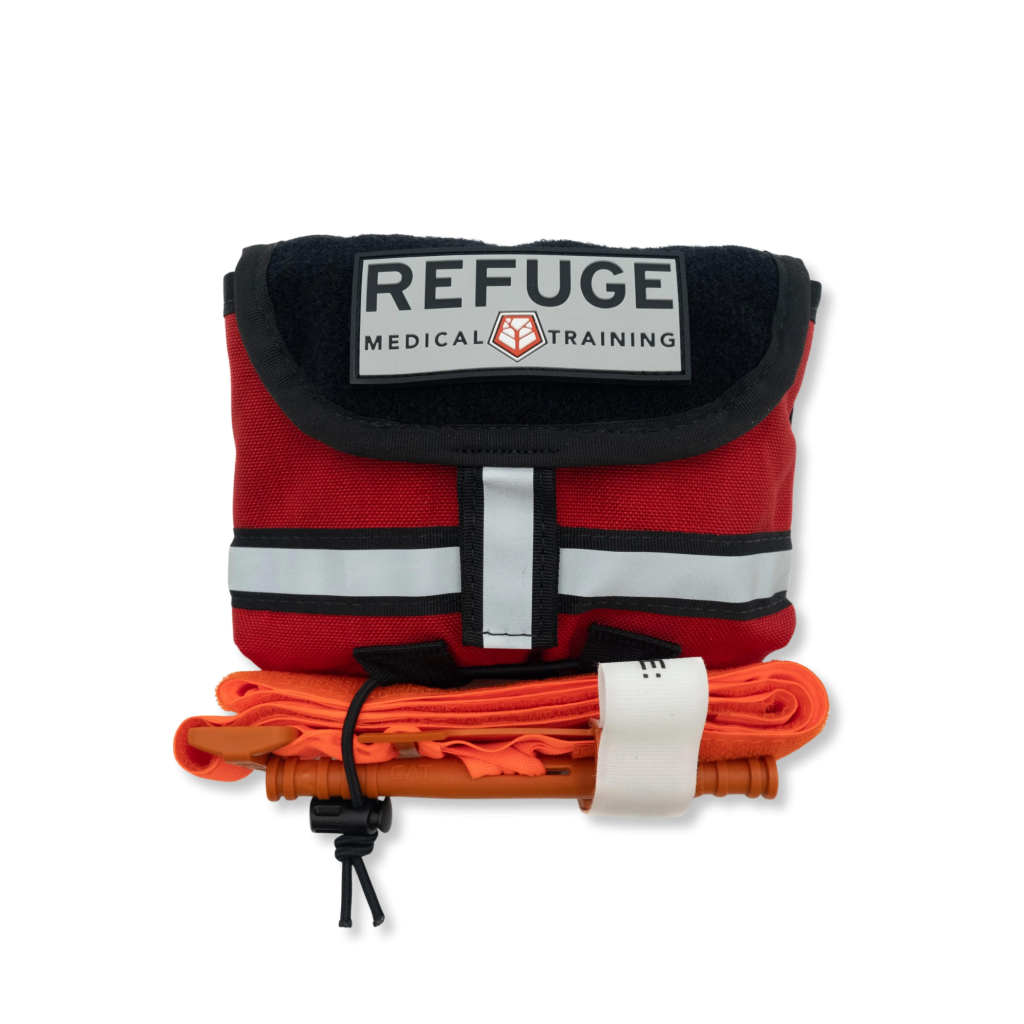
 A laminated quick reference guide lets untrained volunteers provide basic care confidently.
Credit: refugemedical.com
A laminated quick reference guide lets untrained volunteers provide basic care confidently.
Credit: refugemedical.com
Conclusion
A church first aid kit is far more than a box of bandages and antiseptic wipes—it’s a tangible expression of your community’s commitment to caring for one another, no matter what unexpected situation arises. By tailoring your kit to your congregation’s unique demographics and event schedule, maintaining it on a consistent schedule, and training your team to respond confidently, you can turn a potentially chaotic emergency into a calm, controlled response that protects the people you serve.
Take 10 minutes this week to audit your current first aid kit against the checklist above, and assign a volunteer to handle monthly restocking to keep your congregation safe year-round. With a little preparation, you’ll be ready to act quickly and confidently when every second counts.

I’m Abby Lu, a passionate home cook who loves simplifying everyday meals. At PlugChef.com, I share product reviews and cooking guides to help you find the best tools for your kitchen.
Related posts:
 How Does a Certified Organic Kitchen Clean Dishware Efficiently?
 Preventing Sticking And Grease Buildup: Expert Tips & Tricks
How to Detach Air Fryer Basket: Easy Step-by-Step Guide
Preventing Sticking And Grease Buildup: Expert Tips & Tricks
How to Detach Air Fryer Basket: Easy Step-by-Step Guide
 Slate Kitchen Appliances With White Cabinets: Style Upgrade
 Small Electrical Appliances: Maximize Your Home Efficiency
 Blue Kitchen Cabinets With Stainless Steel Appliances: Modern Elegance

