
Imagine the moment you or someone close to you suffers a burn. It’s sudden, painful, and often overwhelming.
Do you know what to do right away? Having the right first aid kit for burns can make all the difference between quick relief and serious complications. You’ll discover exactly what your burn first aid kit needs and how to use it effectively.
Keep reading, because being prepared could protect you and your loved ones when it matters most.
Types Of Burns
Burns vary in severity and depth. Knowing the types helps in proper first aid response. Each type needs different care to heal well and avoid infection.
First-degree Burns
These burns affect only the outer skin layer. They cause redness, mild pain, and swelling. The skin may peel after a few days. First-degree burns usually heal within a week without scarring.
Second-degree Burns
These burns damage both the outer layer and the layer beneath. The skin looks red, blistered, and swollen. Pain is more intense than first-degree burns. Healing may take two to three weeks. Scarring can occur if not treated properly.
Third-degree Burns
These burns reach all skin layers and may affect tissues below. The skin can appear white, charred, or leathery. There might be numbness due to nerve damage. These burns need immediate medical attention. Healing takes a long time and often requires special care.
Credit: www.hecanterbury.co.nz
Importance Of A Burn First Aid Kit
A burn first aid kit is essential for quick and effective treatment. Burns need fast care to reduce damage and pain. Having the right supplies can protect the skin and prevent serious problems. A well-stocked kit helps anyone respond calmly and correctly in emergencies.
Immediate Care
Burns require fast action to cool the skin and stop the injury. A burn first aid kit usually includes sterile dressings and cooling gels. These items help lower the skin temperature and reduce swelling. Quick care stops the burn from getting worse and helps the healing process.
Preventing Infection
Burned skin is very sensitive and can easily get infected. A burn first aid kit contains clean, sterile materials to cover wounds. Covering burns with these helps keep out dirt and germs. Preventing infection is key to avoiding serious health problems and speeding recovery.
Pain Management
Burns cause pain that needs careful handling. A burn first aid kit often has pain relief items like burn gel or cooling pads. These provide soothing effects to reduce discomfort. Managing pain early helps calm the person and supports better healing.
Essential Items For Burn Treatment
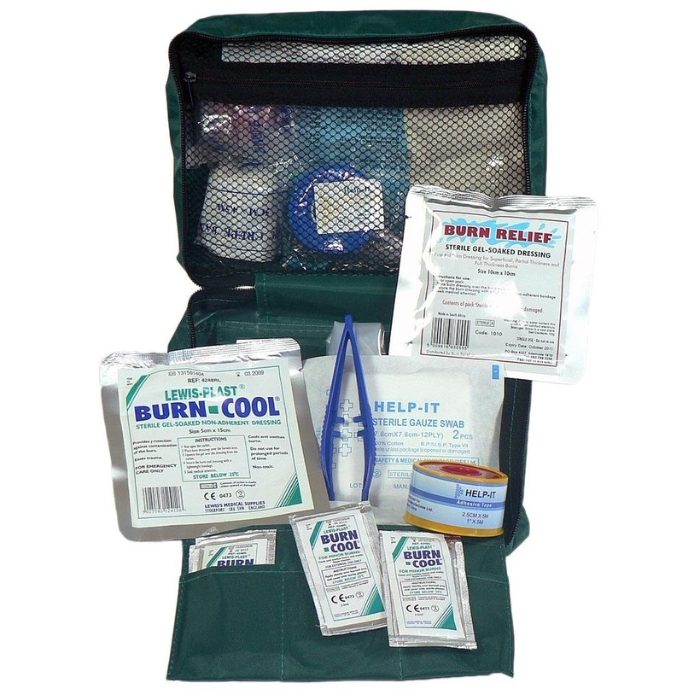
Having the right items in your first aid kit for burns can make a huge difference in how quickly and effectively you manage the injury. Burns need careful handling to prevent infection, reduce pain, and promote healing. Let’s look at the essential items that should be in your kit to treat burns properly and confidently.
Burn Dressings
Burn dressings are specially designed to protect the injured skin without sticking to it. You want non-adhesive, sterile dressings that keep the burn clean and moist, which helps with healing.
Look for dressings made from materials like hydrogel or silicone. These provide a cooling effect and prevent further damage. Have a few sizes ready so you can cover different burn areas effectively.
Antibiotic Ointments
Applying an antibiotic ointment immediately after cooling the burn can reduce the risk of infection. Options like bacitracin or silver sulfadiazine are widely recommended for minor burns.
Be careful to apply a thin layer to avoid suffocating the skin. Remember, preventing infection is key to avoiding complications and speeding up recovery.
Pain Relief Medication
Pain from burns can be intense, and managing it quickly is important. Over-the-counter painkillers such as ibuprofen or acetaminophen work well to reduce both pain and inflammation.
Make sure you have these medications in your kit and check expiration dates regularly. How do you usually handle burn pain? Having pain relief on hand can change your entire experience.
Additional Supplies To Include
Adding the right extra supplies to your first aid kit for burns can make a huge difference in how effectively you manage an injury. These items help protect the burn, reduce pain, and speed up healing. Think about what you would want immediately after a burn—comfort, cleanliness, and quick relief.
Sterile Gauze Pads
Sterile gauze pads are essential for covering burns without sticking to the wound. They act as a clean barrier, preventing dirt and bacteria from causing infection. I once treated a burn with just a regular cloth, and it stuck painfully; sterile gauze eliminates that risk.
Keep a variety of sizes so you can cover different burn areas comfortably. Remember, these pads should be loose enough to avoid pressure on the injured skin.
Medical Tape
Medical tape secures your dressings firmly without damaging sensitive skin around the burn. Choose hypoallergenic tape to avoid irritation, especially if the skin is broken. You’ll want tape that sticks well but can be removed gently.
Many people overlook tape, yet it’s crucial to keep the dressing in place during movement. Have small and wide rolls ready to fit different needs.
Hydrogel Burn Pads
Hydrogel burn pads provide instant cooling relief and help keep the wound moist, which speeds up healing. These pads are soothing and reduce pain right after the burn happens. I found them incredibly useful during a camping trip when someone accidentally touched hot cookware.
Include a few hydrogel pads in your kit for quick first aid. They’re easy to apply and can be a game-changer in burn care.
Proper Use Of Burn First Aid Kit
Knowing how to properly use a burn first aid kit can make a huge difference in managing the pain and preventing complications. These kits contain specific items designed to treat burns effectively right after the injury occurs. Using them correctly can reduce the risk of infection and promote faster healing.
Steps For Treating Burns
- Cool the burn immediately by running it under cool (not cold) water for 10 to 20 minutes. This helps reduce heat and swelling.
- Gently pat the area dry with a clean cloth without rubbing.
- Apply a sterile burn dressing or gel from your first aid kit. Avoid using cotton wool directly on the burn as fibers can stick.
- Cover the burn loosely with a non-stick, sterile dressing to protect it from dirt and bacteria.
- Keep the person warm and comfortable while monitoring for shock or increased pain.
Dos And Don’ts
| Dos | Don’ts |
|---|---|
| Do remove any tight clothing or jewelry near the burn area. | Don’t pop blisters, as it increases infection risk. |
| Do keep the burn clean and dry after initial treatment. | Don’t apply ice directly to the burn; it can damage tissue. |
| Do use burn-specific dressings or gels from your kit. | Don’t put butter, oils, or toothpaste on the burn. |
| Do seek advice if unsure about the severity of the burn. | Don’t break any skin that is intact. |
When To Seek Medical Help
Knowing when to get professional care can save you from long-term issues. If the burn is larger than 3 inches or on sensitive areas like the face, hands, feet, or genitals, visit a healthcare provider immediately.
If you notice increasing redness, swelling, pus, or if the person develops a fever, these signs suggest infection. Severe pain that doesn’t improve or any difficulty breathing after a burn also requires urgent medical attention.
Have you ever hesitated to seek medical help after a burn? Considering the risks, it’s better to be cautious and get checked out promptly.

Credit: www.amazon.com
Maintaining Your Burn First Aid Kit
Keeping your burn first aid kit ready helps you act fast during emergencies. Regular care ensures all supplies work well when needed. A well-maintained kit supports quick treatment and reduces risks of infection or complications.
Regular Inventory Checks
Check your burn first aid kit at least once every three months. Look for items that are missing or low in quantity. Verify that each item is clean and sealed properly. Keep a checklist to track what you have and what you need to restock.
Replacing Expired Items
Burn care supplies have expiration dates for safety and effectiveness. Discard any products past their expiration date. Replace them with new ones to ensure proper treatment. Pay special attention to burn dressings, ointments, and pain relief medications.
Storage Tips
Store your burn first aid kit in a cool, dry place. Avoid areas with direct sunlight or high humidity. Use a sturdy, waterproof container to protect supplies from damage. Keep the kit in an easy-to-find spot for quick access during emergencies.

Credit: dixieems.com
Frequently Asked Questions
What Essential Items Are In A Burn First Aid Kit?
A burn first aid kit includes sterile gauze, burn dressings, antiseptic wipes, pain relief ointments, and adhesive tape. These items help protect the burn, prevent infection, and ease pain until professional care is available.
How Should You Treat Minor Burns With A First Aid Kit?
Cool the burn with running water for 10-20 minutes. Then, apply a sterile burn dressing from the kit. Avoid using ice or greasy creams. Keep the area clean and seek medical advice if necessary.
When Should You Seek Medical Help For A Burn?
Seek medical help if the burn is larger than 3 inches, affects the face or joints, or shows signs of infection. Also, get professional care for deep burns, severe pain, or burns caused by chemicals or electricity.
Can A Burn First Aid Kit Prevent Infection?
Yes, a burn first aid kit contains antiseptic wipes and sterile dressings that reduce infection risk. Proper wound cleaning and covering are crucial first steps in burn care to promote healing and prevent complications.
Conclusion
A well-stocked first aid kit helps treat burns quickly and safely. Keep it ready at home, work, or when traveling. Basic items like sterile dressings, burn gel, and pain relief are essential. Knowing how to use the kit can reduce pain and prevent infection.
Always seek medical help for serious burns. Staying prepared means staying safe. Small steps save a lot of trouble. Your health matters most.

I’m Abby Lu, a passionate home cook who loves simplifying everyday meals. At PlugChef.com, I share product reviews and cooking guides to help you find the best tools for your kitchen.
Related posts:
 What Type of Cooking Utensils are Safe: Expert Picks
 What Innovations Could Blenders Make: Unleashing Future Tech
 Smart Strategies to Organize a Small Kitchen: Maximize Space
 How to Organize a Kitchen Cabinet: Expert Tips & Tricks
 How to Organize Kitchen Drawers: Expert Tips and Tricks
 How to Organize a Corner Kitchen Cupboard: Expert Tips