
Imagine facing an emergency where quick action can make all the difference for you and your group. Having the right first aid kit for 10 people means you’re prepared to handle cuts, burns, or sudden illnesses without panic.
But how do you choose a kit that truly meets your needs? You’ll discover exactly what essentials to include, why they matter, and how to keep your group safe no matter the situation. Keep reading to ensure your first aid kit is ready when you need it most.

Credit: stoller.com.tr
Basic First Aid Supplies
Having a first aid kit for 10 people is crucial. It ensures that you are prepared for emergencies. This kit should include basic first aid supplies that are essential for treating common injuries. Each item serves a specific purpose and helps provide immediate care. Organizing these supplies properly is key to ensuring quick access during an emergency.
Bandages And Dressings
Bandages and dressings are fundamental components of any first aid kit. They help protect wounds from infection and promote healing. Include assorted adhesive bandages for minor cuts and abrasions. Sterile gauze pads and rolls should be part of the kit. These are useful for larger wounds that need more coverage. Butterfly closures are important for closing small, deep cuts. Elastic bandages provide support and help reduce swelling.
Antiseptics And Ointments
Antiseptics and ointments prevent infection and aid healing. Pack antiseptic wipes to clean wounds before dressing them. Include a bottle of hydrogen peroxide or alcohol for deeper cleaning. Antibiotic ointment is vital for preventing bacterial infections. Also, consider adding burn ointment to treat minor burns. These supplies ensure that wounds are properly cleaned and protected.
Pain Relievers And Medications
Pain relievers and medications are key for managing discomfort. Include over-the-counter pain relievers like ibuprofen and acetaminophen. They help reduce pain and inflammation. Antihistamines are useful for allergic reactions. Include medication for upset stomachs, like antacids. Don’t forget any personal medications specific to your group. These medications ensure quick relief from common ailments.
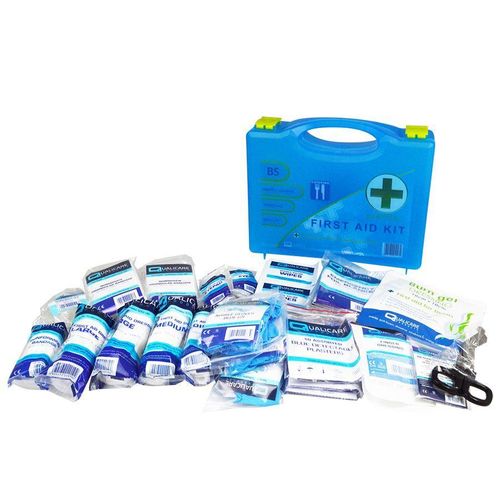
Credit: www.goforgreenuk.com
Tools And Equipment
A well-equipped first aid kit is essential for handling emergencies effectively. The right tools and equipment help provide quick care and prevent further injury. Each item has a specific role to play in different situations.
For a group of 10 people, the first aid kit must include versatile and reliable tools. These tools assist in cutting, cleaning, measuring, and protecting during medical emergencies.
Scissors And Tweezers
Scissors are vital for cutting bandages, tape, and clothing if needed. A sharp, sturdy pair ensures quick and clean cuts. Tweezers help remove small objects like splinters or debris from wounds. Precision and ease of use are important features for both tools.
Thermometer And Gloves
A thermometer helps check body temperature to detect fever or illness fast. Digital thermometers offer accurate readings in seconds. Gloves protect both the caregiver and the injured person from germs and infections. Disposable gloves made from latex or nitrile are hygienic and easy to use.
Cpr Mask And Safety Pins
A CPR mask is essential for safe mouth-to-mouth resuscitation. It prevents direct contact and reduces infection risks. Safety pins secure bandages and slings quickly and effectively. They come in various sizes and must be strong enough to hold fabric firmly.
Specialized Emergency Items
Specialized emergency items in a first aid kit designed for 10 people can make a big difference during unexpected situations. These items go beyond basic supplies and address specific medical needs that often arise in group settings. Having them ready ensures you’re prepared for burns, allergic reactions, or injuries requiring immobilization.
Burn Care Products
Burns can happen quickly, especially when cooking or handling hot objects in a group environment. Your first aid kit should include burn dressings, aloe vera gel, and sterile gauze to soothe pain and prevent infection.
Burn dressings cool the skin and reduce damage, while aloe vera gel provides relief and promotes healing. Sterile gauze helps cover the burn safely without sticking to the wound.
Allergy And Asthma Supplies
Allergic reactions and asthma attacks can escalate fast. Including antihistamines, an epinephrine auto-injector (if possible), and inhalers in your kit can save lives.
Ask your group members about known allergies or asthma beforehand. Being proactive means you can act swiftly if someone’s breathing becomes difficult or their symptoms worsen.
Splints And Cold Packs
Sprains, fractures, and muscle injuries are common in group activities. Splints help immobilize injured limbs, preventing further damage, while cold packs reduce swelling and pain.
Reusable cold packs are ideal as they can be reactivated and used multiple times. Carrying different sizes of splints ensures you can handle injuries to arms, legs, or fingers effectively.
Packaging And Storage Tips
Proper packaging and storage of a first aid kit for 10 people ensures quick access during emergencies. It prevents damage and keeps supplies ready for use. Organizing the kit logically helps everyone find items fast. Clear labels and instructions guide users, even under stress. Safe, accessible storage protects the kit and makes it easy to reach when needed.
Organizing Supplies
Group items by type and use. Bandages, antiseptics, and tools should each have a section. Use small containers or pouches inside the main kit to separate supplies. This prevents clutter and keeps everything visible. Place frequently used items on top or in the front for quick access.
Labeling And Instructions
Label each section clearly with large, simple text. Use icons or pictures to help non-readers or those unfamiliar with the kit. Include basic instructions for common treatments. Attach a quick guide or fold-out chart inside the lid. This helps users act fast with confidence.
Safe And Accessible Storage
Store the kit in a dry, cool place away from direct sunlight. Avoid areas prone to moisture or extreme temperatures. Keep it within easy reach of everyone in the group. A visible spot near common gathering areas works well. Regularly check and restock the kit to keep it ready.
Maintaining And Updating The Kit
Keeping your first aid kit ready for 10 people means regular care and attention. A well-maintained kit ensures you’re prepared for any emergency without scrambling for supplies. Let’s look at how to keep your kit updated and effective.
Checking Expiry Dates
Expired items can lose their effectiveness or become unsafe. Make it a habit to check every product’s expiry date at least twice a year. Keep a list or calendar reminder to help you stay on track.
If you find expired items, replace them immediately. Don’t wait until an emergency to realize your supplies are no longer good. This small step can make a big difference in how your kit performs when needed.
Replacing Used Items
After any first aid incident, review what you used and restock those items promptly. It’s easy to forget which bandages or medications were taken out. Keep a checklist inside your kit to note what’s been used.
Think about the size of your group—10 people means more chances that supplies will be needed. Having extras on hand prevents shortages and keeps your kit complete for the next time.
Seasonal Adjustments
Your kit should match the season and environment. In summer, add sunscreen, insect repellent, and aloe vera for sunburns. Winter might call for extra blankets, lip balm, and hand warmers.
Consider the activities your group does each season. Hiking gear or allergy medicine might be essential in spring. Adjusting your kit helps you respond to common seasonal health issues quickly and effectively.
Customizing Kits For Specific Needs
Customizing a first aid kit for 10 people ensures everyone’s needs are met. A one-size-fits-all kit might miss key items. Tailoring the kit improves safety and readiness. Consider age, environment, and health conditions for the best results.
Children And Elderly Considerations
Children and elderly require special attention in first aid kits. Kids need smaller bandages and gentle antiseptics. Elderly may need extra pain relief and mobility aids. Include items like:
- Child-friendly cold packs
- Adult diapers or incontinence pads
- Gentle skin cleansers
- Extra gloves for sensitive skin
Check expiration dates often and replace expired items.
Outdoor And Travel Additions
Outdoor trips require extra gear in the first aid kit. Add supplies to handle bites, scrapes, and sunburns. Compact and lightweight items work best. Consider including:
- Insect repellent wipes
- Water purification tablets
- Sunburn relief gel
- Emergency blanket
- Multi-tool or small scissors
Keep the kit waterproof and easy to carry.
Chronic Conditions And Medications
People with chronic illnesses need personalized first aid supplies. Include prescription medications and emergency dosages. Also, pack items for common symptoms like allergies or asthma. Useful additions are:
- Extra inhalers or epinephrine pens
- Blood sugar testing kits
- Medication list with dosages
- Medical ID cards
Regularly update the kit to match current health needs.

Credit: www.amazon.com
Frequently Asked Questions
What Essentials Should Be In A First Aid Kit For 10 People?
A first aid kit for 10 people should include bandages, antiseptic wipes, gauze pads, adhesive tape, scissors, gloves, pain relievers, and a CPR mask. These items cover common injuries and ensure readiness for multiple emergencies.
How Much Medical Supplies Are Needed For 10 People?
For 10 people, stock enough supplies like bandages, antiseptics, and medications to treat minor injuries multiple times. Consider tripling quantities for items like bandages and painkillers to accommodate group needs.
Where Should A First Aid Kit For 10 People Be Stored?
Store the kit in a cool, dry, and easily accessible location. Ensure all group members know where it is. Label it clearly and check contents regularly to keep supplies fresh and ready.
How Often Should A First Aid Kit Be Checked For 10 People?
Check the kit every 3 to 6 months for expired or used items. Replace expired medications and restock supplies after any use. Regular checks ensure the kit remains effective and complete.
Conclusion
A first aid kit for 10 people keeps everyone safe and ready. It helps treat small injuries quickly and easily. Having the right supplies prevents problems from getting worse. Check the kit often to make sure it stays full. Keep it in a place all can reach fast.
Being prepared brings peace of mind to any group. Small actions can protect many lives. Safety starts with simple steps like this.

I’m Abby Lu, a passionate home cook who loves simplifying everyday meals. At PlugChef.com, I share product reviews and cooking guides to help you find the best tools for your kitchen.
Related posts:
 What Type of Cooking Utensils are Safe: Expert Picks
 What Innovations Could Blenders Make: Unleashing Future Tech
 Smart Strategies to Organize a Small Kitchen: Maximize Space
 How to Organize a Kitchen Cabinet: Expert Tips & Tricks
 How to Organize Kitchen Drawers: Expert Tips and Tricks
 How to Organize a Corner Kitchen Cupboard: Expert Tips