

Have you ever checked your first aid kit and wondered if everything inside is still good to use? Knowing the expiration dates of your first aid supplies is more important than you might think.
Using expired items can put your health at risk when you need help the most. You’ll discover why those dates matter, how to spot expired products, and simple steps to keep your kit ready for any emergency. Keep reading to make sure your first aid kit is truly prepared to protect you and your loved ones.
Why Expiration Dates Matter
Expired first aid supplies may lose their strength and fail during emergencies. Checking expiration dates ensures medicines and bandages work properly when needed. Keeping your kit up to date helps protect your health and safety.
Why Expiration Dates Matter Understanding expiration dates on first aid kits is crucial. These dates are not mere suggestions. They ensure safety and effectiveness. Supplies degrade over time. Expired items can pose risks during emergencies. Let’s explore why these dates matter.Safety Risks Of Expired Supplies
Expired supplies can be dangerous. Bandages lose adhesive quality. They might not stick properly. This can lead to ineffective wound protection. Sterile items can become non-sterile. Contamination risks increase. This can cause infections. Safety is compromised.Effectiveness Of Medications Over Time
Medications in first aid kits have expiration dates. Over time, they lose potency. Pain relievers might not work well. Antihistamines may fail to relieve allergies. Expired medications can be ineffective. This can lead to prolonged discomfort. Efficient treatment relies on fresh supplies.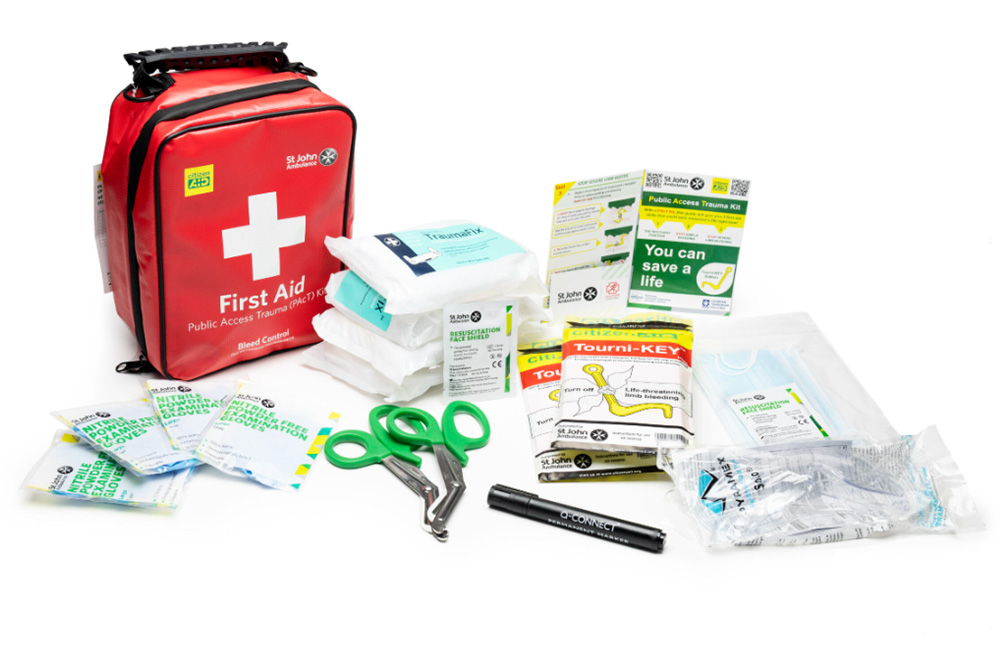
Credit: www.sja.org.uk
Common Items That Expire
First aid kits contain many items that lose their effectiveness over time. Knowing which items expire helps keep your kit ready for emergencies. Some items look fine but may not work properly after their expiration date.
Check your kit regularly. Replace expired items to ensure safety and reliability.
Medications And Ointments
Medications in a first aid kit include pain relievers, antihistamines, and antibiotic ointments. These products have expiration dates printed on their packaging. After this date, they can lose strength or become unsafe.
Ointments can dry out or separate, reducing their healing power. Expired medications might not relieve pain or fight infection effectively.
Bandages And Dressings
Bandages and dressings are critical for covering wounds and stopping bleeding. Their materials can degrade over time. Adhesive strips may lose stickiness and fail to stay in place.
Sterile dressings can become contaminated if the packaging breaks or weakens. Old bandages might not protect wounds properly, increasing infection risk.
Antiseptics And Solutions
Antiseptics and solutions like hydrogen peroxide, iodine, or alcohol clean wounds and kill germs. These liquids evaporate or break down over time, reducing their effectiveness.
Expired antiseptics may not kill bacteria well, risking infections. Check expiration dates and replace these solutions regularly to keep your kit reliable.
How To Check Expiration Dates
Knowing how to check the expiration dates on your first aid kit items is crucial for safety. Expired supplies can lose effectiveness, putting you at risk during emergencies. Taking a few moments to verify these dates ensures your kit is always ready when you need it most.
Reading Labels Correctly
Expiration dates might appear in different formats like “EXP,” “Use By,” or “Best Before.” These labels tell you the last date the product is guaranteed to work properly. Look closely at the packaging—sometimes the date is printed on the back, bottom, or even the individual item.
For instance, adhesive bandages often have expiration dates printed on the wrapper, while ointments and antiseptics usually have them on the tube or bottle. If you spot vague terms or no date at all, it’s safer to replace that item. What’s the point of keeping something that might fail in an emergency?
Using Apps And Tools For Tracking
Keeping track of multiple expiration dates can be overwhelming. You can make this easier by using apps designed to monitor your first aid supplies. These tools let you input purchase dates and receive reminders when items are nearing expiration.
Some apps even allow you to scan barcodes, saving time and reducing human error. This helps you avoid the last-minute panic of discovering expired bandages or medications when you need them most. How often do you check your kit? Setting a monthly reminder in your phone can make a big difference.

Credit: www.twc.health
Tips For Managing Your Kit
Keeping your first aid kit ready can make a huge difference during emergencies. Managing it well means you won’t find yourself with expired supplies or missing essentials when you need them most. Here are practical tips to help you keep your kit in top shape.
Regular Inspections
Set a schedule to check your first aid kit at least twice a year. Look for expired medications, damaged packaging, or used items that need replacement. I once discovered that my antiseptic wipes had dried out because I hadn’t checked my kit in over a year—avoiding that situation can save you stress later.
Use a checklist to track what’s inside and note expiration dates. This simple habit prevents surprises and keeps your kit reliable.
Proper Storage Conditions
Store your kit in a cool, dry place away from direct sunlight. Heat and moisture can break down medications and bandages faster. I used to keep mine in the bathroom cabinet, but humidity ruined some items quickly.
Consider a sealed, waterproof container to protect contents from environmental damage. This small change can extend the life of your supplies significantly.
Replacing Expired Items
Expired items lose effectiveness and can be harmful. Replace them immediately once you spot their expiration date. Keep a list of commonly expired items like pain relievers, ointments, and sterile gauze.
Have a backup plan to restock your kit quickly after use or expiration. This ensures you always have what you need without delay.
Building A Long-lasting Kit
Building a long-lasting first aid kit means choosing items that stay effective and ready when you need them most. It’s about making smart decisions so your supplies don’t expire too quickly or go to waste. This approach saves money, reduces stress, and ensures your kit is reliable in any emergency.
Choosing Durable Supplies
Select supplies with longer shelf lives and sturdy packaging. Items like adhesive bandages, tweezers, and stainless steel scissors rarely expire quickly. Look for products sealed in airtight containers or blister packs to protect against moisture and damage.
Some ointments and antiseptics last longer than others. For example, petroleum jelly can stay good for years, while antibiotic creams may expire in a year. Always check expiration dates and prioritize durable options.
Buying In Small Quantities
Buying your first aid supplies in small amounts helps you avoid waste from expired products. Think about how often you’ll use each item and purchase accordingly. It’s better to replenish frequently than to have a stockpile of expired creams or pills.
Smaller quantities also make it easier to rotate your kit regularly. When you open a new pack, you’ll know exactly when to replace it. Have you ever opened a kit only to find everything out of date? Small, frequent purchases can stop that from happening.
Emergency Preparedness Beyond Expiration
Emergency preparedness is more than checking expiration dates on your first aid kit. Supplies can expire, but knowledge and readiness do not. Staying prepared means practicing skills and updating your kit to match your current needs. This approach ensures you respond effectively in any emergency situation.
Training And Practice
Knowing how to use first aid supplies is vital. Regular practice builds confidence and speed. Attend training sessions or watch simple tutorials online. Practice basic skills like bandaging, CPR, and wound cleaning. Skills can fade without practice. Keep yourself ready by reviewing them often.
Updating Your Kit For Specific Needs
Your first aid kit should fit your lifestyle. Check if you need special items for allergies or medical conditions. Families with children might need extra child-friendly supplies. Outdoor enthusiasts should include items for bites or stings. Update your kit seasonally or after any big changes in health or activity.

Credit: www.youtube.com
Frequently Asked Questions
What Is The Typical Expiration Date For A First Aid Kit?
Most first aid kits expire within 2 to 5 years. Expiration depends on the kit’s contents and storage conditions. Regularly check each item’s date to ensure effectiveness during emergencies.
How Can I Tell If First Aid Supplies Are Expired?
Look for printed expiration dates on packaging. Also, inspect for discoloration, damage, or unusual odors. Expired items may lose potency or become unsafe to use.
Why Is It Important To Replace Expired First Aid Items?
Expired items can fail to work properly during emergencies. Using outdated supplies risks infection or ineffective treatment. Regular replacement ensures your kit is reliable and safe.
How Often Should I Check My First Aid Kit Expiration?
Check your first aid kit every 6 to 12 months. Frequent inspections help identify expired or damaged supplies early. Keep your kit updated for optimal readiness.
Conclusion
A first aid kit is only helpful when its items are good. Check expiration dates often to keep it ready. Old supplies may not work well in emergencies. Replace used or expired items without delay. Keep your kit stocked and organized at all times.
This simple habit can save lives and reduce harm. Stay prepared and confident by maintaining your first aid kit. Safety starts with small, smart steps every day.

I’m Abby Lu, a passionate home cook who loves simplifying everyday meals. At PlugChef.com, I share product reviews and cooking guides to help you find the best tools for your kitchen.
Related posts:
 What Type of Cooking Utensils are Safe: Expert Picks
 What Innovations Could Blenders Make: Unleashing Future Tech
 Smart Strategies to Organize a Small Kitchen: Maximize Space
 How to Organize a Kitchen Cabinet: Expert Tips & Tricks
 How to Organize Kitchen Drawers: Expert Tips and Tricks
 How to Organize a Corner Kitchen Cupboard: Expert Tips

