
Imagine you’re in the middle of an outdoor adventure or dealing with a sudden injury at home. You reach for your first aid kit, but do you have the one thing that can bring quick relief to pain and swelling?
That’s where a cold pack becomes your best friend. If you want to be prepared to reduce discomfort fast and help your body heal, knowing about the first aid kit cold pack is a must. Keep reading to find out why this simple item can make a big difference when it matters most—and how to choose the right one for your needs.
Cold Pack Basics
Understanding the basics of cold packs can make a big difference when you need quick relief or to treat an injury. Cold packs are a staple in any first aid kit because they help reduce pain, swelling, and inflammation effectively. Knowing what cold packs are and the different types available helps you choose the right one for your situation.
What Is A Cold Pack?
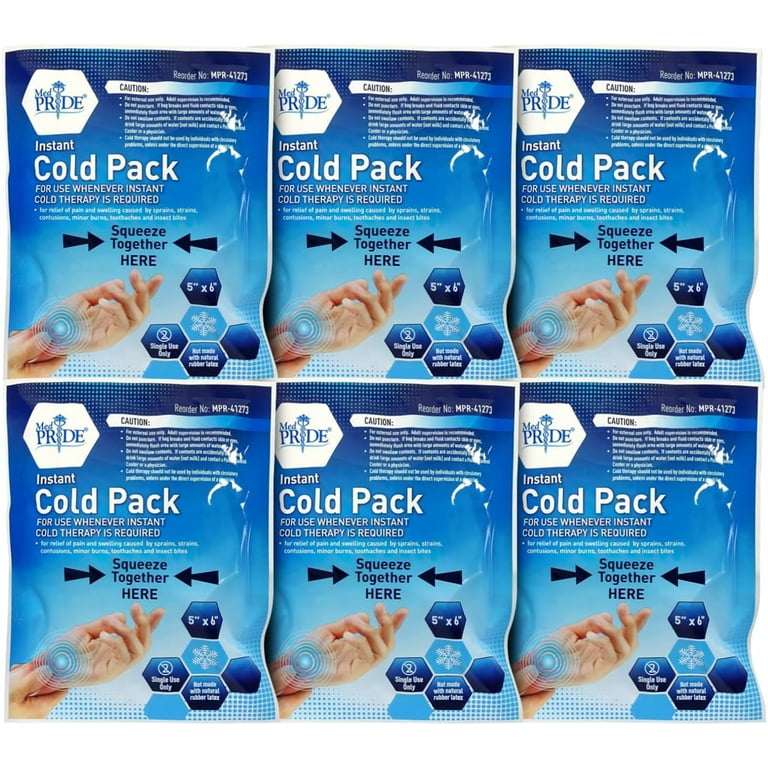
A cold pack is a simple device designed to provide instant cold therapy. It works by lowering the temperature of the affected area, which slows down blood flow and reduces swelling. You don’t always need a freezer for cold packs, as some are activated by squeezing or breaking an internal barrier.
Imagine spraining your ankle during a hike. Having a cold pack handy can ease the pain quickly and prevent further damage. This immediate care can often speed up your recovery process, making cold packs essential for emergencies.
Types Of Cold Packs
- Reusable Gel Packs:These can be frozen and used multiple times. They mold easily to the injured area, offering targeted relief.
- Instant Cold Packs:Activated by shaking or squeezing, these packs start cooling immediately without the need for freezing.
- Homemade Cold Packs:Simple items like a bag of frozen vegetables or ice wrapped in a cloth can work in a pinch.
Each type has its advantages. Reusable gel packs are great for planned use, while instant cold packs shine in unexpected situations. What type do you think fits best in your first aid kit based on your lifestyle?
Benefits Of Cold Packs
Cold packs are a vital part of any first aid kit. They help ease pain and reduce damage from injuries. Using cold packs can make a big difference during treatment. These packs work by cooling the injured area, which brings several health benefits.
Reducing Swelling
Cold packs help lower swelling by narrowing blood vessels. This limits blood flow to the injured area. Less blood flow means less fluid builds up around the injury. Reducing swelling stops the injury from getting worse. It also helps keep the skin and tissues healthy.
Pain Relief
The cold numbs the nerves near the injury. This reduces the feeling of pain quickly. Cold packs block pain signals from reaching the brain. Using a cold pack makes the injury feel less sore. It is a safe and easy way to control pain without medicine.
Speeding Up Recovery
Cold packs help the body heal faster. They slow down cell damage around the injury. Cooling reduces inflammation, which supports tissue repair. Using cold packs early can shorten recovery time. This means you can return to normal activities sooner.
Using Cold Packs Effectively
Using cold packs correctly can reduce pain and swelling quickly. They help control injuries like sprains, bruises, and strains. Applying cold packs the right way improves healing and comfort.
Application Techniques
Wrap the cold pack in a thin cloth before placing it on skin. Direct contact can cause frostbite or skin damage. Use gentle pressure to keep the pack in place without squeezing.
Keep the injured area elevated if possible. This helps reduce swelling faster. Apply the cold pack over the swollen or painful area evenly.
Duration And Frequency
Apply cold packs for 15 to 20 minutes at a time. Longer use can harm the skin or nerves. Take breaks of at least 40 minutes between applications.
Repeat cold pack sessions every 1 to 2 hours during the first 48 hours after injury. This schedule helps control swelling and pain effectively.
Safety Precautions
- Do not apply cold packs directly on broken skin or wounds.
- Avoid using cold packs if you have poor blood flow or nerve damage.
- Stop using the pack if the skin becomes very red, numb, or painful.
- Keep cold packs away from children without adult supervision.
Credit: www.walmart.com
Cold Packs In First Aid Kits
Cold packs are essential items in first aid kits. They help reduce pain and swelling after injuries. Including cold packs ensures quick relief from minor accidents.
Cold packs are easy to use and do not require refrigeration. They are convenient for treating sprains, bruises, and insect bites. Having them ready in a first aid kit saves time during emergencies.
Why Include Cold Packs?
Cold packs help lower skin temperature quickly. This reduces inflammation and numbs the pain. They prevent further tissue damage by slowing blood flow.
Cold packs also reduce muscle spasms. They are safe and suitable for all ages. Keeping cold packs in first aid kits improves overall injury care.
Choosing The Right Cold Pack
Select cold packs that activate instantly without ice. Look for packs that stay cold for at least 20 minutes. Choose flexible packs that fit well on different body parts.
Reusable cold packs save money and reduce waste. Check for non-toxic and skin-safe materials. A good cold pack is lightweight, durable, and easy to store.
Diy Cold Pack Solutions
DIY cold pack solutions offer quick relief during injuries. They save money and ensure you have cold therapy ready at home or on the go. These packs reduce swelling and numb pain effectively.
Homemade Cold Packs
Making a cold pack at home is simple. Use items found in your kitchen or freezer.
- Fill a sealable plastic bag with ice cubes or crushed ice.
- Add a small amount of water to help the ice mold to the body.
- Seal the bag tightly to avoid leaks.
- Wrap the bag in a thin towel before applying to skin.
Another option is using frozen vegetables like peas or corn. These conform to body parts and stay cold longer.
Alternatives To Commercial Packs
Several household items can replace store-bought cold packs.
- Spoon chilled metal spoons over swollen areas for quick cooling.
- Use a wet sponge kept in the freezer wrapped in plastic wrap.
- Fill a sock with rice or beans and freeze it for a reusable cold pack.
These alternatives provide flexible, affordable options for cold therapy anytime.
When To Use Cold Packs
Knowing when to use a cold pack from your first aid kit can make a big difference in managing pain and swelling effectively. Cold packs help reduce blood flow to an injured area, which limits inflammation and numbs discomfort quickly. But not every injury or condition benefits from cold therapy, so understanding the right moments to apply a cold pack is essential for fast relief and proper care.
Common Injuries
Cold packs are great for treating injuries like sprains, strains, and bruises. If you twist your ankle during a run or bump your arm hard against a table, applying a cold pack within the first 24 to 48 hours can reduce swelling and ease pain.
They also work well for minor burns and insect bites by soothing the affected area and slowing down irritation. Have you ever noticed how a cold pack calms down the sting from a bee or a hot surface? That’s the cold numbing the nerves and reducing inflammation.
Situations And Conditions
Beyond injuries, cold packs can help in situations like fever management or headaches. Placing a cold pack on your forehead or neck might provide quick relief when a headache strikes or your temperature rises.
Cold therapy is useful after dental procedures or vaccinations to lessen swelling and discomfort. But remember, avoid using cold packs directly on open wounds or if you have circulation problems, as it can cause more harm than good.
Limitations Of Cold Packs
Cold packs are a useful tool in many first aid situations. They help reduce pain, swelling, and inflammation. Still, they do have limits. Understanding these limits ensures safe and effective use.
When Cold Packs Are Ineffective
Cold packs do not work well for all injuries. They are less effective for deep tissue damage or muscle strains. They mainly treat surface injuries like bruises or minor sprains.
Using cold packs too long can harm skin and nerves. Avoid applying them for more than 20 minutes at a time. Cold packs also do not help with infections or broken bones.
Consulting Healthcare Professionals
Seek medical advice if pain or swelling worsens. A doctor can diagnose injuries that cold packs cannot fix. They may recommend other treatments or tests.
Never ignore severe injuries or symptoms like numbness or loss of movement. Professional care is essential in such cases. Use cold packs only as a first step, not the final solution.

Credit: www.amazon.com

Credit: www.amazon.com
Frequently Asked Questions
What Is A First Aid Kit Cold Pack Used For?
A cold pack in a first aid kit helps reduce pain and swelling. It is commonly used for sprains, bruises, and minor injuries. Applying cold packs quickly can minimize tissue damage and inflammation.
How Long Should I Apply A Cold Pack?
Apply a cold pack for 15 to 20 minutes at a time. Avoid direct skin contact to prevent frostbite. Repeat every 1 to 2 hours during the first 48 hours after injury.
Can I Reuse A First Aid Kit Cold Pack?
Reusable cold packs can be refrozen and used multiple times. Single-use cold packs are disposable and should be discarded after use. Always check the product instructions for proper usage.
Are Cold Packs Safe For All Ages?
Cold packs are generally safe for adults and children. Use caution with infants, elderly, or sensitive skin. Always wrap the pack in a cloth before applying to avoid skin damage.
Conclusion
A first aid kit cold pack helps reduce pain and swelling fast. Keep one handy for cuts, bruises, or sprains. It stays cold without ice, making it easy to use anywhere. Cold packs work best when applied quickly after injury.
They help speed up healing and make you feel better. Always read instructions before use to stay safe. Having a cold pack in your first aid kit is smart and simple. Stay prepared for small injuries with this useful item.

I’m Abby Lu, a passionate home cook who loves simplifying everyday meals. At PlugChef.com, I share product reviews and cooking guides to help you find the best tools for your kitchen.
Related posts:
 What Type of Cooking Utensils are Safe: Expert Picks
 What Innovations Could Blenders Make: Unleashing Future Tech
 Smart Strategies to Organize a Small Kitchen: Maximize Space
 How to Organize a Kitchen Cabinet: Expert Tips & Tricks
 How to Organize Kitchen Drawers: Expert Tips and Tricks
 How to Organize a Corner Kitchen Cupboard: Expert Tips