

Imagine you’re in a situation where every second counts, and you need to act fast to help someone injured. Do you have the right tools at your fingertips?
Your safety and the safety of those around you depend on being prepared. That’s where a First Aid Kit Class B comes in. It’s designed to handle moderate injuries and emergencies, giving you confidence when it matters most. Keep reading to discover exactly what makes a Class B kit essential and how it can make a real difference when you need it the most.
Contents Of Class B First Aid Kit
The contents of a Class B First Aid Kit cover basic needs for minor injuries and emergencies. These kits prepare you to treat cuts, scrapes, burns, and other common wounds. Proper supplies help reduce infection and speed healing. Below is a breakdown of key items found in these kits.
Bandages And Dressings
- Adhesive bandages in various sizes
- Sterile gauze pads to cover wounds
- Elastic bandages for sprains and support
- Non-stick dressings to protect sensitive injuries
- Adhesive tape to secure dressings
Antiseptics And Cleansers
- Antiseptic wipes for cleaning wounds
- Alcohol pads to disinfect skin and tools
- Hydrogen peroxide for wound cleaning
- Antibacterial ointments to prevent infection
- Sterile saline solution for rinsing eyes or wounds
Instruments And Tools
- Scissors for cutting bandages and tape
- Tweezers to remove splinters or debris
- Disposable gloves for hygiene and safety
- CPR face shield or mask for rescue breathing
- Thermometer to check body temperature
Regulatory Standards
Understanding the regulatory standards for a First Aid Kit Class B is essential to ensure your workplace or environment stays compliant and safe. These standards are designed to provide clear guidance on what supplies must be included and how the kit should be maintained. Meeting these requirements not only keeps you prepared but can also protect you from legal issues.
Osha Requirements
The Occupational Safety and Health Administration (OSHA) sets the minimum standards for first aid kits in workplaces. According to OSHA, a Class B first aid kit should contain a broader variety of supplies compared to Class A, suitable for more complex injuries or larger workplaces.
Some key OSHA requirements for Class B kits include:
- Supplies for treating serious injuries like larger cuts and burns
- Items such as adhesive tape, antiseptic wipes, and sterile dressings
- A sufficient quantity of supplies to serve the number of employees
Have you checked your kit lately to ensure it meets these standards? Neglecting this could leave you underprepared during emergencies.
Ansi Guidelines
The American National Standards Institute (ANSI) provides detailed guidelines to complement OSHA’s rules. ANSI’s standard Z308.1 specifies the exact types and quantities of items required for a Class B first aid kit.
ANSI Class B kits typically include:
- More comprehensive supplies than Class A, such as larger bandages and additional burn treatment items
- Supplies for moderate to serious injuries, reflecting higher-risk work environments
- Clear labeling and durable packaging for easy access during emergencies
Following ANSI guidelines helps ensure your kit is practical and ready for real-life situations. Have you considered whether your current kit truly matches these thorough standards?
Benefits Of Class B Kits
Class B first aid kits offer important benefits for workplaces and other environments. These kits contain supplies to treat moderate injuries and emergencies. They help keep people safe and ready for unexpected health issues. Having a Class B kit nearby can make a big difference in emergency care.
Enhanced Safety
Class B kits include more items than basic kits. They prepare users for a wider range of injuries like cuts, burns, and sprains. The extra supplies mean better care on site. This reduces the risk of infections and complications. Workers feel more secure knowing help is available quickly.
Quick Response Capability
These kits allow fast action during emergencies. Supplies are organized for easy access. This saves valuable time when treating injuries. Immediate care can prevent worsening conditions. Fast response helps control bleeding and reduce pain effectively.
Customizing Kits For Specific Industries
Customizing First Aid Kit Class B for specific industries ensures that your team is prepared for the unique risks they face every day. A one-size-fits-all kit might leave out crucial items or include unnecessary supplies, wasting space and resources. Tailoring your kit to the environment can make a real difference when seconds count.
Construction Sites
Construction sites are full of hazards like sharp tools, heavy machinery, and falling debris. Your First Aid Kit Class B should include burn dressings, trauma shears, and instant cold packs for quick relief from injuries common in this environment.
Adding extra sterile gauze and finger splints can help manage cuts and fractures until professional help arrives. Have you checked if your kit matches the specific tasks your workers perform daily?
Manufacturing Facilities
Manufacturing plants often expose workers to chemicals, machinery, and repetitive motion injuries. Your kit should contain chemical burn treatments, eye wash solutions, and adhesive bandages designed for industrial use.
Don’t forget to add items for muscle strains like elastic wraps and pain relief gel. Think about the types of accidents most reported in your facility and adjust the kit contents accordingly.
Office Environments
Even in offices, injuries happen—whether it’s a paper cut or a slip on a wet floor. A First Aid Kit Class B for offices should have basic supplies like antiseptic wipes, small bandages, and cold packs.
Including allergy medications and CPR masks can also enhance safety. Have you considered the specific needs of your office staff and visitors when assembling your kit?
Training And Awareness
Training and awareness play a vital role in the effective use of a First Aid Kit Class B. Proper knowledge ensures quick and confident responses during emergencies. It reduces panic and increases the chances of positive outcomes. Employees must know what is inside the kit and how to use each item correctly.
Employee Training Programs
Training programs teach staff the basics of first aid. These sessions cover wound care, CPR, and using the Class B kit items. Hands-on practice improves skill and retention. Trainers explain the importance of each tool. Clear instructions help employees act fast and safely.
Training builds confidence and readiness. It ensures workers understand emergency protocols. Employees learn to recognize situations needing first aid. Regular updates keep knowledge fresh and relevant. Well-trained teams handle incidents calmly and efficiently.
Regular Drills And Simulations
Drills simulate real emergencies to test readiness. These exercises show how to find and use the Class B kit quickly. Practice helps identify gaps in knowledge or supplies. It also trains employees to work together under pressure.
Simulations improve response time and teamwork. They make first aid skills a habit. Repeating drills strengthens memory and speed. Staff who practice often are more prepared to help.
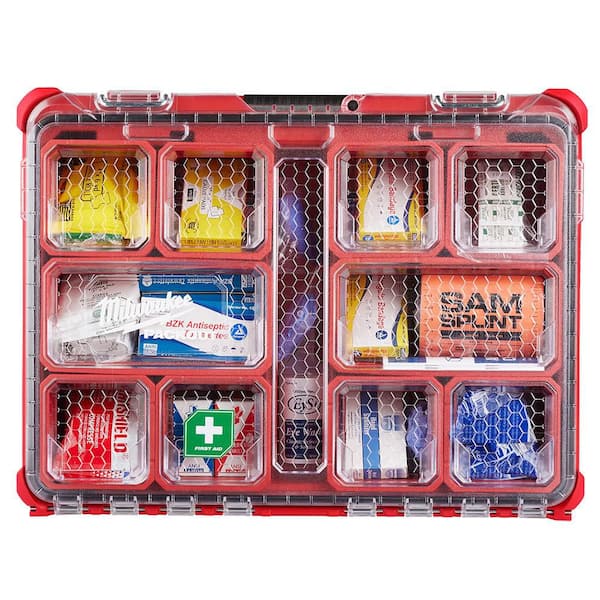
Credit: www.homedepot.com
Maintenance And Accessibility
Maintaining a First Aid Kit Class B ensures it is ready for emergencies. Accessibility is crucial for quick response. Regular checks keep supplies fresh and complete. Proper placement guarantees everyone can reach it easily. Both maintenance and accessibility save valuable time during accidents.
Routine Inspections
Check the kit at least once a month. Look for expired or used items. Replace anything missing or damaged immediately. Keep a checklist to track the condition of supplies. Clean the container to avoid dust and dirt. Confirm all tools work properly, such as scissors and tweezers.
Strategic Placement
Place the kit in a visible, easy-to-reach spot. Avoid hidden or locked areas that slow access. Consider high-risk locations like kitchens, workshops, or near machinery. Make sure everyone in the area knows where the kit is. Use signs or labels to guide people quickly. Keep the kit at a height accessible to most users.
Emergency Protocols
Emergency protocols are your roadmap during a crisis. They guide your actions, ensuring safety and efficiency when every second counts. Having a First Aid Kit Class B is just the start—you need clear steps to handle the situation properly.
First Responder Actions
Your first moves can save lives. Quickly assess the scene for any dangers before approaching the injured. Safety is your priority—never put yourself at risk.
Once safe, check the victim’s responsiveness and breathing. If they are unconscious but breathing, place them in the recovery position. If not breathing, begin CPR immediately.
Use the supplies in your Class B kit—like bandages and antiseptics—to control bleeding and prevent infection. Remember, stay calm and speak clearly to reassure the injured person. Your confidence can make a huge difference.
Communication Procedures
Clear communication can speed up professional help. Call emergency services as soon as you confirm someone needs urgent care. Provide precise information: location, number of injured, and condition details.
Use simple language and avoid medical jargon. This helps dispatchers understand your situation quickly. If you are in a workplace or public area, notify your designated emergency coordinator immediately.
Keep a record of your actions and the victim’s responses. This information helps paramedics continue care smoothly. Have you thought about who you’d contact first if an emergency happened right now?
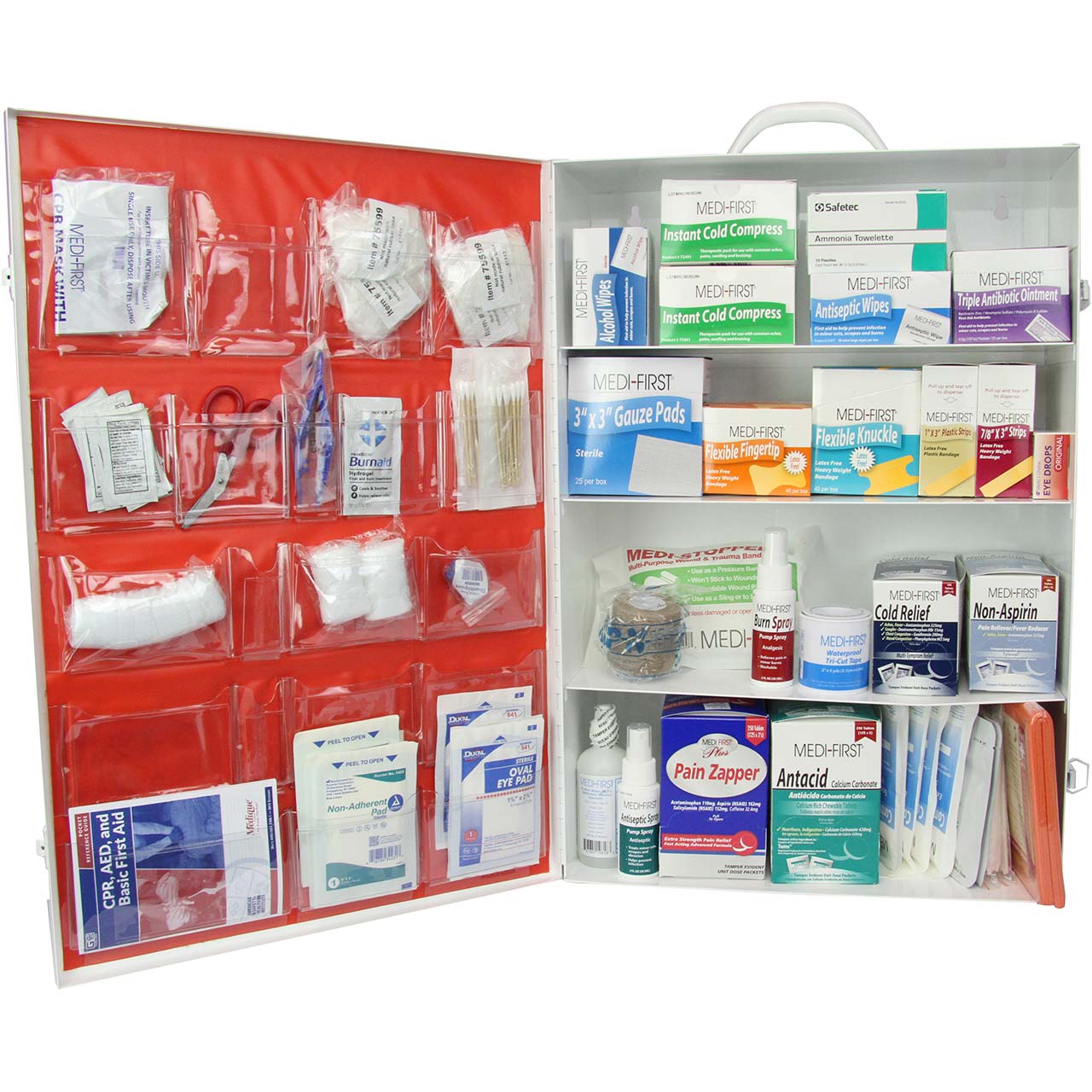
Credit: rescue-essentials.com

Credit: www.amazon.com
Frequently Asked Questions
What Is Included In A First Aid Kit Class B?
A First Aid Kit Class B contains supplies for minor injuries and workplace emergencies. It includes bandages, antiseptics, gloves, scissors, and eye wash. This kit meets OSHA standards for environments with moderate risk. It is ideal for small businesses and office settings.
Where Should First Aid Kit Class B Be Used?
Class B kits are suitable for workplaces with moderate hazards. They work well in offices, retail stores, and light manufacturing plants. These kits help treat common injuries like cuts, burns, and abrasions. Proper placement ensures quick access during emergencies.
How Often Should A First Aid Kit Class B Be Checked?
Inspect your Class B kit monthly to ensure supplies are complete. Replace expired or used items immediately to maintain readiness. Regular checks prevent shortages and ensure compliance with safety regulations. Keep a checklist to track inspection dates.
Can A First Aid Kit Class B Handle Serious Injuries?
Class B kits are designed for minor to moderate injuries only. For serious emergencies, call emergency services immediately. These kits provide temporary care until professional help arrives. They are not equipped for severe trauma or life-threatening conditions.
Conclusion
A First Aid Kit Class B is a smart safety choice. It holds essential supplies for minor injuries and emergencies. Keeping one nearby helps you act quickly and calmly. Everyone should know where to find it and how to use it.
Being prepared can reduce stress and prevent complications. Stay safe by having the right first aid tools ready. Simple steps can protect you and your loved ones every day. Safety starts with good preparation.

I’m Abby Lu, a passionate home cook who loves simplifying everyday meals. At PlugChef.com, I share product reviews and cooking guides to help you find the best tools for your kitchen.
Related posts:
 What Type of Cooking Utensils are Safe: Expert Picks
 What Innovations Could Blenders Make: Unleashing Future Tech
 Smart Strategies to Organize a Small Kitchen: Maximize Space
 How to Organize a Kitchen Cabinet: Expert Tips & Tricks
 How to Organize Kitchen Drawers: Expert Tips and Tricks
 How to Organize a Corner Kitchen Cupboard: Expert Tips

