
Imagine reaching for your first aid kit bag in an emergency—only to find it empty. How would you feel?
Frustrated, unprepared, maybe even helpless. Your first aid kit bag is more than just a box; it’s your safety net in critical moments. But if it’s empty, it can’t protect you or your loved ones when you need it most.
You’ll discover why having a fully stocked first aid kit bag matters, what essentials you must never be without, and how to keep your kit ready for any situation. Don’t wait until it’s too late—your safety starts with what’s inside your first aid kit bag. Keep reading to make sure you’re prepared.

Credit: www.amazon.com
Importance Of A Well-stocked First Aid Kit
Having a well-stocked first aid kit can make a significant difference during emergencies. An empty first aid kit bag leaves you unprepared, increasing risks and stress when every second counts. You might feel confident until a minor injury suddenly demands immediate attention—then what?
Why Every Item In Your First Aid Kit Matters
Each item in a first aid kit serves a specific purpose, from cleaning wounds to stopping bleeding. Imagine needing a bandage but finding your kit empty—that delay could cause complications. Keeping essential supplies like antiseptic wipes, adhesive bandages, and sterile gauze can help you manage injuries effectively right away.
How A Well-stocked Kit Saves Time And Stress
During an emergency, you don’t want to waste precious moments searching for supplies or rushing to a store. A ready kit lets you act quickly and confidently. When I once faced a sudden cut on a hiking trip, having a complete first aid kit prevented a minor injury from becoming a major problem.
Common Items Often Missing From First Aid Kits
- Antiseptic wipes or solution
- Sterile gauze pads and adhesive tape
- Disposable gloves
- Scissors and tweezers
- Pain relievers and allergy medication
Check your kit regularly to make sure these essentials aren’t missing. Ask yourself: If you needed help right now, would your kit cover the basics?
Tailoring Your First Aid Kit To Your Lifestyle
Your first aid kit should fit your daily activities and environment. A kit for a family home differs from one for outdoor adventures or office use. Think about what injuries are most likely for you and pack accordingly—this personalized approach boosts your preparedness.
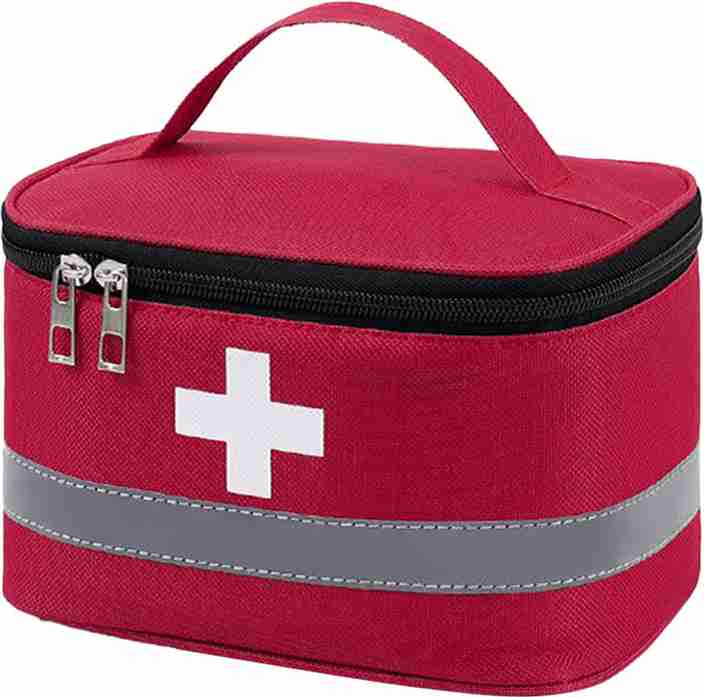
Credit: www.flipkart.com
Basic Supplies
Basic supplies form the foundation of every first aid kit. These items help treat minor injuries quickly. Having the right tools on hand can prevent infections and ease pain. Every first aid kit bag empty must include essential basics to be useful in emergencies.
Bandages And Dressings
Bandages cover cuts and wounds to stop bleeding. Dressings protect the injured area from dirt and germs. Keep various sizes of adhesive bandages and sterile gauze pads. Elastic bandages help support sprains and strains. Remember to include adhesive tape to secure dressings firmly in place.
Antiseptics And Disinfectants
Antiseptics clean wounds and kill harmful bacteria. Use antiseptic wipes or solutions like hydrogen peroxide and iodine. Disinfectants sanitize the skin before applying bandages. These items reduce infection risk and speed up healing. Always check expiration dates for safety.
Pain Relievers
Pain relievers ease discomfort from injuries or illnesses. Common types include acetaminophen and ibuprofen. They help reduce fever, swelling, and aches. Store these medications in original packaging with clear labels. Follow dosage instructions carefully to avoid side effects.
Essential Tools
Every first aid kit needs a set of essential tools that can handle common emergencies efficiently. These tools are small but powerful, helping you manage injuries quickly and confidently. Missing just one could make a big difference in how well you respond to a situation.
Tweezers And Scissors
Tweezers are crucial for removing splinters, glass shards, or debris that can cause infections if left inside the skin. A sturdy pair of scissors helps cut bandages, tape, or clothing when you need fast access to a wound.
Choose tweezers with a fine tip for precision. Scissors should have blunt ends to avoid accidental cuts. Have you ever tried pulling out a splinter with your fingers? Tweezers make it cleaner and less painful.
Thermometer
A reliable thermometer lets you quickly check if someone has a fever, which is often the first sign of infection or illness. Digital thermometers offer fast and accurate readings, making them easy to use during stressful moments.
Keep it in your kit to avoid guessing about a fever’s severity. Knowing the exact temperature can guide you on whether to seek medical help or manage care at home. How often have you wished you had one right when someone started feeling unwell?
Medical Tape
Medical tape holds dressings and bandages securely in place, allowing wounds to heal without disruption. It’s flexible and gentle on the skin, which is important for comfort and preventing further irritation.
Look for tape that sticks well but removes easily. It’s also helpful to have different widths for various uses. Without tape, even the best bandage can fall off at the worst time—are you prepared to handle that?
Medications
Medications are a crucial part of your first aid kit bag, especially when it’s empty and you need to restock. Having the right medicines ready can make a big difference during emergencies or minor health issues. Think about times when you’ve needed quick relief—did you have the right meds on hand? Let’s break down the essential medications you should add to your kit.
Allergy Medications
Allergic reactions can happen unexpectedly. Including antihistamines like diphenhydramine or loratadine can help control symptoms such as itching, swelling, or hives.
Don’t forget to add an epinephrine auto-injector if someone in your family has severe allergies. It can save lives during anaphylactic shock, but remember to check expiration dates regularly.
Cold And Flu Remedies
Colds and flu strike at inconvenient times. Stocking pain relievers like acetaminophen or ibuprofen can reduce fever and ease aches quickly.
Cough syrups and throat lozenges are also handy for soothing irritation. Having these on hand means you won’t have to run to the store when you’re already feeling under the weather.
Gastrointestinal Treatments
Upset stomachs can ruin your day fast. Include antacids to relieve heartburn and indigestion, and anti-diarrheal medications to manage sudden bouts.
Oral rehydration salts are a smart addition too—they help replace lost fluids and minerals, especially if diarrhea or vomiting occurs. Would you want to be caught without these when you’re traveling or at home?
Emergency Items
An empty first aid kit bag is a blank slate. It holds the potential to save lives in emergencies. Choosing the right emergency items is crucial. These items help provide immediate aid and comfort in critical moments. The following essentials deserve a spot in every first aid kit bag.
Cpr Mask
A CPR mask protects both the rescuer and the patient during CPR. It creates a barrier to prevent direct contact with saliva or blood. This reduces the risk of infection. The mask often has a one-way valve allowing air to flow to the patient. Compact and lightweight, it fits easily in an empty kit bag.
Space Blanket
A space blanket is thin but strong. It keeps a person warm by reflecting body heat back to them. This can prevent shock and hypothermia after an injury. Space blankets are also waterproof and windproof. They take very little space, making them ideal for emergency kits.
Whistle
A whistle signals for help when shouting is not enough. Its sharp sound can travel long distances. This helps rescuers find someone trapped or lost. Whistles are simple, reliable tools. Attach one to your first aid kit bag for quick access in emergencies.

Credit: www.steroplast.co.uk
Special Considerations
Special considerations play a key role in assembling an effective first aid kit bag. Each person’s needs differ, and the kit must reflect these differences. This section focuses on important factors to keep in mind. It helps prepare for unique situations and ensures readiness for various emergencies.
Personal Prescriptions
Include any prescribed medicines in the kit. Keep a supply enough for at least a few days. Label each medicine clearly with instructions. Store them safely to avoid damage or mix-ups. Remember to update the kit as prescriptions change.
Children’s Needs
Children require special items in their first aid kit. Use age-appropriate bandages and medicines. Include a thermometer designed for kids. Add soothing ointments for insect bites or rashes. Make sure all items are safe for children’s use.
Travel-specific Items
Traveling brings unique health risks and conditions. Pack items for local diseases or allergies. Include motion sickness tablets if needed. Add water purification tablets for areas with unsafe water. Prepare for weather-related issues like sunburn or frostbite.
Organizing And Maintaining Your Kit
Keeping your first aid kit bag organized and well-maintained is key for quick and effective use. A neat kit helps you find items fast during emergencies. Regular care ensures all supplies are ready when needed.
Organizing your kit means sorting items by category and storing them properly. Maintenance involves checking for expired or used products. Both steps keep your kit reliable and safe.
Regular Checks
Check your first aid kit at least once every three months. Look for missing or damaged items and replace them. Clean the bag to remove dust and dirt. Confirm all items are in their correct places. This habit keeps your kit ready for any situation.
Expiry Dates
Medicines and ointments lose effectiveness after expiry. Check all expiration dates carefully. Remove expired items immediately and replace them with new ones. Write the purchase date on new products. This helps track when to check again.
Restocking Tips
Make a list of essential first aid supplies. After using any item, restock it promptly. Keep extra supplies of common items like bandages and antiseptic wipes. Store your kit in a dry, cool place to protect contents. Regular restocking ensures your kit never runs empty.
Frequently Asked Questions
Why Is My First Aid Kit Bag Empty?
An empty first aid kit bag means it lacks essential supplies. It may be new, unused, or items were taken out. Always check and restock your kit regularly to ensure readiness during emergencies.
What Should I Keep In A First Aid Kit Bag?
Include bandages, antiseptic wipes, adhesive tape, scissors, gloves, pain relievers, and a CPR mask. Tailor contents to your needs and environment for effective emergency response.
How Often Should I Check My First Aid Kit Bag?
Check your first aid kit bag every 3 to 6 months. Replace expired or used items promptly to maintain full functionality and safety during emergencies.
Can An Empty First Aid Kit Bag Be Dangerous?
Yes, an empty kit leaves you unprepared in emergencies. Lack of supplies can delay treatment and worsen injuries. Always keep your first aid kit fully stocked.
Conclusion
An empty first aid kit bag can cause serious trouble during emergencies. Always check your kit before any trip or activity. Keep it stocked with basic supplies like bandages, antiseptics, and pain relievers. Regularly replace used or expired items to stay prepared.
A well-packed first aid kit helps you act fast and stay safe. Don’t wait for an accident to remind you. Prepare today and protect yourself and others tomorrow. Small effort now can make a big difference later. Stay ready, stay safe.

I’m Abby Lu, a passionate home cook who loves simplifying everyday meals. At PlugChef.com, I share product reviews and cooking guides to help you find the best tools for your kitchen.
Related posts:
 What Type of Cooking Utensils are Safe: Expert Picks
 What Innovations Could Blenders Make: Unleashing Future Tech
 Smart Strategies to Organize a Small Kitchen: Maximize Space
 How to Organize a Kitchen Cabinet: Expert Tips & Tricks
 How to Organize Kitchen Drawers: Expert Tips and Tricks
 How to Organize a Corner Kitchen Cupboard: Expert Tips