

When you take a group of kids or friends on a field trip, safety should always be your top priority. Imagine how quickly a small scrape or sudden allergy could turn a fun day into a stressful one.
That’s why having a well-stocked field trip first aid kit is a must for anyone responsible for a group’s well-being. You’ll discover exactly what to pack, how to stay prepared for unexpected situations, and why this simple step can make all the difference.
Keep reading to ensure your next outing is safe, smooth, and worry-free.
Credit: www.hope-education.co.uk
Choosing The Right First Aid Kit
Choosing the right first aid kit for a field trip is crucial. It’s not just about having bandages and antiseptic; it’s about ensuring you’re prepared for any situation that might arise. The kit should be tailored to the specific needs of your group and the nature of the field trip. Let’s dive into the essentials that make up a reliable first aid kit.
Must-have Supplies
Every first aid kit should start with the basics. Think of supplies like adhesive bandages in various sizes, antiseptic wipes, and gauze pads. Add tweezers for splinters and scissors for cutting bandages. A thermometer can be handy for checking fevers. Consider adding a simple guidebook on first aid procedures. Do you have a flashlight in case of emergencies? It might seem small, but it could be vital.
Kit Size And Portability
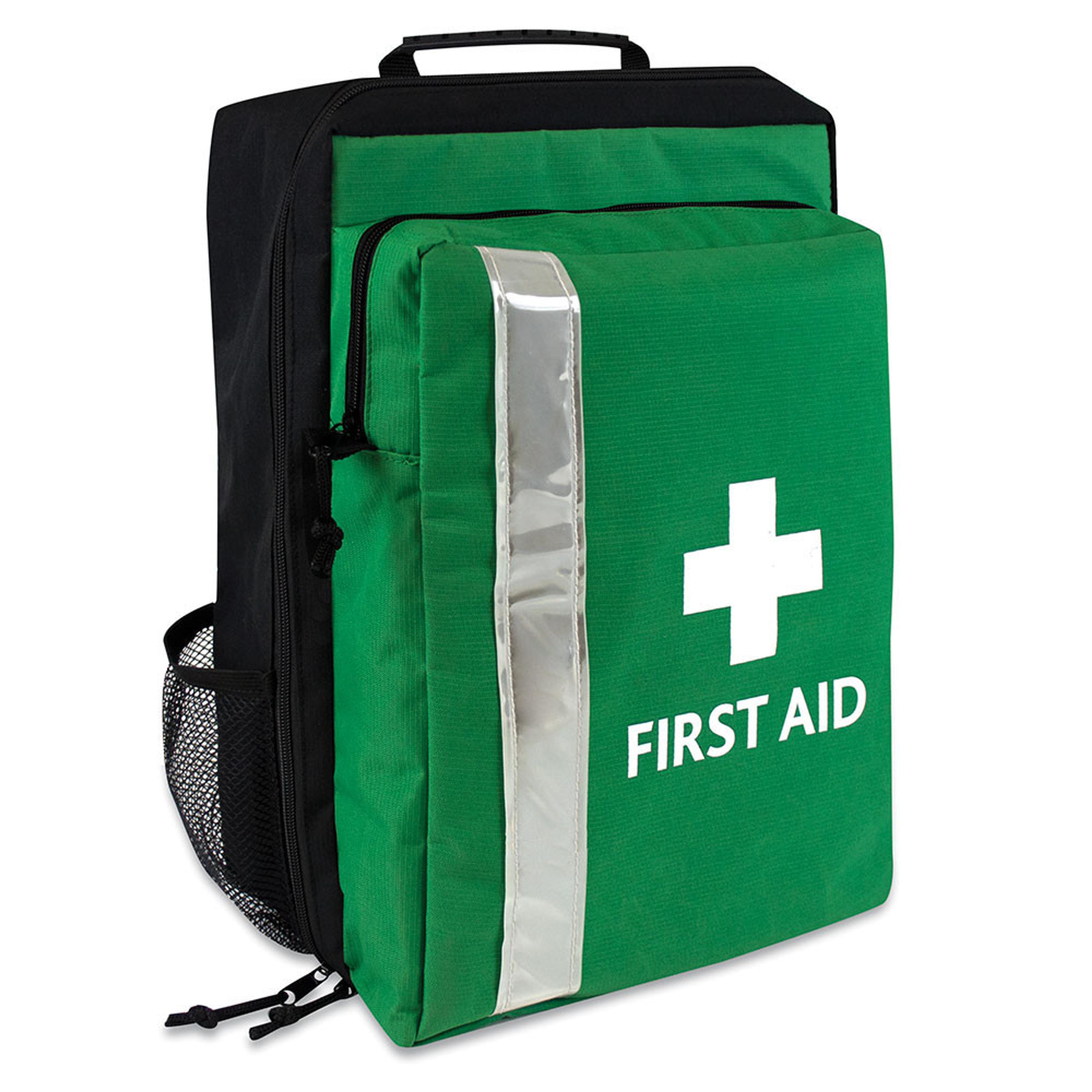
The size of your kit matters. While a comprehensive kit is ideal, it should be portable enough for easy transport. A bulky kit might be impractical on a hike. Look for kits that fit comfortably in a backpack. It’s important that it’s easy to carry, especially if you’re moving around a lot. Think about where your field trip is taking you and adjust accordingly.
Specialized Items For Kids
If your field trip includes children, you’ll need to consider their specific needs. Child-friendly bandages with fun designs can make treatment less intimidating. Include items like sunscreen for sensitive skin and insect repellent. Are there allergy concerns? Keep child-safe antihistamines on hand. Sometimes the smallest details make the biggest difference in keeping kids safe and comfortable.

Credit: www.amazon.com
Packing Tips For Field Trips
Packing a first aid kit for a field trip requires careful thought. It ensures safety and quick response to minor injuries or health issues. The kit should cover basic needs and adapt to the trip’s conditions. Consider weather, allergies, and easy organization for best results.
Weather Considerations
Check the weather forecast before packing. Include sunblock and insect repellent for sunny days. Pack waterproof bandages and plastic bags for wet conditions. Add extra gauze and wipes if rain is expected. Keep everything dry in a sealed plastic container.
Allergy And Medication Needs
Know the allergies of all participants. Include antihistamines for allergic reactions. Pack any prescribed medications with clear labels and instructions. Carry an epinephrine injector if needed. Always have a list of emergency contacts and medical details.
Organizing For Easy Access
Use a clear, divided container to separate items by type. Label each section for quick identification. Keep frequently used items like bandages and antiseptic wipes on top. Store sharp tools like scissors and tweezers safely. Make sure the kit is lightweight and easy to carry.
Basic First Aid Skills
Basic first aid skills are essential during any field trip. You never know when a minor injury might occur, and knowing how to respond quickly can prevent complications. Carrying a well-stocked first aid kit is helpful, but your knowledge will make the real difference.
Treating Cuts And Scrapes
Small cuts and scrapes are common on field trips. Start by washing your hands and then gently clean the wound with water to remove dirt. Avoid using harsh chemicals that can irritate the skin.
After cleaning, apply an antibiotic ointment to prevent infection. Cover the wound with a sterile bandage to keep it clean and dry. Check the area regularly for signs of redness or swelling, which could mean infection.
Handling Insect Bites And Stings
Insect bites and stings can cause discomfort and allergic reactions. Remove any stinger carefully using a flat object like a credit card—don’t squeeze it, as that can release more venom. Clean the area with soap and water afterward.
Use a cold pack or ice wrapped in cloth to reduce swelling and pain. Applying an anti-itch cream or taking an antihistamine can help ease itching. Watch for severe reactions such as difficulty breathing or swelling of the face, and seek emergency help immediately if these occur.
Managing Sprains And Strains
Sprains and strains happen when muscles or ligaments stretch beyond their limits. Rest the injured area and avoid putting weight on it. Use the R.I.C.E. method: Rest, Ice, Compression, and Elevation to reduce swelling and pain.
Wrap the injury with an elastic bandage but avoid wrapping it too tightly. If the pain or swelling gets worse after 48 hours, or if you can’t move the joint, it’s time to see a healthcare professional.
Safety Precautions During Field Trips
Field trips offer exciting learning experiences outside the classroom. Safety is key to making these trips enjoyable and worry-free. Preparing with the right safety measures keeps everyone secure and ready for any situation.
Emergency Contact Plans
Have a clear list of emergency contacts for all participants. Share this list with supervisors and staff. Include phone numbers for parents, doctors, and local emergency services. Make sure everyone knows how to use this information quickly. Keep a copy in the first aid kit and with group leaders.
Supervising Children Effectively
Keep a close watch on children at all times. Use a buddy system to pair kids up for added safety. Set clear rules about staying within sight of supervisors. Regularly count the group to avoid anyone wandering off. Be alert and ready to respond fast to any issues.
Recognizing Warning Signs
Learn to spot signs of illness or injury early. Watch for unusual behavior, such as dizziness or pain. Check for skin changes, like redness or swelling. Act quickly if a child feels unwell or shows distress. Early action prevents minor problems from getting worse.
Maintaining And Restocking Kits
Keeping your field trip first aid kit ready and reliable means regular maintenance and restocking. A well-maintained kit ensures you can respond quickly to minor injuries or unexpected health issues during outdoor adventures. Neglecting this can leave you unprepared when seconds count.
Checking Expiration Dates
Expired supplies can lose effectiveness or even become unsafe. Make it a habit to check the expiration dates on items like antiseptic wipes, ointments, and medications. Setting a reminder every few months helps you stay on top of this without hassle.
Have you ever grabbed a bandage only to find the antiseptic inside was old and dried out? That moment highlights why timely checks matter. Fresh supplies guarantee the best care for your group.
Replacing Used Items
After any trip, review your kit and replace everything you used. Even a single bandage taken out means your kit is no longer fully stocked. Keep a checklist handy to track what needs replenishing before your next outing.
Imagine heading out again without noticing you’re missing key items like gauze or adhesive tape. That risk disappears when you update your kit immediately after use.
Storing Kits Properly
How you store your first aid kit affects its longevity and readiness. Choose a dry, cool spot away from direct sunlight and moisture. Avoid cramped spaces where items can get crushed or scattered.
Consider using a waterproof container or bag to protect supplies from rain or spills during trips. A well-organized kit also saves time in emergencies—can you find what you need quickly?

Credit: www.amazon.com
Frequently Asked Questions
What Items Are Essential In A Field Trip First Aid Kit?
A field trip first aid kit should include bandages, antiseptic wipes, adhesive tape, scissors, tweezers, pain relievers, and allergy medication. These items address common injuries like cuts, scrapes, and allergic reactions, ensuring quick and effective care during outdoor activities.
How Do I Prepare A First Aid Kit For Children’s Field Trips?
Prepare a first aid kit with child-friendly supplies like adhesive bandages, antiseptic wipes, and allergy medication. Include emergency contact info and any specific medications for children. Keep the kit lightweight and easy to carry for quick access during the trip.
Why Is A First Aid Kit Important For School Field Trips?
A first aid kit provides immediate care for injuries or illnesses during field trips. It ensures safety, reduces panic, and helps manage minor emergencies quickly. Having one on hand is crucial to protect children and staff in outdoor or unfamiliar environments.
How Often Should A Field Trip First Aid Kit Be Checked?
Check the first aid kit before every field trip to ensure all supplies are stocked and not expired. Regularly update medications and replace used or outdated items. This keeps the kit ready for emergencies at any time during the trip.
Conclusion
A field trip first aid kit keeps everyone safe and ready for small injuries. Carrying it helps handle cuts, scrapes, and headaches fast. It brings peace of mind to teachers and parents alike. Pack it with basics like bandages, antiseptic wipes, and pain relievers.
Check the kit before each trip to keep supplies fresh. Preparedness means less worry and more fun outdoors. Safety should always come first on any adventure. A simple kit can make a big difference. Stay ready, stay safe.

I’m Abby Lu, a passionate home cook who loves simplifying everyday meals. At PlugChef.com, I share product reviews and cooking guides to help you find the best tools for your kitchen.
Related posts:
 What Type of Cooking Utensils are Safe: Expert Picks
 What Innovations Could Blenders Make: Unleashing Future Tech
 Smart Strategies to Organize a Small Kitchen: Maximize Space
 How to Organize a Kitchen Cabinet: Expert Tips & Tricks
 How to Organize Kitchen Drawers: Expert Tips and Tricks
 How to Organize a Corner Kitchen Cupboard: Expert Tips

