

Are you ready to transform your dining experience and impress your taste buds like never before? Elite trends in modern cuisine are reshaping the way you enjoy food, bringing fresh flavors, innovative techniques, and stunning presentations right to your plate.
Whether you’re a home cook or a food lover, understanding these cutting-edge trends can elevate your meals and inspire your next culinary adventure. Keep reading to discover the exciting changes happening in kitchens around the world—and how you can bring them straight to your table.
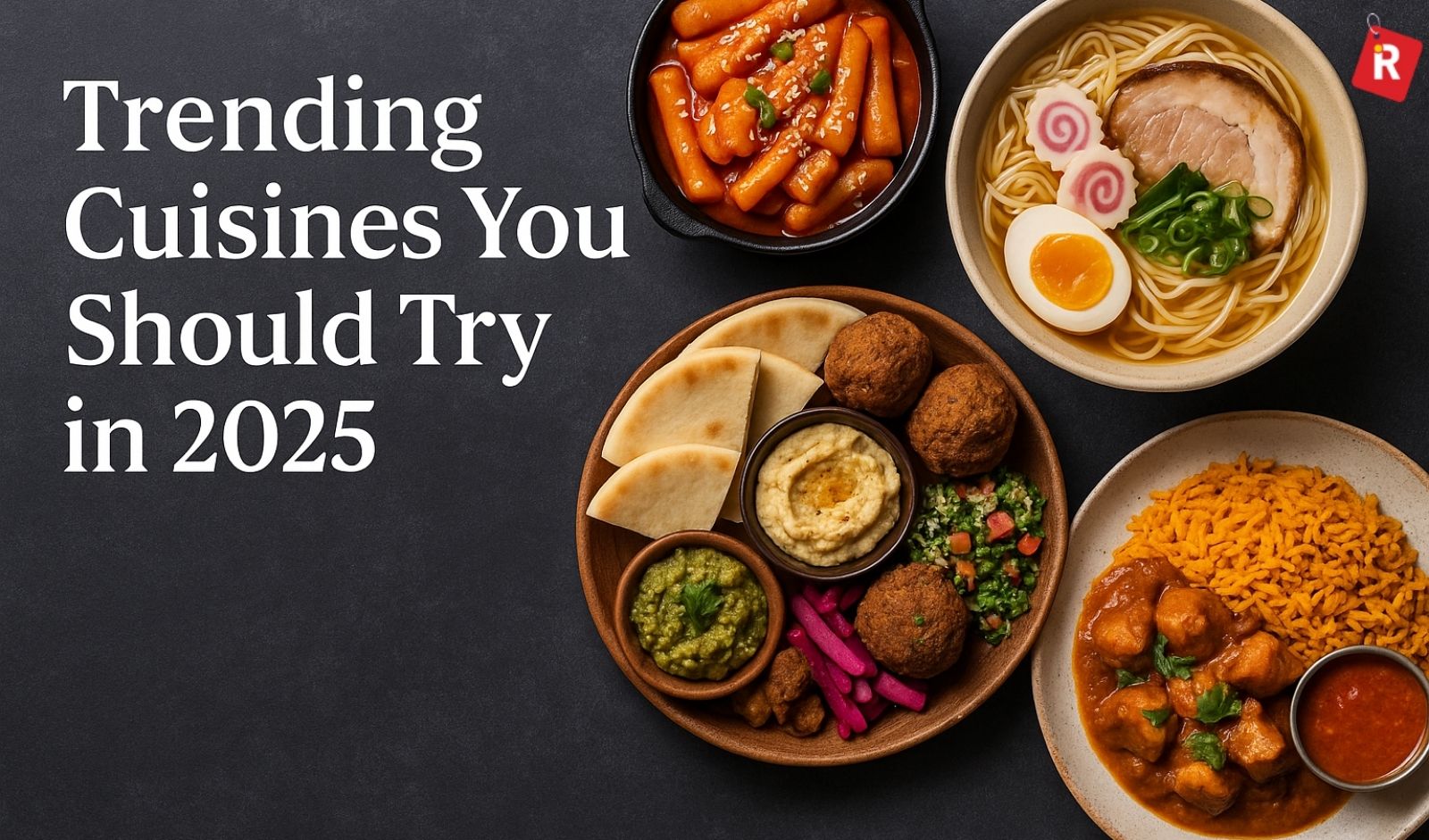
Credit: www.restaurantindia.in
Emerging Flavor Profiles
Emerging flavor profiles are reshaping the way you experience food today. Chefs and home cooks alike are pushing boundaries, introducing tastes that challenge traditional palates. These new combinations invite you to rethink what flavors can work together and inspire you to experiment in your own kitchen.
Fusion Of Global Cuisines
Mixing elements from different cultures creates bold, unexpected flavors. Think Korean spices blended with Mexican street food or Japanese techniques applied to Italian dishes. This fusion offers a fresh take that keeps your taste buds curious and excited.
When you combine cooking styles, you open the door to unique textures and aromas. Have you tried adding a touch of miso to your classic barbecue sauce? Small twists like this can elevate your dishes instantly.
Revival Of Ancient Ingredients
Ancient grains like teff, amaranth, and freekeh are making a comeback for good reasons. They bring a nutty, earthy flavor that adds depth and nutrition. Using these ingredients connects you to culinary traditions while boosting your meals’ wholesomeness.
Spices such as sumac or asafoetida add surprising hints of tang or umami. These are not just flavors but stories from the past that can enrich your cooking and impress your guests.
Unexpected Sweet And Savory Combos
Sweet and savory pairings can surprise you by balancing contrasts perfectly. Imagine salty bacon with maple syrup or spicy chili paired with dark chocolate. These combinations create a dynamic taste experience that keeps you coming back for more.
Try adding fruit to savory dishes or a dash of spice to desserts. These small experiments can transform your meals and make your cooking stand out.

Credit: uk.finance.yahoo.com
Tech-driven Culinary Techniques
Tech-driven culinary techniques are reshaping how chefs create and serve food. These innovations push the boundaries of flavor, texture, and presentation while making kitchens more efficient and sustainable. You might wonder how technology can enhance something as traditional as cooking—let’s dive into the most exciting advancements.
Molecular Gastronomy Advances
Molecular gastronomy uses science to transform food at a microscopic level. Chefs can change the texture of a sauce into a foam or turn liquids into edible spheres. This technique lets you experience familiar flavors in surprising new forms.
Have you ever tasted a dish where the texture seemed to defy expectations? That’s molecular gastronomy at work. It requires precision tools like centrifuges and liquid nitrogen, but the results can be stunning and interactive.
Ai And Robotics In Kitchens
Artificial intelligence and robots now assist with repetitive tasks, freeing chefs to focus on creativity. Robots can chop, stir, and even plate food with consistent precision. This means faster service without sacrificing quality.
Imagine a kitchen where a robot handles dough kneading while you experiment with new recipes. AI can also analyze customer preferences to suggest menu changes that boost satisfaction. Could your kitchen benefit from this kind of smart automation?
Sustainable Cooking Technologies
Technology is helping kitchens reduce waste and energy use. Smart ovens adjust cooking times and temperatures to save power. Systems that monitor ingredient freshness prevent food from being thrown away unnecessarily.
Using sustainable gadgets doesn’t just cut costs; it also aligns your cooking with eco-friendly values. Have you tried energy-efficient appliances or composting food scraps in your kitchen? Small tech changes can make a big environmental impact.
Plant-based Innovations
Plant-based innovations are shaping modern cuisine with fresh, healthy options. Chefs explore new flavors and textures using plants for creative dishes. This trend offers tasty meals that are good for both people and the planet.
Plant-based innovations in modern cuisine captivate food enthusiasts. Chefs worldwide embrace sustainable and nutritious alternatives. These creations redefine culinary experiences, offering diverse flavors and textures. Let’s explore some elite trends in plant-based cuisine.Next-gen Meat Alternatives
Next-generation meat alternatives have gained popularity in recent years. They mimic the taste and texture of traditional meat. Companies use advanced techniques to enhance these products. Ingredients like pea protein and soy create authentic flavors. Consumers enjoy familiar dishes without sacrificing taste.Creative Use Of Vegetables And Grains
Chefs experiment with vegetables and grains in inventive ways. Cauliflower transforms into pizza crusts and rice. Quinoa and lentils become protein-rich burger patties. These ingredients offer endless possibilities. They add color, flavor, and nutrition to meals. Diners enjoy fresh takes on classic dishes.Flavor Enhancement In Vegan Dishes
Flavor plays a crucial role in vegan cuisine. Chefs use bold spices and herbs to enhance dishes. Smoked paprika, turmeric, and cumin add depth. Fermented foods like kimchi bring umami to the table. The result? Mouth-watering flavors that satisfy every palate.Presentation And Dining Experience
Presentation and dining experience have become key in modern cuisine. Chefs now focus on how food looks and feels on the plate. This creates a memorable meal beyond just taste. Diners enjoy a feast for their eyes and senses. The way food is served can tell a story or set a mood. It turns eating into an event.
Edible Art And Plating Trends
Plating has evolved into a form of art. Chefs use colors, shapes, and textures to design each dish. Edible flowers, microgreens, and sauces create visual appeal. Minimalism and geometric patterns are popular. The goal is to excite diners before the first bite. Each plate looks like a canvas full of creativity.
Interactive And Multi-sensory Meals
Dining now includes touch, smell, and sound. Some meals involve diners mixing ingredients or adding spices. Aromatic elements enhance the experience. Sound effects or music match the theme of the dish. This style makes meals more fun and engaging. It connects the eater with the food deeply.
Personalized Tasting Menus
Restaurants offer tasting menus tailored to individual preferences. Chefs adjust dishes based on dietary needs and flavor likes. This personal touch creates a unique experience for each guest. Diners feel special and valued. It also allows chefs to showcase creativity in small portions.
Health And Wellness Focus
The modern culinary scene is shifting towards a strong health and wellness focus. Chefs and home cooks alike are paying more attention to how food affects the body beyond just taste. This change invites you to think about what you eat in a new way—how ingredients support your energy, digestion, and overall well-being.
Functional Ingredients
Functional ingredients are more than just tasty additions; they offer specific health benefits. Ingredients like turmeric, chia seeds, and matcha bring antioxidants, anti-inflammatory properties, and sustained energy to your meals. Next time you cook, try adding these to your dishes and notice how they impact your body and mood.
Think about the last time you felt sluggish after a meal. Could swapping out refined carbs for quinoa or sweet potatoes change how you feel afterward? These small tweaks with functional ingredients can make a big difference in your daily energy and focus.
Gut-friendly Fermented Foods
Fermented foods are gaining popularity for their role in supporting gut health. Kimchi, sauerkraut, and kefir introduce beneficial bacteria that improve digestion and boost immunity. Including these foods in your diet can be an easy way to nurture your gut without complicated supplements.
Have you ever noticed how your digestion affects your mood or skin? Adding fermented foods might be the missing piece. You don’t have to overhaul your diet—start by adding a spoonful of sauerkraut to your sandwich or a glass of kefir with breakfast.
Balancing Taste With Nutrition
Many believe healthy food can’t taste good, but modern cuisine proves otherwise. Chefs are creating dishes that balance rich flavors with nutrient-dense ingredients. You can enjoy a meal that satisfies your taste buds and supports your health at the same time.
How often do you choose taste over nutrition? What if your favorite dishes could be both delicious and nourishing? Experiment with herbs, spices, and natural sweeteners to keep meals exciting and healthy.
Sustainability And Ethics
Sustainability and ethics have become key pillars in modern cuisine. Chefs and restaurants focus on reducing environmental impact and promoting fair practices. These efforts shape the future of food and dining experiences.
Ethical choices ensure respect for nature and support local communities. Sustainable methods help preserve resources for future generations. This balance creates dishes that are both delicious and responsible.
Zero-waste Kitchens
Zero-waste kitchens aim to use every part of ingredients. Food scraps often turn into stocks, sauces, or compost. This approach lowers waste and saves money.
Chefs carefully plan menus to reduce leftovers. They use creative techniques to transform peels, stems, and bones. Waste reduction helps protect the environment by minimizing landfill use.
Locally Sourced Ingredients
Local sourcing supports nearby farmers and producers. Ingredients travel shorter distances, which cuts carbon emissions. Freshness improves taste and nutritional value.
Seasonal produce guides menu choices. This practice encourages eating foods at their peak. It also strengthens community ties and boosts the local economy.
Ethical Seafood And Meat Choices
Ethical choices in seafood and meat ensure animal welfare. Sustainable fishing avoids overharvesting and protects ocean life. Responsible meat sourcing respects humane treatment and natural habitats.
Restaurants often choose certified products. These labels guarantee better environmental and social standards. Ethical protein options promote a healthier planet and fair industry.
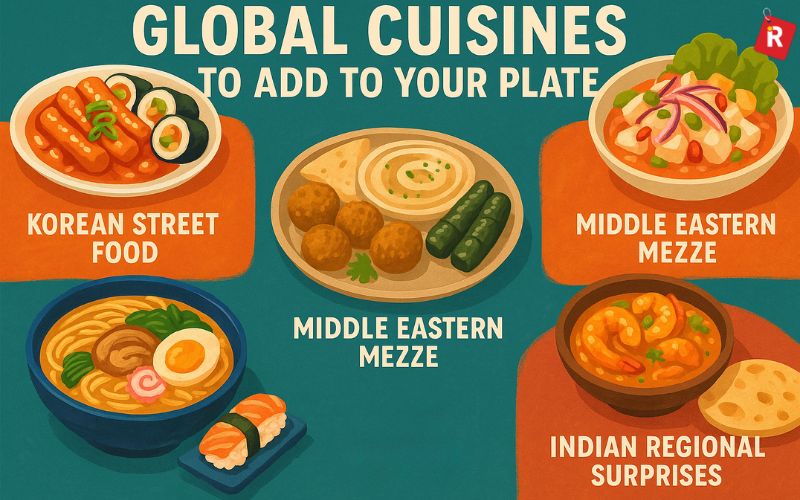
Credit: www.restaurantindia.in
Frequently Asked Questions
What Defines Elite Trends In Modern Cuisine Today?
Elite trends focus on innovation, sustainability, and unique flavors. They blend technology with tradition, offering gourmet experiences. Chefs use local, organic ingredients and creative presentation to elevate dishes. These trends emphasize health, aesthetics, and global influences in fine dining.
How Do Elite Trends Impact Restaurant Menus?
Elite trends introduce new ingredients and cooking techniques. Menus become more diverse, featuring fusion and plant-based options. They reflect seasonality and sustainability, attracting adventurous diners. This keeps restaurants competitive and relevant in modern culinary scenes.
Why Is Sustainability Important In Modern Cuisine Trends?
Sustainability reduces environmental impact and promotes ethical sourcing. It encourages using local, organic, and seasonal ingredients. This trend meets consumer demand for eco-friendly dining. Sustainable practices also improve food quality and restaurant reputation.
What Role Does Technology Play In Elite Cuisine?
Technology enhances precision and creativity in cooking. Techniques like molecular gastronomy and sous-vide refine flavors and textures. Digital tools aid menu design and customer interaction. Technology helps chefs innovate while maintaining consistency and quality.
Conclusion
Modern cuisine blends tradition with new ideas. Chefs use fresh ingredients and bold flavors. Sustainable and local foods are gaining popularity. Techniques like sous vide and fermentation create unique tastes. People enjoy meals that are healthy and exciting. Food trends reflect culture and creativity.
Cooking today is an art and science. Exploring these trends can inspire your own kitchen. The future of food looks fresh and diverse. Keep trying new dishes and enjoy every bite.

I’m Abby Lu, a passionate home cook who loves simplifying everyday meals. At PlugChef.com, I share product reviews and cooking guides to help you find the best tools for your kitchen.
Related posts:
 What Type of Cooking Utensils are Safe: Expert Picks
 What Innovations Could Blenders Make: Unleashing Future Tech
 Smart Strategies to Organize a Small Kitchen: Maximize Space
 How to Organize a Kitchen Cabinet: Expert Tips & Tricks
 How to Organize Kitchen Drawers: Expert Tips and Tricks
 How to Organize a Corner Kitchen Cupboard: Expert Tips

