

If you love hiking with your dog, you know how important it is to keep them safe. But what would you do if your furry friend got hurt miles away from help?
Having a dog first aid kit for hiking can make all the difference. It gives you the power to act fast and protect your dog from serious problems. You’ll discover exactly what to pack and how to use each item.
Keep reading to make sure you and your dog are ready for any surprise on the trail.

Credit: www.amazon.com
Choosing The Right Kit
When you’re planning a hiking adventure with your furry friend, ensuring you have the right dog first aid kit is crucial. A well-prepared kit can be a lifesaver in unexpected situations. But how do you choose the right one? It all boils down to a few key factors that make your kit convenient and effective.
Compact And Lightweight Options
Space is a premium when hiking, and every ounce counts. Look for kits that are compact and lightweight. Imagine carrying a bulky kit up a mountain—it’s a burden. Opt for something that’s easy to stash in your backpack or clip to your belt. Brands like Adventure Medical Kits offer compact versions with essentials like gauze pads, antiseptic wipes, and even a tick remover. A kit that fits snugly without sacrificing contents ensures you’re prepared without the extra weight.
Durability And Weather Resistance
Hiking often means facing unpredictable weather. Your first aid kit should withstand rain, snow, and even a muddy trail. Choose kits made from durable materials like nylon or waterproof fabric. These are built to last and protect the contents from moisture and dirt. A friend once shared how his kit got soaked during a sudden downpour, rendering bandages useless. Since then, he swears by weather-resistant options, which keep supplies dry and ready for any mishap.
What would you do if your kit failed you in the middle of nowhere? Ensuring durability means peace of mind that your kit will hold up under pressure.
Credit: www.amazon.com
Basic Medical Supplies
Having a well-stocked first aid kit is crucial for any hiking trip with your dog. Basic medical supplies can make a big difference if your furry friend gets a cut, scrape, or other minor injury on the trail. These essentials help you manage wounds quickly and prevent infections before professional help is available.
Bandages And Gauze
Bandages and gauze are the backbone of your dog first aid kit. Use gauze pads to clean and cover wounds, while bandages keep the gauze in place and protect the injury from dirt. Wrap bandages snugly but not too tight—too much pressure can cut off circulation.
Having different sizes of bandages helps with various wounds, from small cuts to larger scrapes. Think about adding self-adhesive bandages for quick, easy application that won’t slip during your hike.
Antiseptic Wipes And Creams
Cleaning wounds immediately is key to preventing infections. Antiseptic wipes are handy because they’re easy to carry and use on the go. You can quickly clean dirt and bacteria from your dog’s injury without needing water.
Antiseptic creams provide an extra layer of protection after cleaning. Look for pet-safe options, as some human antiseptics can irritate your dog’s skin. Have you ever stopped mid-hike because your dog’s paw got dirty? These wipes and creams save you from that hassle.
Tweezers And Scissors
Tweezers and scissors are tools you don’t want to forget. Tweezers help remove thorns, splinters, or ticks that can cause discomfort or infections. Scissors are essential for cutting bandages, gauze, or trimming fur around a wound for better cleaning.
Choose scissors with blunt tips for safety, especially if your dog is restless. Imagine trying to deal with a tick stuck in a sensitive area—having the right tool makes the process faster and less stressful for both of you.
Medications And Treatments
Having the right medications and treatments in your dog first aid kit can make a huge difference during a hiking trip. You never know when your furry friend might face discomfort, inflammation, or an allergic reaction. Being prepared with safe and effective options helps you act fast and keep your dog comfortable.
Pain Relievers Safe For Dogs
Not all human pain relievers are safe for dogs. Avoid common over-the-counter meds like ibuprofen or acetaminophen, as they can be toxic. Instead, keep a supply of vet-approved pain relievers such as <strong=carprofenor <strong=meloxicamin your kit. These medications help reduce pain without harming your dog’s system.</strong=meloxicam</strong=carprofen
Always consult your vet beforehand about the correct dosage. You want to have peace of mind that you’re administering something safe during your hike.
Anti-inflammatory Agents
Inflammation from sprains, insect bites, or minor injuries is common on trails. Anti-inflammatory agents help reduce swelling and speed up healing. Non-steroidal anti-inflammatory drugs (NSAIDs) specifically made for dogs are your best choice here.
Keep these medications handy for moments when your dog shows signs of limping or discomfort. Quick action can prevent a small issue from turning into a bigger problem.
Allergy Medications
Hiking exposes your dog to new plants, insects, and environmental triggers. Allergic reactions can range from mild itching to severe swelling. Including antihistamines like <strong=diphenhydraminein your first aid kit is essential.</strong=diphenhydramine
These medications can relieve symptoms quickly and keep your dog calm. If your dog has known allergies, ask your vet about additional treatments or emergency meds to carry.
Tools For Emergencies
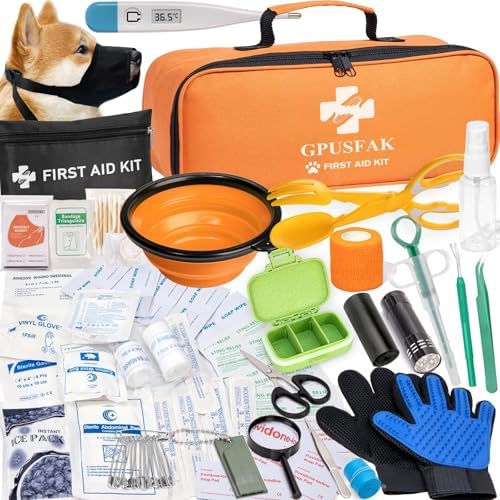
Having the right tools for emergencies in your dog first aid kit can make a huge difference during a hiking trip. You never know when your dog might get injured or feel unwell. Being prepared with essential items helps you act quickly and keep your furry friend safe.
Muzzle And Leash
A muzzle is not just for control; it protects both you and your dog if they get scared or in pain. Injured dogs may bite even if they are usually friendly. Keep a soft, adjustable muzzle in your kit, along with a sturdy leash to keep your dog close and calm.
Have you ever faced a situation where your dog’s pain made them defensive? A muzzle can prevent accidents and help you provide aid without worry.
Thermometer And Syringe
Monitoring your dog’s temperature is crucial if they seem unwell or overheated. A digital thermometer designed for pets helps you check for fever quickly. A syringe without a needle is useful for giving water or medication if your dog refuses to drink or swallow pills.
Imagine you’re miles from help and your dog shows signs of heatstroke—how fast could you act without these tools? They allow you to make informed decisions on the spot.
Emergency Blanket
An emergency blanket is lightweight but can be a lifesaver in cold or wet conditions. Wrapping your dog in it helps retain body heat during shock or after an injury. It also doubles as a ground cover or shade if needed.
Have you considered how quickly temperatures can drop at higher elevations? This simple item can make a big difference in keeping your dog warm and comfortable.
Preventive Items
Preventive items form the core of any dog first aid kit for hiking. These tools stop injuries and health issues before they start. Carrying the right gear helps keep your dog safe and comfortable on the trail. Focus on items that protect from bugs, ticks, and rough terrain. Prevention saves time, stress, and vet visits.
Tick Removal Tools
Ticks pose a serious threat to hiking dogs. Carry a tick removal tool to act fast. These tools help remove ticks safely without squeezing them. Tweezers work but tick removers are easier and safer. Check your dog regularly during and after hikes. Removing ticks early prevents diseases like Lyme.
Insect Repellents
Insect repellents protect your dog from biting bugs and mosquitoes. Choose repellents made specifically for dogs. Avoid products with harmful chemicals like DEET. Natural options with citronella or eucalyptus work well. Apply repellents before the hike and reapply if needed. Keep your dog comfortable and bug-free.
Paw Protection
Rough terrain can hurt your dog’s paws. Use paw protection to avoid cuts and burns. Dog boots provide a solid shield on rocky or hot surfaces. Paw wax is a lighter option that soothes and protects pads. Inspect paws often for injuries. Protecting paws keeps your dog happy and active on trails.
Hydration And Nutrition
Keeping your dog well-hydrated and properly fueled is crucial during any hiking adventure. Dehydration and low energy can quickly turn a fun outing into a risky situation. You need to prepare for these needs just as carefully as you do for your own.
Water Bottles And Bowls
Carrying water for your dog means more than just filling a bottle. Choose lightweight, durable water bottles that fit easily into your pack. Collapsible bowls are a great way to give your dog a clean place to drink without adding bulk.
Think about how often your dog drinks during a normal walk. You might need to offer water more frequently on a hike, especially on hot days or rough trails. Having a water source ready can prevent dehydration before it starts.
Electrolyte Supplements
Electrolytes help replace the minerals your dog loses through sweat and panting. You can find supplements made specifically for dogs, often in powder or liquid form. These can be mixed into water to keep your pup balanced and energized.
Have you noticed your dog slowing down or panting heavily on a hike? That’s a sign electrolytes might help. Carry a small stash and offer it when your dog seems tired or after intense activity.
High-energy Treats
High-energy treats are essential for giving your dog quick fuel on the trail. Look for options rich in protein and healthy fats, like jerky or specially formulated energy bars. These treats can boost stamina and keep your dog motivated to keep going.
Don’t wait until your dog looks exhausted to offer a snack. Regular small treats during breaks can maintain energy levels and prevent fatigue. What’s your dog’s favorite treat that always gets their tail wagging?
Storage And Organization
Keeping your dog’s first aid kit well stored and organized is crucial for quick and effective response during a hiking emergency. When every second counts, you want to find the right item without fumbling through a messy bag. Thoughtful storage ensures that supplies stay protected from the elements and are easy to carry along your trail adventures.
Packing Tips For Accessibility
Place the most commonly used items, like bandages and antiseptic wipes, at the top or in an outer pocket. This way, you can grab them immediately without unpacking the whole kit. Use small, clear zippered bags to separate different supplies—this prevents spills and saves time.
Think about your dog’s specific needs. If your pup is prone to paw injuries, keep paw balm and booties in a dedicated section. Try to keep the kit lightweight and compact to avoid extra bulk on your hike.
Labeling And Inventory
Label each compartment or pouch clearly with simple tags or waterproof markers. This helps you and anyone hiking with you find items fast, especially in stressful situations. A visible inventory list inside the kit can remind you what’s inside and alert you when it’s time to restock.
Have you ever faced a situation where you searched endlessly for a specific item during an emergency? Proper labeling prevents that frustration. Make it a habit to check your kit before every hike and update the inventory as needed to keep it ready for action.

Credit: www.amazon.com
Training And Preparedness
Proper training and preparedness are crucial for safe hiking with your dog. Knowing how to handle emergencies keeps both you and your pet calm. Being ready can prevent small issues from turning serious.
Basic First Aid Skills
Learn simple first aid skills for your dog. Know how to clean wounds and apply bandages. Practice checking for ticks and removing them carefully. Understand how to stop bleeding and treat minor burns. Keep CPR techniques for dogs in mind. These skills help you act quickly during accidents.
Recognizing Signs Of Distress
Watch your dog closely for signs of trouble. Look for heavy panting, limping, or unusual behavior. Notice if your dog is vomiting or has diarrhea. Check for swelling or redness on the skin. Early detection helps you respond faster. Knowing these signs can save your dog’s life.
Emergency Contact Information
Always carry emergency contact details during hikes. Include your vet’s phone number and the nearest animal hospital. Have local wildlife or park ranger contacts handy. Store this information on your phone and on paper. Quick access to contacts speeds up help in emergencies.
Frequently Asked Questions
What Essentials Belong In A Dog First Aid Kit For Hiking?
A dog first aid kit should include bandages, antiseptic wipes, tweezers, gauze, scissors, and a tick remover. Also, add a pet-safe pain reliever and emergency contact info. These items help treat injuries and prevent infections during hikes.
How Do I Use A Dog First Aid Kit On The Trail?
Clean wounds with antiseptic wipes, apply gauze to stop bleeding, and remove ticks carefully. Use tweezers for splinters and bandages for cuts. Always keep your dog calm and seek veterinary help if needed after first aid.
Why Is A Dog First Aid Kit Important For Hiking Trips?
A first aid kit allows quick response to injuries, preventing infections or worsening conditions. Hiking trails have risks like cuts, ticks, or insect bites. Being prepared ensures your dog’s safety and comfort in emergencies.
How Often Should I Check And Update My Dog’s First Aid Kit?
Check your dog’s first aid kit before every hike. Replace used or expired items immediately. Regular updates ensure all supplies are effective and ready to handle any emergency during your outdoor adventures.
Conclusion
A dog first aid kit is essential for safe hiking trips. It helps you handle small injuries quickly and easily. Carrying one shows you care about your dog’s health. Prepare your kit with basic supplies like bandages, antiseptic wipes, and tweezers.
Check and restock it regularly to stay ready. A little effort can keep your dog safe and happy outdoors. Always be ready for the unexpected on the trail. Simple steps make hiking safer for you and your dog.

I’m Abby Lu, a passionate home cook who loves simplifying everyday meals. At PlugChef.com, I share product reviews and cooking guides to help you find the best tools for your kitchen.
Related posts:
 What Type of Cooking Utensils are Safe: Expert Picks
 What Innovations Could Blenders Make: Unleashing Future Tech
 Smart Strategies to Organize a Small Kitchen: Maximize Space
 How to Organize a Kitchen Cabinet: Expert Tips & Tricks
 How to Organize Kitchen Drawers: Expert Tips and Tricks
 How to Organize a Corner Kitchen Cupboard: Expert Tips