

Are you tired of rummaging through cluttered shelves every time you need an ingredient? Imagine opening your pantry to find everything neatly arranged and easy to reach.
With DIY pantry organizers, you can transform your chaotic food storage into a streamlined, efficient space. This isn’t just about tidying up—it’s about making your life easier and more enjoyable. Picture the satisfaction of opening a perfectly organized pantry, where every item has its place.
You’ll discover simple DIY solutions that will not only save you time but also enhance your cooking experience. Curious to see how these tips can bring order and calm to your kitchen? Keep reading to unlock the secrets of a well-organized pantry.
Benefits Of Diy Pantry Organizers
DIY pantry organizers can transform your kitchen space. They bring order to chaos. The benefits of crafting your own pantry organizers are numerous. You save money and gain a custom fit for your space. Each organizer can be tailored to your needs. Creativity shines as you design functional storage solutions. These organizers enhance accessibility and streamline meal prep. Let’s explore the key benefits.
Cost-effective Solutions
DIY pantry organizers are budget-friendly. Store-bought options can be pricey. Crafting your own saves money. Use materials you already have. Recycle old containers and boxes. Spend less and still organize effectively.
Personalized Fit
Custom organizers fit your space perfectly. Store-bought options may not match your pantry size. DIY allows you to measure and craft to fit. Tailor each shelf and nook. Maximize every inch of your pantry.
Creative Expression
Building your own organizers lets creativity shine. Choose colors and materials you love. Design unique solutions that suit your taste. Express your personality in the heart of your home.
Enhanced Accessibility
DIY organizers improve accessibility. Arrange items for easy reach. No more digging through cluttered shelves. Find ingredients quickly and efficiently. This saves time during cooking.
Streamlined Meal Prep
Organized pantries streamline meal prep. Easily locate spices and ingredients. Cooking becomes a breeze with clear visibility. Meal planning is simpler with organized shelves.

Credit: food52.com
Assessing Your Pantry Needs
Before embarking on your journey to create DIY pantry organizers, it’s essential to understand what your pantry truly needs. Assessing your pantry needs involves more than just a quick glance at the shelves. It requires a thoughtful evaluation of your current storage setup and its shortcomings. By doing so, you can ensure that your efforts in organizing are genuinely beneficial and tailored to your lifestyle.
Identifying Problem Areas
Start by taking a close look at your pantry. Are there sections that seem cluttered or chaotic? Perhaps the cereal boxes are always toppling over or the canned goods are difficult to reach. Recognizing these problem areas is the first step towards effective organization.
Consider the frequency of use for each item. Those spices you use daily should be easily accessible, while the once-a-year baking supplies can occupy less convenient spots. Knowing these details can help streamline your pantry setup.
Reflect on past frustrations. Have you ever struggled to find that elusive jar of peanut butter or been annoyed by expired items hidden in the back? These experiences can guide you in pinpointing areas that need improvement.
Measuring And Planning Space
Grab a measuring tape and note the dimensions of your pantry shelves and drawers. This information is vital for selecting or crafting organizers that fit perfectly within your space.
Visualize the layout. Sketch a simple diagram of your pantry and experiment with different configurations. Where could baskets go? Would a tiered shelf make the back items more accessible?
Think about the future. Are you planning to stock up on specific items during sales or seasonal changes? Anticipating these needs will help you design a flexible and accommodating pantry space.
Essential Tools And Materials
Creating DIY pantry organizers requires basic tools like a drill, screwdriver, and measuring tape. Essential materials include wooden boards, screws, and brackets for sturdy construction. These items help keep your pantry neat and accessible.
Organizing your pantry can feel like a daunting task, but with the right tools and materials, it becomes a satisfying DIY project. Getting started requires some essentials that even beginners can handle with ease. Let’s dive into what you need to organize your pantry efficiently.Basic Tools For Beginners
Starting your DIY pantry organization requires a few basic tools. You don’t need a fully stocked workshop to achieve great results. Here are some essential tools that will make your project smoother: – Measuring Tape: Ensure your organizers fit perfectly by measuring your pantry space accurately. – Screwdriver Set: Essential for assembling shelving units or installing hooks and brackets. – Level: Keep your shelves straight and items stable with a simple level. – Utility Knife: Handy for trimming liners or opening packages. – Label Maker: Clearly label containers for easy identification and a tidy look. These tools are not only easy to find but also user-friendly for beginners. If you’ve ever hung a picture frame, you’re already halfway there.Choosing The Right Materials
Selecting the best materials is crucial for a successful pantry makeover. You want durable, easy-to-clean options that suit your style and budget. Consider these materials: – Wire Shelving: Offers flexibility and allows airflow, preventing mold and pests. – Wooden Shelves: Provides a classic look and sturdy support for heavier items. – Clear Plastic Bins: Keep contents visible and are perfect for categorizing snacks or spices. – Glass Jars: Ideal for storing dry goods while adding a touch of elegance. – Chalkboard Labels: Reusable and perfect for those who like to change things up. Think about what you use most often and select materials that will best suit your needs. Have you ever noticed how a small change, like swapping boxes for jars, can make a big difference in both aesthetics and functionality? Getting your pantry organized doesn’t have to be overwhelming. With the right tools and materials, you can transform chaos into a beautifully arranged space. Start small, and enjoy the process of creating a pantry that works for you.
Credit: onceuponafarmorganics.com
Creative Ideas For Pantry Organization
Organizing your pantry can feel like a never-ending battle. With cans, boxes, and bags vying for space, finding a system that works might seem impossible. But fear not! There are creative ideas that can transform your pantry chaos into a streamlined space. Let’s explore some of these inventive solutions that not only declutter but also bring a touch of personality to your kitchen.
Repurposing Household Items
Why spend a fortune on fancy organizers when you can repurpose items you already have? Look around your home for unused baskets, bins, or jars. These can be perfect for storing snacks, spices, or pasta.
- Use mason jars for dried goods like grains and beans. They keep items fresh and add a rustic charm.
- An old magazine rack can serve as a holder for canned goods, helping you stack them neatly.
- Transform shoe boxes into handy containers for snacks or baking supplies.
These repurposed items not only save money but also reduce waste. Have you ever thought about what else might be lurking in your home that could be repurposed?
Creating Custom Shelving
If your pantry is short on space, custom shelving could be the answer. Tailor shelves to fit your unique needs, whether it’s accommodating oversized cereal boxes or organizing spices.
- Consider adjustable shelves that can be moved to fit varying heights of items.
- Small, removable shelves can be added to the back of pantry doors for additional storage.
- Install pull-out shelves for easy access to items at the back of the pantry.
Custom shelving allows you to maximize every inch of space. Have you ever tried building your own shelves or modifying existing ones to better suit your pantry?
These creative ideas for pantry organization can transform your cluttered space into an organized oasis. With a little imagination and some DIY spirit, you can create a pantry that works for you.
Step-by-step Diy Projects
Create your own pantry organizers with easy DIY steps. Use baskets, jars, and labels to keep items tidy. Transform cluttered shelves into a neat and functional space.
Organizing your pantry can be a game-changer, transforming your kitchen into a more efficient and enjoyable space. DIY pantry organizers allow you to tailor solutions to your specific needs while indulging your creative side. With simple materials and a bit of time, you can tackle projects that make your pantry a joy to use every day.Building A Spice Rack
Creating a custom spice rack is a fun and practical project. Start by measuring the space where you want to place your rack, ensuring it fits seamlessly in your pantry. Gather materials like wood, nails, and a saw. Cut the wood to your desired dimensions, considering how many spice jars you need to store. Assemble the pieces with nails or wood glue, and sand any rough edges for a smooth finish. You can paint or stain the rack to match your kitchen decor. Mount the rack on the wall or inside a pantry door. Ensure it’s sturdy and easily accessible. You’ll love how organized your spices are, and it might even inspire you to try new recipes!Constructing Storage Bins
Storage bins are essential for grouping similar items and maximizing pantry space. Choose a durable material like wood or plastic for your bins. Measure the shelves to determine the right size for your bins, keeping in mind what you plan to store. Cut and assemble the material into box shapes, ensuring they’re sturdy enough to hold heavy items. Add labels to the bins, which makes finding ingredients a breeze. You could even use chalkboard paint for changeable labels. Place these bins strategically on your shelves. Consider grouping snacks in one bin and baking supplies in another. This method keeps your pantry neat and makes it easy to locate items quickly. How do you feel about your pantry right now? Could these DIY projects make it more functional and enjoyable? Dive in and see the difference a little organization can make in your daily routine!Maintaining Your Organized Pantry
Create your own pantry organizers to keep everything in place. Use jars, baskets, and labels for a tidy space. An organized pantry saves time and reduces stress during meal prep.
Maintaining an organized pantry ensures a clutter-free kitchen. It makes meal prep easier and saves time. Keeping your pantry neat is not a one-time task. It requires regular attention to stay organized.Regular Clean-up Tips
Regular clean-ups prevent clutter from building up. Begin by removing expired items. Check expiration dates every month. Dispose of anything past its date. Group similar items together. Use clear containers for easy visibility. Label containers to avoid confusion. Wipe shelves with a damp cloth. This keeps your pantry fresh and hygienic.Seasonal Adjustments
Seasonal changes affect pantry needs. In summer, stock up on grilling essentials. In winter, focus on soups and baking supplies. Adjust your pantry layout based on the season. Move frequently used items to the front. Keep less-used items at the back. This ensures you have what you need, when you need it.Inspiration From Successful Projects
Creative ideas from successful DIY pantry projects inspire organization. Transform cluttered shelves with practical, stylish solutions. Discover how simple materials can create efficient storage spaces.
Inspiration from Successful Projects Transforming your pantry with DIY organizers can be a rewarding journey. Real stories from fellow DIY enthusiasts showcase how creativity and a little elbow grease can turn cluttered chaos into organized serenity. Whether you’re dealing with a tiny cupboard or a spacious pantry, these successful projects offer a treasure trove of inspiration.Real-life Transformations
Imagine opening your pantry to find every item in its place, easily accessible and beautifully arranged. One DIY enthusiast shared how they used clear glass jars to store dry goods, which not only provided a uniform look but also made it easy to see when supplies were running low. Another transformed an awkward corner of their pantry by adding custom-made shelving, maximizing vertical space that was previously wasted. Have you ever thought about using tension rods to create separate sections for baking sheets or cutting boards? One creative project did just that, instantly adding functionality to a previously unused space. These real-life transformations prove that with a bit of imagination, you can find solutions tailored to your needs.Tips From Diy Enthusiasts
Consider labeling as a crucial step in your organizing process. It might seem simple, but clear labels can save time and reduce stress, especially during a hectic weeknight dinner rush. Embrace the power of baskets and bins; they are versatile, affordable, and can be used to group similar items together for better accessibility. Think about repurposing everyday items. One DIYer used magazine holders to store canned goods, creating an easy-to-navigate system. Another recommended using chalkboard paint on cabinet doors for a quick and customizable grocery list. These tips highlight that the key to a successful pantry organization is flexibility and creativity. What unique solutions will you discover in your own DIY adventure?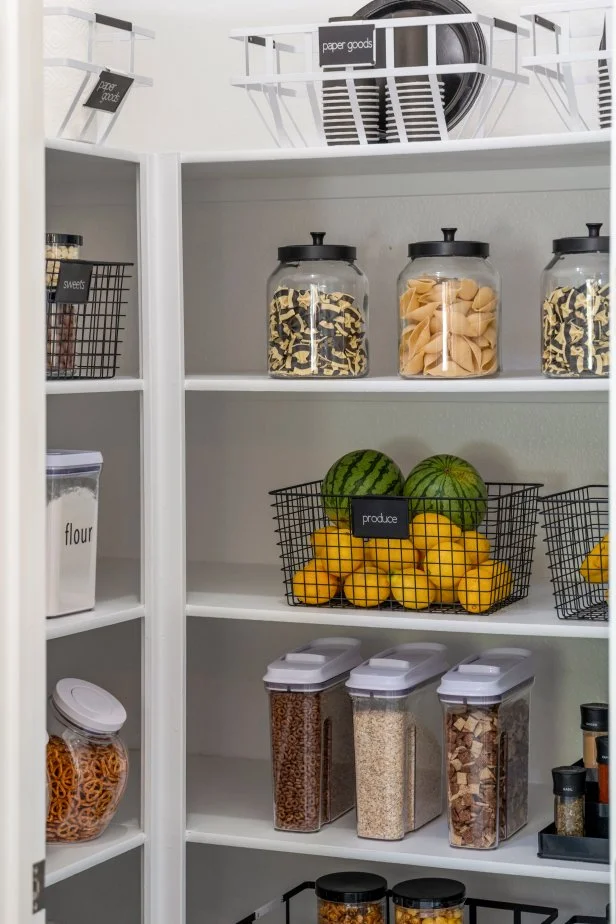
Credit: www.hgtv.com
Frequently Asked Questions
What Are The 7 Pantry Zones?
The 7 pantry zones are: 1. Baking goods, 2. Canned goods, 3. Dry goods, 4. Snacks, 5. Spices, 6. Breakfast items, 7. Condiments. Organize items based on these categories for efficient storage and easy access.
In What Order Should A Pantry Be Organized?
Organize your pantry by grouping similar items together. Place frequently used items at eye level. Store heavier items on lower shelves. Arrange products by expiration date, keeping newer ones at the back. Use clear containers for visibility and labeling for easy identification.
Maintain a clean and clutter-free space.
What Should Not Be Stored In A Pantry?
Avoid storing perishable items, fresh produce, dairy products, and meats in a pantry. These need refrigeration to prevent spoilage. Keep oils and vinegars in cool, dark places to maintain their quality. Store canned goods, dry foods, and spices in the pantry instead.
Proper storage ensures food safety and longevity.
How To Organize A Small Pantry With Deep Shelves Diy?
Use clear containers to store items for easy visibility. Stack shelves with bins for categorization. Place frequently used items at the front. Label containers for quick identification. Install shelf risers for maximizing vertical space. Rotate items regularly to ensure freshness and accessibility.
Maintain a tidy and organized space consistently.
Conclusion
Creating your own pantry organizers is easy and fun. You can save money while personalizing your space. Simple materials and creativity make a big difference. Enjoy the process of organizing your kitchen. It helps keep everything neat and easy to find.
Try using jars, baskets, or old containers. Label everything for quick access. This makes cooking stress-free and enjoyable. A tidy pantry also saves time. You know exactly where everything is stored. Start today and transform your kitchen space. Enjoy a neat, well-organized pantry that meets your needs.

I’m Abby Lu, a passionate home cook who loves simplifying everyday meals. At PlugChef.com, I share product reviews and cooking guides to help you find the best tools for your kitchen.
Related posts:
 What Type of Cooking Utensils are Safe: Expert Picks
 What Innovations Could Blenders Make: Unleashing Future Tech
 Smart Strategies to Organize a Small Kitchen: Maximize Space
 How to Organize a Kitchen Cabinet: Expert Tips & Tricks
 How to Organize Kitchen Drawers: Expert Tips and Tricks
 How to Organize a Corner Kitchen Cupboard: Expert Tips

