
Have you ever wondered if cooked mushrooms freeze well? If you love adding mushrooms to your meals but often find yourself with leftovers, knowing how to store them properly can save you time and reduce waste.
Freezing cooked mushrooms might seem tricky, but with the right tips, you can keep their flavor and texture intact. You’ll discover simple ways to freeze your cooked mushrooms so they taste just as good when you thaw them. Keep reading to unlock the secrets to preserving your mushrooms perfectly!
Freezing Cooked Mushrooms
Freezing cooked mushrooms is a smart way to save time and reduce food waste. But not all mushrooms freeze the same, and how you cook them before freezing makes a big difference. Understanding the best types and cooking methods helps keep their taste and texture just right.
Best Mushroom Types For Freezing
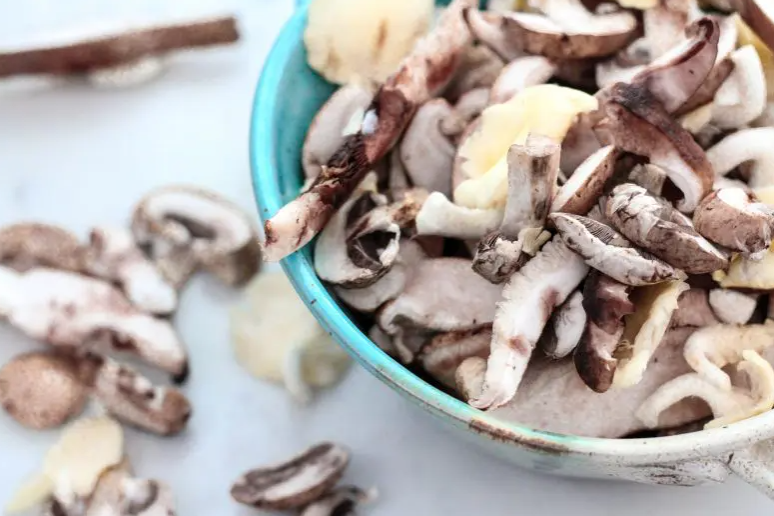
Some mushrooms handle freezing better than others. Button mushrooms, cremini, and portobello are great choices because they hold their shape well after freezing. On the other hand, delicate varieties like enoki or chanterelles might become mushy when thawed.
If you want mushrooms that stay firm and flavorful, stick to the common types you find in most grocery stores. These are easy to prepare and freeze without losing quality.
How Cooking Affects Freezing
Cooking mushrooms before freezing changes their texture and moisture content. Mushrooms release a lot of water when cooked, so it’s important to cook them properly to avoid soggy results after thawing. Overcooking can make them rubbery, while undercooking might leave them too soft once frozen.
Think about how you’ll use the mushrooms later. Will they go into soups, sauces, or stir-fries? Cooking them just enough to reduce moisture but keep some bite usually works best for freezing.
Ideal Cooking Methods Before Freezing
Sautéing mushrooms is the most effective way to prepare them for freezing. Use a hot pan with a little oil or butter and cook them until they release their juices and then most of it evaporates. This concentrates their flavor and reduces water content.
Steaming or boiling mushrooms before freezing is less ideal since it adds extra moisture. Roasting can work but might take longer and require more attention to avoid burning. Sautéed mushrooms freeze better and reheat nicely in most dishes.
Have you tried freezing mushrooms using these methods? Noticing the difference in texture and flavor can change how you plan your meals and save ingredients for later.
Preparation Before Freezing
Preparing cooked mushrooms before freezing improves their taste and texture. Proper steps help keep mushrooms fresh and easy to use later. Follow simple tips to get the best results.
Cleaning And Slicing Tips
Clean mushrooms gently with a damp cloth or paper towel. Avoid soaking them in water to prevent sogginess. Slice mushrooms evenly for uniform cooking and freezing. Smaller pieces freeze and thaw better.
Portioning For Easy Use
Divide mushrooms into portions based on future meal sizes. Use small airtight containers or freezer bags for each portion. Label packages with the date to track freshness. This saves time during meal prep.
Avoiding Excess Moisture
Dry mushrooms thoroughly after cooking to reduce ice crystals. Pat them with paper towels to remove surface moisture. Excess water causes freezer burn and affects flavor. Proper drying maintains mushroom quality.
Freezing Techniques
Cooked mushrooms freeze well if cooled properly before storing. Freezing helps keep their texture and flavor for later use. Avoid freezing them while hot to prevent sogginess.
Freezing cooked mushrooms can preserve their flavor and texture for future use. Proper techniques ensure mushrooms remain tasty and safe to eat. Let’s explore effective freezing methods.Using Airtight Containers
Store cooked mushrooms in airtight containers. This method helps maintain their freshness. Choose containers that fit the portion size. Small portions defrost faster and prevent waste. Ensure lids are tight to avoid air exposure.Vacuum Sealing Benefits
Vacuum sealing is an excellent choice for freezing mushrooms. It removes air, preventing freezer burn. This method extends the shelf life. Mushrooms retain their original taste and texture. Use a vacuum sealer for best results.Labeling And Dating
Always label and date the containers. Write the freezing date on each container. This practice helps track storage time. Use clear, easy-to-read labels. Consuming mushrooms within six months is ideal. Proper labeling ensures food safety and quality.
Credit: funwithfungiorg.wordpress.com
Thawing And Using Frozen Mushrooms
Thawing and using frozen mushrooms properly can make a big difference in your cooking experience. Knowing how to handle frozen mushrooms ensures they maintain as much flavor and texture as possible. Let’s look at the best ways to thaw and cook with them, and what changes you might notice.
Safe Thawing Methods
Thaw mushrooms slowly in the refrigerator to keep them safe and fresh. This takes a few hours but helps prevent bacteria growth. If you’re in a hurry, you can thaw them in a sealed bag under cold running water for a quicker option.
Avoid thawing mushrooms at room temperature, as this encourages spoilage. Also, try not to refreeze mushrooms after thawing, since this will harm their texture and taste. Handle them gently during thawing to keep them intact.
Cooking With Frozen Mushrooms
You don’t always need to fully thaw mushrooms before cooking. Toss frozen mushrooms directly into hot pans for sautéing or stews. This method locks in moisture and flavor, saving time without compromising quality.
If you prefer thawed mushrooms, drain any excess water before cooking. Mushrooms release liquid as they thaw, which can make dishes watery if not managed. Try roasting or frying to bring out the best taste and texture.
Texture And Flavor Changes
Frozen mushrooms usually become softer once thawed, losing some of their original firmness. This can affect dishes where mushroom texture is key, like salads or stir-fries. But in soups, sauces, or casseroles, this change is barely noticeable.
The flavor might be slightly milder after freezing, but it still holds up well in cooked dishes. Adding herbs, spices, or a splash of lemon juice can boost the taste. Have you noticed any surprising ways frozen mushrooms improved your meals?
Common Mistakes To Avoid
Avoiding common mistakes can make a huge difference when freezing cooked mushrooms. Many people think freezing is simple, but small errors can ruin texture and flavor. Knowing what to skip helps keep your mushrooms tasting fresh and delicious.
Freezing Raw Mushrooms
Freezing raw mushrooms often leads to a mushy texture after thawing. Mushrooms hold a lot of water, which turns icy and damages cell walls if frozen raw. Cooking them first helps preserve their shape and flavor.
If you freeze raw mushrooms, expect a watery mess when thawed. Instead, sauté or roast them lightly before freezing to maintain their bite and taste.
Overcooking Before Freezing
It’s tempting to cook mushrooms thoroughly before freezing, but overcooking dries them out. Mushrooms continue to soften when reheated, so slightly undercooking them keeps texture intact.
I once froze mushrooms that were mushy after reheating—they were overcooked initially. To avoid this, stop cooking when they’re just tender, not falling apart.
Ignoring Freezer Burn
Freezer burn is a silent flavor killer that many overlook. It happens when mushrooms aren’t sealed properly, drying out and developing off-flavors. Always use airtight containers or vacuum-seal bags to protect your mushrooms.
Have you noticed your frozen mushrooms tasting off or shriveled? That’s freezer burn at work. Prevent it by removing as much air as possible before freezing.

Credit: www.out-grow.com
Storage Duration And Quality
Understanding how long cooked mushrooms can be stored in the freezer without losing their quality is essential for anyone who loves meal prepping or hates food waste. Freezing extends the shelf life, but it doesn’t preserve mushrooms indefinitely. Knowing the right storage duration and signs of spoilage helps you enjoy mushrooms safely and deliciously.
Optimal Freezing Time
Cooked mushrooms freeze best for up to 3 months. Beyond this, their texture and flavor start to decline noticeably. If you freeze them too long, you might find them mushy or bland when reheated.
Label your containers with the freezing date. This small step can save you from guessing and help you use them while they’re at their best. Have you ever found forgotten frozen mushrooms that turned into a disappointing side dish? Avoid that by sticking to this timeframe.
Signs Of Spoilage
Even in the freezer, cooked mushrooms can go bad. Watch for icy crystals inside the container—excess frost can mean freezer burn, which ruins flavor and texture.
When thawed, check for an off smell or slimy feel. These are clear signs you should toss them. Don’t risk your health or ruin your meal by ignoring these signs.
Maintaining Freshness
To keep your cooked mushrooms fresh, store them in airtight containers or heavy-duty freezer bags. Removing as much air as possible prevents freezer burn and preserves taste.
Cool mushrooms completely before freezing to avoid condensation, which promotes ice crystal formation. Have you tried flash freezing? Spread them out on a tray before packing to keep pieces separate and easy to portion later.
Credit: medium.com
Frequently Asked Questions
Can Cooked Mushrooms Be Frozen For Later Use?
Yes, cooked mushrooms freeze well. Freeze them in airtight containers or freezer bags to maintain freshness and texture.
How Long Do Cooked Mushrooms Last In The Freezer?
Cooked mushrooms stay good for 10 to 12 months in the freezer when properly stored.
Do Frozen Cooked Mushrooms Lose Texture Or Flavor?
Freezing may slightly change texture, making mushrooms softer, but flavor remains mostly intact after thawing.
Should I Cool Cooked Mushrooms Before Freezing?
Always cool cooked mushrooms to room temperature before freezing to prevent ice crystals and spoilage.
Conclusion
Cooked mushrooms freeze well when stored properly. They keep their flavor and texture if cooled first. Use airtight containers or freezer bags to avoid freezer burn. Thaw them slowly in the fridge for best results. Avoid refreezing to keep quality intact.
Frozen cooked mushrooms save time and reduce waste. A simple way to enjoy mushrooms anytime you want. Easy, convenient, and tasty—freezing works great.

I’m Abby Lu, a passionate home cook who loves simplifying everyday meals. At PlugChef.com, I share product reviews and cooking guides to help you find the best tools for your kitchen.
Related posts:
 What Type of Cooking Utensils are Safe: Expert Picks
 What Innovations Could Blenders Make: Unleashing Future Tech
 Smart Strategies to Organize a Small Kitchen: Maximize Space
 How to Organize a Kitchen Cabinet: Expert Tips & Tricks
 How to Organize Kitchen Drawers: Expert Tips and Tricks
 How to Organize a Corner Kitchen Cupboard: Expert Tips