

Are tiny gnats buzzing around your home, driving you crazy? You’re not alone.
These small pests can be hard to catch, but there’s a simple solution you can make yourself. A DIY vinegar trap is an easy and effective way to get rid of gnats fast. In this post, you’ll learn exactly how to create your own trap using ingredients you probably already have.
Keep reading, and say goodbye to those annoying gnats for good!
Why Gnats Are A Problem
Gnats are small flying insects that often invade homes, causing annoyance and discomfort. Their presence can turn peaceful living spaces into irritating environments. Understanding why gnats are a problem helps in controlling and preventing them effectively.
Common Gnats In Homes
Several types of gnats commonly appear indoors. Fungus gnats thrive in moist soil of houseplants. Fruit flies gather around ripe or rotting fruits. Drain flies breed in sink drains and damp areas. These tiny insects multiply quickly, making infestations hard to control.
Health And Hygiene Concerns
Gnats can carry bacteria and pathogens on their bodies. They may contaminate food and kitchen surfaces. Their bites cause itching and irritation for some people. In large numbers, gnats reduce comfort and hygiene in homes. Keeping homes clean and dry helps reduce gnat problems.
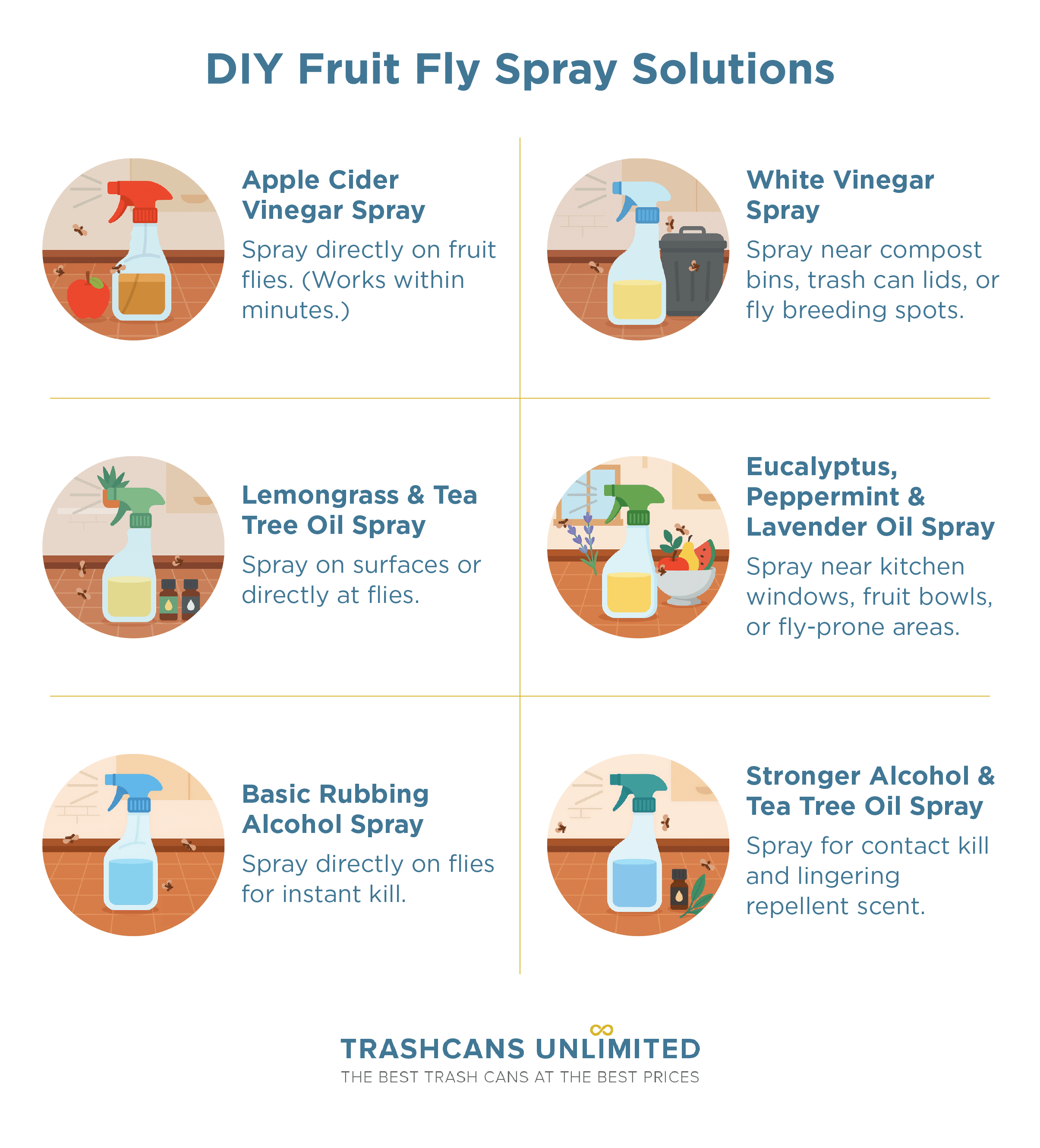
Credit: trashcansunlimited.com
How Vinegar Traps Work
Vinegar traps use simple science to catch gnats effectively. These tiny insects are drawn to the smell of vinegar. Once they approach, the trap captures them, reducing their numbers in your home. Understanding how vinegar traps work helps in making them more effective and keeping gnats away.
Attracting Gnats With Vinegar
Gnats are attracted to the scent of vinegar because it smells like fermenting fruit. The strong smell lures them from a distance. Apple cider vinegar works best due to its fruity aroma. Adding a drop of dish soap breaks the surface tension. This makes the vinegar more appealing and easier for gnats to enter.
Trapping Mechanism Explained
The trap works by using a container filled with vinegar. Gnats fly toward the vinegar and land on its surface. The dish soap causes the liquid to break, making it hard for gnats to stand. They sink and drown in the vinegar. This simple mechanism traps many gnats at once without chemicals.
Materials Needed For Diy Vinegar Trap
A few basic items create an effective vinegar trap for gnats. Common materials include apple cider vinegar, a small container, and plastic wrap. A toothpick or fork helps cover the container with holes for trapping.
Creating a DIY vinegar trap for gnats is a simple and effective way to tackle these pesky invaders. Before you start, gathering the right materials is crucial for success. You’ll be surprised at how easy it is to find everything you need right at home. Let’s dive into the essentials.Essential Ingredients
To attract gnats effectively, you need the right bait. Apple cider vinegar is your primary ingredient. Its sweet aroma is irresistible to gnats, drawing them in from across the room. You’ll also need a few drops of dish soap. This breaks the surface tension of the vinegar, ensuring that gnats can’t escape once they land. Lastly, a bit of water helps to dilute the vinegar slightly, making it more appealing. Mixing these ingredients is quick and requires no special skills. It’s amazing how everyday kitchen items can become a powerful pest solution.Tools And Containers
Now that you have your ingredients, you’ll need a few tools and containers. Start with a small bowl or jar. This serves as the trap itself. Choose something shallow for easy access by the gnats. A simple plastic wrap will act as a cover, preventing gnats from flying away. Secure it with a rubber band to keep it tightly in place. Poking small holes in the wrap provides entry points for the gnats. Don’t forget a toothpick or fork to create those holes. The size matters—big enough for gnats to get in, but not too big that they can easily fly out. With everything in place, you’re ready to set your trap and reclaim your space from these tiny nuisances. Have you ever tried using household items for pest control? It’s a rewarding experience when you see it work. This simple trap could be the start of your DIY pest control journey.
Credit: creatingmaryshome.com
Step-by-step Trap Setup
Setting up a DIY vinegar trap for gnats is simple and effective. The trap uses a vinegar solution that attracts gnats and traps them inside. Follow these steps carefully to create a working trap that reduces gnat populations around your home.
Preparing The Vinegar Solution
Start by choosing the right vinegar. Apple cider vinegar works best because of its strong smell. Pour about half a cup of apple cider vinegar into a small bowl or jar.
Add a drop of dish soap. This breaks the surface tension of the vinegar. It makes gnats sink and prevents their escape.
Assembling The Trap
Use a clear container, like a jar or a cup. Fill it with the vinegar solution. Cover the top with plastic wrap tightly.
Make small holes in the plastic wrap using a toothpick or fork. The holes let gnats enter but make it hard to leave.
Placement Tips For Best Results
- Place the trap near gnat-infested areas, such as fruit bowls or plants.
- Keep the trap away from strong air currents to maintain the scent.
- Check and replace the solution every few days for continuous effectiveness.
- Use multiple traps if you have a large gnat problem.
Optimizing Trap Effectiveness
Getting your vinegar trap to work at its best is all about smart tweaks and regular care. Small changes can make a big difference in how many gnats you catch. Let’s look at some practical ways to boost your trap’s power and keep it running smoothly.
Using Additives To Attract More Gnats
Adding a little something extra to your vinegar can make gnats find your trap irresistible. Sugar or fruit juice mixed with apple cider vinegar often works well. These ingredients mimic the sweet smells gnats love, drawing them in faster.
You can also try a drop of dish soap. It breaks the surface tension, so gnats sink and can’t escape once they land. Have you noticed how your trap catches more gnats after adding soap? It’s a simple trick that really helps.
Maintaining And Cleaning The Trap
Regular cleaning keeps your trap effective and ready to catch more gnats. Old, smelly vinegar loses its appeal over time, so replace the liquid every few days. This refresh keeps the scent strong and inviting.
Don’t forget to wash the container before refilling. Rinsing away dead gnats and sticky residue stops mold and bacteria from building up. Have you ever left a trap too long and noticed it stopped working well? Cleaning prevents that problem and keeps your trap in top shape.

Credit: moxieservices.com
Alternative Natural Pest Control Methods
Natural pest control offers you a safe and eco-friendly way to handle gnat problems without harsh chemicals. These alternatives often use simple household items, making them accessible and easy to try. Have you ever thought about how many pests could be controlled with just a few ingredients from your kitchen?
Other Homemade Traps
Besides the classic vinegar trap, you can create effective gnat traps using items you already have. Try a bowl with a mix of dish soap and water—gnats get trapped by the soap’s surface tension and can’t escape.
Another option is using ripe fruit covered loosely with plastic wrap. Poke a few holes in the wrap to let gnats in, but not out. This method works well because gnats are attracted to the sweet smell of the fruit.
- Wine trap:Leave a small amount of red wine in a container; gnats are drawn to the smell and will drown.
- Sticky traps:Use yellow sticky notes or tape near infested areas to catch flying gnats.
Preventive Measures To Avoid Infestations
Stopping gnats before they start is often easier than getting rid of them. One simple step is to avoid overwatering your plants, since moist soil is a perfect breeding ground for gnats.
Cleanliness plays a huge role too. Make sure to clear out food scraps, empty trash regularly, and keep kitchen surfaces dry. You might be surprised how much this reduces gnat attraction.
- Store fruits and vegetables properly, especially overripe ones.
- Fix leaky pipes or faucets to eliminate excess moisture.
- Use well-draining soil for your indoor plants and let soil dry between waterings.
What small change in your daily routine could make the biggest difference in keeping gnats away?
Frequently Asked Questions
How Does A Diy Vinegar Trap Work For Gnats?
A DIY vinegar trap attracts gnats using vinegar’s scent. Gnats fly into the trap and get trapped by the liquid. This method effectively reduces gnat populations indoors without harmful chemicals.
What Type Of Vinegar Is Best For Gnat Traps?
Apple cider vinegar is the most effective for gnat traps. Its fruity smell attracts gnats more than other vinegars. Using it increases the trap’s success in capturing gnats quickly.
How Do I Make A Vinegar Trap For Gnats?
Fill a small container with apple cider vinegar. Add a few drops of dish soap to break surface tension. Cover with plastic wrap and poke holes for gnats to enter.
Where Should I Place The Vinegar Trap?
Place the trap near gnat-infested areas like kitchen counters or houseplants. Ensure it’s in a spot gnats frequent for maximum effectiveness. Avoid windy places to keep the trap stable.
Conclusion
DIY vinegar traps catch gnats fast and keep homes pest-free. They use simple ingredients found in most kitchens. Setting traps takes only minutes but gives lasting results. Place traps near plants or fruit bowls to stop gnats. This method works without harmful chemicals or sprays.
Try it today and enjoy a cleaner, gnat-free space. Small effort, big difference. Easy, safe, and effective. Why not give it a shot?

Hi, I’m Daniel Brooks—a food lover and kitchen gear enthusiast. I enjoy testing cookware, utensils, and gadgets to see what really works in everyday cooking. At PlugChef.com, I share honest reviews, comparisons, and simple guides to help you choose the best tools for a safer, smarter, and more enjoyable kitchen.
Related posts:
 What Type of Cooking Utensils are Safe: Expert Picks
 What Innovations Could Blenders Make: Unleashing Future Tech
 Smart Strategies to Organize a Small Kitchen: Maximize Space
 How to Organize a Kitchen Cabinet: Expert Tips & Tricks
 How to Organize Kitchen Drawers: Expert Tips and Tricks
 How to Organize a Corner Kitchen Cupboard: Expert Tips

