
Have you ever wondered what to do with an old or used fire extinguisher? You can’t just toss it in the trash, but disposing of it safely might seem confusing.
If you don’t handle it the right way, you could put yourself and others at risk. You’ll discover simple, clear steps to dispose of your fire extinguisher safely and responsibly. Keep reading to make sure you protect your home, the environment, and your peace of mind.

Credit: coloradosafetysupply.com
Fire Extinguisher Types
Knowing the types of fire extinguishers you have is essential before disposing of them safely. Each extinguisher is designed to fight specific kinds of fires, and this affects how you should handle and discard it. Understanding these differences helps you avoid hazards and ensures proper disposal.
Identifying Different Classes
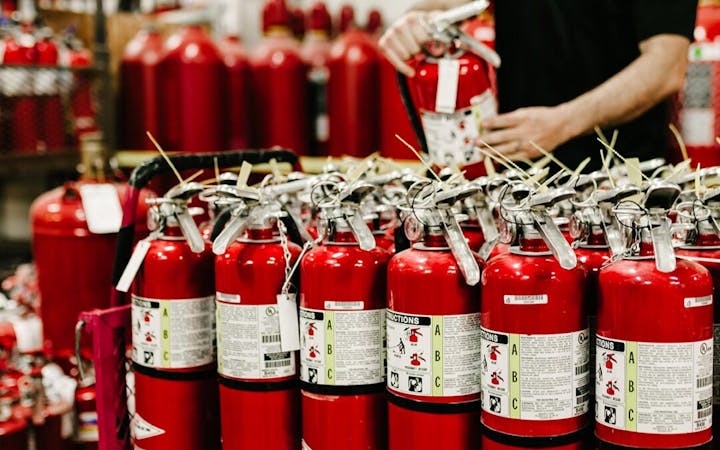
Fire extinguishers come in several classes, each marked clearly on the label. Class A extinguishers target ordinary combustibles like wood and paper. Class B covers flammable liquids such as gasoline and oil.
Class C extinguishers are for electrical fires, while Class D handles combustible metals like magnesium. There is also Class K, made specifically for kitchen fires involving cooking oils and fats. Checking the label on your extinguisher tells you which type it is and what fires it can safely put out.
Recognizing Expired Units
Fire extinguishers don’t last forever. Most have a lifespan of 5 to 15 years, depending on the model and usage. You can usually find the manufacturing date or expiration date stamped on the cylinder or label.
If your extinguisher is expired, it may not function properly, and keeping it can be risky. Look for signs like a damaged pressure gauge, rust, or leakage. If you spot any of these, it’s time to replace or dispose of the unit responsibly.
Credit: www.camasvalleyfire.org
Safety Precautions
Disposing of a fire extinguisher isn’t just about tossing it out. Safety precautions are crucial to protect yourself and others from potential harm. Understanding how to handle these devices properly prevents accidents and ensures the environment stays safe.
Handling With Care
Fire extinguishers contain pressurized chemicals that can be hazardous if released suddenly. Always keep the extinguisher upright and avoid shaking or dropping it. If you notice any damage or corrosion, don’t attempt to handle it alone—contact professionals immediately.
Have you ever thought about what could happen if the extinguisher accidentally discharges during disposal? Such incidents can cause injury or damage. Take your time and stay calm while moving or storing the extinguisher before disposal.
Protective Gear Requirements
Protecting yourself starts with wearing the right gear. Gloves and safety glasses shield your hands and eyes from accidental sprays or chemical exposure. If you’re dealing with a pressurized or damaged extinguisher, a mask can prevent inhalation of harmful particles.
Many underestimate the importance of protective gear until they face unexpected spills or sprays. Your safety gear acts as a first line of defense—never skip it, even for a quick disposal task. Keeping basic protection nearby is a simple habit that can save you from injury.
Eco-friendly Disposal Options
Disposing of a fire extinguisher responsibly matters more than you might think. Choosing eco-friendly disposal options not only protects the environment but also ensures safety for everyone around. You might be surprised how many ways exist to recycle or safely discard your old extinguisher without causing harm.
Recycling Programs
Many communities offer recycling programs specifically for fire extinguishers. These programs safely remove hazardous chemicals and recycle metal parts, reducing landfill waste.
You can often find local fire departments or hardware stores partnering with these programs. Checking their websites or calling ahead can save you time and ensure your extinguisher is handled correctly.
Have you ever wondered what happens to the metal from old extinguishers? Recycling programs melt it down to create new products, closing the loop on waste.
Local Disposal Facilities
Local disposal facilities or hazardous waste centers accept fire extinguishers for safe disposal. These places follow strict guidelines to prevent chemicals from leaking into the environment.
Before heading to a facility, make sure to verify their hours and any fees involved. Some areas require appointments, so planning ahead helps avoid surprises.
Throwing your extinguisher in the regular trash might seem easier, but it poses risks to sanitation workers and nature. Would you rather take a few extra steps to keep your community safe?
Donation Opportunities
Finding a new home for your old or unused fire extinguisher can benefit others and support safety efforts in your community. Donation opportunities offer a practical way to dispose of these devices while helping organizations that rely on them. Before you toss out your extinguisher, consider how your contribution might serve a greater purpose.
Fire Department Donations
Many local fire departments accept fire extinguisher donations, especially if the units are still in good condition. These donations can be used for training exercises or as backup equipment.
Contact your nearby fire station to learn their specific guidelines. Some departments may require that the extinguisher is fully charged and inspected, while others might accept expired or partially used units for practice.
Have you ever visited a fire station and wondered where their training tools come from? Your donated extinguisher could be part of that essential preparation.
Community Safety Initiatives
Community centers and safety programs often look for fire extinguishers to equip public spaces or educate residents on fire safety. Donating your extinguisher here supports awareness and preparedness efforts in your neighborhood.
These initiatives sometimes organize workshops where donated extinguishers help demonstrate proper usage. This hands-on learning can save lives by empowering more people to act confidently in emergencies.
Consider reaching out to community organizations or safety groups in your area. Your donation could directly improve local safety education and readiness.
Diy Disposal Methods
Disposing of a fire extinguisher at home requires caution and care. DIY disposal methods help manage this task safely and responsibly. These methods ensure the extinguisher is empty and broken down correctly. They also offer ideas on reusing parts to reduce waste.
Discharging And Dismantling
Start by fully discharging the fire extinguisher outdoors. Use a safe, open area away from people and animals. Hold the extinguisher upright and press the lever until no powder or gas remains. This step removes all pressure inside.
Next, remove the metal parts carefully. Unscrew the nozzle and handle with a wrench or pliers. Separate the cylinder from other components. Empty any leftover powder into a trash bag. Wear gloves and a mask to avoid inhaling dust.
After dismantling, clean the parts with water and let them dry. The extinguisher is now safe to recycle or dispose of following local rules.
Repurposing Parts
Fire extinguisher parts can find new life in creative ways. The metal cylinder can serve as a unique vase or container. Paint it with rust-proof paint for a fresh look. The nozzle and handle may become useful tools in DIY projects.
Some people turn empty cylinders into decorative lamps or garden art. The powder inside can sometimes be used as a cleaning abrasive. Always verify safety before repurposing any material.
Repurposing parts reduces waste and gives old extinguishers a new purpose. It saves money and adds a personal touch to home decor.
Legal And Environmental Considerations
Disposing of a fire extinguisher involves more than just tossing it in the trash. You must consider both legal rules and the environmental impact. Ignoring these factors can lead to fines or harm the planet, so understanding your responsibilities is key.
State Regulations
Each state has its own laws about disposing of fire extinguishers. Some states require you to take expired or used extinguishers to specific recycling centers or hazardous waste facilities.
For example, California mandates that fire extinguishers be handled as hazardous waste unless fully discharged and punctured. Meanwhile, Texas allows disposal at designated collection events but encourages recycling.
Have you checked your local rules lately? They often change, so it’s smart to visit your state’s environmental agency website or call local waste management services for clear guidance.
Environmental Impact
Fire extinguishers contain chemicals and pressurized gases that can harm the environment if not handled properly. Throwing them in regular trash can lead to leaks or explosions, contaminating soil and water.
Many extinguishers have materials like dry chemicals or halons that are toxic and contribute to air pollution. Proper disposal ensures these substances don’t escape into the environment.
Think about the last time you discarded something hazardous. Did you consider where it ended up? By responsibly disposing of your extinguisher, you protect your community and nature from unnecessary damage.

Credit: www.linkedin.com
Frequently Asked Questions
How To Safely Dispose Of An Old Fire Extinguisher?
To safely dispose of an old fire extinguisher, first check if it is empty. Release any remaining pressure outside. Then, take it to a local hazardous waste facility or fire department for proper disposal. Never throw it in regular trash to avoid safety risks.
Can I Recycle A Fire Extinguisher?
Yes, many fire extinguishers can be recycled. Remove all pressure and discharge contents safely first. Then, bring the metal parts to a scrap metal recycling center. Always confirm with local recycling programs for specific guidelines on fire extinguisher recycling.
Where To Find Fire Extinguisher Disposal Locations?
Check with your local fire department, hazardous waste centers, or recycling facilities. Many communities offer special collection events for hazardous materials. You can also look online for authorized disposal sites near you to ensure safe and legal fire extinguisher disposal.
What Happens If I Throw A Fire Extinguisher In The Trash?
Throwing a fire extinguisher in the trash is dangerous and illegal in many areas. It can explode or leak harmful chemicals. It also poses risks to sanitation workers. Proper disposal methods must be followed to ensure safety and environmental protection.
Conclusion
Disposing of a fire extinguisher safely protects the environment and people. Always check local rules before throwing it away. Empty or used extinguishers often need special handling. Many places offer drop-off points or recycling programs. Never throw a full extinguisher in regular trash.
Taking these steps keeps your home and community safe. Remember, careful disposal helps prevent accidents and pollution. Handle old fire extinguishers with care and responsibility. Stay safe and follow the right disposal process every time.

Hi, I’m Daniel Brooks—a food lover and kitchen gear enthusiast. I enjoy testing cookware, utensils, and gadgets to see what really works in everyday cooking. At PlugChef.com, I share honest reviews, comparisons, and simple guides to help you choose the best tools for a safer, smarter, and more enjoyable kitchen.
Related posts:
 What Type of Cooking Utensils are Safe: Expert Picks
 What Innovations Could Blenders Make: Unleashing Future Tech
 Smart Strategies to Organize a Small Kitchen: Maximize Space
 How to Organize a Kitchen Cabinet: Expert Tips & Tricks
 How to Organize Kitchen Drawers: Expert Tips and Tricks
 How to Organize a Corner Kitchen Cupboard: Expert Tips