

Are you ready to discover the secret to making the perfect dill pickles with dill seed? Whether you’re a kitchen newbie or a seasoned pro, this simple twist can take your pickles from ordinary to unforgettable.
Imagine biting into a crunchy, tangy pickle bursting with fresh, herbal flavor that only real dill seed can bring. You’ll learn easy steps and insider tips that make your homemade pickles stand out every time. Get ready to impress your family and friends with pickles that taste like they came from a gourmet deli—right from your own kitchen!
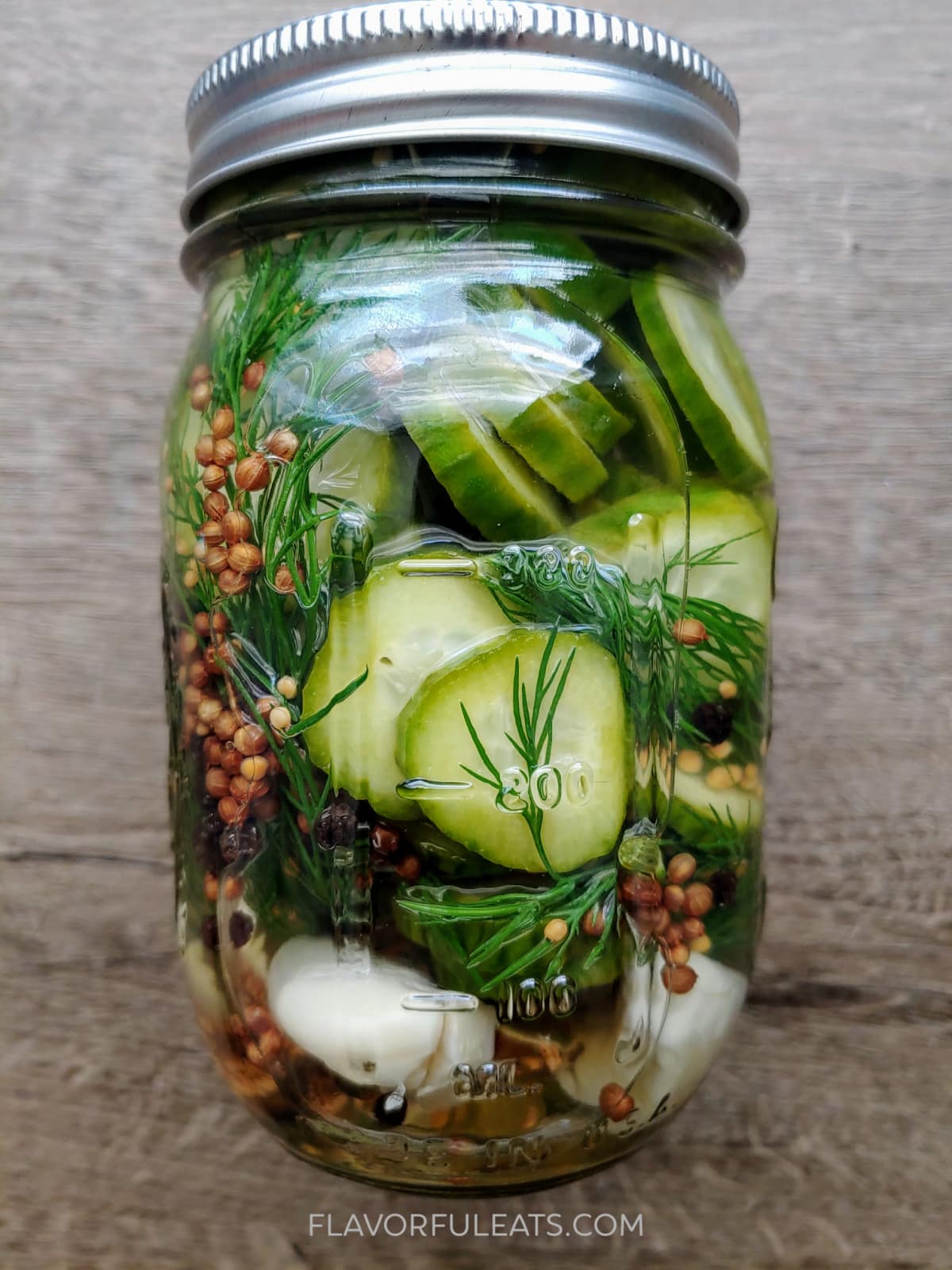
Credit: flavorfuleats.com
Choosing Fresh Cucumbers
Choosing fresh cucumbers is the first step in making delicious dill pickles with dill seed. The quality of cucumbers affects the texture and flavor of the pickles. Fresh cucumbers should be firm, crisp, and free from blemishes or soft spots. Picking the right cucumbers ensures your pickles have the perfect crunch and taste.
Best Varieties For Pickling
Pickling cucumbers are smaller and have fewer seeds than slicing cucumbers. Popular varieties include:
- Kirby cucumbers – firm and crunchy
- Boston Pickling cucumbers – classic choice for pickles
- National Pickling cucumbers – tender skin and crisp texture
These varieties stay crisp during pickling and absorb flavors well. Avoid large cucumbers with thick skins.
How To Select Crisp Cucumbers
Choose cucumbers that feel heavy for their size. Look for bright, dark green skin without yellow spots. The skin should be smooth or slightly bumpy but not wrinkled. Avoid cucumbers with soft spots or cracks. Gently squeeze the cucumber; it should be firm and not bend easily. Fresh cucumbers snap easily when broken. This means they are crisp and perfect for pickling.
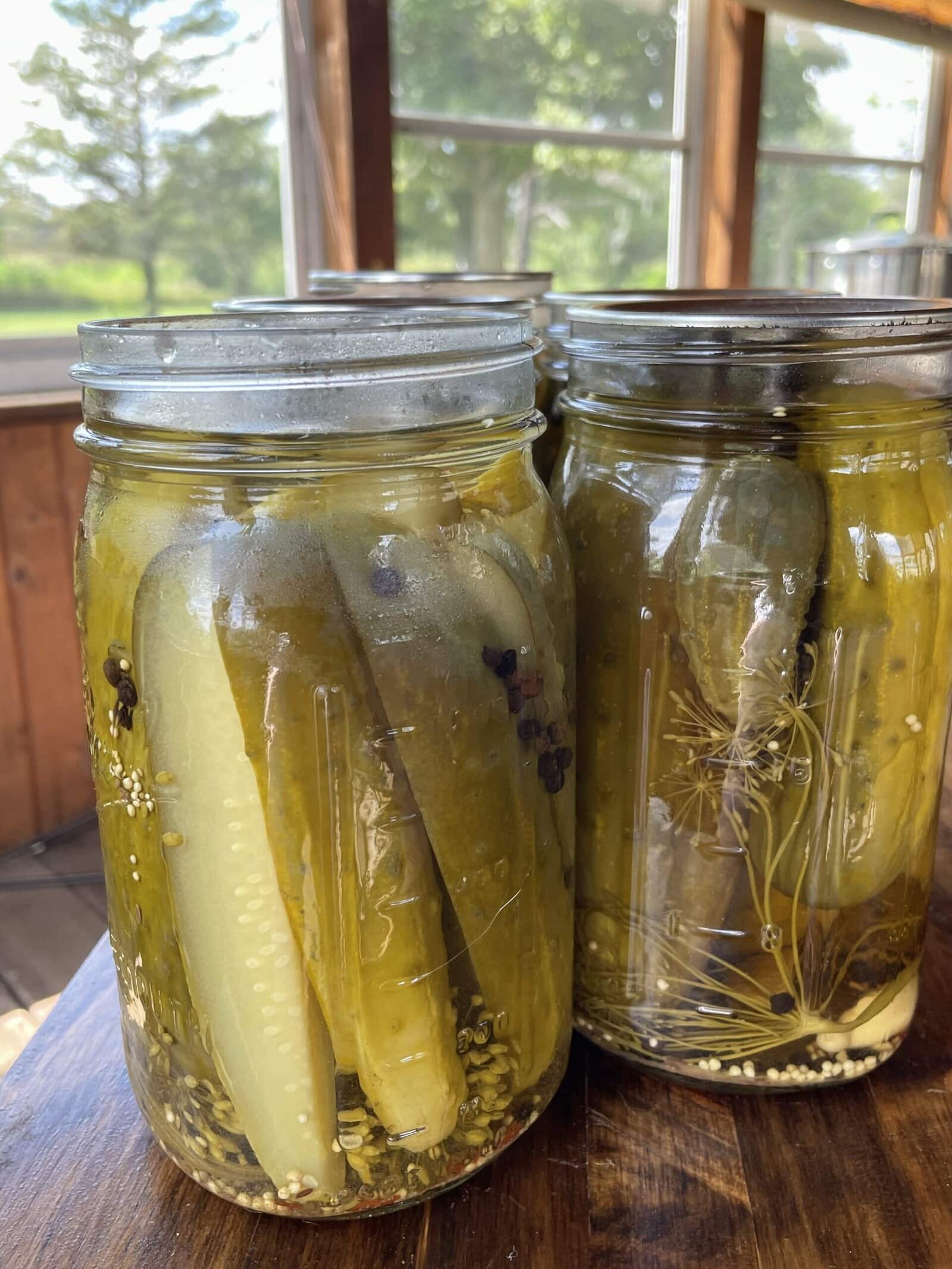
Credit: homelyhens.com
Essential Ingredients
Dill pickles with dill seed owe their unique flavor to a few essential ingredients. Each ingredient plays a specific role in creating the perfect balance of taste and texture. Understanding these components helps in making delicious, crunchy pickles that everyone loves.
Role Of Dill Seed
Dill seed adds a warm, slightly bitter flavor to the pickles. It enhances the natural taste of cucumbers with a hint of earthiness. The seeds also contribute to the aroma, making the pickles smell fresh and inviting. Beyond flavor, dill seed supports the fermentation process, helping the pickles develop a complex taste. Its presence is crucial for that classic dill pickle experience.
Other Key Components
- Cucumbers:Fresh, firm cucumbers form the base of the pickles. Their crunchiness is vital for texture.
- Vinegar:Provides acidity that preserves the pickles and adds tanginess.
- Salt:Enhances flavor and helps draw out moisture from cucumbers.
- Garlic:Adds a subtle spicy note and depth to the flavor.
- Water:Used to dilute vinegar and create the pickling brine.
Preparing The Brine
Mix water, vinegar, salt, and dill seeds in a pot. Heat gently until salt dissolves completely. Let the brine cool before pouring over cucumbers.
Preparing the brine is crucial for perfect dill pickles with dill seed. The brine gives pickles their flavor and preserves them. Let’s explore how to create a flavorful brine.Balancing Vinegar And Water
Vinegar and water form the brine’s base. Use equal parts for a balanced taste. White vinegar is common for its clean flavor. This mixture ensures the pickles remain crisp. Adjust the vinegar if you prefer a tangier flavor.Adding Salt And Spices
Salt is vital for preservation and taste. Use pickling salt to avoid cloudiness. It dissolves easily and enhances flavor. Add dill seeds for a classic dill taste. Combine with garlic and mustard seeds for extra depth. Remember, spices should complement, not overpower the cucumbers. Adjust to taste for the perfect blend.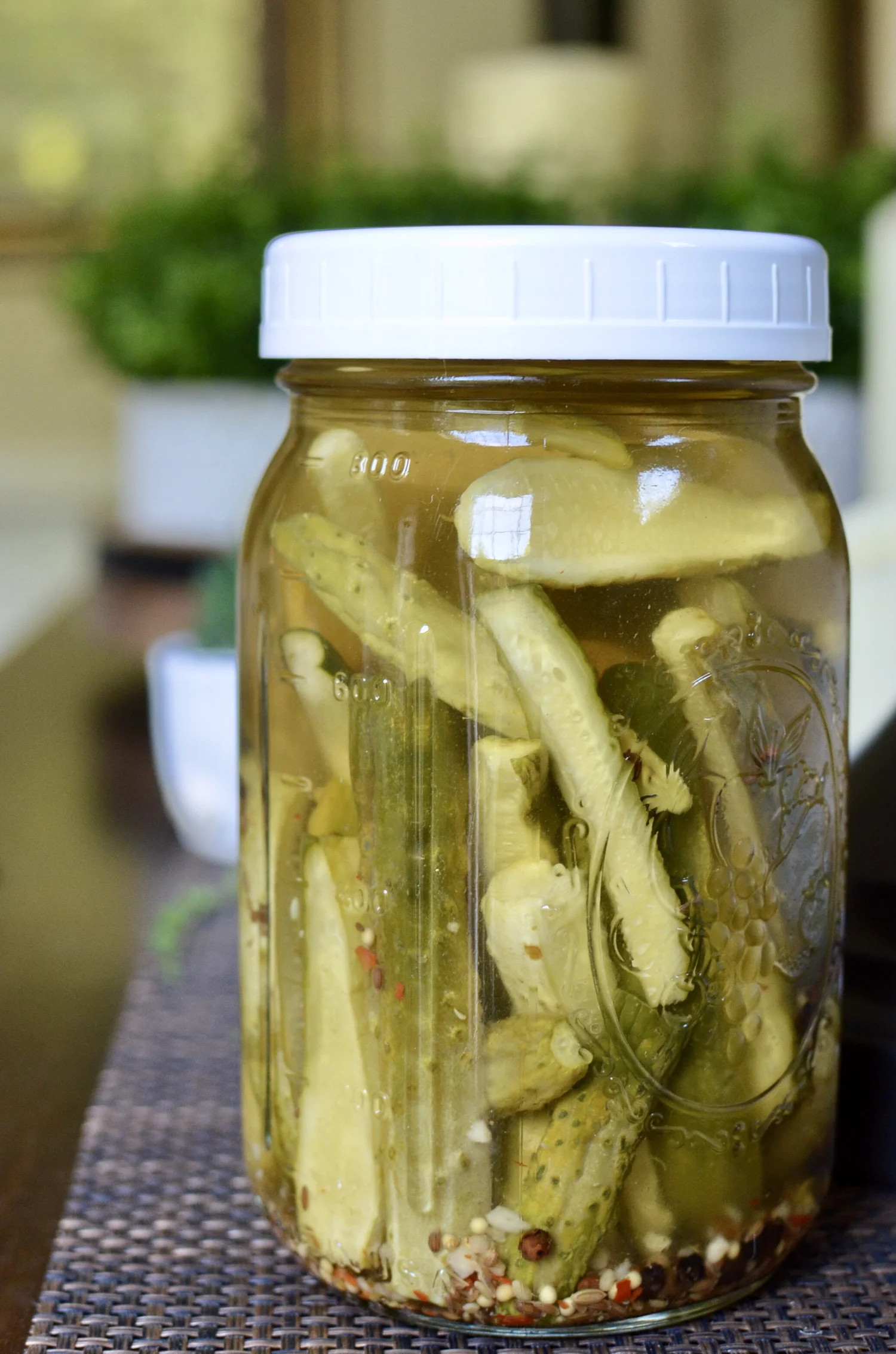
Credit: www.butteryum.org
Pickling Process
The pickling process transforms fresh cucumbers into crunchy, flavorful dill pickles. It uses simple steps that preserve the cucumbers and add a tangy taste. Each stage is important to ensure safety and great flavor. The process starts with preparing the jars and ends with sealing the brine for perfect pickles.
Sterilizing Jars
Sterilizing jars kills bacteria that can spoil pickles. Use clean glass jars with lids. Wash jars and lids with hot, soapy water. Rinse well to remove soap. Place jars in boiling water for 10 minutes. Keep jars hot until ready to fill. This step prevents mold and keeps pickles fresh longer.
Packing Cucumbers And Dill Seeds
Choose firm cucumbers for the best crunch. Cut off blossom ends to stop softening. Place cucumbers tightly in sterilized jars. Add fresh dill seeds for authentic flavor. You can also add garlic or peppercorns for extra taste. Pack the cucumbers without crushing them to keep texture crisp.
Pouring And Sealing Brine
Brine is a mix of water, vinegar, and salt. Heat brine until salt dissolves completely. Pour hot brine over cucumbers and dill seeds. Leave small space at the top of the jar. Wipe jar rims to remove brine or debris. Seal jars tightly with sterilized lids. Let jars cool before storing in a cool, dark place.
Fermentation Tips
Fermenting dill pickles with dill seed is a rewarding process that transforms simple cucumbers into tangy, flavorful delights. To get the best results, you need to pay attention to a few key factors. These tips will help you achieve crisp, perfectly fermented pickles every time.
Ideal Temperature And Time
Keeping the right temperature during fermentation is crucial. The best range is between 65°F and 75°F (18°C to 24°C). If it’s too cold, fermentation slows down and your pickles may turn out soft. Too warm, and you risk over-fermentation or mushy pickles.
Fermentation usually takes about 5 to 14 days. You should check daily after the first 3 days to taste and see how the flavor develops. Remember, patience is key—rushing the process can ruin the texture.
Signs Of Perfect Pickles
How do you know your dill pickles are done? Look for bubbles rising in the brine—that means the fermentation is active. The smell should be pleasantly sour, not rotten or off-putting.
Your pickles should be firm and crunchy, not slimy or mushy. If you press them and they snap, that’s a good sign. If they feel soft, they might have fermented too long or stored improperly.
Have you ever tasted a pickle and wondered why it wasn’t crunchy? Sometimes, adjusting the salt level or ensuring the cucumbers stay submerged can make a big difference. Keep those dill seeds handy—they add an unmistakable flavor punch that makes your pickles stand out.
Storing And Serving
Storing and serving dill pickles with dill seed properly can elevate your experience with these tangy delights. Knowing how to keep them fresh and enjoy them creatively makes every bite more satisfying. Let’s dig into the best ways to store and serve your dill pickles to get the most flavor and crunch.
Refrigeration Vs. Canning
Refrigeration is the simplest way to store your dill pickles. Once opened, keep them in a sealed jar in the fridge to maintain their crispness and prevent spoilage. They usually stay fresh for several weeks this way.
Canning, on the other hand, allows you to store pickles for months without refrigeration. Properly sealed jars keep the pickles safe and flavorful. However, you must follow safe canning guidelines to avoid risks like botulism.
Ask yourself: Do you want quick access to crunchy pickles, or are you preparing for long-term storage? Your answer will guide your choice between these two methods.
Creative Serving Ideas
Dill pickles with dill seed aren’t just for sandwiches. Try chopping them up and adding to potato salad for a zesty kick. They also make a vibrant topping for burgers and hot dogs, giving each bite a fresh burst of flavor.
For a snack, slice them into spears and serve with cheese and crackers at your next gathering. You can even blend them into creamy dips for a surprising tang that guests will talk about.
How can you bring new life to your meals using these pickles? Experiment with textures and pairings to find your favorite combo. Your taste buds will thank you for the creativity.
Frequently Asked Questions
What Are The Benefits Of Using Dill Seed In Pickles?
Dill seed adds a distinct, earthy flavor to pickles. It enhances aroma and provides mild bitterness, balancing the sourness. Additionally, dill seed has digestive properties, making pickles easier to digest.
How Do Dill Seeds Affect Pickle Flavor?
Dill seeds impart a warm, slightly bitter, and aromatic taste. They complement the vinegar’s tanginess and cucumber’s freshness, creating a unique flavor profile. This makes dill seed essential for authentic dill pickles.
Can I Substitute Dill Seeds With Dill Weed?
Yes, but dill seeds and dill weed have different flavors. Seeds offer a stronger, spicier taste, while weed is fresher and lighter. Using seeds is preferred for traditional dill pickle recipes.
How Long Should Dill Seed Pickles Ferment?
Typically, dill seed pickles ferment for 3 to 7 days at room temperature. This allows flavors to develop fully. Longer fermentation intensifies sourness and crunchiness, depending on your preference.
Conclusion
Dill pickles with dill seed bring a fresh, tangy flavor to your table. They are easy to make and taste delicious. Using dill seed adds a special touch that many enjoy. You can enjoy them as snacks or with meals.
Try making your own batch to see how simple it is. A jar of homemade dill pickles always feels rewarding. Give it a try and enjoy the crisp, tasty results.

Hi, I’m Daniel Brooks—a food lover and kitchen gear enthusiast. I enjoy testing cookware, utensils, and gadgets to see what really works in everyday cooking. At PlugChef.com, I share honest reviews, comparisons, and simple guides to help you choose the best tools for a safer, smarter, and more enjoyable kitchen.
Related posts:
 What Type of Cooking Utensils are Safe: Expert Picks
 What Innovations Could Blenders Make: Unleashing Future Tech
 Smart Strategies to Organize a Small Kitchen: Maximize Space
 How to Organize a Kitchen Cabinet: Expert Tips & Tricks
 How to Organize Kitchen Drawers: Expert Tips and Tricks
 How to Organize a Corner Kitchen Cupboard: Expert Tips

