
If you’re someone who loves a good steak, you already know there’s more to it than just grilling a piece of meat. Different kinds of steak cooked in various ways can completely change the taste, texture, and experience.
Whether you like your steak rare and juicy or well-done and crispy, knowing how each type is prepared can make your next meal unforgettable. Ready to discover the secrets behind the perfect steak? Keep reading, and you’ll never look at steak the same way again.

Credit: steakrevolution.com
Popular Steak Cuts
Steak lovers enjoy a variety of cuts, each with unique taste and texture. Popular steak cuts differ in fat content, tenderness, and flavor. Choosing the right cut can make your meal special and satisfying.
Ribeye
Ribeye steak is known for its rich flavor and marbling. The fat inside the meat melts during cooking. This keeps the steak juicy and tender. Ribeye is great for grilling or pan-searing. It offers a bold, beefy taste that many enjoy.
Filet Mignon
Filet mignon is the most tender steak cut. It comes from the small end of the tenderloin. This steak has very little fat. It cooks quickly and feels soft in the mouth. Filet mignon suits those who prefer mild flavor and smooth texture.
T-bone
T-bone steak combines two cuts in one piece. One side has tenderloin, the other strip steak. The bone in the middle adds flavor during cooking. T-bone is perfect for grilling and offers two textures to enjoy.
Sirloin
Sirloin steak is lean and flavorful. It is less tender than ribeye or filet. This cut is versatile and cooks well in many ways. Sirloin is a good choice for broiling or pan-frying. It offers a nice balance of taste and price.
Strip Steak
Strip steak, also called New York strip, has firm texture. It has moderate marbling that adds flavor. This steak is popular for grilling and pan-searing. Strip steak delivers a strong beef taste with good tenderness.
Steak Cooking Levels
Understanding steak cooking levels helps you enjoy your steak exactly how you like it. Each level changes the texture, juiciness, and flavor of the meat. Knowing these can make your next steak dinner more satisfying and tailored to your taste.
Rare
A rare steak is seared on the outside but mostly red and cool inside. It’s juicy and tender, with a soft texture that melts in your mouth. If you like your steak fresh and slightly bloody, rare is the way to go.
Cooking time is very short, usually just a couple of minutes per side. Have you ever tried rare steak and wondered why it tastes so different from well-done? It’s all about the moisture and minimal cooking.
Medium Rare
Medium rare steak has a warm, red center with a firmer texture than rare. It’s often considered the best balance between flavor and tenderness.
This level keeps the steak juicy but adds a bit more chew. If you want a steak that’s juicy but not too raw, medium rare might be your perfect match.
Medium
Medium steak is pink throughout with a slightly browned edge. It’s firmer and less juicy than medium rare but still tender.
Cooking a steak to medium means it’s cooked more evenly, which suits people who prefer less red meat but don’t want it dry. Have you noticed how the flavor changes as the steak cooks more?
Medium Well
Medium well steak has a hint of pink in the center but is mostly brown. It’s much firmer and less juicy than the earlier levels.
Choosing medium well means sacrificing some tenderness for a more cooked texture. This level suits those who want their steak mostly cooked through without being completely dry.
Well Done
Well done steak is brown all the way through with no pink inside. It’s the firmest and least juicy level.
Cooking steak well done requires more heat and time, which can make it tough if not done carefully. Do you prefer the full cooked feel, or do you think it loses too much flavor?
Cooking Techniques
Steaks can be cooked in many ways like grilling, pan-searing, or broiling. Each method changes the flavor and texture of the meat. Choosing the right technique helps bring out the best taste in every cut.
Cooking steak requires a bit of skill and understanding. Each technique offers a unique flavor and texture. Let’s explore different ways to cook steak. Choose the method that best suits your taste.Grilling
Grilling is a popular choice for steak lovers. It imparts a smoky flavor. Use a hot grill for a crispy crust. Flip the steak once for even cooking. Let it rest before serving.Pan-searing
Pan-searing is perfect for a quick meal. Use a hot, heavy pan. Sear the steak on each side. This creates a caramelized crust. Finish in the oven for thicker cuts.Broiling
Broiling uses high heat from above. Place the steak close to the broiler. This method cooks the steak quickly. Keep an eye to avoid burning. Broiling adds a nice char to the steak.Sous Vide
Sous vide is a precise cooking technique. Seal the steak in a vacuum bag. Cook it in a water bath at a controlled temperature. Finish it with a quick sear in a hot pan. Sous vide ensures a perfectly cooked steak.Reverse Searing
Reverse searing involves slow-cooking the steak first. Then sear it in a hot pan. This method gives a uniform doneness. It also ensures a crispy crust. Reverse searing is great for thick cuts.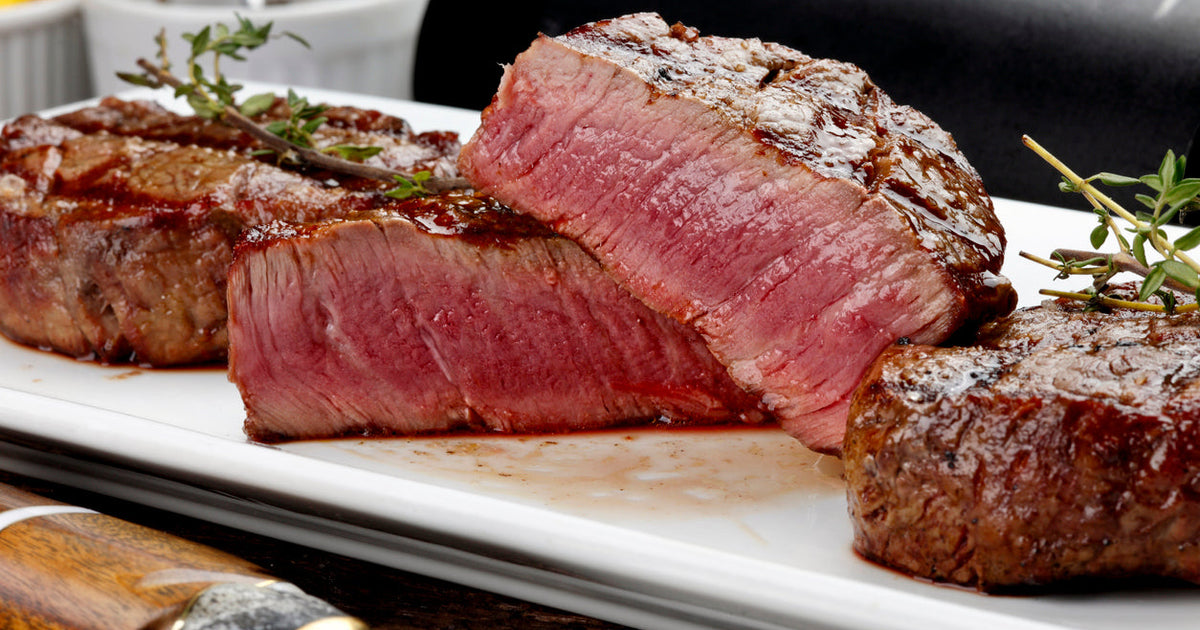
Credit: grassrootscoop.com
Seasoning And Marinating
Seasoning and marinating are the secret weapons that transform a simple steak into a memorable meal. They help enhance the natural flavors and add layers of taste that keep your palate excited. Whether you prefer a straightforward salt and pepper approach or a complex marinade, mastering these techniques will elevate your steak game.
Basic Seasoning Tips
Start with high-quality salt and freshly ground black pepper. Salt helps draw out the steak’s natural juices while intensifying its flavor. Apply seasoning generously and let the steak rest at room temperature for about 30 minutes before cooking to allow the flavors to penetrate.
Don’t be afraid to experiment with other spices like garlic powder, smoked paprika, or cayenne pepper. A light dusting can add a subtle kick without overpowering the meat. Remember, seasoning is about balance—too much can mask the steak’s taste, too little can leave it bland.
Popular Marinades
Marinades add moisture and infuse your steak with complex flavors. Acidic ingredients like lemon juice, vinegar, or wine help tenderize tougher cuts. Combine these with oil, herbs, and spices for a well-rounded marinade.
- Classic Garlic and Herb:Olive oil, minced garlic, rosemary, thyme, and lemon zest.
- Asian-Inspired:Soy sauce, ginger, garlic, sesame oil, and a touch of brown sugar.
- Spicy Chipotle:Chipotle peppers in adobo sauce, lime juice, cumin, and smoked paprika.
Marinate your steak for at least 30 minutes, but avoid going beyond 24 hours to prevent the meat from becoming mushy. Have you tried marinating your steak overnight? It can really deepen the flavor without losing the steak’s original texture.
Dry Rubs
Dry rubs are a fantastic way to build flavor without adding extra moisture. They create a flavorful crust when seared on a hot grill or pan. Use a mix of spices and herbs tailored to your taste.
Popular ingredients include brown sugar for sweetness, chili powder for heat, cumin for earthiness, and smoked paprika for a smoky note. Rub the mixture evenly over the steak and let it sit for at least 15 minutes before cooking.
Try making your own blend to match the cut of steak and cooking method you prefer. What spices do you find most exciting to combine in a dry rub? Your perfect rub could be just a few tweaks away.
Resting And Serving
Resting and serving steak are key steps for the best taste. Resting lets juices settle, keeping the steak juicy and tender. Serving the steak correctly enhances the eating experience. Follow these simple tips for perfect results every time.
Resting Time
After cooking, let the steak rest on a plate. Cover it loosely with foil to keep warm. Rest for 5 to 10 minutes depending on steak size. This pause allows juices to redistribute inside the meat. Cutting too soon causes juice loss and dryness.
Slicing Tips
Slice steak against the grain for tender bites. Look closely to find the grain direction. Use a sharp knife to make clean cuts. Cut the steak into thin, even slices. This helps the meat stay soft and easy to chew.
Serving Suggestions
- Serve steak on a warm plate to keep heat.
- Add a sprinkle of salt or fresh herbs for flavor.
- Pair with sides like mashed potatoes or grilled vegetables.
- Offer sauces such as chimichurri or peppercorn sauce.
- Use fresh lemon or a drizzle of olive oil for extra zest.
Common Mistakes To Avoid
Cooking steak to perfection is a skill that often trips up even the most enthusiastic home cooks. Avoiding common mistakes can transform your steak experience from disappointing to delightful. Let’s break down the key errors you should watch out for to make every bite count.
Overcooking
Overcooking steak is a frequent pitfall that turns a juicy cut into a dry and tough meal. It’s easy to get distracted or misjudge cooking times, especially with thicker cuts. Have you ever sliced into your steak only to find it gray and crumbly inside? That’s a sign it’s gone too far.
Use a meat thermometer to check internal temperature rather than relying solely on time. Remember, steak continues to cook slightly after it’s off the heat. Pull it a few degrees before your target doneness to keep it tender and juicy.
Undercooking
On the flip side, undercooking steak can leave you with a cold, raw center that’s unappetizing or unsafe. This happens when you rush the process or don’t heat your pan or grill enough. Have you ever bitten into a steak and felt unsure if it’s cooked properly?
Make sure your cooking surface is hot before adding the steak, and don’t be afraid to let it sit longer if needed. Using a thermometer here is just as important to avoid that unpleasant “raw” surprise.
Skipping Rest
One of the most overlooked mistakes is skipping the resting period after cooking. Cutting into a steak immediately causes all the flavorful juices to spill out, leaving your steak dry. I learned this the hard way when my perfectly cooked steak ended up less juicy than expected.
Let your steak rest for at least 5 minutes before slicing. This simple step allows the juices to redistribute, making every bite moist and flavorful.
Poor Seasoning
Seasoning can make or break your steak, yet many people either under-season or overdo it. Using too little salt or skipping pepper means your steak tastes bland. Too much seasoning can overpower the natural flavors.
A good rule is to season generously with salt just before cooking and add freshly ground black pepper after resting. Have you tried seasoning both sides evenly and noticed the difference? It’s a small change with a big impact.
Pairing Steaks With Sides And Drinks
Pairing steaks with the right sides and drinks enhances every bite. The right combination brings out the flavors in both the steak and the accompaniments. It creates a balanced meal that satisfies the palate fully. Choosing classic sides and complementary drinks makes the dining experience memorable.
Classic Side Dishes
Steak pairs well with simple, hearty sides. These dishes add texture and flavor without overpowering the meat.
- Mashed potatoes – creamy and smooth, perfect for rich steaks
- Grilled asparagus – adds a fresh, slightly bitter contrast
- Sauteed mushrooms – earthy and savory, enhancing the steak’s umami
- Caesar salad – crisp greens with a tangy dressing to lighten the meal
- Baked sweet potatoes – offer a natural sweetness to balance the meat
Wine Pairings
Wine complements steak by matching its weight and flavor intensity. Red wines usually work best.
- Cabernet Sauvignon – bold, with firm tannins that cut through fatty cuts
- Merlot – softer, with fruity notes for leaner steaks
- Malbec – rich and smooth, great for smoky or grilled steaks
- Pinot Noir – light and fruity, ideal for tender cuts like filet mignon
Craft Beers
Craft beers offer diverse flavors that pair well with different steaks. They add a fun, casual touch to meals.
- Stout – creamy and roasted, perfect with charred or blackened steaks
- IPA – hoppy and bitter, balances rich, fatty cuts
- Amber Ale – malt-forward, complements smoky grilled flavors
- Pilsner – light and crisp, refreshes the palate between bites

Credit: themeatstick.com
Frequently Asked Questions
What Are The Most Popular Types Of Steak Cooked?
Popular steak types include ribeye, sirloin, filet mignon, T-bone, and strip steak. Each offers unique texture and flavor, suited for various cooking methods.
How Do Cooking Methods Affect Steak Flavor?
Grilling, pan-searing, broiling, and sous-vide each enhance steak flavor differently. Grilling adds smokiness, while sous-vide ensures even doneness and tenderness.
What Is The Ideal Steak Doneness Level?
Steak doneness ranges from rare to well-done. Medium-rare is preferred for juiciness and tenderness, balancing flavor and texture perfectly.
Can Different Steaks Be Cooked The Same Way?
Not all steaks suit the same cooking style. Tender cuts like filet mignon need quick, high heat; tougher cuts require slow cooking.
Conclusion
Steak comes in many types and cooking styles. Each cut offers a unique taste and texture. You can enjoy steak rare, medium, or well done. Cooking steak right makes all the difference. Try different kinds to find your favorite. Simple seasoning and proper heat bring out flavor.
Steak is a great meal for any occasion. Enjoy experimenting with cuts and cooking methods. Savor every bite and share the experience. Cooking steak is both fun and rewarding.

I’m Abby Lu, a passionate home cook who loves simplifying everyday meals. At PlugChef.com, I share product reviews and cooking guides to help you find the best tools for your kitchen.
Related posts:
 What Type of Cooking Utensils are Safe: Expert Picks
 What Innovations Could Blenders Make: Unleashing Future Tech
 Smart Strategies to Organize a Small Kitchen: Maximize Space
 How to Organize a Kitchen Cabinet: Expert Tips & Tricks
 How to Organize Kitchen Drawers: Expert Tips and Tricks
 How to Organize a Corner Kitchen Cupboard: Expert Tips