
When it comes to keeping your home or workplace safe, having the right first aid kit is crucial. But how do you know which one fits your needs best?
You might have heard about Class A and Class B first aid kits, but what exactly sets them apart? Understanding the difference can make all the difference when an emergency strikes. You’ll discover what makes these kits unique and which one is the perfect match for your safety plan.
Keep reading to ensure you’re fully prepared when it matters most.
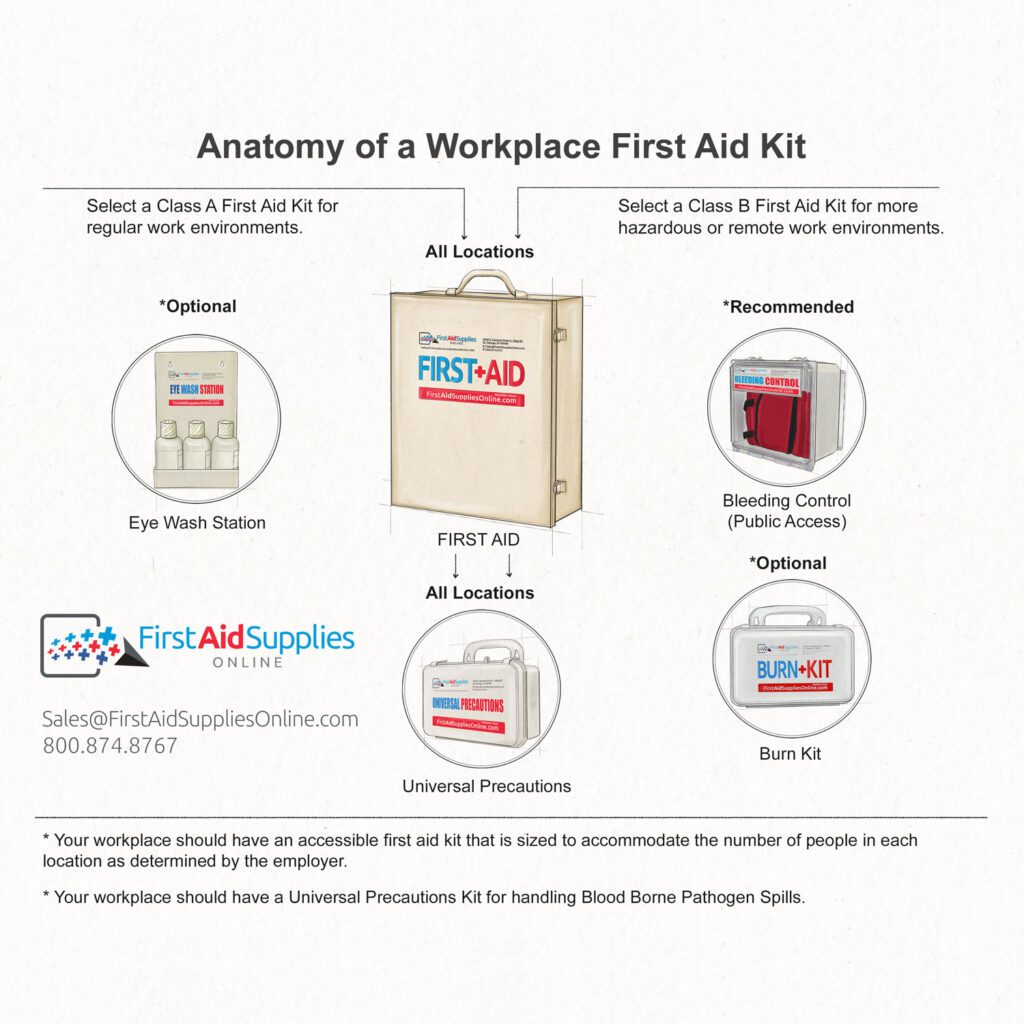
Credit: firstaidsuppliesonline.com
Class A First Aid Kits
Class A First Aid Kits contain basic supplies for minor injuries like cuts and scrapes. Class B kits include more advanced items for serious injuries, such as burns or fractures. Understanding their difference helps choose the right kit for your needs.
Class A first aid kits are essential for everyday situations. They are designed to address common injuries and minor emergencies. These kits are typically found in workplaces, schools, and homes. They provide basic medical supplies that are easy to use and understand.Contents And Supplies
Class A kits include standard items for minor injuries. You will find bandages, gauze pads, adhesive tape, and antiseptic wipes. These supplies help treat cuts, scrapes, and small wounds. Many kits also have scissors, tweezers, and gloves. These tools aid in safe and effective care. Some kits include a basic first aid guide. This guide is helpful for those unfamiliar with medical procedures.Common Uses
Class A kits are used for everyday accidents. They are ideal for treating minor cuts and bruises. You can use them for small burns and insect bites. These kits are perfect for workplaces with low risk. Schools and homes also benefit from these kits. They ensure quick and simple first aid response.Storage And Portability
Class A kits are compact and easy to store. They fit well in cabinets or drawers. Some kits come in portable cases. These cases make it easy to carry the kit anywhere. You can take them on trips or outings. Their lightweight design is ideal for quick access. Always store kits in a dry and clean place. This keeps the supplies in good condition for use.Class B First Aid Kits
Class B First Aid Kits are designed for environments where injuries might be more serious or complex. They contain more comprehensive supplies than Class A kits, making them essential for workplaces with higher risks. Understanding what goes inside and how they are used can help you decide if a Class B kit is right for your needs.
Contents And Supplies
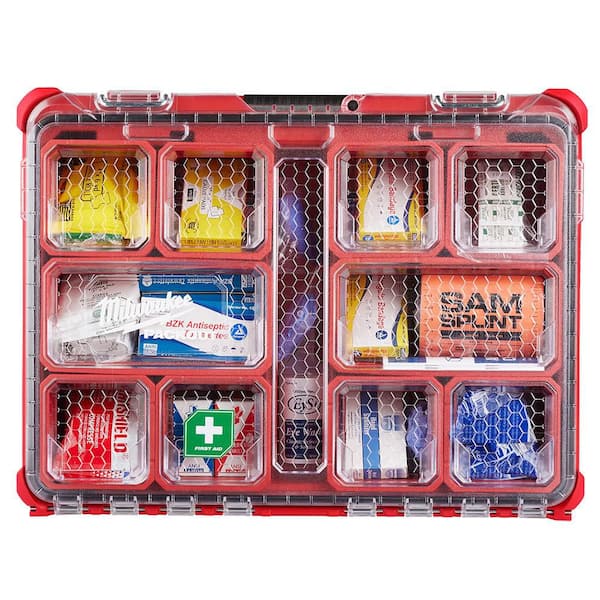
Class B kits include everything found in Class A kits plus additional items to handle more severe injuries. You’ll find:
- Extra bandages and dressings, including larger sizes
- Burn treatment supplies like burn sheets and gels
- Splints for immobilizing fractures
- Eye wash solutions and eye pads
- More advanced tools such as scissors, tweezers, and cold packs
These extra supplies prepare you to manage a wider range of emergencies. Think about whether your environment might need those extra tools before choosing a kit.
Common Uses
Class B kits are often found in industrial sites, construction zones, and large offices with many employees. They’re built to handle injuries like cuts, burns, fractures, and eye injuries.
If your workplace or activity involves heavy machinery, chemicals, or large groups of people, you’ll appreciate the broader scope of care these kits provide. Have you ever faced a situation where a simple bandage wasn’t enough? That’s where a Class B kit makes a difference.
Storage And Portability
Because Class B kits hold more supplies, they tend to be larger and heavier than Class A kits. They usually come in sturdy, easy-to-carry cases designed to protect the contents.
While not as compact, they remain portable enough to be quickly accessed in an emergency. Consider where you’ll store your kit—will it be fixed in one place, or do you need to carry it around? Your storage choice can affect how quickly you respond to an injury.
Key Differences Between Class A And Class B
Understanding the key differences between Class A and Class B first aid kits can help you choose the right kit for your needs. These two classes differ mainly in the supplies they contain, the environments they are meant for, and the regulations they follow. Knowing these distinctions ensures you are prepared for the types of injuries most likely to occur in your setting.
Supply Types And Quantity
Class A kits focus on basic, everyday injuries. They usually include items like adhesive bandages, antiseptic wipes, and gauze pads in moderate quantities. These supplies cover common cuts, scrapes, and minor burns you might encounter.
Class B kits contain everything found in Class A kits but add more specialized supplies. You’ll find items such as trauma dressings, splints, and larger quantities of materials. This makes them suitable for more serious injuries that require advanced first aid.
Intended Environments
Class A kits are designed for low-risk environments. Think offices, retail stores, and schools where serious injuries are less likely. These kits provide enough supplies to handle minor accidents efficiently.
Class B kits are better suited for high-risk environments. Construction sites, factories, and outdoor work areas often need these kits due to the higher chance of severe injuries. The extra supplies help you respond to more complex medical situations.
Compliance And Regulations
Class A kits meet the minimum OSHA requirements for workplaces with low-hazard risks. They are often the default choice for businesses that don’t involve dangerous machinery or hazardous materials.
Class B kits comply with OSHA standards for workplaces with higher hazard risks. Regulations may require these kits to be stocked and maintained more rigorously. Ensuring compliance means you avoid penalties and, more importantly, keep your team safer.
Credit: certifiedsafetymfg.com
Choosing The Right First Aid Kit
Choosing the right first aid kit is important for safety. Different situations need different supplies. Picking between Class A and Class B kits depends on your environment and needs. Understanding what each kit offers helps you prepare well for emergencies.
Assessing Your Needs
Think about the types of injuries likely to happen. Simple cuts and scrapes need basic supplies. More serious injuries require advanced items. Consider how many people will use the kit. The size of your group affects the kit size. Also, check the location’s risk level for accidents.
Workplace Vs. Personal Use
Workplaces often need larger, more comprehensive kits. Class B kits suit places with higher injury risks. Personal kits usually contain fewer items. Class A kits fit home or small office use. Know the rules for your workplace safety requirements. This ensures compliance and proper care.
Budget Considerations
First aid kits vary in price based on contents and size. Class A kits are generally less expensive. Class B kits cost more due to extra supplies. Balance cost with the level of protection needed. Investing in the right kit saves money on emergency care later.
Maintenance And Restocking Tips
Keeping your Class A and Class B first aid kits ready for action means staying on top of maintenance and restocking. Neglecting this can leave you unprepared when emergencies strike. Let’s talk about how you can maintain your kits effectively and keep everything in working order.
Regular Inspections
Set a schedule to check your first aid kits at least once a month. Look for damaged packaging, missing items, or supplies that look worn out. A quick inspection helps you catch problems before they become emergencies.
Write down what you find during your checks. This record makes it easier to track what needs replacing and prevents you from forgetting essential items. Think about how often you’ve needed a bandage only to find none available—regular inspections prevent that frustration.
Replacing Expired Items
Items like antiseptic wipes, ointments, and medications have expiration dates for a reason—they lose effectiveness over time. Check dates carefully and replace anything that’s expired or close to it. This ensures your kit works when you need it most.
Don’t just toss expired products; dispose of them safely according to local guidelines. You can keep a reminder note or calendar alert to help you stay on top of expiration dates. Have you ever grabbed a first aid item only to realize it was outdated? Avoid that by staying proactive.
Proper Storage Practices
Store your kits in cool, dry places away from direct sunlight and moisture. These conditions protect the contents from damage and extend their shelf life. Avoid places prone to extreme temperatures, like cars or near heaters.
Keep your kits easily accessible but out of reach of children. Label the kits clearly so everyone knows where to find them during an emergency. Would you know exactly where to grab your first aid kit in a rush? Proper storage can make all the difference.
Credit: www.homedepot.com
Frequently Asked Questions
What Is A Class A First Aid Kit?
A Class A first aid kit is designed for low-risk workplaces. It contains basic supplies like bandages, antiseptics, and gloves. These kits suit offices, retail stores, and schools where injuries are minor and infrequent.
What Defines A Class B First Aid Kit?
Class B first aid kits are for high-risk environments. They include more advanced supplies such as burn dressings and trauma pads. These kits are ideal for construction sites, factories, and places with higher injury risks.
How Do Class A And B Kits Differ In Content?
Class A kits have basic items for minor injuries. Class B kits offer additional items for serious injuries. The content varies based on workplace risk levels and the potential severity of accidents.
Which Workplaces Require Class B First Aid Kits?
Workplaces with high injury risks need Class B kits. Examples include industrial sites, manufacturing plants, and construction zones. These environments require more comprehensive first aid supplies due to the nature of hazards.
Conclusion
Class A and Class B first aid kits serve different needs. Class A kits fit basic injuries like cuts and scrapes. Class B kits include supplies for more serious wounds. Choosing the right kit depends on where you will use it.
Keep your kit stocked and check it often. Being prepared can make a big difference in emergencies. Simple steps keep you safe and ready to help others. Understanding these kits helps you pick what works best. Safety starts with having the right tools at hand.

I’m Abby Lu, a passionate home cook who loves simplifying everyday meals. At PlugChef.com, I share product reviews and cooking guides to help you find the best tools for your kitchen.
Related posts:
 What Type of Cooking Utensils are Safe: Expert Picks
 What Innovations Could Blenders Make: Unleashing Future Tech
 Smart Strategies to Organize a Small Kitchen: Maximize Space
 How to Organize a Kitchen Cabinet: Expert Tips & Tricks
 How to Organize Kitchen Drawers: Expert Tips and Tricks
 How to Organize a Corner Kitchen Cupboard: Expert Tips