

When you’re out and about with your little one, unexpected bumps and scrapes can happen in a flash. Having a diaper bag first aid kit ready means you’re prepared for those moments that catch you off guard.
Imagine the peace of mind knowing you can handle minor cuts, bites, or fevers right away—without scrambling to find help. You’ll discover exactly what to pack, why each item matters, and how to keep your baby safe no matter where you go.
Keep reading to turn your diaper bag into a mini emergency station that puts you in control.
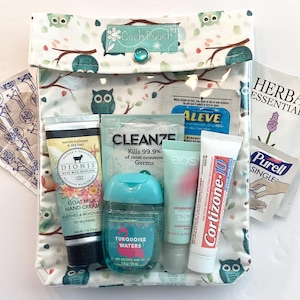
Credit: www.etsy.com
Choosing The Right First Aid Kit
Choosing the right first aid kit for your diaper bag is crucial. It ensures you are prepared for unexpected situations. A well-stocked kit offers peace of mind. You can handle minor injuries with ease. Consider these important factors when selecting your kit.
Compact And Lightweight Options
Diaper bags often carry many essentials. A compact first aid kit saves space. It fits easily without adding bulk. Lightweight kits are easy to carry. You won’t feel weighed down. Choose a kit that is small but effective. It should contain the basics for emergencies.
Must-have Supplies For Babies
Baby-specific supplies are essential. Look for kits with child-friendly bandages. Adhesive bandages should be gentle on skin. Antiseptic wipes clean wounds safely. Include a digital thermometer for fever checks. Saline solution is useful for cleaning cuts. Baby pain relief medication can be handy. Ensure all supplies are suitable for young children.
Durability And Water Resistance
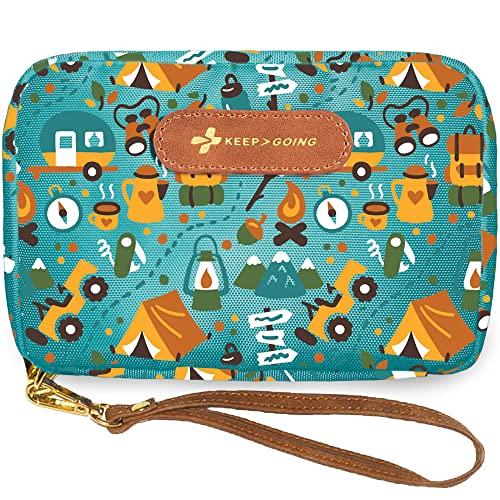
A durable kit withstands daily wear. Choose materials that are strong and long-lasting. Water-resistant kits protect supplies from spills. Rain or accidental spills won’t ruin your kit. Look for sealed compartments to keep items dry. A sturdy zipper or clasp keeps contents secure. Your kit should endure various conditions effectively.

Credit: www.amazon.com
Essential Items To Include
A well-stocked diaper bag first aid kit keeps your child safe during outings. It helps you act quickly in minor injuries or sudden illnesses. Choosing the right items ensures preparedness without overloading your bag. Focus on compact, essential supplies that cover common emergencies.
Bandages And Dressings
Include various sizes of adhesive bandages for small cuts and scrapes. Sterile gauze pads help cover larger wounds and stop bleeding. Elastic bandages support sprains and strains. Keep some hypoallergenic tape to secure dressings gently on sensitive skin.
Antiseptics And Ointments
Antiseptic wipes or solution clean wounds and reduce infection risk. A small tube of antibiotic ointment speeds healing and soothes irritation. Consider a gentle antiseptic spray suitable for children. Avoid harsh chemicals that may cause discomfort.
Thermometer And Medications
A digital thermometer measures your child’s temperature fast and accurately. Include fever reducers like acetaminophen or ibuprofen in child-safe doses. Add any prescribed medications your child needs regularly. Store all medicines in childproof containers to prevent accidents.
Tools And Accessories
- Small pair of scissors for cutting tape or clothing
- Tweezers for removing splinters or debris
- Disposable gloves to keep hands clean
- Instant cold pack to reduce swelling
- Soft cloth or small blanket for comfort
Each item fits neatly inside your diaper bag. This kit helps you stay calm and ready for small emergencies.
Organizing Your Kit Efficiently
Keeping your diaper bag first aid kit organized is essential for quick and effective response during unexpected moments. When everything has its place, you save precious time and reduce stress. Let’s look at practical ways to organize your kit so you can find what you need without any hassle.
Using Compartments And Pouches
Separate your first aid items into clear compartments or small pouches inside the diaper bag. Group similar items like bandages, ointments, and medications together. Using different-sized pouches helps keep everything neat and prevents smaller items from getting lost.
Think about the last time you needed a bandage urgently—wouldn’t it be easier if you had a dedicated pouch for just that? Clear pouches can also help you spot what’s missing at a glance.
Labeling For Quick Access
Label each compartment or pouch with simple tags like “Bandages,” “Medications,” or “Tools.” This step might feel small, but it saves you the frustration of digging through the entire bag. You can use waterproof labels or write on masking tape for a quick, budget-friendly option.
Imagine trying to calm a fussy toddler while searching for a thermometer—labels guide your hands right where they need to be, making the process smoother.
Regular Inventory Checks
Set a reminder to check your first aid kit every month. Look for expired medications, used items, or anything that’s running low. Keeping an updated list of what’s inside your kit can help you spot what to restock before you actually need it.
Have you ever opened your kit only to find a dried-up ointment or empty blister pack? Regular checks prevent these surprises and keep your kit ready for any situation.
Safety Tips For Parents
Keeping your little one safe goes beyond just packing diapers and snacks. A well-prepared diaper bag first aid kit can be a lifesaver, but knowing how to use it effectively is just as important. Here are some safety tips that will help you stay calm and confident during unexpected situations.
Knowing Basic First Aid Skills
Do you know how to handle a minor cut or a sudden fever? Learning basic first aid skills empowers you to act quickly and correctly. Simple actions like cleaning a wound or performing infant CPR can make a huge difference before professional help arrives.
Consider taking a first aid course designed for parents. This hands-on experience builds your confidence and lets you practice essential skills. Remember, knowledge is your best tool in an emergency.
Keeping Emergency Contacts Handy
Have you ever scrambled to find a phone number in a crisis? Keep a small, waterproof card in your diaper bag with emergency contacts like your pediatrician, poison control, and a trusted neighbor. This quick access saves precious time and reduces stress.
Also, program these numbers into your phone under easy-to-spot names. In a panic, you don’t want to waste seconds searching through contacts. A little preparation here can prevent a lot of panic later.
Recognizing When To Seek Medical Help
It’s tough to decide when a situation needs a doctor’s attention. Trust your instincts and watch for warning signs like high fever, persistent vomiting, difficulty breathing, or unusual behavior. These are signals that professional care is necessary.
Don’t hesitate to call emergency services if you feel unsure. Acting early can prevent complications and keep your child safe. What symptoms have you found most concerning in your experience?
Maintaining Your Diaper Bag First Aid Kit
Keeping your diaper bag first aid kit ready can make all the difference during unexpected scrapes or tummy troubles. Regular maintenance ensures you have what you need, when you need it. It’s not just about packing the right items but also about checking and updating them often.
Replacing Expired Items
Expired items lose their effectiveness and could even be unsafe. Take a moment every few months to check expiration dates on ointments, medications, and wipes. Toss out anything past its prime and replace it with fresh supplies to avoid surprises when you’re in a pinch.
Think about the last time you needed a bandage or antiseptic and found it dried out or old. How did that affect your response? Keeping track of expiration dates avoids this stress and keeps your kit reliable.
Cleaning And Sanitizing Supplies
First aid supplies can get dirty or contaminated from regular use and travel. Wipe down containers and replace cotton balls or gauze that have been exposed to moisture. Use mild soap and water to clean any plastic cases or pouches, then let them air dry completely before repacking.
Have you ever opened a damp first aid kit only to find everything stuck together or smelling off? A clean kit not only looks better but also reduces the risk of infection for your child. Keeping your supplies sanitized means you’re ready to act fast and safely.
Adapting Kit As Your Child Grows
Your child’s needs change quickly, and so should your first aid kit. As babies grow into toddlers, you might swap out infant-specific items like nipple ointment for toddler-friendly fever reducers or allergy medications. Adjust the kit based on your child’s current health needs and activities.
Ask yourself: Does your kit match your child’s age and lifestyle? Adding sunscreen for outdoor play or extra hydration supplies for hot days can make your kit more useful. A flexible, updated kit keeps you prepared for new challenges as your little one grows.
Credit: ninelife.id
Frequently Asked Questions
What Essentials Should Be In A Diaper Bag First Aid Kit?
A diaper bag first aid kit should include band-aids, antiseptic wipes, gauze, baby-safe pain relief, and tweezers. These items help handle minor injuries and common emergencies quickly while on the go.
How Often Should I Update My Diaper Bag First Aid Kit?
Update your diaper bag first aid kit every 3 to 6 months. Check for expired medications, used items, and replace them to ensure readiness during emergencies.
Can A Diaper Bag First Aid Kit Treat Common Baby Injuries?
Yes, it can treat minor cuts, scrapes, insect bites, and mild fevers. It provides quick relief and protection until professional care is available.
Is It Necessary To Carry A First Aid Kit In A Diaper Bag?
Yes, carrying a first aid kit ensures you’re prepared for unexpected injuries or illnesses. It offers peace of mind and quick response during outings with your baby.
Conclusion
A diaper bag first aid kit helps parents stay ready for small emergencies. It keeps all important items organized and easy to find. Carrying a kit gives peace of mind during outings with your child. Simple tools like bandages, antiseptic wipes, and medicine can solve many common issues.
Preparing ahead means you can act quickly and calmly. Always check and refill your kit regularly to stay prepared. A well-stocked first aid kit is a smart and caring choice for any parent. Safety and readiness go hand in hand on every adventure.

I’m Abby Lu, a passionate home cook who loves simplifying everyday meals. At PlugChef.com, I share product reviews and cooking guides to help you find the best tools for your kitchen.
Related posts:
 What Type of Cooking Utensils are Safe: Expert Picks
 What Innovations Could Blenders Make: Unleashing Future Tech
 Smart Strategies to Organize a Small Kitchen: Maximize Space
 How to Organize a Kitchen Cabinet: Expert Tips & Tricks
 How to Organize Kitchen Drawers: Expert Tips and Tricks
 How to Organize a Corner Kitchen Cupboard: Expert Tips

