Cub Scout First Aid Kit: Essential Gear for Safety and Fun
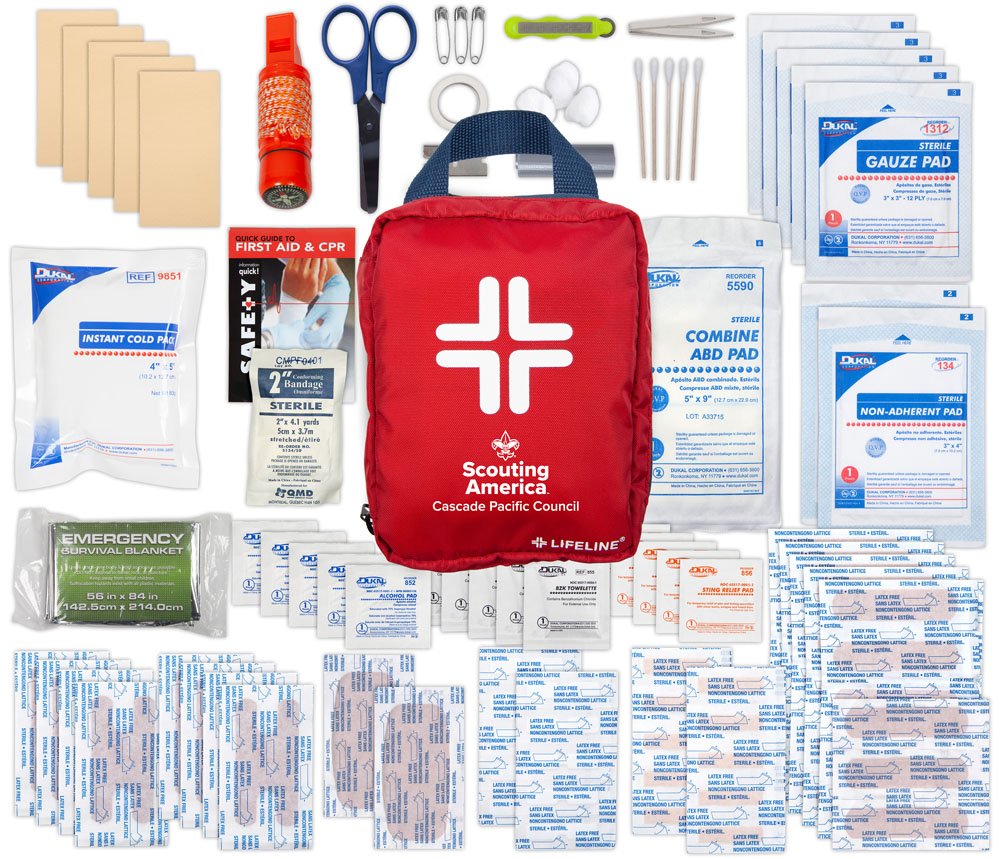
When your Cub Scout heads out for an adventure, having the right first aid kit can make all the difference. You want to be prepared for those little scrapes, bumps, or unexpected moments that come with exploring the outdoors.
But what exactly should go into a Cub Scout first aid kit? And how can you make sure it’s easy to use when every second counts? Keep reading, because we’ll break down everything you need to create a reliable, simple, and effective first aid kit your Cub Scout can count on.
This guide will help you feel confident and ready for whatever comes your way.
Importance Of First Aid Kits
First aid kits are more than just a box of supplies—they are a vital tool for safety and preparedness. Especially for Cub Scouts, having a well-stocked first aid kit can make a real difference during outdoor adventures, meetings, or even simple activities at home. Your quick response with the right supplies can prevent minor injuries from becoming serious.
Immediate Response To Injuries
When a scout gets a cut, scrape, or insect bite, seconds count. A first aid kit allows you to clean wounds, stop bleeding, and soothe pain right away. This quick action helps reduce the risk of infection and speeds up healing.
Think about a time when a small injury turned into a big problem because help wasn’t nearby. Having the right tools at hand can save you from that frustration and worry.
Building Confidence And Responsibility
Carrying and knowing how to use a first aid kit teaches scouts valuable skills. It encourages them to take responsibility for their own safety and the safety of others. This confidence often extends beyond first aid, improving their overall readiness in unexpected situations.
Have you noticed how kids feel more grown-up when they can handle small emergencies? That sense of capability empowers them in many areas of life.
Preparedness For Outdoor Activities
Scouting often involves camping, hiking, and other outdoor fun where accidents are more likely. A first aid kit tailored for these activities is essential. It includes supplies that handle common outdoor injuries like blisters, insect stings, and minor burns.
Imagine being miles from help and still able to provide effective care. That peace of mind makes your adventures safer and more enjoyable.
Peace Of Mind For Parents And Leaders
Knowing that a first aid kit is ready and accessible gives parents and scout leaders confidence. It shows that you’ve thought ahead about the scouts’ well-being. This preparedness helps create a safe environment where kids can focus on learning and having fun.
Wouldn’t you feel more comfortable sending your child to an event where safety is clearly prioritized?

Credit: www.amazon.com
Essential Items For Cub Scouts
Building a Cub Scout First Aid Kit means picking items that are practical and easy to use. You want your kit to cover common scrapes, cuts, and minor injuries while keeping things simple enough for a young scout to manage. Choosing the right essentials helps you stay prepared and confident during outdoor adventures.
Bandages And Dressings
Bandages and dressings protect wounds and stop bleeding quickly. Include various sizes of adhesive bandages to cover small cuts and blisters. Larger sterile dressings are important for more serious scrapes or cuts, offering a clean barrier to prevent infection.
Think about adding waterproof bandages if your scout loves water activities. Would your Cub Scout know when to switch from a small bandage to a larger dressing? This can be a good teaching moment.
Antiseptic Wipes And Ointments
Cleaning a wound immediately is key to preventing infection. Antiseptic wipes are easy to carry and allow quick cleaning without needing water. Adding antibiotic ointment helps speed healing and keeps germs at bay.
Make sure the wipes are individually wrapped for hygiene. Have you ever tried using wipes that dry out or are hard to open when time is critical? Choosing reliable brands can make a big difference.
Medical Tape And Scissors
Medical tape holds dressings in place securely and adapts to different skin types. Include a small roll of hypoallergenic tape to avoid irritation. Scissors with blunt tips are essential to cut tape or clothing safely without causing further injury.
Teaching your Cub Scout how to use scissors carefully can prevent accidents. Would your scout feel confident cutting tape with proper guidance? Practicing this skill beforehand helps.
Tweezers And Safety Pins
Tweezers come in handy for removing splinters or debris from wounds. Look for a pair with a good grip and fine tips for better control. Safety pins are versatile—they secure bandages or can even fix torn gear.
Remember to store tweezers and pins in a small pouch to keep them clean and accessible. Have you ever had to dig through a messy kit to find the right tool? Organization matters when seconds count.
Tools For Outdoor Adventures
Outdoor adventures need the right tools to keep Cub Scouts safe and prepared. These tools help in navigation, signaling, and staying warm. They are small but important items in a First Aid Kit. Knowing how to use each tool builds confidence and skills for any outdoor challenge.
Whistle And Compass
A whistle helps Scouts call for help or signal others nearby. It is loud and easy to carry. The compass guides Scouts through forests or trails. It shows direction even when paths are unclear. Together, these tools prevent getting lost and improve safety.
Flashlight And Extra Batteries
A flashlight lights the way in dark or low-light places. It helps Scouts find their path or see injuries clearly. Extra batteries keep the flashlight working longer. Always check batteries before heading out. A reliable light source is a must-have for any adventure.
Thermal Blanket
A thermal blanket keeps Scouts warm if they get cold or wet. It is small, lightweight, and fits easily in a First Aid Kit. The blanket reflects body heat to prevent hypothermia. It also offers shelter from wind and rain. Carrying one can save lives in tough conditions.
:fill(white)/static/media/catalog/product/1/1/113131-lifesystems-camping-first-aid-kit.jpg)
Credit: shop.scouts.org.uk
Emergency Contact Information
Emergency contact information is a vital part of every Cub Scout first aid kit. It helps adults and helpers quickly reach the right people during an emergency. Having clear and easy-to-find contact details can save precious time. It also gives peace of mind to both scouts and parents.
Make sure to include contact information for parents, guardians, and doctors. Keep it updated and protect it from damage. This section helps responders understand the scout’s medical needs and emergency contacts fast.
What To Include In Emergency Contact Information
- Full name of the scout
- Parent or guardian’s phone numbers
- Doctor’s name and phone number
- Any allergies or medical conditions
- Emergency services number (like 911)
- Scout leader’s contact details
How To Organize Contact Information
Write the information on a waterproof card or paper. Use clear, large fonts for easy reading. Store it in a visible pocket inside the first aid kit. Consider a laminated card to protect against water and dirt.
Tips For Keeping Contact Information Updated
- Check details before each outing
- Ask parents to provide changes immediately
- Replace worn or faded cards regularly
- Keep a digital copy as backup
Teaching Safety And Responsibility
Teaching safety and responsibility through the Cub Scout First Aid Kit is more than just handing over bandages and antiseptic. It’s about helping young scouts understand how to care for themselves and others in real situations. This hands-on learning builds confidence and encourages a thoughtful approach to emergencies.
Basic First Aid Skills
Start by showing your Cub Scouts how to use the items in their first aid kit. Simple actions like cleaning a small cut, applying a bandage, or using antiseptic wipes give them practical skills that matter.
Encourage them to practice these skills regularly. You might role-play a scenario where a friend scrapes their knee during a hike. This makes the learning stick and helps scouts feel ready, not scared, when real injuries happen.
Ask yourself: How would you react if your scout needed immediate help? Teaching these skills prepares them to act calmly and correctly.
Emergency Response Protocols
Knowing what to do in an emergency is just as important as treating minor injuries. Teach your scouts how to call for help, describe the situation clearly, and stay safe while waiting for adults or emergency services.
Use clear steps like:
- Check the scene for safety
- Call 911 or local emergency numbers
- Provide basic care without putting themselves in danger
Sharing stories from your own experience can highlight why these steps matter. Have you ever had to call emergency services? How did clear communication make a difference?
By focusing on both basic first aid and emergency protocols, you give Cub Scouts tools to protect themselves and others. This knowledge turns their first aid kit from a simple box into a source of real-life empowerment.
Credit: www.amazon.com
Making First Aid Fun
Making first aid fun is key to keeping Cub Scouts engaged and confident in their skills. When kids enjoy learning, they remember more and feel eager to help in real situations. How can you turn essential safety lessons into exciting moments your Cub Scouts will look forward to?
Interactive Learning Activities
Hands-on activities make first aid lessons stick. Let your Cub Scouts practice wrapping bandages on each other or using toy medical kits to treat pretend injuries. This active participation helps them understand techniques better than just listening to instructions.
Try role-playing scenarios where one scout acts as the injured party and others provide care. This builds teamwork and lets scouts experience how to stay calm and think clearly. You could even invite a local nurse or paramedic to demonstrate skills, adding real-world context that sparks curiosity.
Games And Challenges
Games add excitement and test knowledge in a low-pressure way. Create a “First Aid Relay” where teams race to complete tasks like applying a bandage or identifying symptoms. This keeps energy high and reinforces learning through friendly competition.
- Use flashcards with injuries and ask scouts to name the correct first aid step.
- Set up obstacle courses where scouts must “treat” injuries before moving on.
- Run quizzes with small rewards to motivate participation.
Have you noticed how quickly kids pick up new skills when they’re having fun? By adding games and interactive activities to your Cub Scout first aid training, you make learning memorable and build confidence that lasts.
Frequently Asked Questions
What Essential Items Are In A Cub Scout First Aid Kit?
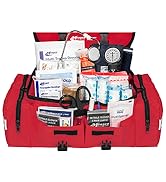
A Cub Scout first aid kit includes bandages, antiseptic wipes, gauze, adhesive tape, scissors, tweezers, and gloves. It also contains pain relievers and allergy medicine. These items help treat minor injuries quickly and keep Cub Scouts safe during activities.
How Do I Pack A First Aid Kit For Cub Scouts?
Pack lightweight, durable, and compact supplies that fit easily in a backpack. Include child-friendly items and label everything clearly. Check and restock regularly to ensure freshness. Prioritize essentials like bandages, antiseptics, and basic medications for quick access.
Why Is A First Aid Kit Important For Cub Scouts?
A first aid kit ensures immediate care during accidents or injuries. It reduces risks of infection and speeds up recovery. Having a kit promotes safety awareness and prepares Cub Scouts for outdoor adventures and emergencies responsibly.
How Often Should I Check The Cub Scout First Aid Kit?
Check the first aid kit every 3 to 6 months. Replace expired or used items promptly. Regular checks ensure all supplies are in good condition and ready for use during Cub Scout activities or emergencies.
Conclusion
A Cub Scout first aid kit keeps kids safe during adventures. It helps treat small cuts, scrapes, and bruises quickly. Carrying the right supplies builds confidence and readiness. Scouts learn to care for themselves and others. Always check the kit before each trip to stay prepared.
Safety becomes a fun part of every outing. A simple kit makes a big difference in emergencies. Keep it stocked, easy to carry, and ready to use. Scouts enjoy exploring with peace of mind and care.

I’m Abby Lu, a passionate home cook who loves simplifying everyday meals. At PlugChef.com, I share product reviews and cooking guides to help you find the best tools for your kitchen.
Similar Posts