
If you love pizza but crave that perfect crispy, thin crust, you’re in the right place. Imagine biting into a slice that’s light, crunchy, and holds just the right amount of toppings without getting soggy.
This crispy thin pizza dough recipe will help you create that ideal base every time. Whether you’re a beginner or a kitchen pro, you’ll find simple steps and tips that make your homemade pizza taste like it came from your favorite pizzeria.
Ready to transform your pizza nights? Keep reading and discover how easy it is to make the perfect thin crust at home.
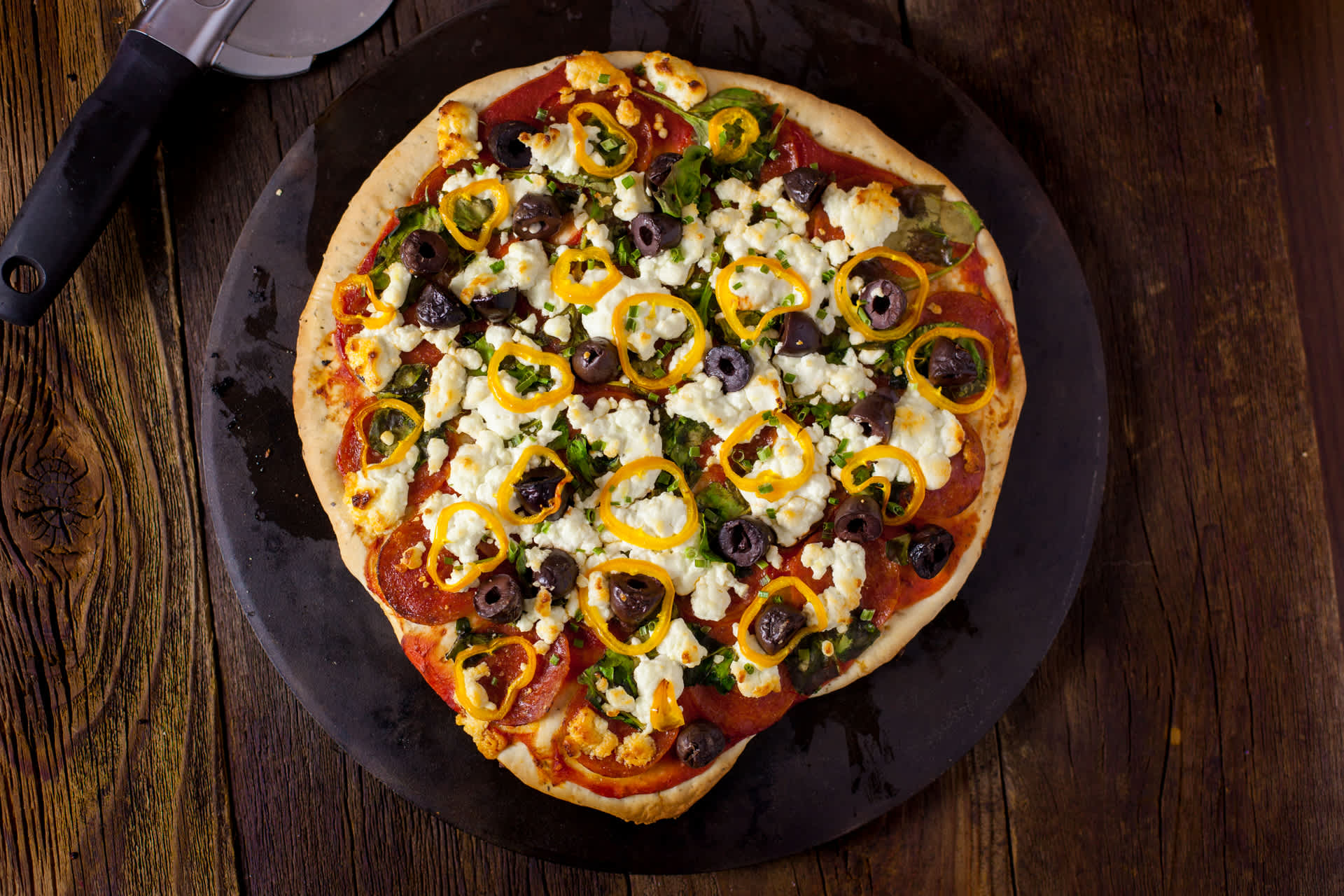
Credit: www.food.com
Ingredients For Crispy Dough
Getting your pizza dough perfectly crispy starts with choosing the right ingredients. Each component plays a unique role in texture and flavor. Understanding these basics helps you tweak the dough to your liking and avoid soggy results.
Flour Types And Choices
The type of flour you use impacts the dough’s crunch and chew. High-protein flours like bread flour create more gluten, giving your crust strength and crispness. All-purpose flour works well too, but it may yield a slightly softer crust.
Some pizza makers swear by adding a bit of semolina or cornmeal for extra crunch. Have you tried mixing flours to find your perfect balance? It’s worth experimenting with what’s available in your kitchen.
Role Of Water And Temperature
The amount of water affects dough consistency and crispness. Less water makes a stiffer dough that crisps better but can be harder to stretch. More water creates a softer dough but risks a soggy crust.
Water temperature matters for yeast activation. Warm water around 100°F (38°C) wakes the yeast gently. Too hot and you risk killing the yeast, too cold and it won’t activate properly. Have you measured your water temperature before mixing?
Yeast And Leavening Tips
Using the right yeast and letting the dough rise properly is key to texture. Active dry yeast or instant yeast both work, but instant yeast acts faster. Longer fermentation times improve flavor and crispness.
Try refrigerating your dough overnight. This slow rise develops better gluten and dryness, which helps achieve that perfect crunch. What’s your favorite proofing time for crispy dough?
Salt And Sugar Balance
Salt not only enhances flavor but tightens gluten, improving dough structure and crispiness. Don’t skip it, but avoid too much which can slow yeast action. About 1.5% of the flour weight is a good rule.
Sugar feeds the yeast and helps browning, creating a golden crust. A small amount—around 1 teaspoon per cup of flour—is enough. Have you noticed how a little sugar changes the crust color?
Olive Oil Benefits
Adding olive oil makes the dough easier to handle and crispier when baked. It coats gluten strands, resulting in a tender yet crunchy crust. Plus, it adds a subtle flavor boost that pairs well with any topping.
Don’t overdo it—a tablespoon or two is enough for a standard batch. Have you experimented with different oils or amounts to see how it changes your crust?
Dough Preparation Steps
Preparing the dough is the foundation of a crispy thin pizza crust. Each step affects the texture and taste. Simple techniques create the perfect base for your toppings. Follow the process carefully for best results.
Mixing And Kneading Techniques
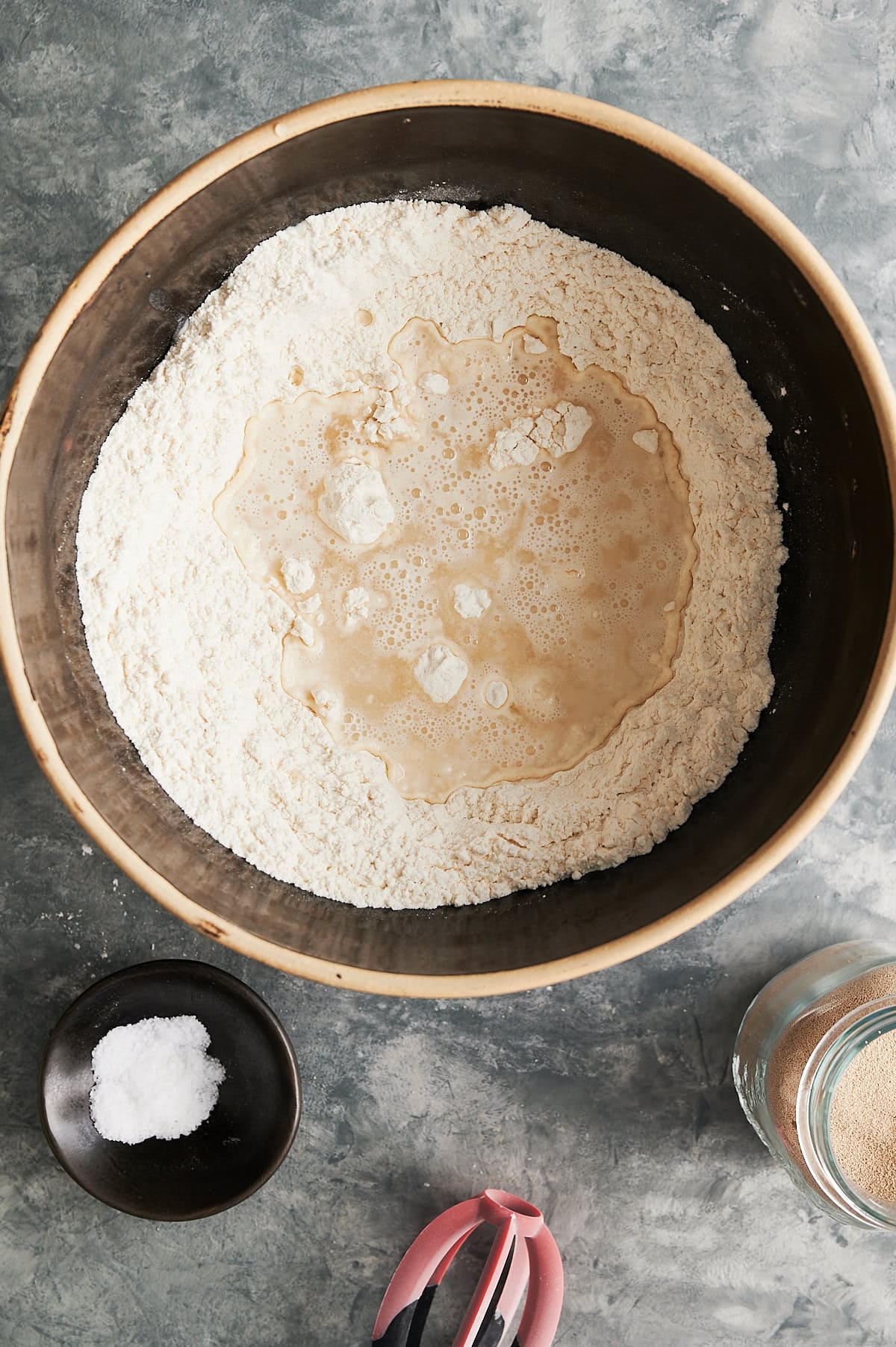
Start by combining flour, water, yeast, salt, and a bit of olive oil. Mix just until the ingredients come together. Avoid over-mixing to keep the dough light. Knead the dough on a floured surface for about 8 to 10 minutes. Use the heels of your hands to push the dough away. Fold it back and repeat. Kneading develops gluten, which gives the dough structure. Stop kneading when the dough feels smooth and elastic.
Resting And Proofing Times
Rest the dough to relax gluten fibers. Cover it with a damp cloth or plastic wrap. Let it rest for 20 to 30 minutes at room temperature. After resting, allow the dough to proof. Proofing means letting the dough rise until it doubles in size. This usually takes 1 to 2 hours. Proofing creates air pockets for a light crust. For extra flavor, refrigerate the dough overnight. Slow fermentation improves taste and texture.
Stretching Vs Rolling Dough
Stretching keeps air bubbles intact, giving a lighter crust. Use your hands to gently pull and stretch the dough. Avoid tearing by working from the center outward. Rolling with a pin flattens the dough evenly but may press out air. Rolling creates a denser, thinner crust. Choose stretching for a chewy, airy base. Pick rolling for a crispier, cracker-like crust. Both methods work well for thin pizza dough.
Achieving The Perfect Crunch
Creating a crispy thin pizza dough needs the right balance of flour and water. Baking at high heat helps achieve a golden, crunchy crust. Simple steps make every bite delightfully crisp and light.
Achieving the perfect crunch in your crispy thin pizza dough can elevate your homemade pizza game to new heights. It’s that satisfying sound and texture that makes each bite irresistibly delightful. But how do you get that elusive crunch while keeping the crust light and flavorful?Optimal Thickness For Thin Crust
Achieving the perfect thickness is crucial. Aim for a dough thickness of about 1/8 inch. This thin layer ensures a quick bake and a delightful crunch. Rolling the dough evenly is key. Use a rolling pin, but don’t be afraid to use your hands to gently stretch the dough. Keep checking the thickness to maintain uniformity.Using Cornmeal Or Semolina
Dusting your baking surface with cornmeal or semolina can make all the difference. They create a barrier between the dough and the baking surface, preventing sticking and enhancing texture. Cornmeal adds a subtle sweetness, while semolina contributes a slightly nutty flavor. Choose based on your taste preference or try both to see which you prefer.Baking Temperature And Time
High heat is essential for a crispy crust. Preheat your oven to 475°F (245°C) or as high as it goes. Bake the pizza for 10-12 minutes. Keep an eye on it, as ovens can vary. You want a golden-brown crust and bubbling cheese.Preheating The Oven And Baking Surface
Preheating is non-negotiable. It ensures that the crust begins to crisp the moment it hits the surface. Place your baking stone or steel in the oven while it preheats. This mimics the intense heat of a pizza oven, ensuring your crust cooks evenly. Have you ever tried baking your pizza on a hot stone? The difference is remarkable. Give it a go and see how it transforms your pizza crust.Tools And Equipment
Having the right tools and equipment can make a big difference when making crispy thin pizza dough. These items help achieve the perfect texture and bake evenly. Choosing the best tools also saves time and effort in the kitchen.
Pizza Stone Vs Baking Sheet
A pizza stone mimics the hot surface of a brick oven. It absorbs moisture and distributes heat evenly, giving the dough a crispy bottom. Preheat the stone in the oven for at least 30 minutes before baking.
A baking sheet is easier to use and clean. It works well for softer crusts but may not give the same crispiness as a stone. Use a preheated sheet or line it with parchment paper for best results.
Dough Roller And Stretchers
A dough roller helps flatten the dough evenly and thinly. It saves time and effort, especially for beginners. Use light pressure to avoid tearing the dough.
Dough stretchers work by hand to gently pull and shape the dough. This method keeps air bubbles intact, adding to the texture. It requires practice but gives a more authentic pizza feel.
Oven Settings And Accessories
Set the oven to the highest temperature possible, usually between 475°F and 500°F. High heat helps crisp the dough quickly without drying it out.
- Use the convection setting if available for even heat distribution.
- A pizza peel helps transfer the pizza in and out of the oven safely.
- Place a metal tray on the bottom rack to catch drips and keep the oven clean.
Toppings For Thin Crust
Choosing the right toppings for your crispy thin pizza dough can make or break your pizza experience. Thin crust is delicate, so toppings need to complement without weighing it down. The goal is to enhance that satisfying crunch while delivering bold flavors.
Balancing Sauce And Cheese
Too much sauce can make your thin crust soggy quickly. Use a light, even layer of sauce to keep the dough crisp. A simple tomato sauce with fresh herbs works wonders without overwhelming the base.
Cheese is your flavor anchor but adding too much can mask other toppings and create a heavy pizza. Aim for a moderate amount of mozzarella or a blend with sharper cheeses like Parmesan or Pecorino. This helps maintain texture and adds depth without sogginess.
Light Vs Heavy Toppings
Heavy toppings like thick slices of sausage or large dollops of ricotta can weigh down your thin crust and make it limp. Instead, opt for thinly sliced meats, vegetables, or smaller quantities of rich toppings.
Consider toppings that cook quickly and release less moisture. Think arugula, cherry tomatoes, prosciutto, or caramelized onions. These keep your crust crisp and add layers of flavor without excess moisture.
Best Combinations For Crunch
- Classic Margherita:Light tomato sauce, fresh mozzarella, basil leaves. Simple and crisp.
- Prosciutto & Arugula:Thin prosciutto slices, fresh arugula tossed in olive oil, and shaved Parmesan.
- Mushroom & Garlic:Sautéed mushrooms with garlic, a sprinkle of thyme, and a light layer of mozzarella.
- BBQ Chicken:Thinly sliced grilled chicken, BBQ sauce in moderation, red onion rings, and cheddar-mozzarella blend.
Have you tried any unexpected topping combos that kept your thin crust crispy? Sometimes, the best pizzas come from experimenting with textures and flavors that balance each other perfectly.
Troubleshooting Common Issues
Making crispy thin pizza dough can be tricky. Common problems like soggy dough, burning, or dough that doesn’t rise can spoil your pizza experience. Knowing how to fix these issues helps you bake better pizza every time.
Soggy Dough Fixes
Soggy dough happens when moisture stays trapped. Use less sauce to avoid soaking the dough. Preheat your oven well to get a quick, strong heat. Bake the pizza directly on a hot pizza stone or steel. This draws out moisture and crisps the base. Avoid thick toppings that release water while cooking. Try brushing the dough lightly with olive oil before adding toppings. This creates a barrier against moisture.
Overbaking And Burning Tips
Thin dough cooks fast. Watch the pizza closely during baking. Set your oven temperature between 475°F and 500°F for best results. Use a timer to check often. If the edges burn before the center is done, lower the oven rack. Rotate the pizza halfway through baking to cook evenly. Use parchment paper or a pizza peel to handle the pizza carefully.
Dough Not Rising Solutions
Dough that does not rise lacks air bubbles and feels dense. Check if your yeast is fresh. Warm water helps activate yeast but avoid hot water that kills it. Knead the dough well to develop gluten. Let the dough rest in a warm, draft-free place. Cover the dough with a damp cloth to keep it moist. If the dough still does not rise, try adding a little sugar to feed the yeast.
Storing And Reheating
Keeping your crispy thin pizza dough fresh and ready to use is key to enjoying that perfect crunch anytime. How you store and reheat the dough affects its texture and taste significantly. Let’s look at some practical ways to keep your dough in top shape and bring back that crispiness after reheating.
Freezing Dough Properly
Freeze your pizza dough in individual portions to avoid thawing more than you need. Wrap each piece tightly in plastic wrap and then place it in a freezer-safe bag. This double layer prevents freezer burn and keeps the dough fresh for up to 3 months.
Label the bags with the date so you can track freshness easily. When you’re ready to use, thaw the dough overnight in the fridge. This slow thawing helps maintain the dough’s elasticity and flavor.
Reheating For Crunch Retention
To revive that crispy texture, avoid microwaving your pizza—this method makes the crust soggy. Instead, preheat your oven to 375°F (190°C) and place the pizza directly on the oven rack or a preheated pizza stone.
Bake for about 5-7 minutes or until the crust regains its crunch. Another trick is to heat a skillet over medium heat and warm your pizza for a couple of minutes, covering it with a lid to melt the cheese while keeping the bottom crisp.
What’s your go-to reheating technique? Experimenting with these methods might surprise you with better results than you expected.
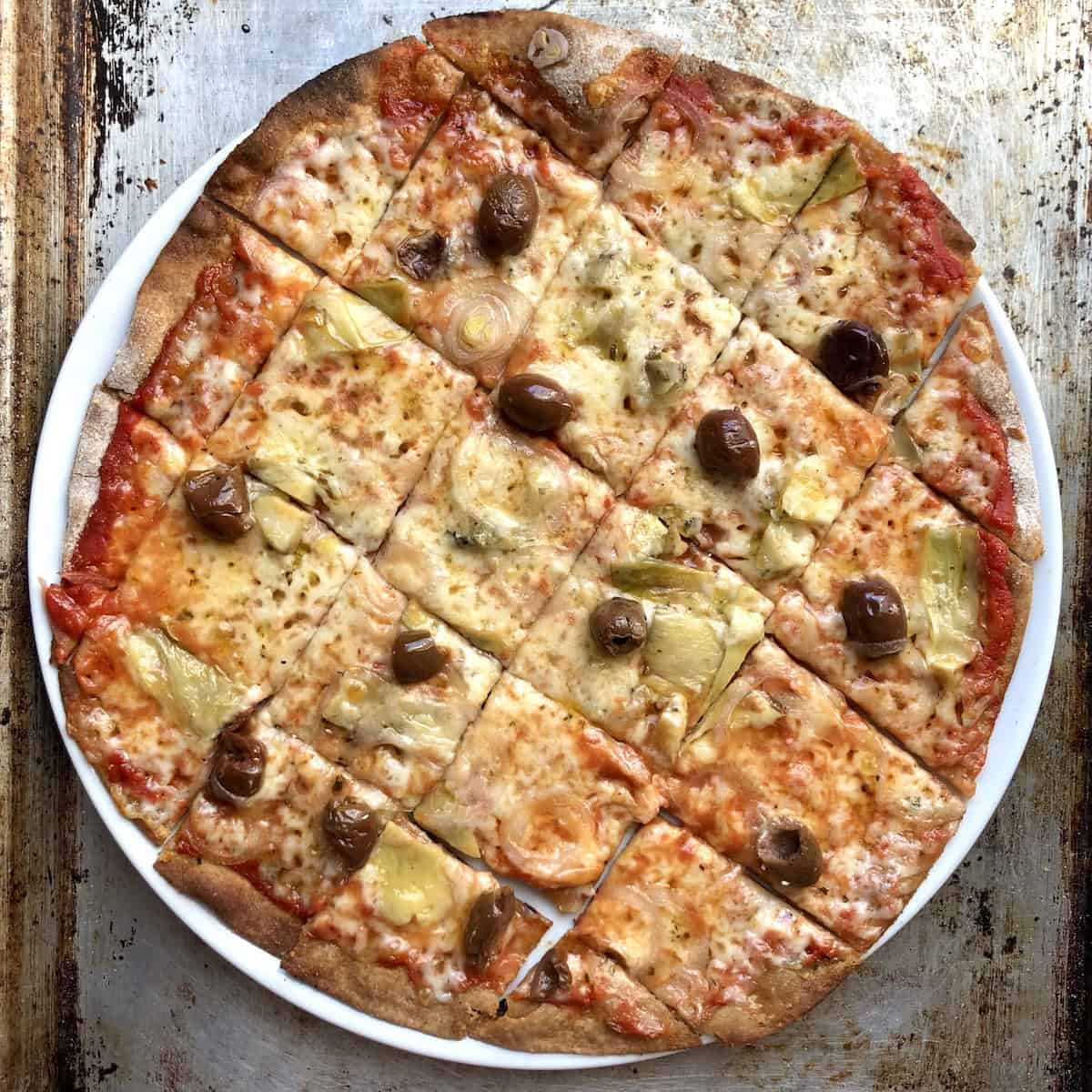
Credit: bitingatthebits.com
Credit: josieandnina.com
Frequently Asked Questions
How Do I Make Crispy Thin Pizza Dough?
Use high-protein flour, less water, and minimal yeast. Roll dough very thin, preheat oven to high heat, and bake quickly for a crispy crust.
What Flour Is Best For Thin Pizza Dough?
High-gluten or bread flour is best. It provides strong gluten structure for a thin, crispy, and chewy crust that holds toppings well.
Can I Prepare Thin Pizza Dough In Advance?
Yes, you can refrigerate dough for 24-48 hours. This enhances flavor and texture. Bring to room temperature before shaping and baking.
How Long Should I Bake Thin Pizza Dough?
Bake at 475-500°F (245-260°C) for 8-12 minutes. Keep an eye to avoid burning. The crust should be golden and crisp.
Conclusion
This crispy thin pizza dough recipe makes baking simple and fun. You can enjoy homemade pizza anytime. The dough turns out light and crunchy every time. It pairs well with any toppings you like. Try this recipe to impress your family and friends.
Fresh ingredients and a good recipe make all the difference. Give it a try and taste the difference yourself. Easy to follow and quick to prepare. Perfect for pizza nights at home.

Hi, I’m Daniel Brooks—a food lover and kitchen gear enthusiast. I enjoy testing cookware, utensils, and gadgets to see what really works in everyday cooking. At PlugChef.com, I share honest reviews, comparisons, and simple guides to help you choose the best tools for a safer, smarter, and more enjoyable kitchen.
Related posts:
 What Type of Cooking Utensils are Safe: Expert Picks
 What Innovations Could Blenders Make: Unleashing Future Tech
 Smart Strategies to Organize a Small Kitchen: Maximize Space
 How to Organize a Kitchen Cabinet: Expert Tips & Tricks
 How to Organize Kitchen Drawers: Expert Tips and Tricks
 How to Organize a Corner Kitchen Cupboard: Expert Tips